When a child develops an itchy rash that keeps coming back, it’s natural for parents to become concerned. Many skin conditions disappear within a few days, but when red, raised patches continue appearing for weeks or months, it’s worth learning more about what may be causing them.
One common condition that affects both children and adults is urticaria, more commonly known as hives. Although the appearance of hives can be alarming, they are often temporary and manageable with proper care. Understanding the symptoms, common triggers, and treatment options can help parents know when home care is appropriate and when medical advice is needed.
What Are Hives?
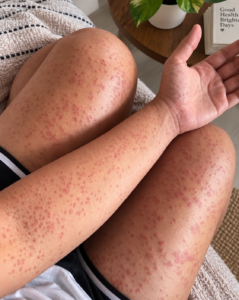
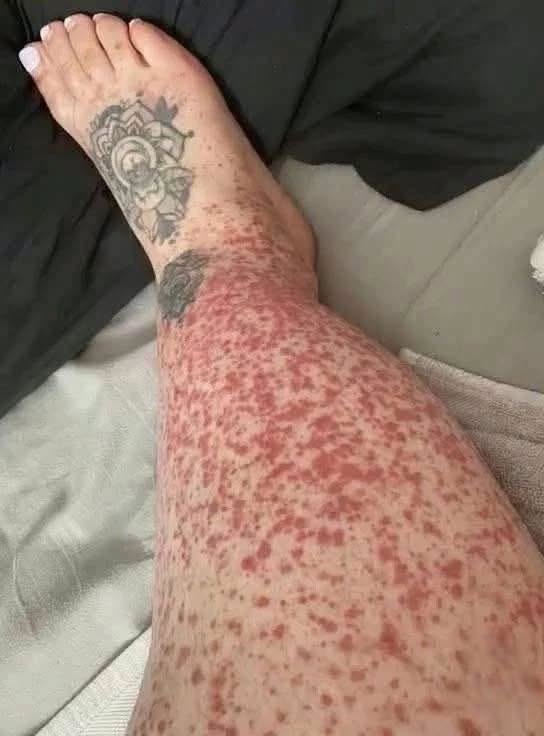
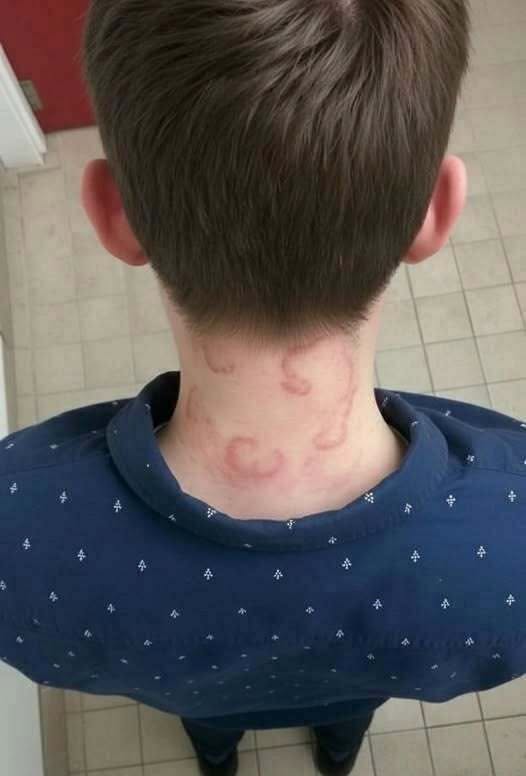
Hives are raised, itchy welts that appear on the surface of the skin. They can develop almost anywhere on the body and often change shape or location within hours.
The welts may be:
- Small or large
- Round or irregularly shaped
- Pink, red, or skin-colored
- Separate or joined together into larger patches
One of the defining characteristics of hives is that individual welts usually disappear within 24 hours, although new ones may continue appearing elsewhere on the body.
The itching can range from mild to severe and may become worse with heat, scratching, or stress.
Why Do Hives Develop?
Hives occur when specialized immune cells called mast cells release histamine and other chemicals into the skin.
These substances cause tiny blood vessels to leak fluid into surrounding tissues, producing the familiar swelling, redness, and itching associated with hives.
While histamine release is a normal part of the body’s immune response, it can sometimes occur even when there is no serious illness.
Common triggers include:
- Viral infections
- Food allergies
- Certain medications
- Insect bites or stings
- Exposure to heat or cold
- Pressure on the skin
- Exercise
- Emotional stress
In many children, no single trigger is ever identified.
Acute vs. Chronic Urticaria
Doctors generally classify hives into two main categories.
Acute Urticaria
Acute hives last less than six weeks.
They are often linked to:
- Viral illnesses
- Allergic reactions
- New medications
- Foods
- Insect stings
Most cases improve on their own or with antihistamine treatment.
Chronic Urticaria
When hives continue for more than six weeks, they are considered chronic.
Unlike acute cases, chronic urticaria often has no clear cause.
Although persistent hives can be frustrating, many children eventually outgrow the condition with time.
What Is Angioedema?
Some people with hives also develop angioedema, a related condition that causes swelling beneath the surface of the skin.
Unlike the raised welts seen with hives, angioedema affects deeper layers of tissue and commonly appears on the:
- Lips
- Eyelids
- Face
- Hands
- Feet
- Tongue
- Throat
This swelling is often more painful than itchy and may last longer than ordinary hives.
If swelling affects the tongue or throat and causes difficulty breathing, swallowing, or speaking, it is considered a medical emergency and requires immediate medical attention.
Common Triggers in Children
Finding the exact cause of hives isn’t always possible, but several common triggers have been identified.
Viral Infections
Many children develop hives during or shortly after common viral illnesses such as colds or stomach viruses.
In these cases, the immune response—not the infection itself—often causes the rash.
Allergic Reactions
Some children develop hives after exposure to allergens, including:
- Peanuts
- Tree nuts
- Eggs
- Milk
- Shellfish
- Certain antibiotics
- Bee or wasp stings
Allergic hives usually appear quickly after exposure.
Physical Triggers
Certain environmental factors can also bring on hives, including:
- Scratching the skin
- Heat
- Cold temperatures
- Sunlight
- Pressure from tight clothing
- Exercise
These forms are often referred to as physical urticaria because they result from external physical stimuli rather than allergies.
Stress
Although stress doesn’t directly cause hives, emotional stress may worsen symptoms or trigger flare-ups in some individuals.
How Are Hives Diagnosed?
Doctors usually diagnose hives by examining the skin and reviewing the person’s medical history.
They may ask questions such as:
- When did the rash begin?
- How long does each welt last?
- Has your child recently been ill?
- Have any new foods or medications been introduced?
- Do symptoms appear after exercise, heat, or cold exposure?
- Is there a family history of allergies or skin conditions?
Most children do not require extensive testing unless symptoms suggest an underlying medical condition or the hives continue for an extended period.
Treatment Options
Treatment depends on the severity, frequency, and cause of the hives.
For many children, symptoms improve with simple measures.
Common treatments include:
Antihistamines
Non-drowsy antihistamines are often the first treatment recommended to reduce itching and swelling.
They help block histamine, the chemical responsible for many hive symptoms.
Cool Compresses
Applying a cool, damp cloth to affected areas may temporarily relieve itching and discomfort.
Avoid Known Triggers
If a specific trigger is identified, avoiding it whenever possible can help reduce future flare-ups.
Other Medications
For more severe or persistent cases, healthcare providers may prescribe additional treatments, including short courses of corticosteroids or other medications when appropriate.
Treatment should always be guided by a qualified healthcare professional, especially when symptoms persist or recur frequently.
When Should You See a Doctor?
Although many cases of hives are mild and resolve on their own, some situations require medical evaluation.
You should contact a healthcare provider if:
- Hives last longer than six weeks.
- The rash keeps returning without an obvious cause.
- Over-the-counter treatments do not provide relief.
- The itching becomes severe enough to interfere with sleep or daily activities.
- Your child develops a fever, joint pain, or other unusual symptoms along with the rash.
Seek emergency medical care immediately if hives are accompanied by:
- Difficulty breathing or wheezing.
- Swelling of the tongue, throat, or lips.
- Trouble swallowing.
- Dizziness or fainting.
These symptoms may indicate a severe allergic reaction (anaphylaxis), which requires urgent treatment.
Helping Your Child Feel More Comfortable
If your child is experiencing hives, there are several simple steps that may help reduce discomfort while the skin heals.
Parents can often help by:
- Dressing the child in loose, lightweight clothing.
- Keeping the skin cool, as heat can worsen itching.
- Encouraging the child to avoid scratching whenever possible.
- Using fragrance-free soaps and moisturizers if the skin is sensitive.
- Keeping a diary of foods, medications, illnesses, or activities that seem to trigger flare-ups.
Tracking symptoms over time can be useful if your healthcare provider recommends further evaluation.
Can Hives Be Prevented?
Not every case of hives can be prevented, particularly when they are triggered by viral infections or unknown causes. However, identifying and avoiding known triggers may reduce future episodes.
Helpful preventive measures include:
- Avoiding foods or medications that previously caused reactions.
- Managing seasonal allergies with guidance from a healthcare professional.
- Protecting sensitive skin from extreme heat or cold.
- Reducing unnecessary stress where possible.
- Following treatment plans for underlying allergies or medical conditions.
For children with recurrent hives, regular follow-up with a healthcare provider may help determine the best long-term management strategy.
Final Thoughts
Hives are a common skin condition that can affect children and adults alike. Although the itchy, raised welts may look alarming, they are usually temporary and often improve with appropriate care.
Understanding the difference between acute and chronic urticaria, recognizing common triggers, and knowing when to seek medical attention can help parents respond with confidence rather than fear.
Most children recover without serious complications, and many eventually outgrow recurrent hives over time. By working closely with a healthcare professional, monitoring symptoms, and avoiding known triggers when possible, families can successfully manage the condition while helping children stay comfortable and active.
If symptoms become persistent, severe, or are accompanied by swelling that affects breathing or swallowing, prompt medical evaluation is essential.
With proper awareness and care, most cases of hives can be effectively managed, allowing children to return to their normal routines with confidence.
More Home Remedies
- Wrinkled Fingers After Water Exposure: What Your Skin May Be Telling You
- Skin Rash With Breathing Trouble? It Could Be a Life-Threatening Allergic Reaction
- I Thought It Was a Piece of Trash on the Bathroom Floor—Until It Moved
- If You Are Getting White Pimples on Your Lips or Intimate Area, Here’s What They Could Mean