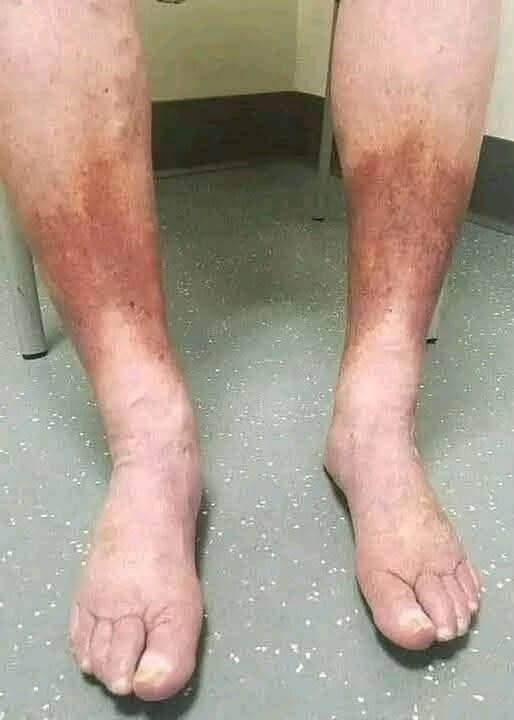
Most of us don’t pay much attention to our feet until something changes.
Perhaps you finish a long day, take off your shoes, and notice your socks have left deep marks around your ankles. Maybe your favorite shoes suddenly feel tighter than usual, or your feet appear puffier than they did that morning.
In many cases, swollen feet or ankles are temporary and harmless. Spending hours standing, sitting through a long flight, or walking in hot weather can all cause fluid to collect in the lower legs. Usually, the swelling improves after resting or elevating your feet.
However, swelling—known medically as edema—can sometimes be your body’s way of signaling an underlying health issue that deserves attention.
Problems affecting the heart, kidneys, liver, veins, or even certain medications may contribute to persistent swelling. Understanding the possible causes can help you recognize when simple home care is enough and when it’s time to consult a healthcare professional.
What Is Edema?
Edema is the medical term used to describe swelling caused by excess fluid building up in the body’s tissues.
Because gravity naturally pulls fluid downward, edema most commonly affects:
- Feet
- Ankles
- Lower legs
The swelling may involve one foot or both and can range from mild puffiness to significant enlargement that makes shoes feel uncomfortable.
Sometimes the swelling develops gradually over several days.
In other situations, it appears suddenly.
The cause often determines how serious it may be.
1. Standing or Sitting for Long Periods
One of the most common reasons for swollen feet has nothing to do with disease.
Remaining in the same position for hours slows the return of blood and fluid from the legs back toward the heart.
This commonly happens during:
- Long airplane flights
- Road trips
- Desk jobs
- Standing all day at work
When leg muscles aren’t moving, fluid tends to collect around the ankles.
What May Help
- Walk every hour when possible.
- Stretch your legs regularly.
- Flex and extend your ankles while sitting.
- Elevate your feet after long periods of standing.
These simple movements help improve circulation.
2. Hot Weather
Warm temperatures naturally cause blood vessels to widen.
This allows your body to release heat more effectively, but it also makes it easier for fluid to move into surrounding tissues.
As a result, many people notice swollen feet during the summer months.
Staying hydrated and avoiding prolonged standing can often reduce this type of swelling.
3. Too Much Sodium
Eating large amounts of salt encourages the body to retain water.
Common high-sodium foods include:
- Processed meals
- Fast food
- Chips and salty snacks
- Processed meats
- Canned soups
Reducing sodium intake may help decrease fluid retention, particularly in people who are sensitive to salt.
4. Injury or Inflammation
An injured foot or ankle often swells as part of the body’s natural healing response.
Common causes include:
- Sprained ankles
- Fractures
- Bruises
- Torn ligaments
Swelling after an injury is expected, but medical evaluation is recommended if:
- You cannot bear weight.
- Pain is severe.
- The foot appears deformed.
- Swelling continues to worsen.
5. Chronic Venous Insufficiency
Veins contain tiny valves that help blood travel upward toward the heart.
When these valves weaken or become damaged, blood can collect in the lower legs instead of circulating normally.
Symptoms may include:
- Swollen ankles
- Heavy legs
- Aching after standing
- Visible varicose veins
- Skin discoloration
Treatment often focuses on improving circulation through movement, compression stockings, and medical care when necessary.
6. Heart Conditions
The heart’s job is to pump blood efficiently throughout the body.
If its pumping ability becomes reduced, fluid may accumulate in the legs and feet.
Swelling related to heart conditions may occur alongside:
- Shortness of breath
- Fatigue
- Difficulty lying flat
- Rapid weight gain caused by fluid retention
These symptoms deserve prompt medical evaluation.
7. Kidney Disease
Healthy kidneys help remove excess fluid and sodium from the bloodstream.
When kidney function declines, fluid may build up in body tissues.
In addition to swollen feet, kidney disease may also cause:
- Changes in urination
- Fatigue
- High blood pressure
- Puffiness around the eyes
Early diagnosis plays an important role in protecting kidney function.
8. Liver Disease
The liver produces proteins that help keep fluid inside blood vessels.
Advanced liver disease can reduce production of these proteins, allowing fluid to leak into surrounding tissues.
Possible accompanying symptoms include:
- Swollen abdomen
- Yellowing of the skin or eyes
- Easy bruising
- Fatigue
Persistent swelling combined with these symptoms should always be evaluated by a healthcare professional.
9. Medication Side Effects
Several commonly prescribed medications may contribute to swelling in the feet or ankles.
Examples include certain:
- Blood pressure medications
- Corticosteroids
- Hormone therapies
- Diabetes medications
- Anti-inflammatory drugs
Never stop taking prescribed medication without first speaking to your healthcare provider.
Sometimes adjusting the dosage or changing medications may resolve the problem.
10. Pregnancy
Mild swelling is very common during pregnancy, particularly during the third trimester.
Growing pressure on blood vessels slows the return of blood from the legs, allowing fluid to collect around the ankles.
However, sudden swelling—especially when accompanied by severe headache, vision changes, or high blood pressure—may indicate preeclampsia, a potentially serious pregnancy complication requiring immediate medical attention.
Warning Signs You Should Never Ignore
Although swollen feet are often harmless, certain symptoms require prompt medical attention because they may indicate a more serious underlying condition.
Seek immediate medical care if swelling is accompanied by:
- Chest pain or pressure.
- Shortness of breath or difficulty breathing.
- Sudden swelling in only one leg.
- Pain, warmth, or redness in one leg.
- Fever along with swelling.
- Rapidly worsening swelling.
- Open wounds or signs of infection.
- Severe swelling following an injury.
These symptoms may be associated with conditions such as blood clots, heart problems, severe infections, or significant injuries that require urgent evaluation.
How Doctors Determine the Cause
Since swelling can result from many different conditions, healthcare providers focus on identifying the underlying problem rather than treating the swelling alone.
Depending on your symptoms and medical history, your doctor may recommend:
Physical Examination
A careful examination helps assess:
- Whether one or both legs are affected.
- Skin color and temperature.
- Tenderness.
- Signs of vein disease or injury.
Blood Tests
Blood work can evaluate:
- Kidney function.
- Liver function.
- Electrolyte levels.
- Protein levels.
- Signs of infection or inflammation.
Urine Tests
Urine analysis may detect protein or other abnormalities that suggest kidney disease.
Ultrasound
If a blood clot or vein problem is suspected, an ultrasound of the legs can evaluate blood flow and identify blocked veins.
Heart Evaluation
If heart disease is suspected, additional tests such as an electrocardiogram (ECG) or echocardiogram may be recommended to assess heart function.
Imaging Studies
When swelling follows an injury, X-rays or other imaging tests may be necessary to rule out fractures or other damage.
Simple Ways to Reduce Mild Swelling at Home
If your swelling is mild and not caused by a medical emergency, several everyday habits may help improve comfort.
Elevate Your Feet
Raising your feet above the level of your heart for 20 to 30 minutes several times each day allows gravity to help move excess fluid back toward the upper body.
Many people notice improvement after resting with their legs supported by pillows.
Stay Active
Movement encourages the calf muscles to act as a natural pump, helping blood and fluid return toward the heart.
Even short walks throughout the day can improve circulation.
If your job requires prolonged sitting, try standing and stretching every hour.
Wear Compression Stockings
Compression stockings apply gentle pressure that supports healthy circulation and may reduce fluid buildup.
However, they are not appropriate for everyone.
People with certain circulation disorders should consult a healthcare provider before using them.
Drink Enough Water
Although it may seem surprising, dehydration can actually contribute to fluid retention.
Maintaining adequate hydration helps your body regulate fluid balance more effectively.
Reduce Sodium Intake
Limiting processed foods and reducing added salt may help decrease water retention.
Choosing fresh fruits, vegetables, lean proteins, and whole grains often supports healthier fluid balance.
Maintain a Healthy Weight
Excess body weight places additional pressure on the veins in the legs.
Maintaining a healthy weight supports better circulation and reduces stress on the lower extremities.
Frequently Asked Questions
Is swelling in both feet always a serious problem?
No.
Swelling affecting both feet commonly results from prolonged standing, warm weather, certain medications, or temporary fluid retention.
However, swelling that persists, worsens, or occurs with other symptoms should be evaluated by a healthcare professional.
Why is only one foot swollen?
Swelling affecting only one foot or leg may indicate an injury, infection, vein problem, or blood clot.
Because some of these conditions require prompt treatment, one-sided swelling deserves medical attention.
Can drinking more water reduce swelling?
Sometimes.
Proper hydration helps the body regulate sodium and fluid levels, which may reduce fluid retention in some individuals.
However, hydration alone will not resolve swelling caused by underlying medical conditions.
When should I schedule a medical appointment?
Arrange a medical evaluation if:
- Swelling lasts several days.
- It repeatedly returns.
- It continues getting worse.
- It interferes with walking.
- It occurs with pain, redness, or other concerning symptoms.
Early evaluation often allows problems to be identified before complications develop.
Can swollen feet be prevented?
Not every case can be prevented, but healthy lifestyle habits may lower the risk.
Helpful strategies include:
- Staying physically active.
- Avoiding prolonged sitting or standing.
- Maintaining a healthy weight.
- Eating a balanced, lower-sodium diet.
- Managing chronic medical conditions.
- Wearing properly fitting footwear.
Final Thoughts
Swollen feet and ankles are extremely common, and in many situations they result from everyday factors such as standing for long hours, warm weather, pregnancy, or temporary fluid retention.
However, persistent or unexplained swelling should never be ignored. Because edema can sometimes be an early sign of problems involving the heart, kidneys, liver, veins, or other body systems, paying attention to changes in your body is an important part of protecting your health.
If swelling is mild and improves with rest, elevation, and movement, it is often not a cause for concern. But if it becomes severe, keeps returning, or occurs alongside symptoms such as chest pain, shortness of breath, fever, or swelling affecting only one leg, seeking prompt medical care is essential.
Listening to your body and acting early when something doesn’t seem right can make a significant difference. Understanding the possible causes of swollen feet empowers you to make informed decisions, seek medical advice when appropriate, and take simple everyday steps that support healthy circulation and long-term well-being.
Medical Disclaimer: This article is intended for educational purposes only and should not replace professional medical advice, diagnosis, or treatment. If you experience persistent swelling, severe pain, sudden swelling, chest pain, difficulty breathing, or any other concerning symptoms, contact a qualified healthcare professional or seek emergency medical care immediately.
More Home Remedies
- Wrinkled Fingers After Water Exposure: What Your Skin May Be Telling You
- Skin Rash With Breathing Trouble? It Could Be a Life-Threatening Allergic Reaction
- I Thought It Was a Piece of Trash on the Bathroom Floor—Until It Moved
- If You Are Getting White Pimples on Your Lips or Intimate Area, Here’s What They Could Mean