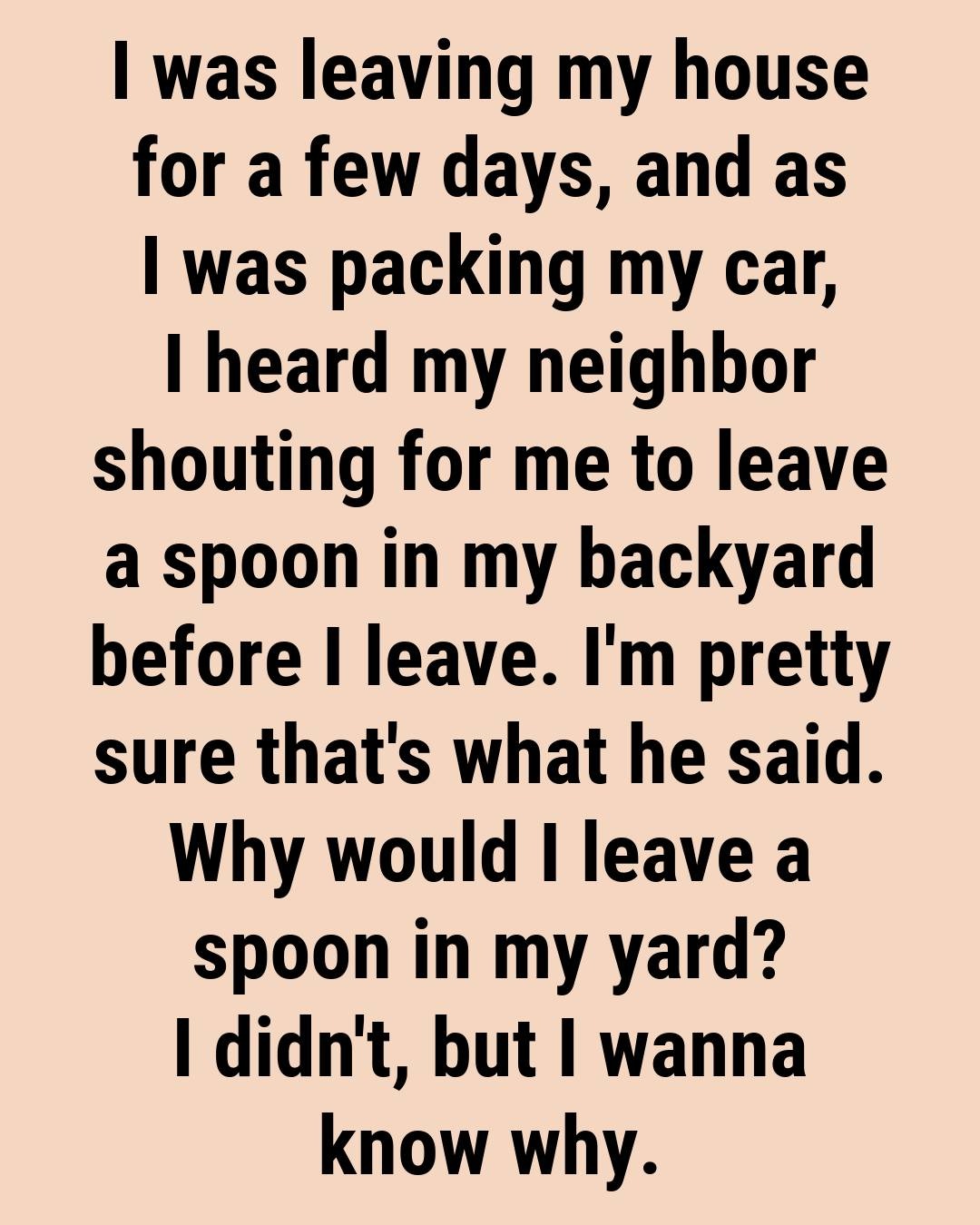
Always Leave a Spoon of Sugar in Your Backyard sounds like a kind backyard trick, but the real answer is more careful than many viral posts suggest. While sugar water can help one exhausted bee in a rare emergency, leaving it outside regularly can attract pests, spread disease, and distract bees from flowers.
A neighbor once told me to leave a spoon of sugar water outside before a trip because “the bees might need it.” It sounded sweet, so I looked into it. What I learned changed the way I garden. Bees do not need constant sugar handouts. They need flowers, clean water, safe nesting spaces, and fewer pesticides. That small discovery turned my backyard into a better place for pollinators without creating problems.
Why People Leave Sugar Water for Bees
The Viral Backyard Tip
Many social media posts encourage people to leave sugar water outdoors for tired bees. The idea sounds compassionate because bees work hard collecting nectar and pollen.
However, the advice often skips important details. Sugar water should not become a regular backyard feeding station.
Why Bees Seem Tired
Sometimes bees rest on sidewalks, patios, or grass because of cold weather, exhaustion, or natural end-of-life behavior. A single weak bee may benefit from emergency sugar water, but most bees should find food from flowers.
When Sugar Water Can Help
A One-Time Emergency Use
Sugar water may help one visibly exhausted bee. Mix 1 part white sugar with 2 parts water. Place only a few drops on a spoon, leaf, or shallow surface near the bee.
Do not use honey. Honey can carry spores or pathogens that harm bees.
What Not to Do
Do not leave bowls of sugar water outside. Bees can drown, and many insects may gather in one place. Also, do not feed bees daily. Regular feeding can spread disease and attract ants, wasps, and robber bees.
Better Ways to Help Bees Long-Term
Plant Flowers They Actually Need
The best way to help bees is to plant pesticide-free flowers that bloom across the seasons. Choose native plants when possible, including coneflowers, asters, goldenrod, lavender, borage, thyme, oregano, and clover.
A small flower bed, balcony planter, or herb pot can feed many pollinators.
Provide Safe Water
Bees need water, especially in warm weather. Use a shallow dish filled with pebbles, marbles, or small stones. Add just enough water so bees can land safely without drowning.
Refresh the water often to keep it clean and prevent mosquitoes.
Backyard Habits That Protect Pollinators
Skip Harsh Pesticides
Many common garden chemicals can harm bees. Avoid spraying flowers, especially when plants bloom. Choose safer options like hand-picking pests, companion planting, or gentle insecticidal soap when needed.
Leave Some Wild Space
Many native bees nest in bare soil, hollow stems, or quiet garden corners. Leave small patches of uncovered soil and avoid cutting every dead stem before spring.
A slightly imperfect yard can be a perfect pollinator home.
FAQ
Should I leave sugar water outside for bees every day?
No. Routine sugar water feeding can create more harm than good.
Can sugar water save a tired bee?
Sometimes, yes. Use only a few drops as a one-time emergency aid.
Is honey safe for bees?
No. Avoid feeding honey to bees because it may contain harmful spores or pathogens.
What is the best thing to plant for bees?
Native flowers, herbs, and pesticide-free blooms that flower from spring through fall help most.
Do bees need water?
Yes. A shallow dish with stones gives bees a safe drinking place.
Conclusion
Always Leave a Spoon of Sugar in Your Backyard may sound helpful, but bees need more than sugar. A few drops can help one exhausted bee in an emergency, yet regular sugar feeding can attract pests and spread disease.
The best support comes from flowers, clean water, safe nesting spaces, and chemical-free gardening. A single spoon of syrup fades quickly, but a blooming garden can help bees all season long.
More Home Remedies
- Wrinkled Fingers After Water Exposure: What Your Skin May Be Telling You
- Skin Rash With Breathing Trouble? It Could Be a Life-Threatening Allergic Reaction
- I Thought It Was a Piece of Trash on the Bathroom Floor—Until It Moved
- If You Are Getting White Pimples on Your Lips or Intimate Area, Here’s What They Could Mean