Liver cancer can develop quietly, which makes understanding possible warning signs especially important. Although many symptoms have harmless explanations, persistent changes such as unexplained weight loss, abdominal discomfort, jaundice, appetite changes, or unusual fatigue deserve medical attention. Liver cancer symptoms can overlap with many other conditions, so no single symptom can confirm the disease.
The liver performs hundreds of jobs every day. It processes nutrients, produces bile, helps remove harmful substances from the blood, and makes proteins that support normal blood clotting. Moreover, the liver can continue functioning despite significant damage. Consequently, liver disease may progress before obvious symptoms develop.
This guide explains the early warning signs associated with liver cancer, clears up common misconceptions about itching and unusual odors, reviews important risk factors, and explains when medical evaluation becomes especially important.
A close family friend once ignored a persistent discomfort under his right ribs because he assumed he had strained a muscle while working around the house. However, the discomfort continued, and he gradually noticed that meals filled him up much faster than usual. He also felt increasingly tired. His symptoms did not immediately point to one obvious condition, but their persistence finally convinced him to schedule an appointment. Fortunately, that experience taught everyone around him something valuable: unusual symptoms do not automatically mean cancer, yet ongoing changes deserve attention. Since then, I have taken persistent health changes much more seriously instead of simply waiting for them to disappear.
Understanding Liver Cancer and Why Symptoms Can Be Subtle
What Happens When Liver Cancer Develops
Liver cancer begins when abnormal cells in the liver grow uncontrollably. Primary liver cancer starts in the liver itself, while cancers that spread to the liver from another organ represent metastatic cancer rather than primary liver cancer.
Hepatocellular carcinoma, often called HCC, represents the most common type of primary liver cancer in adults. Other forms can also develop, although they occur less frequently.
Unfortunately, early liver cancer may cause few noticeable symptoms. The liver has considerable functional reserve. Therefore, it can often keep performing essential tasks even when disease affects part of the organ.
As a tumor grows, however, it can affect surrounding liver tissue and structures. Consequently, symptoms may become more noticeable. A growing tumor may create pressure or discomfort in the upper abdomen. Meanwhile, changes in liver function can affect appetite, digestion, energy levels, and bile processing.
Still, these symptoms remain nonspecific. For example, fatigue can result from poor sleep, anemia, infection, stress, thyroid problems, and many other conditions. Likewise, abdominal discomfort can have numerous digestive or muscular causes.
Therefore, doctors do not diagnose liver cancer from symptoms alone. Instead, they consider symptoms alongside medical history, physical examinations, blood tests, and imaging studies.
Why Early Detection Can Be Difficult
Liver cancer presents a particular challenge because some people feel completely normal during its early stages. In addition, people who already have chronic liver disease may attribute new symptoms to their existing condition.
Nevertheless, certain changes deserve attention when they persist.
Possible liver cancer warning signs include unexplained weight loss, appetite loss, upper abdominal discomfort, nausea, unusual weakness, and abdominal swelling. Additionally, some people develop jaundice, which causes the skin or whites of the eyes to appear yellow.
Dark urine and unusually pale stools can accompany jaundice when problems affect normal bile processing or flow.
However, one isolated symptom rarely provides enough information to identify liver cancer. Instead, the pattern, severity, duration, and combination of symptoms matter.
For instance, losing weight without changing your diet or physical activity deserves investigation, particularly when appetite loss or abdominal discomfort occurs at the same time.
Similarly, persistent symptoms generally deserve more attention than a brief problem that quickly resolves.
Most importantly, symptoms should prompt appropriate medical evaluation rather than self-diagnosis. Many conditions can cause the same warning signs, and several have effective treatments.
Liver Cancer Warning Signs Worth Knowing
Abdominal Pain, Fullness, and Digestive Changes
One possible liver cancer symptom involves pain or discomfort in the upper right abdomen, where much of the liver sits. Some people describe pressure, aching, or a feeling of fullness rather than sharp pain.
However, abdominal discomfort has many possible causes. Gallbladder problems, indigestion, muscle strain, ulcers, and other digestive conditions can produce similar sensations.
Therefore, location alone cannot identify the cause.
Liver cancer may also cause appetite changes. For example, someone may lose interest in food or feel full after eating a surprisingly small meal. Consequently, unintended weight loss can occur.
Nausea may develop as well. Additionally, some people notice increasing weakness or fatigue as their illness progresses.
Abdominal swelling represents another possible warning sign. Fluid can accumulate inside the abdomen, a condition called ascites. As a result, the abdomen may become noticeably enlarged or uncomfortable.
However, ascites does not occur only with liver cancer. Cirrhosis and several other serious medical conditions can also cause fluid accumulation.
A lump or sensation of fullness under the ribs can also require evaluation. Nevertheless, only a medical professional can determine whether an enlarged organ, tumor, digestive issue, or another condition causes that sensation.
The key factor remains persistence. If unexplained abdominal changes continue or worsen, seeking medical care provides a safer approach than trying to identify the cause at home.
Jaundice, Weight Loss, Fatigue, and Other Changes
Jaundice represents one of the more recognizable signs associated with liver or bile-duct problems. It causes yellow discoloration of the skin and whites of the eyes because bilirubin builds up in the body.
Additionally, urine may become darker than usual. Stools may also appear unusually light or pale.
Jaundice requires medical evaluation because several conditions can cause it. Although liver cancer represents one possibility, hepatitis, gallstones, bile-duct obstruction, medication-related liver injury, and other liver disorders can also produce jaundice.
Unexplained weight loss represents another possible liver cancer warning sign. Weight naturally fluctuates, but losing a noticeable amount without intentionally changing diet or exercise deserves attention.
Furthermore, persistent fatigue can occur. A person may feel unusually weak despite getting adequate rest.
Some people may experience nausea or vomiting. Others notice a general decline in appetite.
These symptoms still cannot diagnose liver cancer. In fact, many common illnesses can produce several of them.
However, combinations can become more concerning. For example, unexplained weight loss together with persistent upper-right abdominal pain, appetite loss, and jaundice warrants prompt medical assessment.
A sudden worsening of health also deserves attention, especially in someone who already has cirrhosis, chronic hepatitis B, chronic hepatitis C, or another long-standing liver disorder.
Early evaluation can identify the underlying problem and guide appropriate treatment.
Itching, Body Odor, and Common Liver Cancer Misconceptions
Can Liver Cancer Cause Persistent Itching?
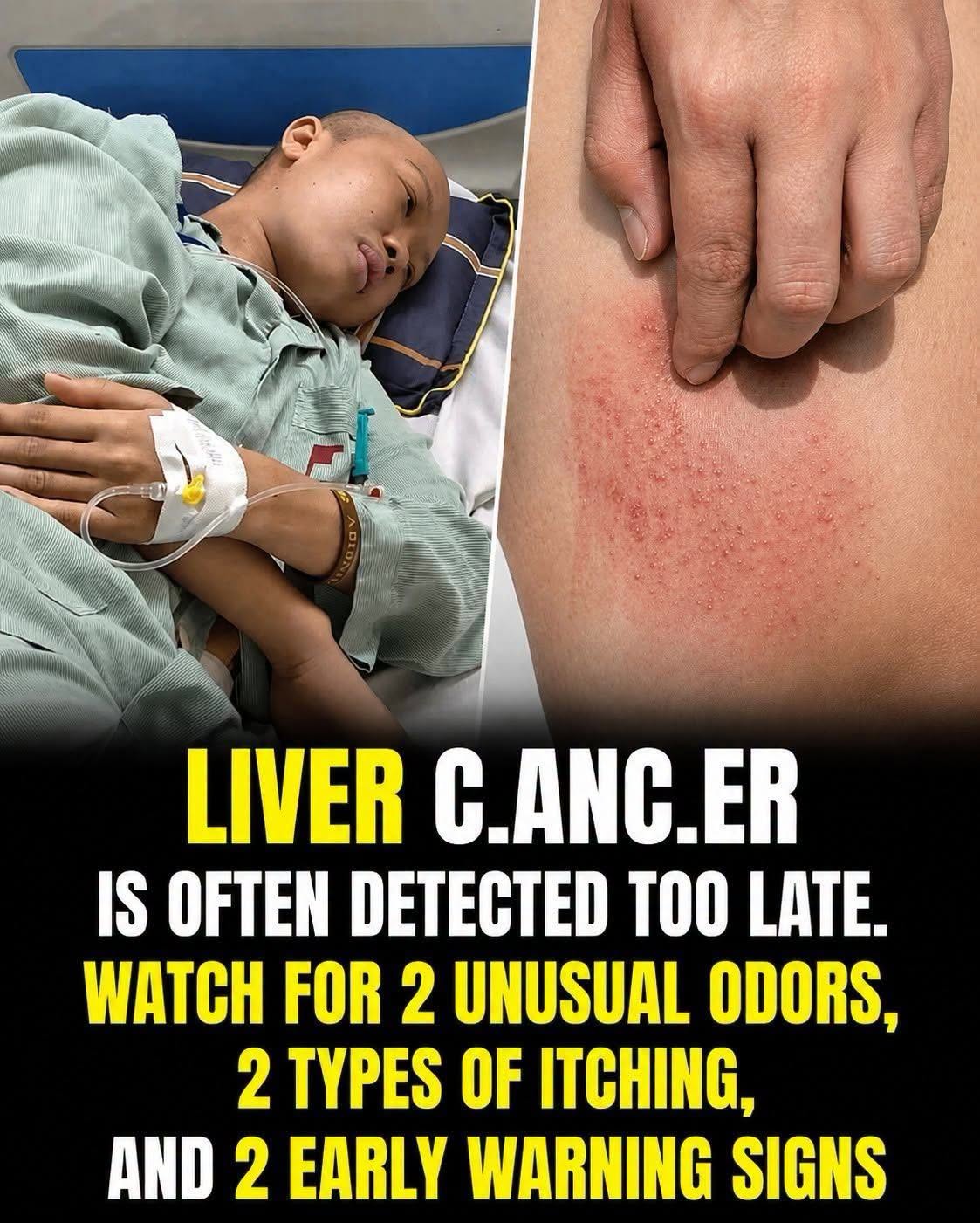
Persistent itching can occur with some liver and bile-related conditions. However, itching by itself does not indicate liver cancer.
Changes involving bile flow can allow substances associated with bile to accumulate in the body. Consequently, some people with cholestatic liver conditions develop intense itching without an obvious skin rash.
Still, far more common problems can cause itching.
Dry skin frequently causes it. Likewise, eczema, allergic reactions, insect bites, medications, and environmental irritation can produce persistent itching. Kidney disease, thyroid disorders, and several systemic conditions can also contribute.
Therefore, interpreting itching as a reliable early liver cancer warning sign creates unnecessary fear.
Instead, consider the broader picture.
Itching deserves medical evaluation when it becomes severe, persists without an obvious explanation, disrupts sleep, or occurs alongside other symptoms such as jaundice, dark urine, pale stools, abdominal swelling, or unexplained weight loss.
Moreover, scratching can damage the skin and increase irritation. Addressing the underlying cause therefore matters.
A healthcare professional may review medications, examine the skin, and order tests when appropriate. Blood tests can provide information about liver function and bilirubin levels, although abnormal results can have many causes.
Ultimately, persistent itching deserves investigation when it remains unexplained, but it should never serve as a stand-alone method for determining whether someone has liver cancer.
What About Strange Breath or Body Odor?
Online health claims sometimes suggest that a specific body odor proves someone has liver cancer. That claim oversimplifies a complicated medical issue.
Severe liver dysfunction can sometimes produce a distinctive breath odor known as fetor hepaticus. People often describe the odor as sweet, musty, or unusual.
However, fetor hepaticus typically relates to significant liver dysfunction and does not serve as a dependable early liver cancer symptom.
Additionally, countless everyday factors influence breath and body odor. Foods, dehydration, oral health, medications, infections, sweating, and metabolic conditions can all change odor.
Therefore, an unusual smell alone cannot identify liver cancer.
This distinction matters because dramatic claims can encourage people to focus on unusual but nonspecific symptoms while overlooking more meaningful factors, including chronic liver disease.
Instead, pay attention to persistent combinations of symptoms.
For example, jaundice together with abdominal swelling and increasing confusion requires urgent medical attention. Likewise, persistent upper abdominal discomfort combined with unexplained weight loss deserves evaluation.
Rather than using odor or itching as a home diagnostic test, consider the overall health picture. Medical history, physical examination, laboratory testing, and imaging provide much more useful information.
Liver Cancer Risk Factors, Screening, and Prevention
Who Has a Higher Risk of Liver Cancer?
Chronic liver disease represents a major risk factor for primary liver cancer.
Long-term hepatitis B infection can substantially increase risk. Chronic hepatitis C can also lead to ongoing liver inflammation, scarring, cirrhosis, and eventually a higher risk of liver cancer.
Cirrhosis itself represents an important risk factor. It develops when repeated liver injury creates extensive scarring.
Several conditions can lead to cirrhosis. Long-term heavy alcohol use can damage the liver, while metabolic dysfunction-associated steatotic liver disease, historically called non-alcoholic fatty liver disease, can also progress to serious liver damage in some people.
Obesity and type 2 diabetes can contribute to metabolic liver disease and may increase liver cancer risk.
Exposure to aflatoxins represents another recognized risk. These toxins come from certain molds that can contaminate improperly stored foods, particularly grains and nuts in some regions.
Smoking can also negatively affect overall health and cancer risk.
However, having one or more risk factors does not mean someone will develop liver cancer. Conversely, people without obvious risk factors can still develop the disease.
Risk factors help healthcare professionals determine who may benefit from closer monitoring.
Therefore, people with chronic hepatitis, cirrhosis, or another significant liver condition should discuss their individual liver cancer risk with their healthcare provider.
Screening and Everyday Liver Health
Screening differs from testing someone who already has symptoms. Screening aims to identify disease before noticeable symptoms appear.
For people at sufficiently high risk, clinicians may recommend regular liver surveillance. Depending on individual circumstances and current medical guidance, this commonly involves liver ultrasound examinations at regular intervals, sometimes alongside blood testing.
However, screening recommendations depend on a person’s specific condition. Therefore, a healthcare professional should determine the appropriate schedule.
Several everyday choices can also support liver health.
Hepatitis B vaccination provides important protection against hepatitis B infection and consequently reduces a major preventable source of chronic liver disease. Additionally, appropriate testing and treatment for viral hepatitis can reduce complications.
Limiting or avoiding alcohol can reduce alcohol-related liver injury. Maintaining a healthy weight can also lower the likelihood of metabolic liver disease.
Regular physical activity supports metabolic health. Meanwhile, a balanced eating pattern that includes vegetables, fruits, whole grains, legumes, and appropriate protein sources can support overall health.
People with diabetes should work toward good blood sugar management with professional guidance.
Avoiding smoking provides additional health benefits.
Finally, use medications and supplements responsibly. Some products can damage the liver when taken incorrectly or in excessive amounts. Therefore, discuss questionable supplements or medication combinations with a qualified healthcare professional.
Frequently Asked Questions
1. What are the first symptoms of liver cancer?
Early liver cancer may cause no symptoms at all. When symptoms appear, possible signs include upper-right abdominal discomfort, appetite loss, unexplained weight loss, fatigue, nausea, or feeling full after small meals. However, many other conditions can cause these symptoms.
2. Is itching an early sign of liver cancer?
Itching can accompany some liver and bile-flow disorders, but it does not specifically indicate liver cancer. Dry skin, allergies, eczema, medications, and many other conditions cause itching much more commonly. Persistent unexplained itching deserves medical evaluation, particularly when jaundice or other concerning symptoms accompany it.
3. Does liver cancer cause a particular body odor?
No specific everyday body odor reliably identifies liver cancer. Severe liver dysfunction can sometimes produce unusual breath called fetor hepaticus. However, this finding generally relates to advanced liver dysfunction rather than serving as a dependable early liver cancer warning sign.
4. Who should consider liver cancer screening?
People with certain high-risk conditions, including some forms of cirrhosis and chronic hepatitis B, may benefit from regular surveillance. However, recommendations vary according to individual risk factors. Therefore, anyone with chronic liver disease should discuss an appropriate screening plan with a healthcare professional.
5. When should I see a doctor about possible liver cancer symptoms?
Seek medical attention for persistent or unexplained symptoms such as jaundice, unintended weight loss, ongoing upper abdominal pain, significant appetite loss, abdominal swelling, or worsening fatigue. Additionally, people with existing chronic liver disease should report significant new symptoms promptly. Symptoms do not necessarily mean cancer, but professional evaluation can identify their cause.
Conclusion
Liver cancer can remain difficult to recognize early because the liver often continues functioning despite developing disease. Nevertheless, persistent upper-right abdominal discomfort, unexplained weight loss, appetite changes, abdominal swelling, jaundice, unusual fatigue, and related symptoms deserve attention.
At the same time, avoid assuming that isolated itching or unusual body odor confirms liver cancer. Those symptoms have many possible explanations and cannot provide a diagnosis.
Instead, focus on persistent health changes and personal risk factors. Chronic hepatitis B or C, cirrhosis, long-term liver disease, metabolic liver disease, and other established factors can increase risk.
Most importantly, appropriate medical screening can help detect liver cancer earlier in people who face increased risk. Likewise, timely evaluation of unexplained symptoms can uncover cancer or another condition that needs treatment.
If concerning symptoms persist for several weeks, worsen rapidly, or include jaundice, abdominal swelling, or substantial unexplained weight loss, contact a healthcare professional rather than relying on symptom lists alone.
More Blog
- Drinking Water on an Empty Stomach — What Science Actually Supports (No Hype, Just Facts)
- Waking Up Between 3 and 5 AM? It Might Be Your Soul Trying to Talk to You
- What a “Bleach” Patch on Your Underwear Really Means — And Why It’s Actually a Good Sign
- This Drink May Weaken Your Bones From The Inside — But Everyone Drinks It Anyway