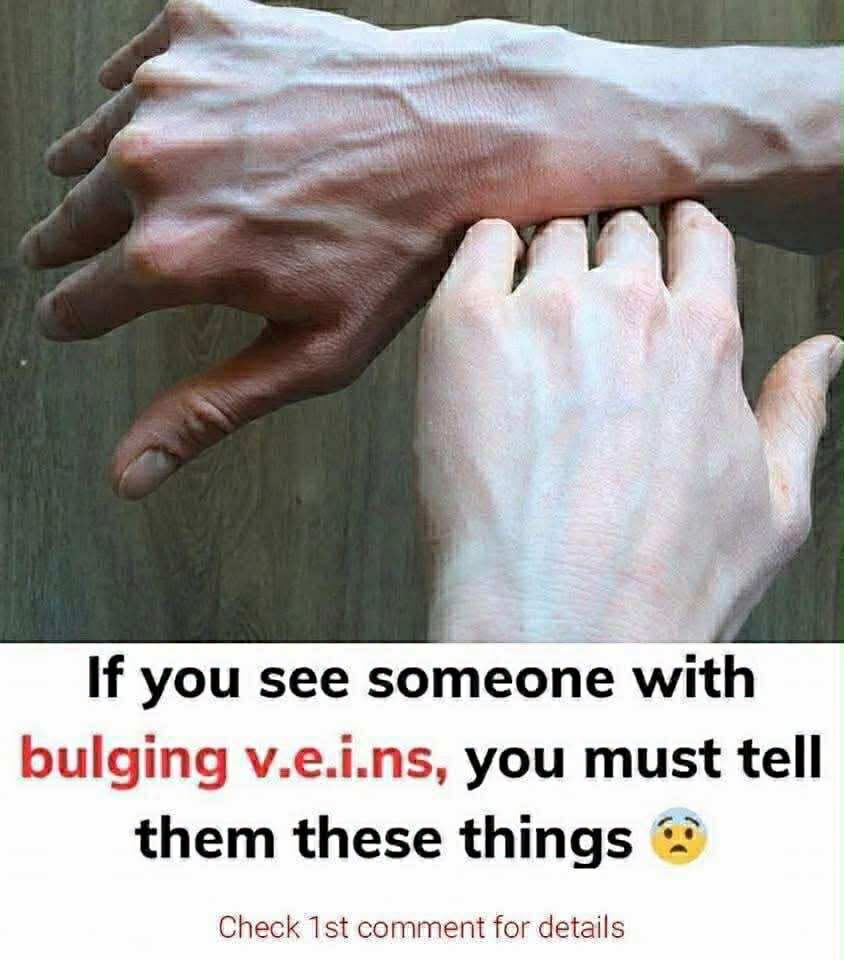
If you notice bulging veins on your hands, arms, legs, or other parts of your body, the change can catch your attention quickly. Sometimes those veins look blue or green beneath the skin. In other cases, they may become raised, twisted, or unusually prominent. Fortunately, visible veins often develop for ordinary reasons, including exercise, warm weather, aging, genetics, or changes in body fat.
Still, appearance alone does not tell the whole story. Pain, swelling, redness, warmth, skin changes, or a sudden difference between one limb and the other can make prominent veins more important to investigate.
I first became curious about visible veins after noticing how dramatically they could change from one day to another. After a long walk on a warm afternoon, the veins across my hands and forearms seemed much more noticeable than usual. By the next morning, however, they had almost returned to their normal appearance. That experience made me realize how strongly temperature, activity, hydration, and circulation can influence what we see beneath our skin. Since then, I have paid more attention to whether visible veins appear temporarily or come with other changes. That distinction can provide useful clues about what the body is experiencing.
Why Bulging Veins Can Suddenly Become More Noticeable
Exercise, Heat, and Increased Blood Flow
Physical activity commonly makes veins look larger. When you exercise, working muscles demand more oxygen and nutrients. Therefore, your cardiovascular system increases blood flow to those muscles.
As circulation increases, superficial veins may become easier to see. Strength training can make this effect especially noticeable because contracting muscles temporarily push veins closer to the surface of the skin. Runners, cyclists, swimmers, and people who perform physically demanding work may notice similar changes.
In many healthy people, these veins become less obvious after the body cools down and circulation returns to its resting state.
Hot weather can produce a similar appearance. Blood vessels near the skin widen when the body needs to release heat. Consequently, veins may look larger during summer, after a hot shower, or after spending time in a warm room.
Hydration and recent activity can also influence how prominent veins appear. For that reason, a vein that looks unusually noticeable at one moment does not automatically indicate a medical problem.
However, context matters. A temporary change after exercise differs from a vein that becomes progressively enlarged, painful, hard, or surrounded by swollen tissue.
Pay attention to how long the change lasts. Also notice whether the vein looks similar on both sides of your body. Those details can help distinguish ordinary fluctuations from changes that deserve professional evaluation.
Aging, Genetics, and Changes Beneath the Skin
Age can make veins progressively easier to see. Skin naturally changes over time. It can become thinner and lose some of the tissue that previously covered superficial blood vessels.
As a result, veins that were always present may suddenly seem much more visible.
Genetics also plays an important role. Some people naturally have veins that sit closer to the skin’s surface. Likewise, skin tone, body composition, muscle development, and the amount of tissue beneath the skin can affect how clearly blood vessels appear.
Weight loss may make veins more noticeable as well. When the layer of fat beneath the skin decreases, there is less tissue hiding the vessels underneath.
Therefore, someone who recently lost weight may notice prominent veins without experiencing any problem with the veins themselves.
Athletes and people with naturally low levels of body fat often develop highly visible veins for the same reason. Increased muscle size can make them stand out even further.
Hands and forearms commonly show these changes because they contain many superficial veins. Feet and lower legs can also display prominent veins, particularly after extended standing.
Although these causes are usually harmless, changes should still be considered in context. A vein that simply becomes easier to see differs from one that becomes twisted, swollen, tender, or accompanied by discoloration.
When additional symptoms appear, the body’s message may involve more than normal anatomy.
When Visible Veins May Point to Varicose Veins
How Varicose Veins Develop
Veins carry blood back toward the heart. In the legs, they must work against gravity, so small valves inside the veins help keep blood moving in the correct direction.
When those valves weaken or fail to close effectively, blood can collect in the vein instead of moving efficiently upward. Over time, increased pressure can stretch the vessel.
The affected vein may then become enlarged, twisted, or rope-like. These veins are commonly known as varicose veins.
Varicose veins often develop in the legs because standing and walking increase pressure in the lower body’s veins. Age, pregnancy, family history, excess body weight, and long periods of standing or sitting may increase a person’s likelihood of developing them.
Some people notice only a cosmetic change. However, others experience aching, throbbing, heaviness, itching, burning, or cramping.
Symptoms may become more noticeable after standing for several hours. In addition, the lower legs or ankles may swell toward the end of the day.
Elevating the legs can sometimes reduce that pressure temporarily.
Varicose veins do not always create serious complications. Nevertheless, persistent symptoms deserve attention because prolonged venous pressure can sometimes affect the surrounding skin and tissues.
Early assessment can also help determine whether another condition may explain the symptoms.
Therefore, avoid judging vein health only by appearance. Consider discomfort, swelling, skin changes, and how quickly the veins have changed.
Changes Around the Skin and Ankles
The skin surrounding enlarged veins can provide additional information.
When circulation through the veins becomes less efficient, pressure can build within the lower legs. Over time, some people develop swelling around the ankles. Others notice itching, dryness, or changes in skin color.
Brownish or reddish discoloration near the ankles can sometimes occur when prolonged venous pressure affects tiny blood vessels and surrounding tissues.
The skin may also become firmer or more sensitive.
In more advanced situations, slow-healing sores can develop near the ankle. These changes require medical evaluation rather than home treatment alone.
Fortunately, many people with visible or varicose veins never develop severe complications. Still, noticing changes early creates an opportunity to discuss symptoms with a healthcare professional before they progress.
Simple observations can help. For example, notice whether swelling improves overnight. Pay attention to whether discomfort appears after prolonged standing. Also look for new tenderness, warmth, redness, or changes in skin texture.
Additionally, consider whether the enlarged vein developed gradually or appeared suddenly.
A gradual, painless vein that has existed for years creates a different picture from sudden swelling and pain in one leg.
Because several conditions can cause similar symptoms, self-diagnosis has limits. A healthcare professional can examine the affected area and decide whether additional testing makes sense.
Warning Signs You Should Take Seriously
Sudden Pain, Swelling, Redness, or Warmth
Most visible veins do not represent an emergency. However, certain combinations of symptoms need prompt attention.
Sudden swelling in one leg can be particularly important, especially when it appears with pain, tenderness, redness, or warmth.
These symptoms can have several causes. Some are minor, while others require urgent medical treatment. Therefore, do not assume that sudden swelling simply comes from a visible vein.
Likewise, a vein that becomes unusually hard, tender, or inflamed deserves evaluation.
Watch for a clear difference between your limbs. For example, one calf that suddenly looks much larger than the other should not be ignored.
Shortness of breath, chest pain, fainting, coughing up blood, or unexplained difficulty breathing alongside new leg symptoms can signal a medical emergency. Seek emergency care immediately if those symptoms occur.
Rapidly worsening swelling also deserves prompt attention.
Meanwhile, painful veins accompanied by fever or spreading redness may indicate inflammation or infection that needs medical assessment.
The key distinction involves more than whether you can see a vein. Instead, consider what else changed at the same time.
A prominent vein after a workout that fades later usually presents a very different situation from sudden leg pain and swelling without an obvious explanation.
When symptoms appear abruptly, caution makes sense.
Persistent Changes That Deserve an Appointment
Not every concerning vein symptom requires emergency care. However, persistent changes often justify a routine medical appointment.
Consider seeking advice when enlarged veins continue growing, repeatedly ache, interfere with daily activities, or cause frequent swelling.
Skin discoloration around the ankles also deserves attention, particularly when it gradually worsens.
Likewise, discuss persistent itching, thickened skin, unexplained tenderness, or wounds that heal slowly.
A clinician may examine how blood moves through the veins and ask about your symptoms, occupation, activity level, medications, medical history, and family history.
In some situations, ultrasound imaging can help evaluate circulation.
Pregnancy can also bring dramatic vein changes. Increased blood volume, hormonal changes, and pressure from the growing uterus can contribute to varicose veins. Although many improve after pregnancy, persistent pain or swelling should still be discussed with a healthcare professional.
Ultimately, duration matters.
If a visible vein has looked the same for years and never causes symptoms, it may simply reflect your anatomy. Conversely, a significant new change deserves more attention.
Photographs can sometimes help you track progression over several weeks. However, photographs should supplement professional advice rather than replace it.
Everyday Habits That Can Support Healthy Circulation
Movement, Position Changes, and Leg Elevation
Regular movement helps the muscles of the legs assist blood flow back toward the heart.
Walking provides a simple way to activate the calf muscles. These muscles act somewhat like a pump as they contract and relax.
If you spend much of the day sitting, stand up and move periodically. Likewise, if your work requires extended standing, shifting positions and taking walking breaks can reduce prolonged pressure on the same veins.
Simple ankle movements can help during long periods of sitting. Pointing and flexing the feet or making gentle ankle circles activates lower-leg muscles.
During long trips, movement becomes particularly important. Get up periodically when possible. When you cannot, move your ankles and legs while seated.
Some people with lower-leg swelling also benefit from elevating their legs while resting. Raising the legs above heart level for short periods can help gravity move fluid away from the lower extremities.
However, persistent swelling still requires evaluation because many conditions can cause it.
Compression garments may help some people with diagnosed vein problems, although the appropriate type and compression strength vary. Therefore, medical guidance can help you choose the right option, particularly if you have other circulation conditions.
Weight, Hydration, and Long-Term Habits
Maintaining a weight that supports your overall health can reduce unnecessary pressure on the veins of the lower body.
Balanced meals, regular physical activity, adequate sleep, and consistent hydration support general cardiovascular health as well.
However, no particular food or drink can repair damaged vein valves. Be cautious with products that promise to make varicose veins disappear through supplements, detoxes, or special diets.
Healthy eating still matters because it supports weight management and overall wellness.
Fiber-rich foods can also help prevent constipation, which may reduce unnecessary straining. Fruits, vegetables, whole grains, beans, nuts, and seeds provide useful sources of fiber.
In addition, drinking adequate fluids supports normal body function.
Smoking can harm cardiovascular health, so avoiding tobacco remains an important long-term choice.
Footwear and clothing may also affect comfort for some people. Extremely restrictive clothing around the waist or legs can feel uncomfortable, while supportive footwear may make prolonged standing easier.
Still, lifestyle changes cannot replace medical care when symptoms become significant.
The goal involves supporting circulation while noticing meaningful changes early.
Visible veins often tell a simple story about genetics, temperature, exercise, age, or body composition. Yet the surrounding symptoms determine whether that story deserves a closer look.
Frequently Asked Questions
Are bulging veins always a sign of poor circulation?
No. Exercise, heat, low body fat, genetics, aging, and muscle development can all make veins more visible without indicating poor circulation. However, pain, swelling, skin changes, or persistent enlargement may justify medical evaluation.
Why do my veins bulge after exercise?
Exercise increases blood flow to working muscles. As a result, superficial veins can temporarily expand and become more visible. They often become less prominent after your body cools down and returns to its resting state.
Can dehydration make veins look more noticeable?
Changes in fluid balance can affect how the body and skin look, although visible veins have many possible causes. If prominent veins appear with dizziness, extreme thirst, weakness, or other concerning symptoms, address those symptoms rather than relying on vein appearance alone.
When should I worry about veins in my legs?
Seek medical advice for veins associated with persistent pain, swelling, warmth, redness, skin discoloration, ulcers, or rapid enlargement. Sudden one-sided leg swelling or pain requires prompt evaluation. Chest pain or shortness of breath with new leg symptoms requires emergency care.
Can varicose veins go away on their own?
Some vein changes, particularly those related to pregnancy, may improve over time. Established varicose veins often persist, although symptoms can sometimes improve with movement, leg elevation, compression when appropriate, and medical treatment. A healthcare professional can discuss treatment options based on severity.
Conclusion
If you notice bulging veins, the appearance alone usually does not reveal whether anything is wrong. Exercise, hot weather, aging, genetics, muscle development, and reduced body fat can all make healthy veins more prominent.
Therefore, focus on the bigger picture.
Veins that appear temporarily after exercise or heat often reflect normal changes in circulation. In contrast, veins accompanied by persistent aching, swelling, redness, warmth, skin discoloration, sores, or rapid enlargement deserve closer attention.
Sudden swelling or pain in one limb requires more urgent evaluation, particularly when it appears without an obvious explanation. Chest pain, unexplained shortness of breath, fainting, or coughing up blood alongside new leg symptoms requires emergency medical care.
Regular movement, avoiding prolonged inactivity, maintaining supportive health habits, and elevating swollen legs when appropriate may help support comfort and circulation. Still, lifestyle measures cannot diagnose or treat every vein condition.
Your veins can change noticeably throughout your life. Most changes are harmless. Nevertheless, paying attention to new symptoms and discussing persistent concerns with a qualified healthcare professional can help you respond appropriately when something truly changes.
More Blog
- Drinking Water on an Empty Stomach — What Science Actually Supports (No Hype, Just Facts)
- Waking Up Between 3 and 5 AM? It Might Be Your Soul Trying to Talk to You
- What a “Bleach” Patch on Your Underwear Really Means — And Why It’s Actually a Good Sign
- This Drink May Weaken Your Bones From The Inside — But Everyone Drinks It Anyway