There’s nothing more disappointing than bringing home a beautiful piece of fruit only to discover it’s flavorless, overripe, or spoiled inside. Choosing great fruit isn’t luck—it’s about knowing what signs to look for.
After learning a few simple tricks, you’ll be able to shop with confidence and consistently bring home sweeter, fresher, and more flavorful produce. This guide combines practical tips used by growers, produce managers, and experienced shoppers to help you choose the best fruit every time.
The Five Golden Rules for Picking Fruit
Before focusing on individual fruits, remember these universal guidelines:
1. Use All Your Senses
The best indicators of quality are often:
- Appearance
- Firmness
- Weight
- Aroma
A fruit that looks healthy, feels right, and smells sweet is usually a good choice.
2. Avoid Damage
Skip fruits with:
- Deep bruises
- Cuts
- Cracks
- Mold
- Large soft spots
Damage often signals internal deterioration.
3. Don’t Judge by Color Alone
Many fruits continue changing color after harvest. Some varieties naturally remain green even when perfectly ripe.
4. Buy Seasonal Produce
Fruit harvested during its natural season typically offers:
- Better flavor
- Better texture
- Lower prices
- Higher nutritional value
5. Smell Matters
Ripe fruit often produces a pleasant, sweet aroma. If it has no smell at all, flavor may be lacking.
How to Choose Specific Fruits
Avocados
Look for:
- Dark, slightly bumpy skin (Hass variety)
- Gentle softness when squeezed
- No large dents
Stem Test: Remove the small stem cap. Green underneath means ripe. Brown may indicate overripeness.
Bananas
Choose based on when you plan to eat them:
| Color | Ripeness |
|---|---|
| Green | Several days away |
| Yellow | Ready to eat |
| Brown-speckled | Sweetest, ideal for baking |
Store bananas at room temperature until ripe.
Berries
Check carefully for:
- Bright color
- Dry containers
- No mold
- No crushed berries
Always inspect the bottom of the package where spoilage often begins first.
Citrus Fruits
For oranges, lemons, limes, and grapefruit:
- Choose fruits that feel heavy for their size
- Look for smooth skin
- Avoid extremely hard or shriveled fruit
Weight usually indicates juiciness.
Grapes
Look for:
- Firm grapes
- Green stems
- Plump appearance
A light white coating on grapes is natural and actually indicates freshness.
Cherries
Choose cherries with:
- Bright, shiny skin
- Firm texture
- Green stems
Avoid wrinkled or sticky fruit.
Kiwi
A ripe kiwi should:
- Yield slightly under gentle pressure
- Have smooth, fuzzy skin
- Show no shriveling
Store at room temperature until ripe.
Mangoes
Ignore color and focus on:
- Sweet fragrance near the stem
- Slight softness
- Smooth skin
Many mango varieties stay green even when ripe.
Peaches, Nectarines, and Plums
Look for:
- Strong fruity aroma
- Slight softness
- No green coloring near the stem
A fragrant peach is often a delicious peach.
Pears
Use the “neck test.”
Press gently near the stem.
If the neck yields slightly, the pear is ready to eat. Pears ripen from the inside out, making this one of the most reliable indicators.
Pineapple
Choose pineapples with:
- Fresh green leaves
- Sweet tropical aroma
- Firm shell
Avoid fermented smells or soft spots.
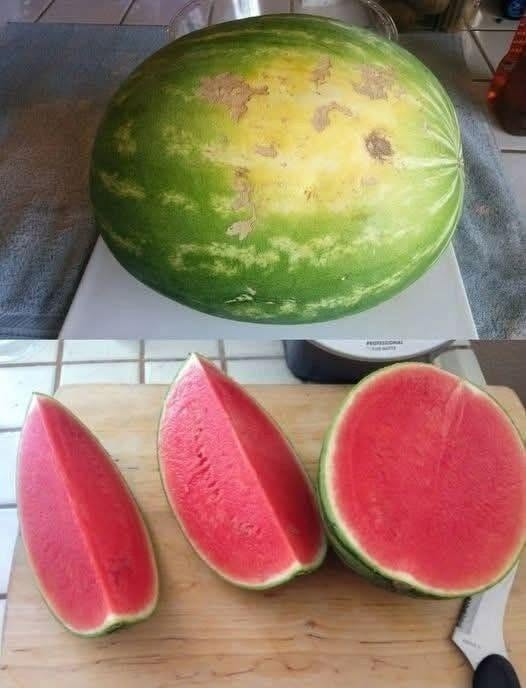
Watermelon
Three important tests:
The Field Spot
Look for a creamy yellow patch on the underside.
A deep yellow field spot generally indicates ripeness.
The Weight Test
Choose a melon that feels heavy for its size.
The Sound Test
Tap the melon.
A ripe watermelon often produces a deep, hollow sound.
Cantaloupe and Honeydew
Look for:
- Sweet fragrance
- Slight softness at the stem end
- Golden coloration
Avoid cracked or bruised melons.
How to Ripen Fruit at Home
Many fruits continue ripening after purchase.
Leave at Room Temperature
These fruits ripen best on the counter:
- Avocados
- Bananas
- Mangoes
- Peaches
- Pears
- Plums
- Kiwis
Speed Up Ripening
Place fruit in a paper bag with:
- An apple
- A banana
These fruits release ethylene gas, which speeds ripening naturally.
Refrigerate Once Ripe
After reaching peak ripeness, refrigerate:
- Berries
- Grapes
- Cherries
- Citrus
- Ripe avocados
This helps extend freshness.
Organic vs. Conventional Fruit
Whether to buy organic is a personal decision.
Some shoppers prioritize organic versions of fruits that tend to carry higher pesticide residues, including:
- Strawberries
- Grapes
- Apples
- Peaches
- Nectarines
- Blueberries
Meanwhile, fruits such as:
- Avocados
- Pineapples
- Mangoes
- Kiwis
- Melons
often have lower residue levels due to their protective outer skins.
Common Fruit-Picking Mistakes
Avoid these common errors:
Buying Everything Fully Ripe
Instead, buy a mix:
- Some ready today
- Some ready later in the week
Washing Fruit Immediately
Excess moisture encourages mold.
Wash fruit just before eating.
Ignoring Aroma
A fruit’s smell often predicts its flavor better than appearance.
Focusing Only on Appearance
The prettiest fruit isn’t always the best fruit.
Weight, firmness, and aroma matter just as much.
Final Thoughts
Choosing great fruit doesn’t require expert knowledge. With a little practice, you can quickly learn how to judge ripeness, freshness, and quality using your eyes, hands, and nose.
The next time you’re in the produce section, remember:
- Look carefully
- Feel gently
- Smell the fruit
- Buy seasonally
- Avoid visible damage
These simple habits can dramatically improve the quality of the fruit you bring home and help you enjoy sweeter, fresher produce every day.
More Home Remedies
- Wrinkled Fingers After Water Exposure: What Your Skin May Be Telling You
- Skin Rash With Breathing Trouble? It Could Be a Life-Threatening Allergic Reaction
- I Thought It Was a Piece of Trash on the Bathroom Floor—Until It Moved
- If You Are Getting White Pimples on Your Lips or Intimate Area, Here’s What They Could Mean