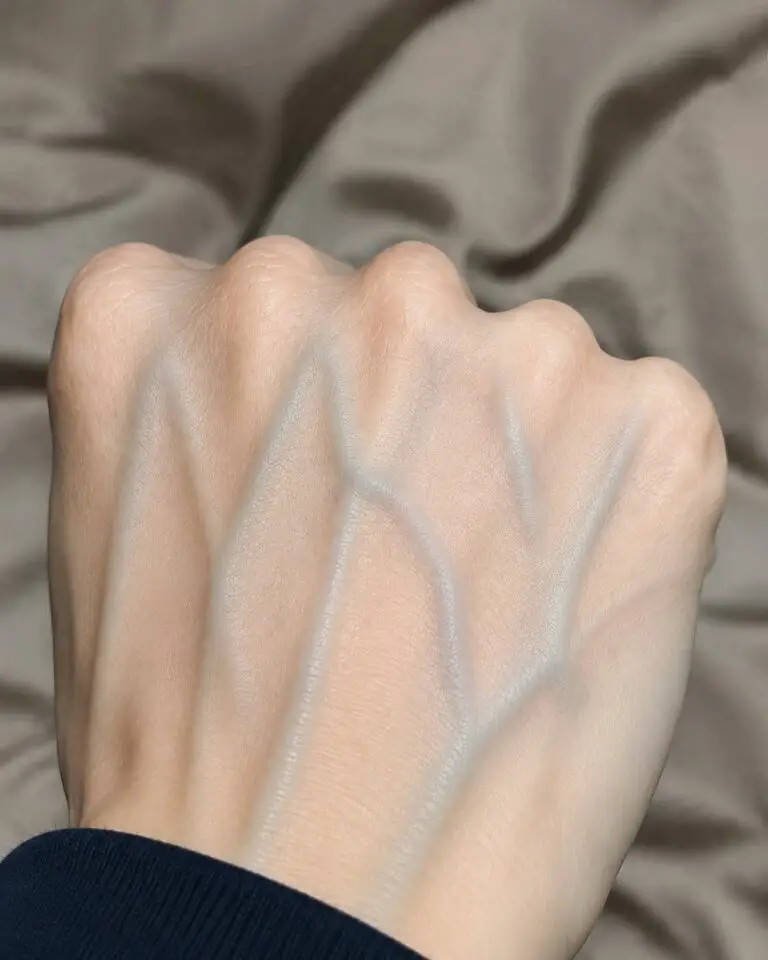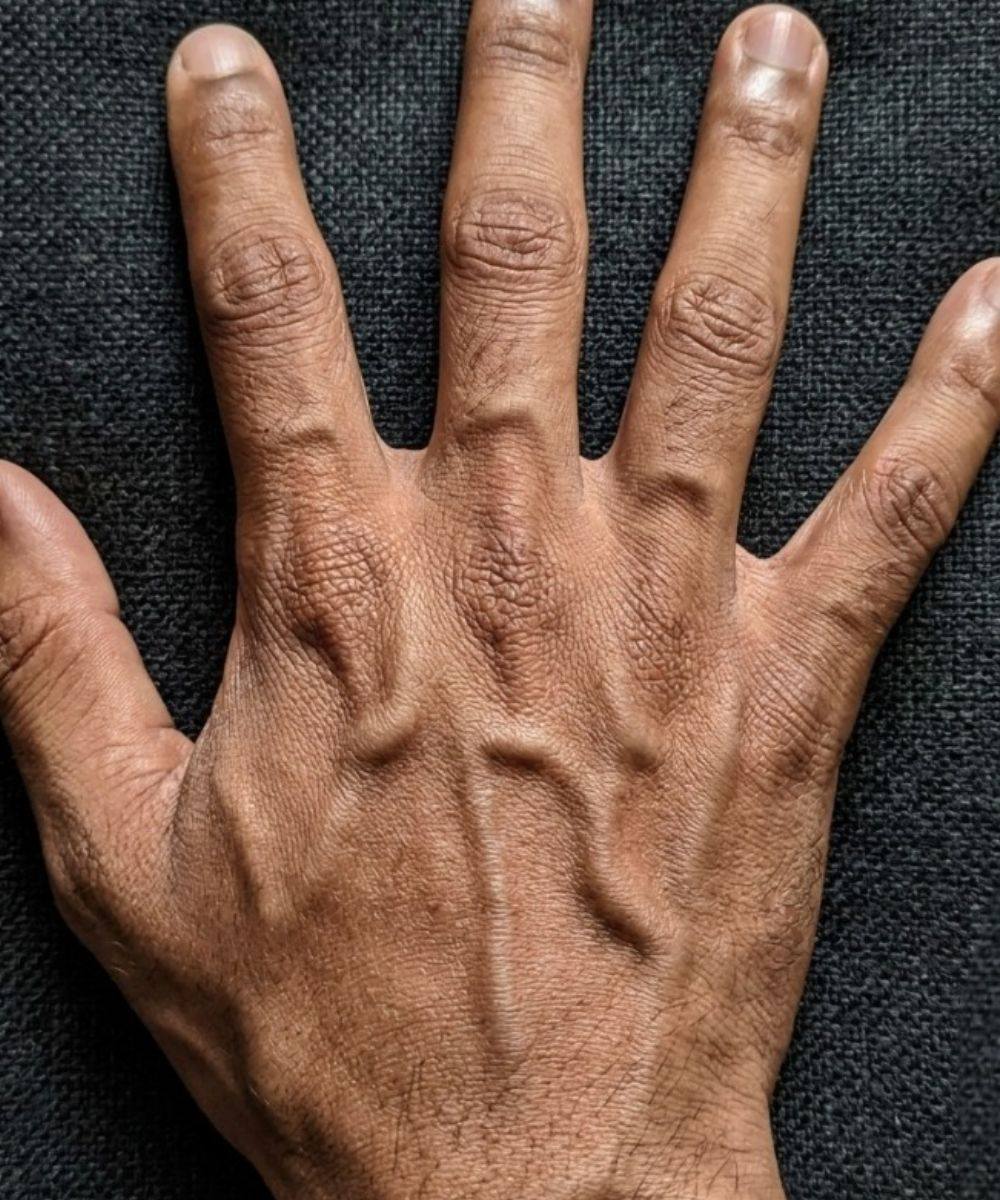
Visible hand veins can catch people off guard, especially when they suddenly become more noticeable with age, exercise, or weight changes. However, in most cases, prominent hand veins are completely normal and harmless. Many healthy adults naturally have visible veins due to genetics, body composition, or simple changes in skin thickness over time.
Although some people worry that visible veins point to poor circulation or a hidden health condition, that is rarely the case. Most of the time, hand veins simply reflect how close veins are to the skin’s surface. Understanding why this happens can help reduce unnecessary concern and explain when medical attention may actually be needed.
A few years ago, a woman noticed the veins on her hands becoming more visible after she started exercising regularly and spending more time outdoors. At first, she worried something might be wrong because the veins seemed darker and more noticeable than before. However, after speaking with her doctor, she learned that lower body fat, improved circulation during exercise, and natural aging had simply made the veins easier to see. Once she understood that visible veins were common and usually harmless, she stopped worrying and focused instead on maintaining healthy habits and caring for her skin.
Why Hand Veins Become More Visible
Aging Naturally Changes the Skin
One of the most common reasons hand veins become more visible is aging. As people grow older, the skin naturally becomes thinner. In addition, the layer of fat beneath the skin gradually decreases. Because of these changes, veins become easier to see through the skin’s surface.
This process happens slowly over many years. While some people notice it in their forties or fifties, others may develop visible veins much earlier. Genetics also influence how quickly skin changes occur.
In many older adults, visible veins on the hands are simply part of normal anatomy. They often appear more pronounced because the skin no longer hides them as effectively as it once did. Although the appearance may change, the veins themselves usually continue functioning normally.
At the same time, collagen production declines with age. Since collagen helps keep skin firm and thick, lower collagen levels can make veins stand out even more. This explains why hand veins often appear alongside wrinkles or thinner skin texture.
Low Body Fat and Muscle Definition
People with lower body fat often have more visible veins throughout the body, especially on the hands, arms, and feet. Since there is less fat covering the veins, they naturally appear closer to the skin.
Athletes and physically active individuals commonly experience this. Weight training, running, cycling, and other forms of exercise can increase blood flow while reducing body fat, which makes veins easier to notice.
Muscle definition also contributes to the appearance of prominent veins. As muscles grow and become more toned, they can push veins slightly closer to the surface of the skin. Consequently, veins may look larger or darker after regular exercise.
In most healthy people, this change is completely harmless. In fact, many fitness enthusiasts consider visible veins a sign of low body fat and strong circulation rather than a medical issue.
However, hydration levels can also temporarily affect vein visibility. During intense exercise or hot weather, veins expand slightly to help regulate body temperature. As a result, they often appear more noticeable for several hours.
The Role of Genetics and Environment
Genetics Influence Vein Visibility
Some people naturally inherit thinner skin or veins that sit closer to the skin’s surface. Therefore, visible hand veins often run in families. If parents or grandparents had prominent veins, younger relatives may develop the same trait over time.
Skin tone can also influence how visible veins appear. In some individuals, veins contrast more strongly against the skin, making them easier to notice even when they are completely normal.
Additionally, vein size and positioning vary naturally from person to person. Some people simply have larger surface veins that become noticeable earlier in life.
Although genetics strongly affect appearance, they do not necessarily indicate poor health. In fact, many people with visible veins have perfectly healthy circulation and cardiovascular function.
Because genetics play such a large role, comparing vein appearance between individuals often creates unnecessary concern. What looks unusual for one person may be completely normal for another.
Heat, Exercise, and Daily Activities
Environmental factors also affect how visible hand veins appear. Heat is one of the most common causes of temporarily enlarged veins. When temperatures rise, blood vessels expand slightly to help release body heat. Consequently, veins often appear fuller and more noticeable.
Exercise produces a similar effect. During physical activity, muscles require more oxygen-rich blood. Therefore, veins expand to support increased circulation. This temporary change explains why veins become more visible during workouts.
Even everyday activities can affect vein appearance. Carrying heavy objects, gardening, manual labor, or prolonged hand use may temporarily increase blood flow and vein visibility.
Hydration also matters. When the body loses water through sweating or heat exposure, veins may appear more prominent due to changes in fluid balance.
Fortunately, these changes are usually temporary. Once body temperature and circulation return to normal, veins often become less noticeable again.
When Visible Veins Might Need Medical Attention
Symptoms That Should Not Be Ignored
Although visible veins are usually harmless, certain symptoms may suggest an underlying problem. Pain, swelling, redness, or sudden changes in vein appearance should not be ignored.
For example, veins that become hard, tender, or warm to the touch may indicate inflammation. Likewise, sudden swelling in one hand or arm could point to circulation problems that require medical evaluation.
Bulging or twisted veins may sometimes relate to varicose veins. While varicose veins are more common in the legs, they can occasionally appear in the hands or arms as well.
In addition, skin discoloration around veins deserves attention. Blue, purple, or unusually pale skin may signal circulation issues rather than simple visibility.
Numbness, tingling, or weakness also warrant medical advice, especially if symptoms develop suddenly or worsen over time.
Most importantly, rapid changes should always be evaluated. If veins suddenly become much larger or more painful, a healthcare professional can help determine whether further testing is needed.
What Poor Circulation Usually Looks Like
Many people assume visible veins automatically mean poor circulation, but that is not typically true. Poor circulation usually causes very different symptoms.
Common signs include:
- Cold hands or feet
- Persistent numbness
- Tingling sensations
- Slow wound healing
- Skin color changes
- Fatigue during activity
In contrast, visible veins alone rarely indicate circulation problems. In fact, healthy veins often become more noticeable precisely because blood is flowing normally.
Circulation problems generally involve reduced blood flow rather than enlarged surface veins. Therefore, doctors usually look for additional symptoms before diagnosing a vascular condition.
Understanding this difference helps reduce unnecessary fear. While vein appearance may change over time, it often reflects normal aging and body composition rather than illness.
Still, people with diabetes, heart disease, or known vascular conditions should monitor changes carefully and discuss concerns with their healthcare provider.
Ways to Care for Your Hands and Veins
Lifestyle Habits That Support Healthy Veins
Although prominent veins usually do not require treatment, healthy lifestyle habits can support overall vein health and improve skin appearance.
Staying hydrated helps maintain healthy circulation and skin elasticity. Drinking enough water also supports proper blood flow throughout the body.
Regular physical activity benefits circulation as well. Walking, stretching, and moderate exercise help blood move efficiently while supporting cardiovascular health.
Protecting hands from excessive sun exposure may also reduce visible aging. Since ultraviolet rays break down collagen, sun protection can help maintain thicker, healthier-looking skin.
Moisturizing regularly keeps skin softer and more flexible. Although moisturizer cannot remove veins, it can improve overall skin texture and reduce dryness that may make veins stand out more.
Maintaining a balanced diet rich in vitamins, healthy fats, and antioxidants also supports skin and blood vessel health over time.
Cosmetic Options for Visible Veins
Some people feel self-conscious about prominent hand veins and choose cosmetic treatments to reduce their appearance. Fortunately, several options exist for those who want them.
Dermal fillers can restore volume beneath the skin, making veins less visible temporarily. Laser treatments may also reduce the appearance of certain surface veins.
In some cases, sclerotherapy is used to shrink specific veins by injecting a special solution into them. However, these procedures are generally cosmetic rather than medically necessary.
Because veins play an important role in circulation, cosmetic treatments should always be discussed with qualified medical professionals.
For many people, reassurance is enough. Once they understand that visible veins are common and harmless, they feel less concerned about appearance changes.
Ultimately, prominent hand veins are often simply a normal part of aging, genetics, and body composition rather than a sign of illness.
Frequently Asked Questions
Are visible hand veins dangerous?
Usually not. In most healthy people, visible hand veins are completely normal and harmless.
Why did my hand veins suddenly become more noticeable?
Exercise, heat, weight loss, aging, and hydration changes can all temporarily or permanently increase vein visibility.
Do visible veins mean poor circulation?
Not usually. Poor circulation more commonly causes cold extremities, numbness, discoloration, or slow healing.
Can dehydration make veins more visible?
Yes. Fluid loss can temporarily change vein appearance and make veins stand out more.
Should I see a doctor about visible veins?
You should seek medical advice if veins are painful, swollen, red, hard, or changing suddenly.
Conclusion
Prominent hand veins are usually a harmless physical trait influenced by aging, genetics, body composition, and daily activity. Although they may look unusual or become more noticeable over time, visible veins alone rarely indicate poor health or circulation problems.
In most cases, these veins simply reflect normal anatomy and healthy blood flow beneath thinner skin. However, symptoms such as pain, swelling, redness, or sudden changes should still be evaluated by a healthcare professional.
Understanding why hand veins become visible can help reduce unnecessary worry and encourage a more balanced view of normal body changes. Sometimes what appears unusual is simply the body functioning exactly as it should.
More Home Remedies
- Wrinkled Fingers After Water Exposure: What Your Skin May Be Telling You
- Skin Rash With Breathing Trouble? It Could Be a Life-Threatening Allergic Reaction
- I Thought It Was a Piece of Trash on the Bathroom Floor—Until It Moved
- If You Are Getting White Pimples on Your Lips or Intimate Area, Here’s What They Could Mean