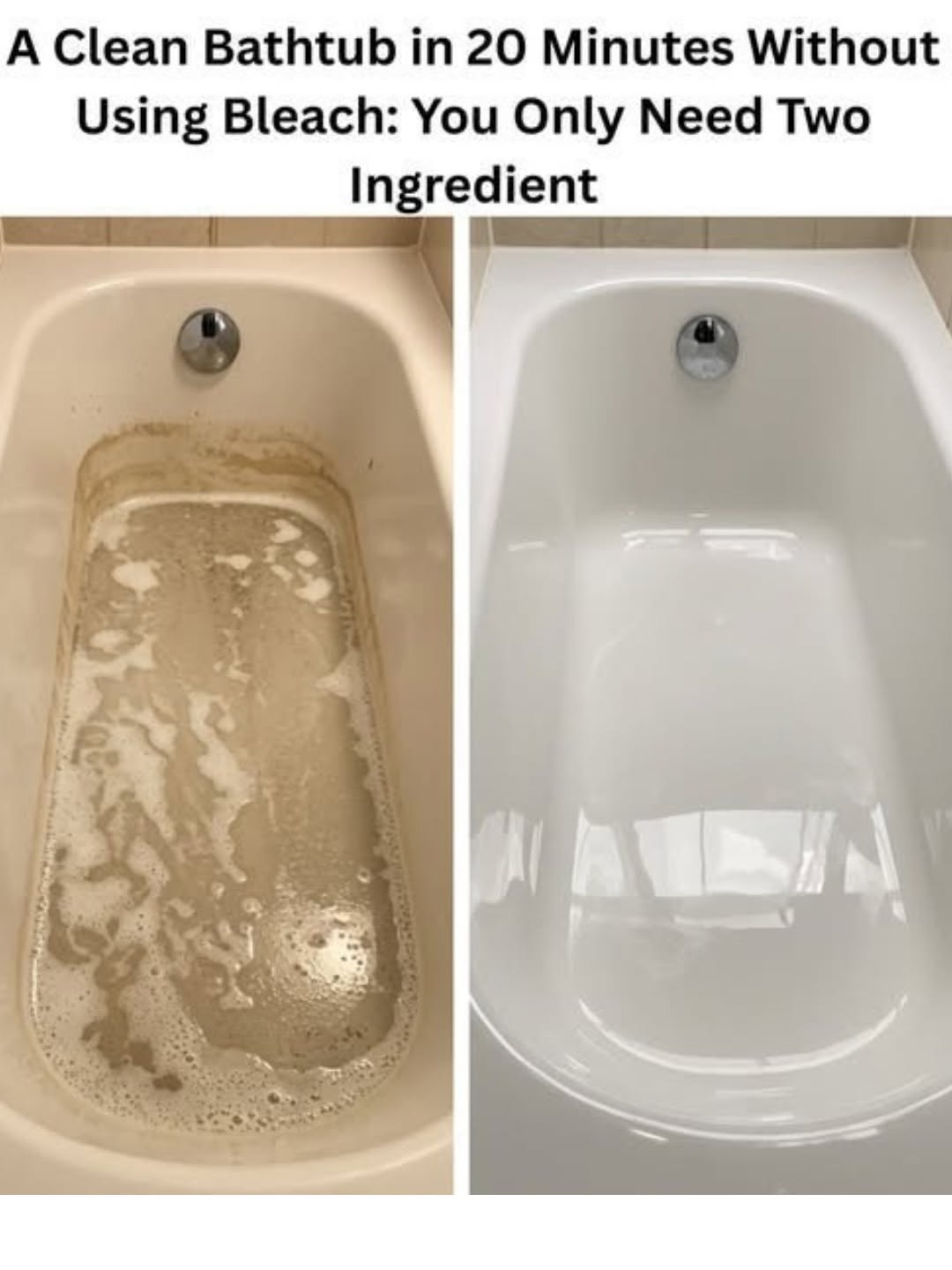
How To Effectively Clean The Tub And Shower becomes much easier when you stop treating every stain the same way. Soap scum, body oils, hard-water deposits, and mildew all need slightly different approaches, so using the right cleaner in the right place can save a surprising amount of effort.
A simple routine usually works better than aggressive scrubbing. Warm water loosens residue, dish soap cuts through body oils, and a non-scratch sponge lifts softened buildup without damaging most common shower surfaces. Meanwhile, a squeegee helps prevent new water spots from forming after each shower.
You do not need a cabinet full of cleaners either. In many bathrooms, warm water, dish soap, baking soda, and a surface-compatible cleaner can handle most routine buildup.
However, household cleaning products require careful handling. Never mix bleach with vinegar, ammonia, alcohol, hydrogen peroxide, or other cleaners. Also, avoid combining vinegar and hydrogen peroxide in the same container. More ingredients do not automatically create a better cleaner.
I changed the way I cleaned my bathroom after spending one Saturday scrubbing the same cloudy shower wall again and again with almost no improvement. I had been attacking every mark with the same sponge and cleaner. Eventually, I started separating the job into stages. First, I rinsed the shower with warm water. Then, I gave the soap mixture several minutes to soften the residue before wiping. I treated stubborn mineral spots separately and finished by drying the glass with a squeegee. The difference surprised me. Cleaning became faster, and I stopped exhausting myself with constant scrubbing. Since then, preparation and patience have done most of the hard work.
How To Effectively Clean The Tub And Shower With Less Scrubbing
How To Effectively Clean The Tub And Shower starts with giving the cleaner enough time to work. Many people spray a surface and immediately begin scrubbing. However, that approach forces your arm to do work that moisture and cleaner can accomplish for you.
Instead, remove bottles, toys, mats, and other items first. Then, rinse the tub and shower with warm water. This first rinse softens loose residue and clears away hair and debris.
Afterward, apply an appropriate cleaner and allow several minutes of contact time before wiping.
Start With Warm Water and Dish Soap
Dish soap works well for routine shower cleaning because it cuts through body oils and oily residue from shampoos, conditioners, and soaps.
For a basic cleaning solution, add about 1 tablespoon of mild dish soap to 2 cups of warm water in a spray bottle.
Gently swirl the bottle rather than shaking aggressively, since excessive shaking creates a bottle full of foam.
Spray the mixture onto compatible tub and shower surfaces. Then, let it sit for about five minutes.
This waiting period matters because the solution begins loosening residue before you touch the sponge.
Next, wipe the surface with a microfiber cloth or non-scratch sponge.
Work from the top of the shower downward. As a result, dirty liquid runs onto areas you have not cleaned yet rather than dripping over finished sections.
For the tub floor, pay special attention to corners and the area around the drain.
How To Effectively Clean The Tub And Shower becomes much simpler when you rinse after wiping. Use clean warm water to remove soap residue, then dry glass and fixtures with a microfiber cloth or squeegee.
Always check your tub or shower manufacturer’s care instructions, especially for acrylic, fiberglass, natural stone, coated glass, or specialty finishes.
Let Baking Soda Handle Stubborn Film
Baking soda can provide gentle abrasion for certain durable surfaces when soap alone does not remove stubborn residue.
Create a simple paste by mixing about 1/2 cup of baking soda with just enough water to make a spreadable consistency.
Apply a small amount to the problem area.
Then, gently rub with a damp non-scratch sponge.
Avoid aggressive pressure. The goal is to lift residue rather than grind the cleaner into the surface.
Afterward, rinse thoroughly with clean water.
Baking soda can help with some soap film around tubs, tile, and grout. However, always test a hidden area first because bathroom materials vary.
Do not automatically use abrasive cleaners on acrylic tubs, polished stone, coated fixtures, or specialty finishes. Even relatively mild abrasives can dull some surfaces over time.
How To Effectively Clean The Tub And Shower requires matching the cleaning method to the material.
If you have marble, limestone, travertine, or another natural stone surface, avoid acidic cleaners such as vinegar and lemon juice because acids can etch the stone.
Instead, choose a stone-safe cleaner specifically labeled for the material.
How To Effectively Clean The Tub And Shower When Hard Water Builds Up
How To Effectively Clean The Tub And Shower becomes more challenging when mineral deposits create cloudy glass, chalky faucets, or white crust around fixtures.
Hard-water residue develops when water evaporates and leaves minerals behind.
The easiest strategy involves dissolving the deposits with a compatible cleaner rather than trying to scrape them away.
Treat Mineral Deposits Carefully
White vinegar can help dissolve mineral buildup on some acid-resistant surfaces, including certain glass and ceramic areas.
However, you should never assume that vinegar is safe for every bathroom material.
Never use vinegar on marble, limestone, travertine, or other acid-sensitive natural stone.
For compatible glass, you can dampen a cloth with diluted white vinegar and place it against a mineral spot for several minutes.
Then, wipe gently and rinse thoroughly.
Avoid spraying acidic cleaner onto metal finishes unless the manufacturer specifically allows it. Some finishes can discolor, dull, or degrade with repeated acid exposure.
How To Effectively Clean The Tub And Shower safely matters more than getting fast results.
Never mix vinegar with chlorine bleach. That combination can release dangerous chlorine gas.
Also, do not combine vinegar and hydrogen peroxide in the same bottle. Their combination can form irritating peracetic acid.
If you use one cleaner, rinse the surface thoroughly and allow the area to ventilate before using a different product later.
When you want a simpler option, choose a commercially prepared hard-water cleaner labeled safe for your exact surface.
Prevent Water Spots With a Squeegee
Prevention saves more effort than deep cleaning.
After each shower, run a squeegee over the glass walls and doors.
Start at the top and pull downward in overlapping strokes.
Then, wipe the bottom edge with a microfiber cloth.
This quick habit removes much of the water before it evaporates and leaves minerals behind.
You can also wipe faucets and chrome fixtures after showering.
How To Effectively Clean The Tub And Shower becomes dramatically easier when deposits never get a chance to accumulate.
Ventilation also helps.
Run the bathroom exhaust fan during the shower and for a period afterward. If weather and bathroom design allow, opening a window can also increase airflow.
Less lingering moisture means fewer water spots and less opportunity for mildew growth.
You can also keep a dedicated shower squeegee hanging inside the bathroom so the habit requires almost no effort.
A thirty-second wipe after each shower can save considerable cleaning time later.
How To Effectively Clean The Tub And Shower When Mildew Appears
How To Effectively Clean The Tub And Shower requires extra care when dark spots appear around grout, caulk, corners, or ceiling edges.
Mildew and mold thrive in moist environments, so cleaning the visible growth without fixing persistent moisture often leads to quick regrowth.
Therefore, combine surface cleaning with better ventilation and drying.
Clean Small Surface Spots Safely
For small areas of surface mildew, start by improving ventilation.
Wear gloves and follow the instructions on the cleaner you choose.
A bathroom cleaner labeled for mildew and approved for your surface usually provides the simplest option.
Apply it according to the label and allow the specified contact time.
Then, wipe or gently scrub the area before rinsing if the label requires it.
How To Effectively Clean The Tub And Shower does not require mixing several chemicals.
In fact, mixing cleaners can create dangerous fumes.
Never mix chlorine bleach with vinegar, ammonia, alcohol, hydrogen peroxide, toilet bowl cleaner, or any other household cleaning product.
If you use bleach-based cleaner, follow the label exactly and ventilate the bathroom well.
Hydrogen peroxide products can also appear in some bathroom cleaning routines, but they should remain separate from vinegar and other cleaners.
If mold growth covers a large area, repeatedly returns, or appears connected to a leak, damaged wall, or persistent moisture problem, cleaning the visible surface alone may not solve the issue.
In that situation, identify the moisture source and consider professional assessment.
Pay Attention to Grout and Caulk
Grout and caulk often hold onto discoloration because they sit in damp joints where water collects.
Start with mild cleaner and a soft brush.
Apply the cleaner, let it work for several minutes, and then brush gently.
Avoid metal brushes because they can damage grout and scratch nearby surfaces.
If old caulk remains permanently stained, cracked, loose, or moldy beneath the surface, replacement may make more sense than endless scrubbing.
Removing deteriorated caulk and applying fresh bathroom-rated caulk can improve both appearance and moisture resistance.
How To Effectively Clean The Tub And Shower sometimes involves maintenance rather than stronger chemicals.
Inspect joints around the tub, shower tray, fixtures, and wall intersections.
If water can seep behind the finish because sealant has failed, cleaning alone will not correct the problem.
After cleaning grout and caulk, dry the area well.
Then, continue running the exhaust fan regularly.
Dry surfaces make the bathroom less hospitable to future mildew.
How To Effectively Clean The Tub And Shower Faster Every Week
How To Effectively Clean The Tub And Shower should not require a full deep clean every weekend.
A short maintenance routine can keep grime from reaching the stage where heavy scrubbing becomes necessary.
The key involves cleaning small amounts frequently instead of waiting for thick layers of residue.
Follow a Simple Weekly Routine
Once a week, remove bottles and accessories from the tub or shower.
Rinse the walls and floor with warm water.
Then, spray your mild dish-soap solution across compatible surfaces.
Let it sit for several minutes.
Wipe the walls, shelves, fixtures, and tub with a microfiber cloth or non-scratch sponge.
Use a soft brush around grout lines and the drain if necessary.
Next, rinse everything thoroughly.
Finally, squeegee glass and dry metal fixtures.
This routine can often handle routine residue before it becomes stubborn.
How To Effectively Clean The Tub And Shower also becomes easier when you wash shower curtains and liners according to their care instructions.
Fabric curtains can hold moisture and odors, while plastic liners may collect soap film near the bottom.
Also, rinse shampoo bottles and soap dishes occasionally because residue from these items can spread onto freshly cleaned shelves.
A small weekly effort prevents a much larger monthly job.
Use the Right Tool for Each Surface
A microfiber cloth works well on fixtures, smooth tile, and glass.
A non-scratch sponge helps with tub surfaces and soap residue.
A small soft-bristled brush reaches grout lines, corners, and textured areas.
Meanwhile, a squeegee removes water from glass more effectively than repeatedly wiping it with towels.
How To Effectively Clean The Tub And Shower does not require expensive powered scrubbers for most routine jobs.
However, a long-handled non-scratch bathroom brush can reduce bending when cleaning a tub or shower floor.
Always choose tools according to the surface.
Avoid steel wool and aggressive scouring pads on finished tubs, coated glass, acrylic, or polished fixtures.
Likewise, do not scrape mineral buildup with razor blades unless the surface manufacturer specifically permits that method.
Keeping surfaces intact actually makes future cleaning easier because scratches and damaged finishes can trap residue.
Frequently Asked Questions
What is the easiest way to clean a tub and shower without heavy scrubbing?
Start by rinsing with warm water, then apply a mild cleaner and give it several minutes to loosen residue. Wipe with a microfiber cloth or non-scratch sponge, rinse thoroughly, and dry the surface. Allowing contact time usually reduces the amount of physical scrubbing required.
Can I mix vinegar and dish soap to clean the shower?
Some home cleaning routines combine them, but dish soap and warm water alone often handle routine body oils and soap residue. If you use vinegar for mineral deposits, first confirm that the surface tolerates acids. Never use vinegar on acid-sensitive stone or mix it with bleach.
Can I mix vinegar and hydrogen peroxide?
Do not mix vinegar and hydrogen peroxide in the same bottle or container. The combination can form peracetic acid, which can irritate the eyes, skin, and respiratory system. Use properly labeled cleaning products according to their directions instead.
How can I keep shower glass clear longer?
Use a squeegee after every shower. Removing water before it dries reduces mineral spots and soap residue. In addition, clean the glass weekly with a compatible cleaner and keep the bathroom well ventilated.
How often should I deep clean the shower?
The ideal schedule depends on how many people use the bathroom, water hardness, and ventilation. However, a light weekly clean combined with daily squeegeeing can reduce the need for aggressive deep cleaning. Address mildew, leaks, and heavy mineral buildup as soon as you notice them.
Conclusion
How To Effectively Clean The Tub And Shower comes down to using the right approach rather than using more force.
Warm water and mild dish soap can handle a large amount of routine grime. Meanwhile, baking soda can provide gentle abrasion on compatible surfaces, and carefully selected mineral-deposit cleaners can handle stubborn hard-water marks.
The biggest time-saving trick involves patience. Apply cleaner, give it time to loosen the residue, and then wipe. That approach lets chemistry and moisture do much of the work your arms would otherwise have to do.
Prevention matters just as much. A quick squeegee after every shower removes water before minerals settle onto glass. Good ventilation helps surfaces dry faster and discourages mildew.
Most importantly, keep cleaning products simple and separate. Never mix bleach with vinegar, ammonia, alcohol, hydrogen peroxide, or other cleaners. Likewise, avoid combining vinegar and hydrogen peroxide.
Check manufacturer instructions before using acids, abrasives, or strong cleaners on specialty materials.
With a mild weekly routine, quick drying after showers, and occasional targeted treatment for mineral buildup, you can keep the bathroom looking fresh without turning cleaning day into an exhausting scrubbing session.
WP Recipe Maker JSON Import
{
  "title": "How To Effectively Clean The Tub And Shower",
  "summary": "A simple low-scrub tub and shower cleaning method using warm water, mild dish soap, and surface-safe tools.",
  "notes": "This is a household cleaning method, not a food recipe. Never mix chlorine bleach with vinegar, ammonia, alcohol, hydrogen peroxide, or other cleaners. Do not combine vinegar and hydrogen peroxide in the same container. Always check manufacturer instructions before using any cleaner on acrylic, fiberglass, natural stone, coated glass, or specialty finishes.",
  "ingredients_flat": [
    {
      "amount": "2",
      "unit": "cups",
      "name": "warm water"
    },
    {
      "amount": "1",
      "unit": "tbsp",
      "name": "mild dish soap"
    },
    {
      "amount": "1/2",
      "unit": "cup",
      "name": "baking soda, optional for stubborn compatible surfaces"
    }
  ],
  "instructions_flat": [
    {
      "name": "Step 1",
      "text": "Remove bottles, mats, and loose items from the tub or shower and rinse surfaces with warm water.",
      "summary": "",
      "image_url": ""
    },
    {
      "name": "Step 2",
      "text": "Combine the warm water and mild dish soap in a spray bottle and gently swirl to mix.",
      "summary": "",
      "image_url": ""
    },
    {
      "name": "Step 3",
      "text": "Spray the solution onto compatible surfaces and allow it to sit for about 5 minutes.",
      "summary": "",
      "image_url": ""
    },
    {
      "name": "Step 4",
      "text": "Wipe from top to bottom with a microfiber cloth or non-scratch sponge.",
      "summary": "",
      "image_url": ""
    },
    {
      "name": "Step 5",
      "text": "For stubborn residue on compatible surfaces, make a paste with baking soda and a small amount of water, then rub gently with a non-scratch sponge.",
      "summary": "",
      "image_url": ""
    },
    {
      "name": "Step 6",
      "text": "Rinse all cleaned surfaces thoroughly with clean water.",
      "summary": "",
      "image_url": ""
    },
    {
      "name": "Step 7",
      "text": "Use a squeegee on glass and wipe fixtures dry with a microfiber cloth.",
      "summary": "",
      "image_url": ""
    },
    {
      "name": "Step 8",
      "text": "Run the exhaust fan or otherwise ventilate the bathroom so surfaces dry more quickly.",
      "summary": "",
      "image_url": ""
    }
  ],
  "equipment": [
    {
      "name": "Spray bottle",
      "notes": ""
    },
    {
      "name": "Microfiber cloth",
      "notes": ""
    },
    {
      "name": "Non-scratch sponge",
      "notes": ""
    },
    {
      "name": "Soft-bristled cleaning brush",
      "notes": ""
    },
    {
      "name": "Squeegee",
      "notes": ""
    },
    {
      "name": "Cleaning gloves",
      "notes": ""
    }
  ],
  "nutrition": {
    "calories": "0",
    "carbohydrates": "0 g",
    "protein": "0 g",
    "fat": "0 g",
    "saturated_fat": "0 g",
    "polyunsaturated_fat": "0 g",
    "monounsaturated_fat": "0 g",
    "trans_fat": "0 g",
    "cholesterol": "0 mg",
    "sodium": "0 mg",
    "potassium": "0 mg",
    "fiber": "0 g",
    "sugar": "0 g",
    "vitamin_a": "0 IU",
    "vitamin_c": "0 mg",
    "calcium": "0 mg",
    "iron": "0 mg"
  },
  "tags": {
    "course": [
      "Home Care"
    ],
    "cuisine": [
      "Household"
    ],
    "keyword": [
      "How To Effectively Clean The Tub And Shower",
      "clean tub and shower",
      "shower cleaning method",
      "low scrub bathroom cleaning",
      "remove soap scum"
    ]
  }
}
SEO Output
Focus Keyword
How To Effectively Clean The Tub And Shower
SEO Title
How To Effectively Clean The Tub And Shower With Less Scrubbing
Meta Description
How To Effectively Clean The Tub And Shower with a simple low-scrub routine for soap scum, hard-water spots, grout, and glass.
Expert SEO Title
How To Effectively Clean The Tub And Shower: 7 Powerful Tricks
Midjourney Prompt
Realistic lifestyle photography of a sparkling clean modern bathtub and glass shower after a deep clean, bright white tile, spotless chrome fixtures, clear shower glass, microfiber cloth, non-scratch sponge, spray bottle, soft cleaning brush and squeegee neatly arranged nearby, subtle bowl of baking soda and mild dish soap bottle, fresh airy bathroom, soft natural window light, no people, hygienic uncluttered styling, realistic water droplets, vertical composition, generous negative space at the top for text overlay, polished Pinterest home-cleaning photography –v 6 –ar 2:3
More Blog
- Drinking Water on an Empty Stomach — What Science Actually Supports (No Hype, Just Facts)
- Waking Up Between 3 and 5 AM? It Might Be Your Soul Trying to Talk to You
- What a “Bleach” Patch on Your Underwear Really Means — And Why It’s Actually a Good Sign
- This Drink May Weaken Your Bones From The Inside — But Everyone Drinks It Anyway