Buying meat at the supermarket shouldn’t require guesswork. Yet color changes, confusing package dates, liquid in the tray, and viral claims about “bad meat” can make a simple grocery trip surprisingly confusing.
The truth is that appearance alone can’t tell you whether raw meat is safe. Color, for example, naturally changes depending on oxygen exposure, packaging, storage, and the type of meat.
Instead of relying on one visual trick, use several clues together—and handle the meat safely once you bring it home.
Here are eight things worth checking before putting a package in your cart.
1. Don’t Judge Beef by Bright-Red Color Alone
Many shoppers assume fresh beef must always be bright cherry red.
It’s not that simple.
The pigment responsible for much of beef’s color is called myoglobin. Its appearance changes depending on its exposure to oxygen.
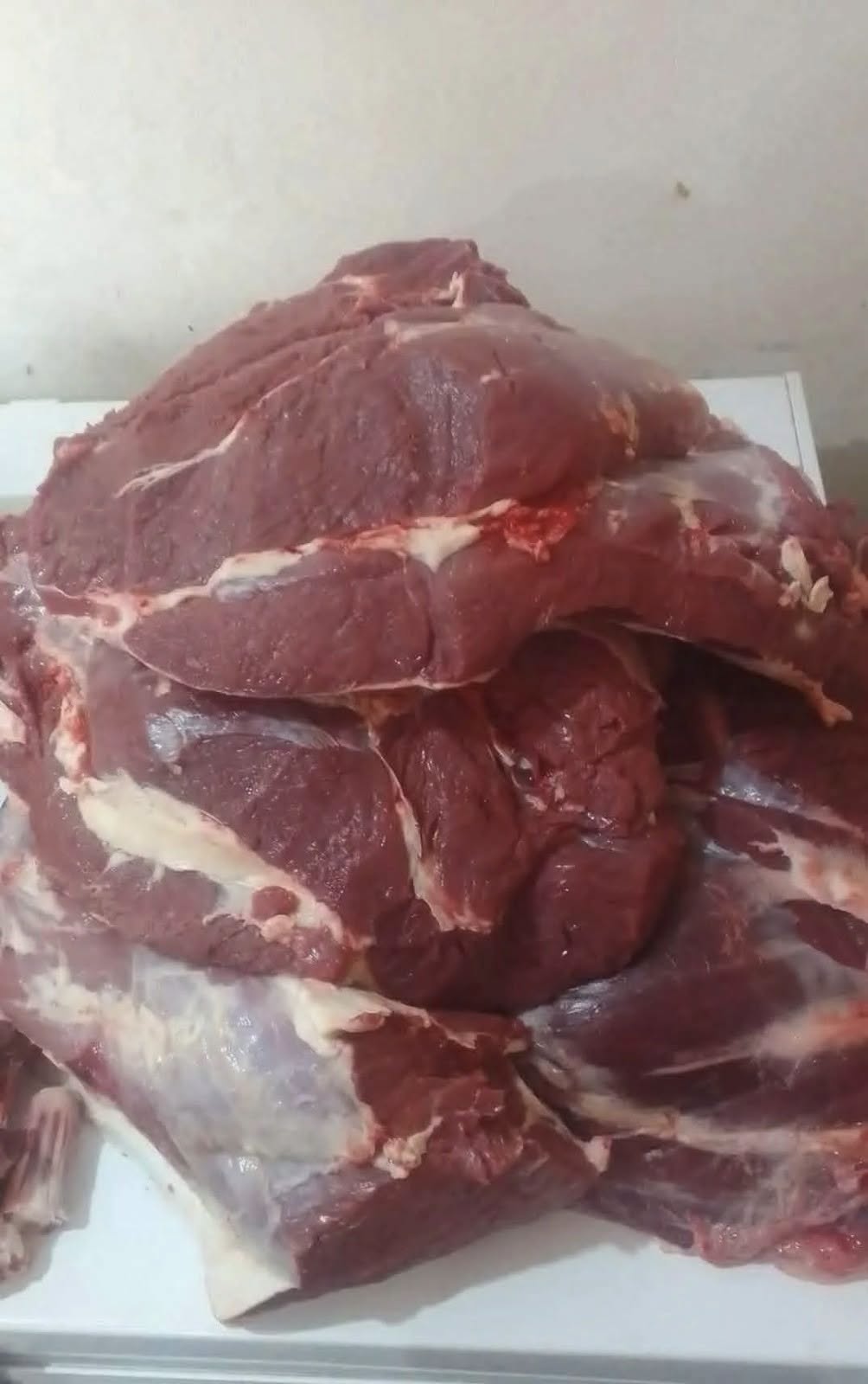
Freshly cut beef exposed to oxygen can develop the familiar bright-red color many shoppers expect. Vacuum-packaged beef, however, may appear darker or purplish because very little oxygen is present.
That darker color doesn’t automatically mean the beef is spoiled.
Similarly, some browning can occur during storage without necessarily indicating spoilage.
The lesson: Color is useful information, but it shouldn’t be your only freshness test.
2. Examine the Package Carefully
Before looking closely at the meat itself, inspect what surrounds it.
Avoid packages that are:
- Torn or punctured
- Leaking
- Improperly sealed
- Unusually swollen
- Damaged around the edges
Raw meat juices can contain microorganisms that you don’t want spreading onto your hands, shopping cart, or other groceries.
A properly sealed, intact package is the better choice.
3. Pay Attention to Texture—But Don’t Open Meat in the Store
You obviously shouldn’t open supermarket packages to touch raw meat.
However, you can visually inspect the surface through transparent packaging.
Fresh meat naturally contains moisture, so seeing some liquid doesn’t automatically mean something is wrong.
But meat that appears unusually slimy or has other obvious signs of deterioration shouldn’t be purchased.
Once you’re home, if meat has developed an abnormal sticky or slimy texture along with an unpleasant odor or other signs of spoilage, discard it rather than trying to “save” it through cooking.
4. Understand What Package Dates Actually Mean
Date labels can be surprisingly confusing.
Depending on where you live, you may encounter terms such as:
Sell-by: Often helps retailers manage inventory.
Best if used by/before: Frequently relates primarily to quality.
Use-by: Its regulatory meaning can vary by country and product.
This is important because date-label terminology isn’t identical everywhere.
Don’t automatically assume every date printed on meat means exactly the same thing.
Follow the label’s storage instructions and your local food-safety guidance. When a product is labeled with a safety-related use-by date, don’t ignore it simply because the meat appears normal.
5. Don’t Use the “Smell Test” as Proof of Safety
Smell can sometimes reveal spoilage—but here’s the crucial distinction:
Food can contain harmful bacteria without smelling bad.
So a normal smell doesn’t prove raw meat is safe.
Conversely, if meat has a clearly unpleasant or abnormal odor, that’s certainly a reason not to eat it.
Think of smell as one warning sign, not a food-safety test.
6. Check the Refrigerator Case
Raw meat should be kept appropriately chilled.
When shopping, select packages from properly functioning refrigerated displays rather than products that feel as though they’ve been sitting somewhere warm.
Frozen meat should remain frozen.
If a package that’s supposed to be frozen appears significantly thawed or the display doesn’t seem appropriately cold, choose another product and consider notifying store staff.
Maintaining the cold chain helps slow bacterial growth between processing, retail, and your refrigerator.
7. Pick Up Meat Near the End of Your Shopping Trip
There’s an easy supermarket habit that can improve food safety:
Buy refrigerated and frozen foods toward the end of your trip.
That reduces the amount of time perishable food spends warming up in your cart.
After checkout, head home reasonably promptly and refrigerate or freeze meat according to appropriate food-safety recommendations.
If you’re traveling a significant distance—particularly in hot weather—an insulated cooler or bag can help keep perishables cold.
8. Keep Raw Meat Away From Ready-to-Eat Foods
Cross-contamination can occur before you’ve even reached your kitchen.
Place raw meat in a separate bag when appropriate, particularly if there’s any possibility that juices could leak.
Keep it away from foods that may be eaten without further cooking, such as:
- Bread
- Fresh fruit
- Salad ingredients
- Cooked foods
At home, store raw meat securely so juices can’t drip onto other foods in the refrigerator.
What Should Fresh Beef Look Like?
There isn’t one perfect shade.
Beef may appear:
- Bright red
- Dark red
- Purplish-red
- Brownish in certain areas
depending on oxygen exposure, packaging, storage conditions, and other factors.
A color change by itself isn’t enough to declare meat spoiled.
That’s why food-safety decisions should consider packaging, storage temperature, dates, odor, texture, and handling history together.
What About Pork?
Fresh raw pork is commonly pinkish or reddish, but color varies.
Again, don’t rely solely on whether the pork matches a specific shade you saw online.
Check that the package is intact, appropriately refrigerated, within applicable date guidance, and free from obvious signs of spoilage.
What About Chicken?
Raw chicken can vary in color from pale pink to somewhat yellowish depending on factors including diet and processing.
A slightly different shade doesn’t automatically indicate a problem.
More important warning signs include damaged packaging, inappropriate storage temperatures, or obvious spoilage.
And never wash raw chicken in the sink. Splashing water can spread microorganisms onto surrounding surfaces.
Don’t Assume “Organic” Automatically Means Safer
Labels such as organic, free-range, grass-fed, or locally raised may provide useful information about how an animal was raised or fed.
But they don’t eliminate the need for proper food handling.
Regardless of how meat was produced, raw animal products can carry microorganisms.
Keep them cold, prevent cross-contamination, and cook them appropriately.
A Food Thermometer Beats Guesswork
Color isn’t a reliable way to determine whether every type of meat has been cooked safely.
A food thermometer provides much better information.
Insert it into the appropriate thickest portion of the food while avoiding bone where relevant, and follow the recommended safe internal temperature for the particular meat you’re preparing.
Official recommendations vary somewhat by food and country, so consult your local food-safety authority when necessary.
What If Meat Is Discounted?
Discounted meat isn’t automatically unsafe.
Stores commonly reduce prices as products approach their labeled dates.
If you buy discounted meat, pay particular attention to the package date and storage instructions and decide when you’ll actually use it.
If appropriate, freezing it promptly can prevent you from leaving it forgotten in the refrigerator.
But don’t buy questionable meat simply because the price is attractive.
Five Red Flags Worth Remembering
You don’t need to become a butcher to shop confidently.
Think twice about buying meat when you notice:
1. Damaged or leaking packaging
2. Improper refrigeration
3. An applicable safety-related date has passed
4. Obvious abnormal slime or deterioration
5. Strong signs that the product hasn’t been stored or handled properly
Those clues are far more useful than viral claims that one particular color automatically means meat is “toxic.”
The Bottom Line
Choosing good supermarket meat is less about finding the brightest-looking package and more about proper storage, intact packaging, appropriate dates, and safe handling.
Color can provide clues, but it doesn’t tell the whole story. Dark vacuum-packed beef, for example, isn’t automatically spoiled, while meat that looks perfectly normal isn’t automatically free from harmful bacteria.
Choose meat from a reputable, properly refrigerated retailer, inspect the packaging, keep it cold on the way home, prevent cross-contamination, and cook it appropriately.
The best supermarket meat “hack” isn’t a secret visual test.
It’s knowing that food safety depends on the entire journey from the refrigerated case to your dinner plate.
More Blog
- Drinking Water on an Empty Stomach — What Science Actually Supports (No Hype, Just Facts)
- Waking Up Between 3 and 5 AM? It Might Be Your Soul Trying to Talk to You
- What a “Bleach” Patch on Your Underwear Really Means — And Why It’s Actually a Good Sign
- This Drink May Weaken Your Bones From The Inside — But Everyone Drinks It Anyway