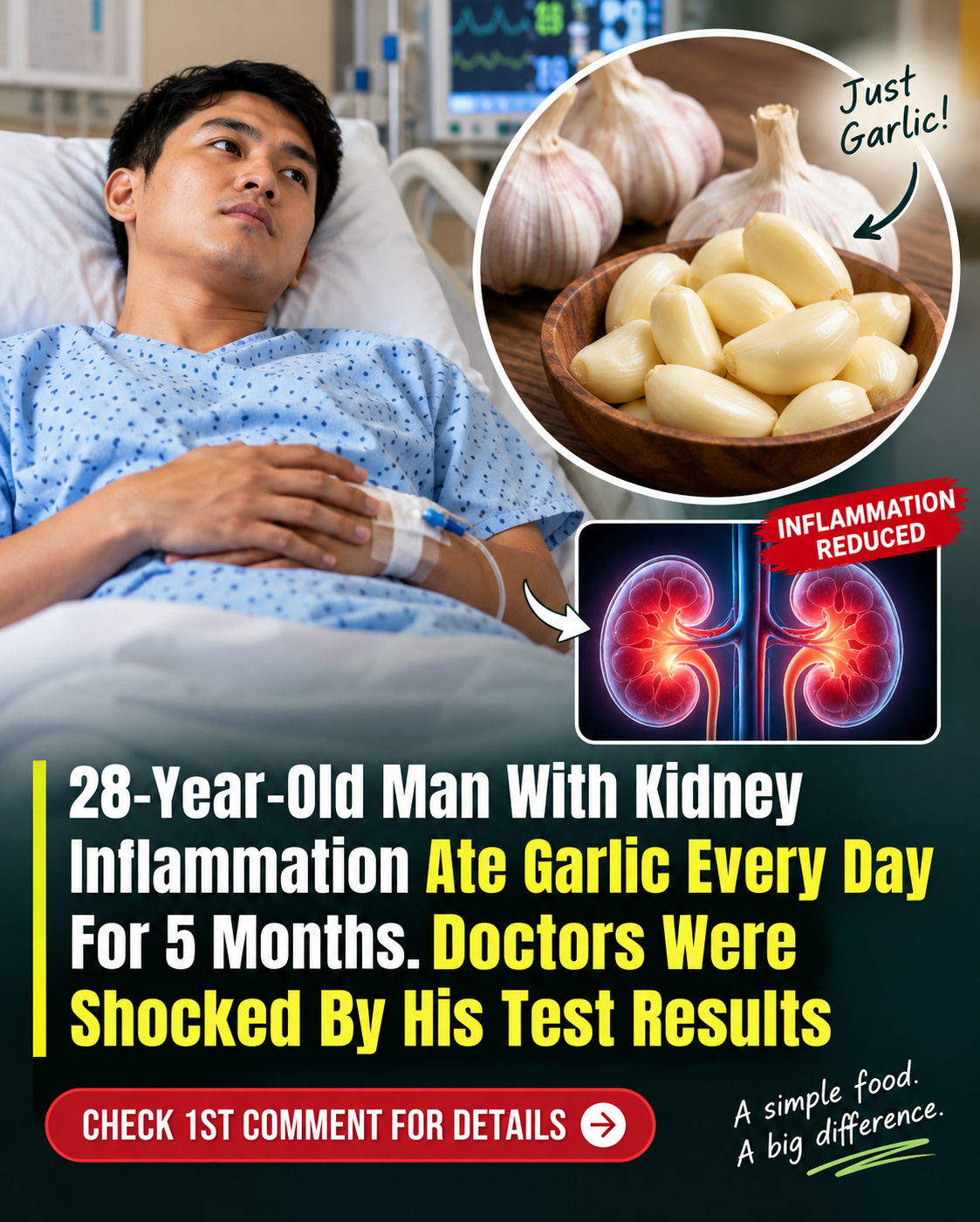
He Ate Garlic Every Day for 5 Months — and the story quickly attracted attention because it connects an ordinary kitchen ingredient with something much more serious: kidney health. According to the viral account, a 28-year-old man dealing with kidney inflammation began adding fresh garlic to his meals every day while also improving several other parts of his lifestyle.
After five months, the story claims that doctors noticed improvements in some of his health measurements. However, no reliable clinical documentation establishes this individual story as a controlled medical case, and even the account itself cannot prove that garlic caused any improvement. Changes in treatment, blood pressure, diet, weight, activity, and the underlying kidney condition could all affect the outcome.
That does not make garlic nutritionally uninteresting. Garlic contains sulfur-containing compounds, and researchers have studied garlic preparations for possible effects on blood pressure, blood lipids, glucose metabolism, and inflammation. Current evidence supports some modest cardiovascular effects, but scientists have not shown that eating garlic cures nephritis or repairs damaged kidneys.
I understand why stories like this attract so much attention. Garlic feels accessible, inexpensive, and familiar, so the idea that eating it every day might transform someone’s health sounds appealing. However, the most useful lesson comes from looking beyond the dramatic headline. If someone improves their meals, consumes less processed food, follows medical treatment, manages blood pressure, and becomes more consistent with healthy habits for five months, several measurements might improve. Garlic can fit comfortably into that pattern, but it should not receive credit for everything that changes.
What the Five-Month Garlic Story Really Tells Us
Kidney Inflammation Has Many Possible Causes
Kidney inflammation does not describe one single disease. Doctors use terms such as nephritis for conditions that involve inflammation within different parts of the kidneys, and the underlying causes can include immune disorders, infections, medications, and other medical problems. Because the causes differ, treatment also varies considerably.
The kidneys perform several essential jobs. They remove waste and excess water from the blood, help regulate minerals, contribute to blood pressure control, and support several hormonal processes. When kidney disease interferes with those functions, diet can become important, but medical treatment remains central.
A person with kidney disease may need to pay attention to sodium, protein, potassium, phosphorus, and fluid intake depending on kidney function and blood-test results. The National Institute of Diabetes and Digestive and Kidney Diseases emphasizes that no single kidney diet works for everyone. Dietary needs can change as kidney disease progresses, so clinicians and kidney dietitians individualize recommendations.
That context matters when discussing someone who supposedly improved after eating garlic for five months. Without information about diagnosis, kidney function, medication, laboratory values, diet, and medical treatment, nobody can reasonably conclude that garlic produced the improvement.
The more responsible conclusion is much simpler. Garlic may be a useful ingredient within an overall kidney-conscious diet, particularly when it replaces salty seasonings, but it does not treat the underlying cause of kidney inflammation.
Why Garlic Still Deserves Scientific Interest
Garlic contains several sulfur compounds. When you chop or crush fresh garlic, chemical reactions produce compounds associated with its familiar aroma and biological activity. Researchers have investigated garlic and standardized garlic preparations for decades.
One of the better-studied areas involves blood pressure. A recent meta-analysis of randomized trials involving people with hypertension found modest reductions in both systolic and diastolic blood pressure among participants using garlic interventions. However, the authors also noted variation among studies, which limits how confidently researchers can predict the effect for any one person.
An earlier meta-analysis also found that garlic preparations reduced blood pressure more noticeably among participants who already had hypertension. These findings suggest a possible supportive cardiovascular effect rather than a cure for high blood pressure.
This connection matters because uncontrolled high blood pressure can damage the kidneys over time. Protecting blood pressure therefore plays an important role in kidney care. However, a modest blood-pressure effect from a food or supplement does not mean that the same substance directly heals inflamed kidney tissue.
Garlic also adds strong flavor without adding much sodium. That practical advantage may matter more for many people with kidney disease than dramatic claims about antioxidants or inflammation.
How Garlic Could Fit Into a Kidney-Friendly Diet
Garlic Can Help Replace Salt in Everyday Cooking
One of the clearest practical benefits of garlic involves flavor. People with chronic kidney disease often need to watch sodium intake because excess sodium can contribute to fluid retention, swelling, and higher blood pressure. NIDDK notes that many people with CKD need to limit sodium, although the appropriate target depends on the individual.
Fresh garlic and plain garlic powder can make lower-sodium meals taste more satisfying. The National Kidney Foundation specifically includes fresh garlic and garlic powder among seasonings that people can use instead of salt. Garlic salt, by contrast, contains added sodium and does not provide the same advantage.
For example, someone might flavor roasted vegetables with garlic, pepper, lemon, and herbs rather than relying heavily on salt. Garlic can also add depth to homemade soups, sauces, fish, poultry, grains, and vegetable dishes.
That type of substitution represents a realistic way in which garlic could indirectly support kidney health. The garlic itself does not repair the kidneys. Instead, it can help make a dietary pattern with less sodium easier to enjoy and maintain.
People with kidney disease should still follow their individualized nutrition plans. Some patients need restrictions that others do not, particularly for potassium, phosphorus, protein, or fluids. Therefore, a meal can contain plenty of garlic and still be inappropriate for someone’s particular stage of kidney disease if the rest of its ingredients do not fit their needs.
The Rest of the Diet Matters More Than One Ingredient
The viral five-month story becomes more believable when viewed as a lifestyle story rather than a garlic experiment. According to the account, the man did not simply add garlic while keeping everything else unchanged. He also ate more fresh foods and made broader dietary adjustments.
Those changes matter. Processed foods often contain substantial amounts of sodium and added phosphorus, both of which can become important concerns for some people with kidney disease. Cooking more food at home gives people greater control over seasonings, ingredients, and portion sizes.
Blood pressure management also matters greatly. NIDDK recommends controlling blood pressure as part of slowing the progression of chronic kidney disease, and lowering excessive sodium intake forms one part of that strategy.
People with diabetes also need appropriate blood-sugar management because prolonged high glucose can damage the kidneys. Meanwhile, physical activity, smoking avoidance, medications, and routine monitoring can contribute to overall kidney and cardiovascular health.
Therefore, no one should look at He Ate Garlic Every Day for 5 Months and conclude that the key lesson involves swallowing garlic daily. A more useful lesson involves the power of consistently following a comprehensive health plan.
Garlic can make that plan taste better. However, the overall pattern carries much more weight than one spice, herb, vegetable, or supplement.
What Research Does and Does Not Show About Garlic
Possible Benefits Should Not Become Cure Claims
Garlic research has produced interesting results, particularly for cardiovascular risk factors. NCCIH notes that garlic supplements may modestly reduce cholesterol and blood pressure in some people and may slightly reduce blood sugar in people with diabetes. However, results vary by preparation, population, and study design.
These findings matter because cardiovascular and kidney health often overlap. High blood pressure and diabetes represent major risk factors for chronic kidney disease, so improving those conditions can benefit long-term kidney protection.
However, researchers have not shown that eating ordinary garlic reverses kidney disease. They also have not established garlic as a treatment for nephritis. Claims that garlic “detoxifies” the kidneys, removes kidney inflammation, or regenerates kidney tissue go beyond current evidence.
The distinction between association and treatment becomes especially important with viral health stories. If someone’s kidney tests improve while they eat garlic, the improvement does not prove that garlic caused it. Medication, natural recovery, disease fluctuations, weight changes, lower sodium intake, better blood pressure, and many other factors could contribute.
Researchers solve this problem through randomized controlled trials. They compare similar groups under controlled conditions so that one intervention receives a fair test. A single person’s experience cannot provide that level of evidence.
Therefore, garlic deserves a reasonable place at the dinner table, but not the status of a kidney medication.
Fresh Garlic Is Not the Same as Garlic Supplements
Another important distinction involves form. Fresh garlic used in food differs from concentrated garlic supplements. A person may eat one clove in a meal, while a supplement can deliver concentrated compounds in a standardized or highly processed form.
NCCIH reports that garlic eaten orally has generally shown good safety in research, but common side effects include stomach discomfort, gas, nausea, and noticeable breath or body odor. Some people can also develop allergic reactions.
Garlic supplements deserve extra caution because they may increase bleeding risk. NCCIH specifically advises people taking anticoagulants, aspirin, or other medicines to talk with a healthcare provider before using garlic or other herbal products. This warning also matters before surgery.
People with kidney disease often take several medications at the same time. Therefore, adding a concentrated supplement without discussing it with the medical team creates unnecessary risk.
Food amounts create a different situation for most people. Using garlic to season dinner generally poses far less concern than taking concentrated supplements specifically to produce a medicinal effect.
The safest approach involves treating garlic as food unless a healthcare professional recommends otherwise. A powerful flavor does not need a therapeutic dose to become useful.
Better Ways to Protect Kidney Health Than Relying on Garlic
Focus on Blood Pressure, Nutrition, and Medical Treatment
Anyone concerned about kidney health should focus first on strategies with stronger evidence. Blood pressure control ranks high on that list because prolonged hypertension can damage kidney blood vessels and accelerate kidney disease.
NIDDK recommends healthy eating and appropriate sodium reduction as part of kidney care. Many adults with CKD receive advice to limit sodium to around 2,300 milligrams per day or another target chosen by their healthcare team.
Garlic can help here because it provides flavor without requiring salt. However, people should check labels carefully. Garlic salt contains sodium, while some salt substitutes contain potassium chloride, which can become dangerous for people whose kidneys cannot remove potassium effectively.
Protein intake also deserves individualized attention. Some people with CKD need moderate protein intake, while people receiving dialysis can have different protein requirements. NIDDK recommends working with a healthcare professional or kidney dietitian rather than following generalized internet diets.
Likewise, hydration advice depends on kidney function. Drinking enormous amounts of water does not “flush” every kidney condition, and some people with advanced kidney disease actually need fluid restrictions.
The most kidney-friendly diet is therefore not a list of miracle foods. It is an individualized eating pattern guided by kidney function, laboratory results, medications, and overall health.
Know When Kidney Symptoms Need Medical Attention
Kidney disease can sometimes progress with few obvious symptoms, which makes blood and urine testing important for people at increased risk. Diabetes, hypertension, cardiovascular disease, family history, and previous kidney problems can all influence someone’s need for monitoring.
People should seek medical advice when they develop unexplained persistent swelling, significant changes in urination, blood in the urine, or other concerning symptoms. These signs can have many causes, so proper testing matters more than trying a home remedy.
Someone already diagnosed with nephritis or another kidney disorder should follow the treatment plan provided by their medical team. Depending on the cause, treatment may involve medications that target inflammation, immune activity, infection, blood pressure, or another underlying problem.
Diet can support that treatment, but food cannot substitute for it. That principle applies even when the food contains biologically active compounds such as those found in garlic.
If you enjoy garlic, continue using reasonable culinary amounts unless your healthcare team gives you a reason to avoid it. It can make lower-sodium foods far more enjoyable and may contribute beneficial plant compounds to the diet.
However, the strongest kidney-protection strategy remains much less sensational: manage the condition causing kidney damage, control blood pressure and blood sugar when relevant, follow appropriate nutrition guidance, stay active as medically appropriate, and complete recommended follow-up testing.
Frequently Asked Questions
Can eating garlic every day heal your kidneys?
Current evidence does not show that daily garlic consumption heals damaged kidneys or cures kidney inflammation. Garlic may support a healthy eating pattern and could modestly affect some cardiovascular risk factors, but diagnosed kidney disease requires appropriate medical evaluation and treatment.
Is garlic safe for people with kidney disease?
Fresh garlic and garlic powder can fit into many kidney-friendly eating plans and may help replace salty seasonings. However, kidney diets vary according to disease stage, laboratory values, and medications. People considering concentrated garlic supplements should discuss them with their healthcare team.
Can garlic lower blood pressure?
Research on garlic preparations suggests that they may produce modest blood-pressure reductions in some people, particularly those who already have hypertension. However, garlic should complement rather than replace prescribed blood-pressure medication or other recommended treatment.
Is raw garlic better than cooked garlic for kidney health?
Researchers have not established that raw garlic provides superior kidney protection compared with cooked garlic. Raw garlic contains compounds that change after crushing and heating, but no strong evidence shows that eating raw garlic reverses kidney disease. Choose the preparation you tolerate and enjoy unless a clinician gives you specific advice.
Can garlic supplements interact with medications?
Yes. Garlic supplements may increase bleeding risk and can interact with some medicines. NCCIH recommends discussing garlic supplements with a healthcare provider, especially if you take anticoagulants, aspirin, or other medications or plan to undergo surgery.
Conclusion
He Ate Garlic Every Day for 5 Months makes an irresistible headline because it suggests that one familiar food produced a dramatic medical change. However, the available information does not establish the viral story as proof that garlic cured kidney inflammation or directly improved kidney function.
Garlic remains a worthwhile food for much simpler reasons. It adds powerful flavor without sodium, making it useful for people trying to reduce salt. Research also suggests that some garlic preparations can modestly improve blood pressure in certain people, which may indirectly support cardiovascular and kidney health.
Still, kidney disease requires much more than one ingredient. Appropriate treatment may involve medication, blood-pressure management, blood-sugar control, individualized nutrition, laboratory monitoring, and regular medical care. NIDDK emphasizes that nutritional requirements also change with kidney function, so people with CKD benefit from individualized guidance rather than one-size-fits-all diets.
If garlic replaces garlic salt, processed sauces, or heavily salted seasonings in someone’s meals, that simple change may contribute to a healthier eating pattern. If it encourages someone to cook more fresh food at home, the benefit can extend even further.
However, garlic should remain exactly what the evidence supports: a flavorful food with interesting biological compounds and possible modest health benefits. It is not a cure for nephritis, it cannot reverse severe kidney damage, and it should never replace prescribed treatment.
The most useful lesson behind He Ate Garlic Every Day for 5 Months is therefore not that everyone should begin a garlic experiment. Sustainable improvements usually come from the complete pattern—better food choices, appropriate medical treatment, healthier blood pressure, consistent monitoring, and habits that someone can maintain long after five months have passed.
More Blog
- Drinking Water on an Empty Stomach — What Science Actually Supports (No Hype, Just Facts)
- Waking Up Between 3 and 5 AM? It Might Be Your Soul Trying to Talk to You
- What a “Bleach” Patch on Your Underwear Really Means — And Why It’s Actually a Good Sign
- This Drink May Weaken Your Bones From The Inside — But Everyone Drinks It Anyway