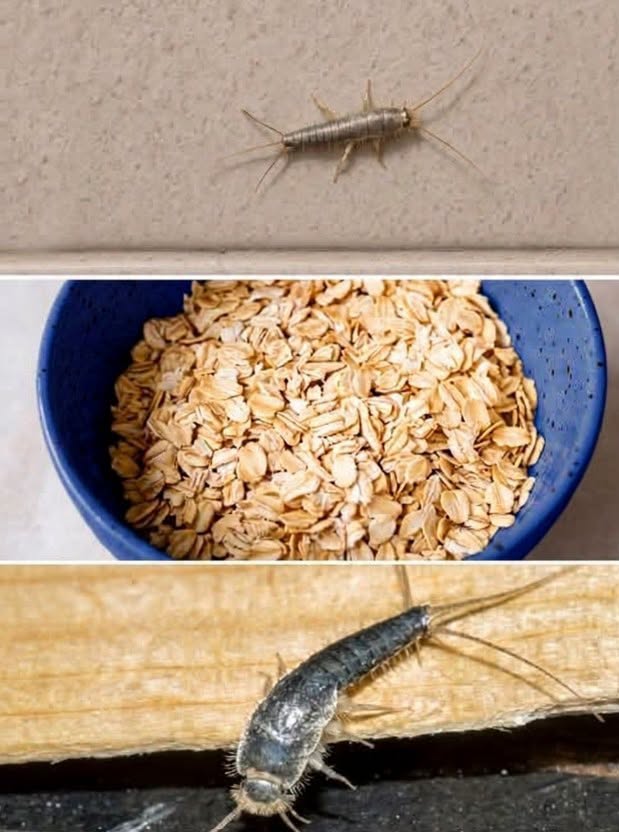
Finding silverfish in your home can be unsettling, especially when one suddenly darts across the bathroom floor late at night. These tiny, silvery insects move quickly, hide extremely well, and often appear when you least expect them.
Fortunately, silverfish do not bite people, spread disease, or usually pose an immediate health threat. However, their presence can tell you something important about your home. Found silverfish in your home? In many cases, they point to moisture, humidity, dark hiding places, or easy access to materials they can feed on.
That makes them less of a danger and more of a warning sign.
I still remember spotting my first silverfish near a bathroom cabinet after turning on the light one evening. It disappeared under the baseboard so quickly that I barely had time to identify it. At first, I assumed the house simply needed a deeper cleaning. However, the real problem turned out to be moisture collecting around a slow plumbing leak beneath the sink. Once that area dried out and the leak was repaired, sightings became much less frequent. The experience taught me that silverfish often reveal conditions around the home that deserve attention.
Understanding what attracts them makes controlling silverfish much easier. Instead of simply killing the insects you see, you can remove the conditions that encourage them to stay.
What Silverfish in Your Home Are Really Telling You
Silverfish rarely appear indoors by accident. While one stray insect may wander into a house, repeated sightings usually mean the environment provides something they need.
Therefore, you should look beyond the insect itself.
Moisture and Humidity Often Attract Silverfish
Silverfish prefer humid environments because they lose moisture easily. As a result, they often settle in rooms where moisture remains consistently high.
Bathrooms rank among their favorite locations. Showers, damp towels, condensation, and limited ventilation can all raise humidity.
Basements can also attract silverfish. These spaces often stay cooler and damper than the main living areas. Likewise, laundry rooms, crawl spaces, kitchens, storage areas, and spaces under sinks can provide suitable conditions.
If you keep finding silverfish in one location, inspect the area carefully.
Look for dripping pipes, slow plumbing leaks, condensation, wet drywall, damp cabinets, or poor airflow. Also check whether the room smells musty.
A small leak may not seem serious. However, consistent moisture can support silverfish and other pests while also creating conditions that encourage mold or building damage.
Therefore, moisture control should usually come before insect control.
Try running exhaust fans after showers. Open doors when practical to improve airflow. Fix plumbing leaks promptly. In naturally damp areas, a dehumidifier can also help reduce moisture.
You do not need to make your home completely dry. Instead, aim to eliminate persistently damp hiding places.
When humidity drops, the environment becomes far less attractive to silverfish.
Their Presence Does Not Automatically Mean Your Home Is Dirty
Many people immediately associate insects with poor housekeeping. However, finding silverfish does not necessarily mean you have an unclean home.
Silverfish care much more about shelter, moisture, and food than polished countertops.
A spotless bathroom can still attract them if condensation keeps the room humid. Similarly, a well-organized basement may provide ideal shelter if cardboard boxes sit in a damp corner.
However, clutter can make the problem worse.
Stacks of paper, old magazines, cardboard boxes, and stored fabrics provide hiding places. They can also give silverfish access to materials they may consume.
Therefore, cleanliness still plays a supporting role.
Regular vacuuming removes crumbs, insect debris, and potential food sources. Decluttering also reduces the number of cracks and protected spaces where silverfish can remain hidden.
Still, do not blame yourself if you spot one.
Instead, treat the sighting as useful information.
Ask what environmental conditions may be attracting the insect. Then address those conditions directly.
That approach usually provides better long-term results than spraying insecticide every time you see one.
Why Silverfish Choose Certain Areas of Your Home
Silverfish can survive in many parts of a house, but they strongly prefer locations that combine darkness, shelter, humidity, and food.
Understanding those preferences makes it easier to predict where they may hide.
Bathrooms, Basements, and Kitchens Give Them Ideal Shelter
Silverfish avoid bright, open spaces whenever possible.
During the day, they often hide behind baseboards, beneath cabinets, inside wall gaps, under stored items, or in cracks around plumbing.
At night, they become more active.
That explains why people frequently see them after switching on a bathroom or basement light.
Bathrooms offer several advantages. First, showers and baths raise humidity. Second, cabinets and plumbing openings provide dark hiding places. Additionally, wallpaper adhesive, paper products, and other household materials can provide food.
Basements create similar conditions. They often contain storage boxes, books, paper, fabrics, and limited natural light. Furthermore, concrete walls and floors can contribute to moisture problems.
Kitchens can attract silverfish too. Although they usually stay hidden, they may find food residues, starches, cardboard packaging, and damp areas beneath sinks or appliances.
Laundry rooms also deserve attention.
Moisture from washing machines, utility sinks, wet clothing, and poor ventilation can create comfortable hiding places.
If you found silverfish in your home, inspect these moisture-prone areas first.
Use a flashlight to check behind storage boxes, beneath sinks, along baseboards, inside cabinets, and around pipe openings.
You may never find an obvious nest because silverfish do not build traditional nests. Instead, they hide throughout suitable areas.
Therefore, controlling the environment works better than searching for one central colony.
Paper, Cardboard, and Starchy Materials Can Feed Them
Silverfish eat a surprisingly broad range of materials.
They often consume substances containing starches, sugars, or proteins. Therefore, household items can become food sources even when they do not look edible to us.
Paper can attract silverfish because many paper products contain starches or adhesives.
Old books, newspapers, magazines, envelopes, wallpaper, cardboard boxes, and paper packaging may all become targets.
Silverfish may also feed on glue and paste.
That means stored documents and book collections can suffer damage if silverfish populations grow large enough.
In addition, they may nibble natural fabrics, especially materials that contain residues or substances they can digest.
Food storage areas can provide opportunities too. Flour, cereal, sugar, dry pantry products, and crumbs may attract them when containers remain poorly sealed.
However, silverfish usually cause gradual damage rather than dramatic destruction.
You may notice irregular holes, surface scraping, yellowish stains, or damaged edges on paper.
Therefore, store valuable books, documents, photographs, and textiles carefully.
Use sealed plastic containers instead of cardboard when possible, particularly in basements and humid storage rooms.
Keep pantry foods in tightly closed containers.
Finally, vacuum shelves and storage areas periodically.
By reducing access to both food and shelter, you make your home much less appealing to silverfish.
How to Get Rid of Silverfish in Your Home
Killing the silverfish you see may provide temporary relief. However, long-term control requires removing the conditions that support them.
Therefore, focus on moisture, hiding places, entry points, and food sources together.
Reduce Humidity and Eliminate Hiding Places
Start with moisture control.
Repair dripping faucets, leaking supply lines, damaged seals, and slow plumbing leaks. Then dry the surrounding materials thoroughly.
Next, improve ventilation.
Run bathroom exhaust fans during and after showers. Make sure dryer vents send humid air outdoors. Open interior doors when doing so improves circulation.
In damp basements, consider using a dehumidifier.
You can also use a basic humidity monitor to identify areas that remain consistently damp.
Once you address moisture, reduce hiding places.
Remove unnecessary cardboard from storage areas. Recycle old newspapers and magazines you no longer need. Store important papers in sealed containers.
Then vacuum along baseboards, inside closets, beneath appliances, and around cabinets.
Pay special attention to cracks where dust and debris accumulate.
Silverfish can flatten their bodies and hide inside surprisingly narrow spaces. Therefore, sealing gaps can also help.
Use appropriate caulk around baseboards, wall cracks, trim gaps, pipe openings, and other small entry points.
However, avoid sealing an area that contains an active water leak. Repair moisture problems first.
Also move stored boxes slightly away from basement walls whenever practical. This improves airflow and makes it easier to inspect the area.
These steps may seem simple, but they attack the conditions silverfish depend on.
As a result, they often provide better lasting control than repeatedly treating visible insects.
Use Traps and Targeted Pest Control When Necessary
If you continue seeing silverfish after improving the environment, traps can help you monitor activity.
Sticky insect traps work especially well for this purpose.
Place them near baseboards, beneath sinks, behind toilets, inside closets, or near areas where you have already spotted silverfish.
The traps can show you where activity remains strongest.
However, traps alone usually will not solve a larger moisture-related problem.
You may also encounter powders, sprays, and other products marketed for silverfish control. Always read the full label before using any pest-control product.
Follow every instruction carefully, especially around children, pets, food-preparation areas, and ventilation.
Never assume that using more product will improve results.
Instead, use only the amount and application method stated on the label.
For persistent infestations, professional pest control may make sense.
A trained technician can inspect likely hiding areas, evaluate entry points, identify contributing environmental conditions, and recommend treatment.
Professional help becomes especially useful when you see silverfish frequently throughout several rooms or continue finding them after correcting obvious humidity problems.
However, even professional treatment works best when you also address moisture and clutter.
Otherwise, the home may continue offering the insects favorable conditions.
How to Prevent Silverfish From Coming Back
Removing existing silverfish solves only part of the problem.
Prevention helps keep future populations from becoming established.
Fortunately, simple household habits can make a major difference.
Protect Books, Clothing, and Stored Belongings
Start by reconsidering how you store vulnerable items.
Cardboard boxes work well for short-term moving and packing. However, they are less ideal for long-term storage in damp spaces.
Instead, use sturdy containers with tight-fitting lids for important papers, photographs, seasonal clothing, and valuable books.
Keep containers off damp floors whenever possible.
Also avoid pressing storage items tightly against basement walls. Leave some space for airflow and inspection.
Bookshelves need occasional attention too.
Vacuum behind them, dust shelves, and inspect older books for small irregular areas of damage.
If you store photographs or important documents, keep them in a dry environment with stable conditions.
Pantry organization can also help.
Transfer flour, cereal, grains, sugar, and other dry foods into properly sealed containers. Clean spilled food promptly, including crumbs behind appliances or inside cabinets.
Likewise, avoid letting damp laundry sit in baskets for long periods.
Silverfish do not need huge amounts of food to survive. Therefore, reducing many small food opportunities can make your home significantly less attractive.
Regular housekeeping provides another advantage.
When you occasionally move furniture, vacuum storage areas, and inspect dark corners, you are more likely to notice pest activity early.
Early detection makes control easier.
Watch for Repeat Sightings and Moisture Problems
After you found silverfish in your home and corrected the likely causes, continue monitoring the area for several weeks.
Seeing an occasional insect immediately after making changes does not necessarily mean your efforts failed.
Silverfish can remain hidden for long periods.
Instead, watch the pattern.
Are you seeing fewer insects? Are traps catching less activity? Has the bathroom or basement become noticeably drier?
Those changes suggest your approach is working.
However, frequent sightings may indicate that another moisture source remains hidden.
Check under sinks again. Inspect around toilets, water heaters, washing machines, basement windows, and plumbing penetrations.
Also look for condensation around pipes.
In some homes, moisture may enter through foundation walls or poorly ventilated crawl spaces.
If you cannot identify the source, a plumber, building professional, or pest-management specialist may help.
Remember that silverfish themselves rarely create the moisture problem.
Instead, they take advantage of conditions that already exist.
That makes repeated sightings potentially useful.
They may alert you to dampness before you otherwise notice it.
Therefore, do not simply squash the insect and forget about it.
Take a quick look around the area each time.
The faster you identify moisture, clutter, or entry points, the easier it becomes to prevent silverfish from becoming a persistent household problem.
Frequently Asked Questions
Are silverfish dangerous to humans?
Silverfish generally do not pose a direct threat to people. They do not normally bite, sting, or attack humans. However, they can damage paper products, stored materials, books, wallpaper, and certain fabrics. Their presence can also point to excessive indoor humidity or moisture.
Does seeing one silverfish mean I have an infestation?
Not necessarily. One silverfish could represent an isolated insect. However, repeated sightings, especially in multiple rooms, may indicate a larger population. Because silverfish hide during the day, you may see only a small portion of the insects actually present.
Why do I keep finding silverfish in my bathroom?
Bathrooms provide many conditions silverfish prefer, including humidity, darkness, warmth, plumbing openings, and protected hiding places. Improve ventilation, repair leaks, dry wet surfaces, and inspect cabinets and baseboards if you repeatedly see silverfish there.
Can silverfish damage books and clothing?
Yes. Silverfish may feed on paper, glue, starches, and certain materials found in books, documents, wallpaper, and fabrics. Larger populations can cause noticeable damage over time. Store valuable items in dry locations and sealed containers whenever possible.
What kills silverfish naturally?
Reducing humidity often provides the most important nonchemical control method because silverfish depend heavily on moisture. Vacuuming, removing clutter, sealing cracks, storing paper properly, and using sticky traps can also help reduce activity. Persistent problems may require labeled pest-control products or professional assistance.
Conclusion
If you have found silverfish in your home, you usually do not need to panic. These strange-looking insects may move quickly, but they generally do not bite or spread disease.
However, you should not completely ignore them.
Silverfish often appear where humidity, moisture, darkness, hiding places, and suitable food sources come together. Therefore, their presence may reveal a dripping pipe, poor bathroom ventilation, damp basement, cluttered storage area, or other condition worth correcting.
Start by reducing moisture. Then remove unnecessary cardboard and paper, vacuum dark areas, seal appropriate cracks, and store vulnerable belongings in closed containers.
If silverfish continue appearing, use traps to identify active locations. You can then consider targeted pest-control products or professional help when necessary.
Most importantly, focus on changing the environment rather than simply killing individual insects.
Once your home becomes drier, cleaner around hidden areas, and less accessible to pests, silverfish have far fewer reasons to stay.
Focus Keyword: Found Silverfish in Your Home
SEO Title: Found Silverfish in Your Home? What It Means and How to Stop Them
Meta Description: Found Silverfish in Your Home? Learn what attracts them, what their presence means, and practical ways to remove and prevent them.
Expert SEO Title: Found Silverfish in Your Home? 7 Powerful Steps That Work
Midjourney Prompt: Realistic vertical close-up home photography of a small silverfish insect on a clean bathroom tile floor near a white baseboard, subtle bathroom cabinet and sink area in the background, realistic silvery-gray insect with long antennae and three tail bristles, soft natural indoor lighting, clean modern American home interior, slightly humid bathroom atmosphere without looking dirty, highly detailed macro photography, sharp subject, realistic textures, educational household pest-control visual, uncluttered composition, generous negative space in upper portion for Pinterest text overlay –v 6 –ar 2:3
More Blog
- Drinking Water on an Empty Stomach — What Science Actually Supports (No Hype, Just Facts)
- Waking Up Between 3 and 5 AM? It Might Be Your Soul Trying to Talk to You
- What a “Bleach” Patch on Your Underwear Really Means — And Why It’s Actually a Good Sign
- This Drink May Weaken Your Bones From The Inside — But Everyone Drinks It Anyway