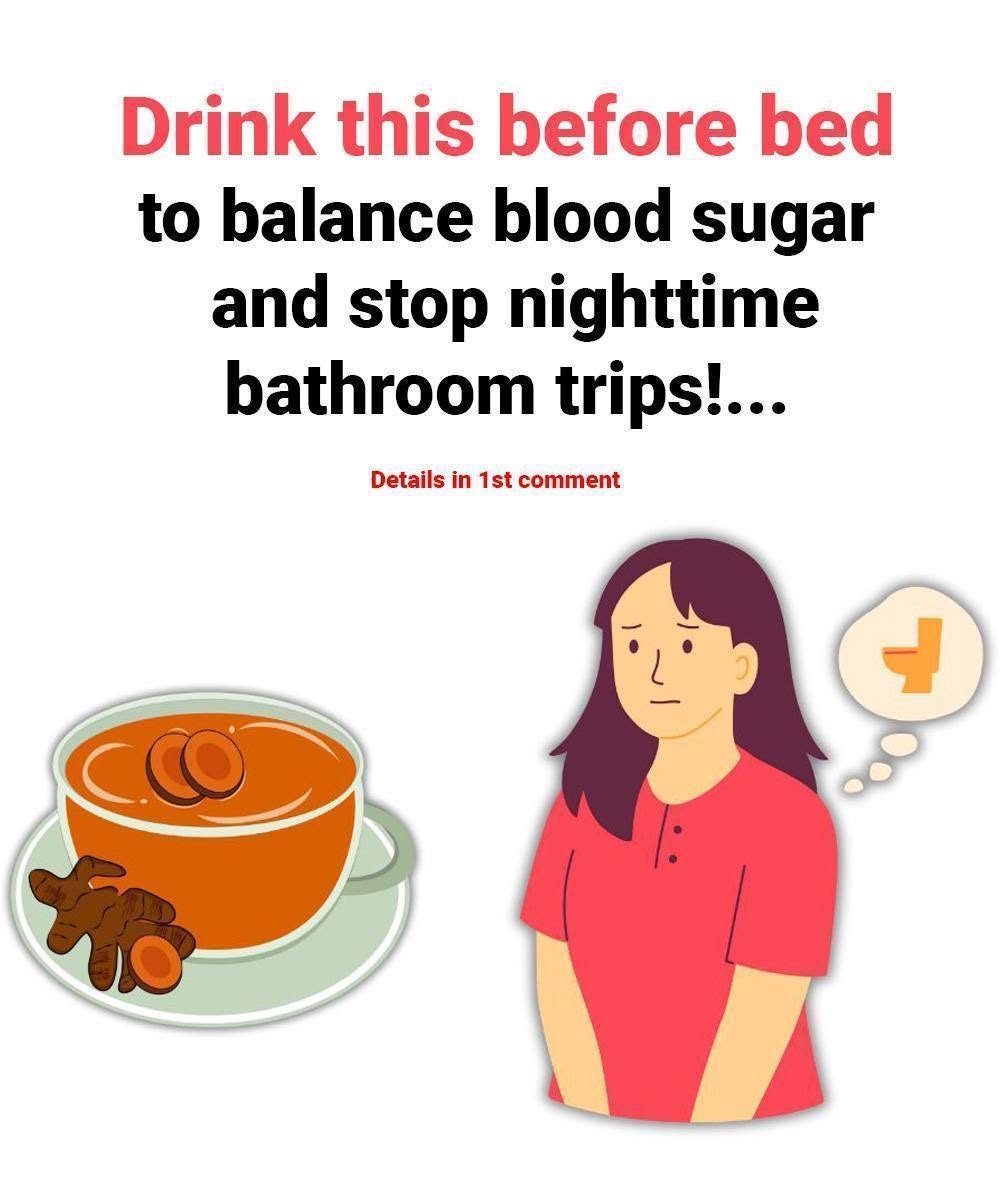
Drink This Before Bed to Balance Blood Sugar & Stop Nighttime Bathroom Trips sounds like the kind of promise that gets attention fast. However, no single bedtime drink can reliably normalize blood sugar and stop nocturia for everyone. In fact, drinking more liquid close to bedtime can sometimes make nighttime urination worse.
Still, the connection between blood sugar and frequent urination is real. When blood glucose rises high enough, the kidneys move extra glucose into the urine, and additional water follows. As a result, some people experience increased thirst and frequent urination. The CDC lists frequent urination among the signs of high blood sugar, while NIDDK also recognizes increased urination as a common diabetes symptom.
The most useful nighttime strategy, therefore, usually involves choosing drinks wisely during the day, limiting excess fluids before bed, avoiding caffeine and alcohol late in the evening, and addressing the actual reason you keep waking to urinate.
I once went through a stretch when I kept waking in the middle of the night and assumed I simply needed a better bedtime drink. I tried moving herbal tea later, then drinking extra water because I thought hydration would somehow help me sleep more soundly. Instead, the extra liquid only gave me another reason to get out of bed. What finally made sense was changing the timing rather than searching for a miracle ingredient. I drank normally through the day, eased back on fluids before bedtime, and paid more attention to evening caffeine. That experience taught me that simple habits often matter more than trendy nighttime drinks.
Why Blood Sugar and Nighttime Urination Can Be Connected
Drink This Before Bed to Balance Blood Sugar & Stop Nighttime Bathroom Trips becomes easier to understand once you separate two different issues: excess urine production and problems that make the bladder wake you even when blood sugar is normal.
High Blood Sugar Can Increase Urination
High blood glucose can make the kidneys work harder to remove excess glucose from the bloodstream.
When glucose spills into the urine, it pulls water with it. Consequently, you may produce more urine and feel the need to use the bathroom more often.
The CDC identifies frequent urination, thirst, dry mouth, weakness, headache, and blurred vision among possible signs of high blood sugar.
NIDDK also lists increased urination and increased thirst among common symptoms of diabetes. In addition, it advises people with symptoms to discuss testing with a healthcare professional rather than trying to diagnose the problem themselves.
Therefore, frequent nighttime urination combined with strong thirst, unexplained weight loss, fatigue, blurred vision, or repeated infections deserves attention.
If diabetes has already been diagnosed, consistently high glucose levels can also affect bladder function over time.
NIDDK explains that diabetes can affect blood vessels and nerves involved in the urinary tract. Some people develop urinary frequency or urgency, while others may have difficulty emptying the bladder completely.
That means Drink This Before Bed to Balance Blood Sugar & Stop Nighttime Bathroom Trips should not be treated as a substitute for blood glucose management.
A bedtime beverage cannot correct chronically elevated glucose on its own.
Instead, consistent meals, medication when prescribed, physical activity, sleep, and individualized medical care matter much more.
Nocturia Has Many Causes Besides Blood Sugar
Nocturia simply means waking during the night to urinate.
It does not automatically mean diabetes.
The Urology Care Foundation explains that nocturia can happen because a person produces too much urine overall, produces too much urine specifically at night, has problems storing urine in the bladder, or experiences a combination of those factors.
Several other conditions can contribute.
NIDDK notes that urinary problems at night can relate to urinary tract infections, kidney stones, chronic kidney disease, congestive heart failure, enlarged prostate, obstructive sleep apnea, certain medicines, caffeine, and alcohol.
Even sleep itself can play a role.
Sometimes a person wakes for another reason and then decides to use the bathroom simply because they are already awake.
Therefore, repeatedly waking at the same time every night does not prove that the bladder caused the awakening.
Fluid timing also matters considerably.
A large mug of tea, several glasses of water, or another beverage close to bedtime gives the kidneys more fluid to process during the night.
For that reason, the idea behind Drink This Before Bed to Balance Blood Sugar & Stop Nighttime Bathroom Trips can become counterproductive if it encourages people to consume a large drink immediately before sleep.
The better question is not “What magic drink should I have?” but “What is causing the nighttime urination, and how can I adjust my evening habits safely?”
What to Drink Before Bed and What to Avoid
If you feel thirsty before bedtime, you do not need to avoid fluid completely. However, quantity and beverage choice matter more than adding a special ingredient.
Plain Water Is Usually the Simplest Choice
For most people who only need a small drink before bed, plain water provides the simplest option.
Water contains no sugar and no caffeine. Therefore, it will not directly add carbohydrate or stimulate the bladder the way caffeinated drinks can.
However, even water can increase nighttime urination if you drink a large amount right before bed.
The Urology Care Foundation recommends getting adequate fluids during the day while reducing fluid intake during the two to four hours before sleep for people managing nocturia.
That recommendation changes the meaning of Drink This Before Bed to Balance Blood Sugar & Stop Nighttime Bathroom Trips.
Instead of preparing a large beverage as part of a nighttime ritual, drink enough throughout the day so you do not arrive at bedtime intensely thirsty.
Then, if you need something before bed, keep the portion small.
A few sips of water may be enough.
Unsweetened herbal tea can also work for some people, but remember that tea still adds fluid. Therefore, a 12- or 16-ounce mug immediately before sleep may defeat the purpose.
Also check the tea ingredients.
Some blends contain caffeine, while others contain herbs that may interact with medications or have diuretic effects.
If you manage diabetes, follow your individualized hydration and glucose plan rather than relying on a viral recipe.
Persistent nighttime thirst can itself signal elevated blood glucose. Therefore, do not simply keep drinking larger amounts every night without considering why the thirst continues.
Avoid Sugary, Caffeinated, and Alcoholic Drinks Late
Sugary beverages make a poor choice when you are concerned about overnight glucose.
Soda, sweet tea, sweetened coffee, juice drinks, and sugary energy beverages can add a substantial carbohydrate load without providing much satiety.
Additionally, caffeine can increase urinary urgency and interfere with sleep.
The Urology Care Foundation specifically recommends limiting caffeine and alcohol when managing nocturia.
Alcohol creates another problem.
Although some people feel sleepy after drinking alcohol, it can disrupt sleep later in the night. It can also affect urine production and make nighttime bathroom trips more likely.
Therefore, Drink This Before Bed to Balance Blood Sugar & Stop Nighttime Bathroom Trips should never center on a sugary cocktail, sweetened nightcap, or heavily caffeinated drink.
Also be cautious with internet recipes built around honey, maple syrup, sweet juices, or other concentrated carbohydrates.
Something can sound “natural” and still raise blood glucose.
Likewise, adding cinnamon, vinegar, lemon, ginger, or another kitchen ingredient does not transform a sugary drink into a guaranteed glucose treatment.
Small amounts of these ingredients can fit into normal meals and beverages when you enjoy them. However, they should not replace prescribed treatment or become a reason to consume a large volume of fluid before bed.
If you wake repeatedly because of thirst and urination, testing for diabetes or reviewing glucose control may provide far more useful information than experimenting with increasingly elaborate bedtime mixtures.
How to Reduce Nighttime Bathroom Trips More Effectively
Drink This Before Bed to Balance Blood Sugar & Stop Nighttime Bathroom Trips works better as a reminder to improve nighttime habits than as a literal beverage prescription.
Adjust Fluid Timing During the Day
Start by drinking normally during the earlier part of the day.
Then gradually reduce large fluid intake as bedtime approaches.
The Urology Care Foundation suggests limiting fluids during the two to four hours before bed while still maintaining adequate hydration earlier in the day.
For example, instead of drinking most of your water after dinner, spread it across breakfast, lunch, and the afternoon.
Then take smaller drinks in the evening.
Use the bathroom shortly before going to bed.
This simple habit reduces the amount of urine already sitting in the bladder when you fall asleep.
If you take a prescribed diuretic, sometimes called a water pill, medication timing can also influence nighttime urination.
The Urology Care Foundation notes that adjusting diuretic timing may help some people, although medication changes should happen with guidance from the prescribing clinician.
Do not simply skip medication to avoid nighttime bathroom trips.
People with swelling in their legs may also produce more urine after lying down because fluid that collected in the legs returns to circulation.
For some people, elevating the legs earlier in the day or using compression stockings under professional guidance can help shift that fluid before bedtime.
Therefore, managing nocturia often involves timing rather than adding a drink.
The less excess fluid you send through the kidneys immediately before sleep, the less likely you are to wake solely because you consumed a large bedtime beverage.
Improve Evening Meals and Glucose Management
If high blood glucose contributes to frequent urination, the solution involves managing glucose rather than masking the symptom.
Start with the overall evening meal.
A balanced dinner that includes protein, fiber-rich vegetables, and an appropriate portion of carbohydrate may produce a steadier glucose response than a very large meal dominated by refined carbohydrates and added sugar.
However, people respond differently to foods.
If you monitor blood glucose, your own readings can help you understand how your evening meal affects you.
People who use insulin or glucose-lowering medications need especially individualized advice because nighttime glucose can sometimes fall too low rather than too high.
Therefore, do not intentionally skip meals or dramatically restrict carbohydrates just to prevent nighttime urination.
Poor sleep also has a two-way relationship with metabolic health.
NIDDK notes that insufficient and disrupted sleep can worsen glucose intolerance and insulin sensitivity, particularly in people with or at risk for type 2 diabetes.
Consequently, frequent nocturia can become part of a frustrating cycle: sleep becomes fragmented, while poor sleep may make glucose regulation more difficult.
Drink This Before Bed to Balance Blood Sugar & Stop Nighttime Bathroom Trips therefore needs a broader interpretation.
The strongest strategy combines sensible evening eating, appropriate diabetes treatment, daytime hydration, limited late fluids, and better sleep habits.
No single glass can replace those fundamentals.
When Nighttime Urination Deserves Medical Attention
Occasional nighttime bathroom trips can happen after a salty dinner, extra evening fluids, alcohol, or an unusually late cup of tea. However, persistent nocturia deserves a closer look.
Watch for Signs That Point to High Blood Sugar
Frequent urination becomes more concerning when it appears alongside increased thirst.
Other symptoms can include unusual hunger, fatigue, blurred vision, frequent infections, or unexplained weight loss. NIDDK lists these among common diabetes symptoms.
If those symptoms appear, ask a healthcare professional whether glucose testing makes sense.
Do not wait for a bedtime drink to solve the problem.
High glucose can sometimes remain unnoticed for a long time, especially with type 2 diabetes.
Likewise, people who already live with diabetes should pay attention when urinary frequency suddenly changes.
NIDDK explains that bladder problems in people with diabetes can signal urinary tract complications or a need to reassess diabetes management.
Persistent extreme thirst and frequent urination can also accompany significantly elevated glucose.
If blood glucose becomes very high and you also develop vomiting, abdominal pain, rapid breathing, confusion, or severe weakness, seek urgent medical care rather than trying a home beverage.
Those symptoms require prompt assessment.
For routine concerns, keeping a simple diary can help.
Record when you drink, approximately how much you drink, when you go to bed, and how often you urinate overnight.
If you monitor glucose, record readings according to the plan your healthcare professional provided.
That information can make it easier to identify patterns.
Consider Other Bladder and Sleep Causes
Nocturia can continue even when glucose levels look normal.
Men may experience urinary symptoms from prostate enlargement.
Women and men can develop overactive bladder.
Urinary tract infections may increase urgency and frequency.
Sleep apnea can also contribute to nighttime urination, which surprises many people.
NIDDK includes obstructive sleep apnea among the conditions that can cause frequent nighttime urination.
Therefore, loud snoring, witnessed pauses in breathing, morning headaches, or severe daytime sleepiness may deserve discussion with a healthcare professional.
Swollen ankles can provide another clue because fluid may return to circulation after lying down.
Kidney disease and heart conditions can also affect urine production.
For these reasons, Drink This Before Bed to Balance Blood Sugar & Stop Nighttime Bathroom Trips should never encourage you to assume one explanation fits everyone.
Seek evaluation when nocturia begins suddenly, becomes progressively worse, causes major sleep disruption, or occurs with pain, burning, blood in the urine, fever, difficulty urinating, severe thirst, leg swelling, or other unusual symptoms.
Finding the actual cause gives you a much better chance of improving both sleep and bladder comfort.
Frequently Asked Questions
What is the best drink before bed for blood sugar?
There is no proven bedtime drink that reliably lowers blood sugar for everyone. If you need a drink, a small amount of plain water generally adds no carbohydrate or caffeine. However, persistent high blood sugar requires appropriate meals, activity, monitoring, and treatment rather than a special beverage.
Can high blood sugar make you urinate more at night?
Yes. High glucose can cause increased urination because excess glucose moves into the urine and draws additional water with it. Frequent urination and increased thirst are recognized symptoms of diabetes and high blood glucose.
Should I stop drinking water before bed?
Do not deliberately dehydrate yourself. Instead, drink adequately earlier in the day and reduce large amounts of fluid during the two to four hours before bedtime if nocturia bothers you. A small drink when genuinely thirsty is different from drinking several large glasses immediately before sleep.
Will cinnamon, vinegar, or lemon water stop nighttime urination?
No strong evidence shows that these ingredients reliably stop nocturia or normalize blood glucose overnight. They may fit into a normal diet when appropriate, but the underlying cause of frequent nighttime urination matters much more.
When should I worry about nighttime bathroom trips?
Seek medical advice when nocturia becomes frequent, disrupts sleep regularly, appears suddenly, or occurs with extreme thirst, weight loss, pain, burning, blood in the urine, swelling, difficulty emptying the bladder, or other concerning symptoms.
Conclusion
Drink This Before Bed to Balance Blood Sugar & Stop Nighttime Bathroom Trips sounds appealing because everyone wants an easy solution to broken sleep.
However, the most useful answer is simpler and more realistic.
There is no universal bedtime drink that reliably corrects blood sugar and prevents nocturia.
In fact, consuming a large drink immediately before sleep can increase the amount of urine your body needs to process during the night.
Instead, hydrate consistently earlier in the day.
Then reduce large amounts of fluid during the final two to four hours before bedtime when nighttime urination causes problems. Limit caffeine and alcohol in the evening, and avoid turning sugary beverages into nightly rituals.
If you need a few sips before bed, plain water provides a simple option.
More importantly, pay attention to why you keep waking.
High blood glucose can cause increased thirst and urination, so repeated bathroom trips combined with strong thirst, fatigue, blurred vision, unexplained weight changes, or frequent infections deserve proper evaluation.
Nocturia can also come from bladder conditions, prostate enlargement, urinary infections, medication timing, sleep apnea, kidney disease, heart conditions, and other causes.
Therefore, the best nighttime routine does not depend on a magic ingredient.
Drink appropriately during the day, keep evening portions modest, manage glucose according to your healthcare plan, use the bathroom before bed, and seek help when the pattern persists.
Better sleep usually comes from solving the reason behind the bathroom trips rather than searching for the perfect drink to have at bedtime.
WP Recipe Maker JSON Import
{
  "title": "Drink This Before Bed to Balance Blood Sugar & Stop Nighttime Bathroom Trips — What Really Works",
  "summary": "A simple bedtime hydration guide focused on small amounts of plain water, smart fluid timing, and avoiding sugary, caffeinated, or alcoholic drinks when nighttime urination is a concern.",
  "notes": "No beverage can reliably normalize blood sugar or cure nocturia. Drink adequately during the day and consider limiting larger amounts of fluid during the 2 to 4 hours before bed if nighttime urination bothers you. Frequent urination with excessive thirst or other diabetes symptoms warrants medical evaluation. Do not change diabetes medicines or prescribed diuretics without professional guidance.",
  "ingredients_flat": [
    {
      "amount": "4",
      "unit": "oz",
      "name": "plain water, only if thirsty before bed"
    }
  ],
  "instructions_flat": [
    {
      "name": "Step 1",
      "text": "Drink adequate fluids throughout the earlier part of the day instead of saving most of your fluid intake for the evening.",
      "summary": "",
      "image_url": ""
    },
    {
      "name": "Step 2",
      "text": "Reduce large drinks during the 2 to 4 hours before bedtime if frequent nighttime urination disrupts your sleep.",
      "summary": "",
      "image_url": ""
    },
    {
      "name": "Step 3",
      "text": "Avoid sugary drinks, caffeinated beverages, and alcohol close to bedtime.",
      "summary": "",
      "image_url": ""
    },
    {
      "name": "Step 4",
      "text": "If you feel thirsty shortly before sleep, choose a small amount of plain water rather than a large beverage.",
      "summary": "",
      "image_url": ""
    },
    {
      "name": "Step 5",
      "text": "Use the bathroom shortly before going to bed.",
      "summary": "",
      "image_url": ""
    },
    {
      "name": "Step 6",
      "text": "Seek medical advice if nighttime urination remains frequent or occurs with excessive thirst, unexplained weight loss, blurred vision, pain, burning, swelling, or other concerning symptoms.",
      "summary": "",
      "image_url": ""
    }
  ],
  "equipment": [
    {
      "name": "Small drinking glass",
      "notes": ""
    },
    {
      "name": "Fluid and bathroom diary",
      "notes": ""
    }
  ],
  "nutrition": {
    "calories": "0",
    "carbohydrates": "0g",
    "protein": "0g",
    "fat": "0g",
    "saturated_fat": "0g",
    "polyunsaturated_fat": "0g",
    "monounsaturated_fat": "0g",
    "trans_fat": "0g",
    "cholesterol": "0mg",
    "sodium": "0mg",
    "potassium": "0mg",
    "fiber": "0g",
    "sugar": "0g",
    "vitamin_a": "0IU",
    "vitamin_c": "0mg",
    "calcium": "0mg",
    "iron": "0mg"
  },
  "tags": {
    "course": ["Wellness Guide"],
    "cuisine": ["Healthy Living"],
    "keyword": ["Drink This Before Bed to Balance Blood Sugar & Stop Nighttime Bathroom Trips", "nighttime urination", "nocturia", "blood sugar and urination", "bedtime hydration"]
  }
}
SEO Output
Focus Keyword
Drink This Before Bed to Balance Blood Sugar & Stop Nighttime Bathroom Trips
SEO Title
Drink This Before Bed to Balance Blood Sugar & Stop Nighttime Bathroom Trips
Meta Description
Drink This Before Bed to Balance Blood Sugar & Stop Nighttime Bathroom Trips: learn what helps nocturia and what bedtime drink claims get wrong.
Expert SEO Title
Drink This Before Bed: 7 Powerful Nocturia Truths
Midjourney Prompt
Realistic wellness photography of a small clear glass of plain water on a bedside table beside a softly glowing lamp and digital clock showing late evening, calm dark bedroom in the background, subtle visual suggestion of restful sleep and nighttime hydration, no supplements, no pills, no medical devices, clean minimal composition, realistic home setting, soft warm low light, elegant editorial lifestyle photography, vertical composition, uncluttered background, generous negative space at the top for text overlay suitable for Pinterest pins –v 6 –ar 2:3
More Blog
- Drinking Water on an Empty Stomach — What Science Actually Supports (No Hype, Just Facts)
- Waking Up Between 3 and 5 AM? It Might Be Your Soul Trying to Talk to You
- What a “Bleach” Patch on Your Underwear Really Means — And Why It’s Actually a Good Sign
- This Drink May Weaken Your Bones From The Inside — But Everyone Drinks It Anyway