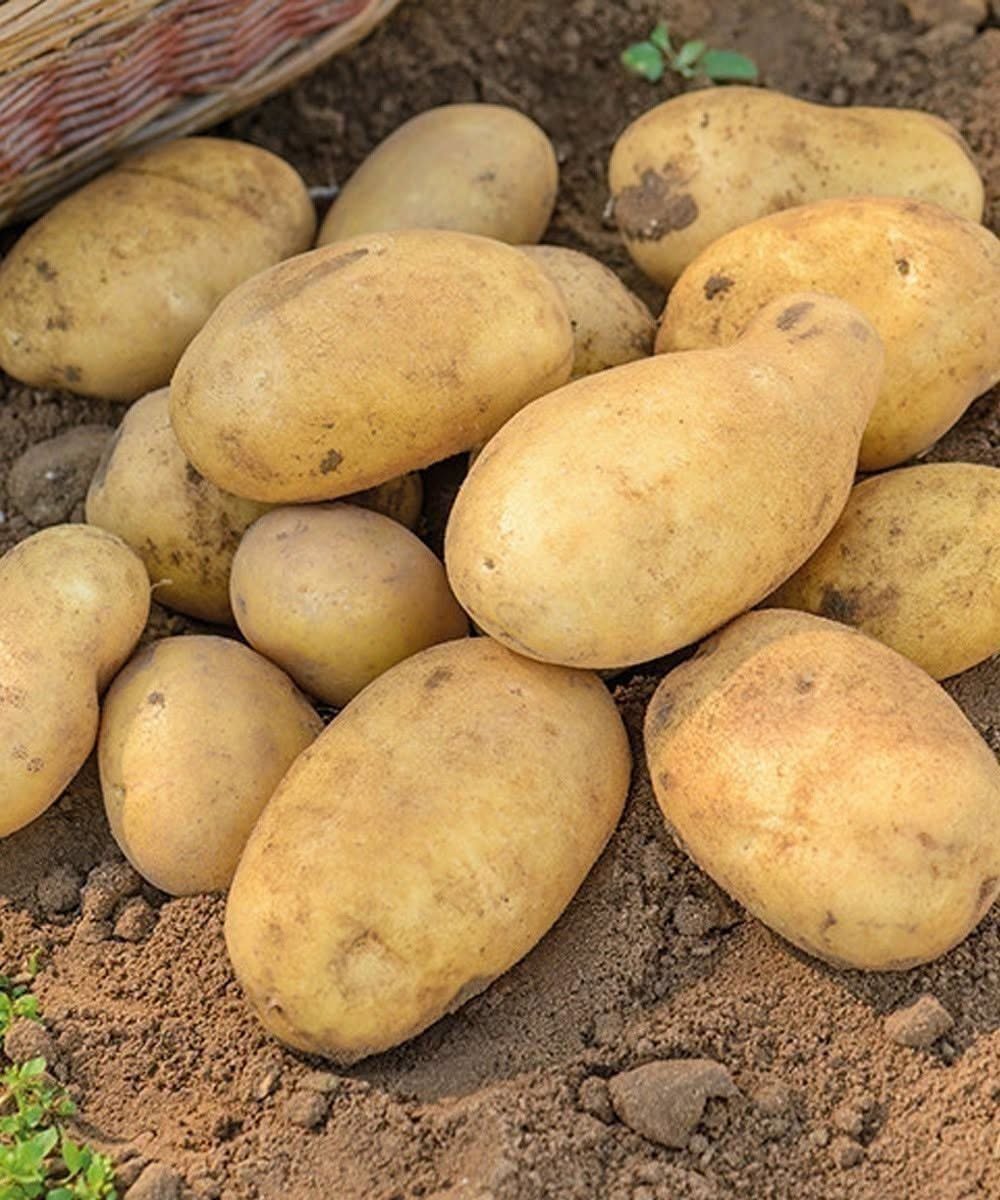
For years, potatoes have been caught in the middle of countless nutrition debates. Some people avoid them because they’re worried about carbohydrates, while others proudly serve them as the centerpiece of comforting family meals. The truth lies somewhere in between.
Nutrition experts and healthcare professionals agree that potatoes can absolutely be part of a healthy diet. In fact, they’re naturally packed with vitamins, minerals, antioxidants, and fiber—especially when eaten with the skin. The secret isn’t eliminating potatoes from your plate; it’s choosing healthier cooking methods and enjoying them in reasonable portions.
Long before trendy diets came along, potatoes nourished generations of families around the world. Whether baked, boiled, roasted, or mashed, they’ve earned their place as one of the most affordable and nutritious staple foods available. Let’s take a closer look at what makes potatoes so beneficial and how you can enjoy them without guilt.
Why Potatoes Deserve More Credit
Many people are surprised to learn that potatoes offer far more than carbohydrates. A medium-sized baked potato with the skin provides an impressive collection of nutrients that support your body every day.
| Nutrient | Approximate Amount |
|---|---|
| Calories | 160 |
| Potassium | 900 mg |
| Vitamin C | 20 mg |
| Fiber | 4 grams |
| Vitamin B6 | 0.5 mg |
| Magnesium | 50 mg |
| Complex Carbohydrates | 37–40 grams |
Potatoes are naturally fat-free, cholesterol-free, and sodium-free before any toppings are added.
1. Potatoes Help Support Heart Health
One of the greatest nutritional strengths of potatoes is their high potassium content.
Many people associate bananas with potassium, but a baked potato often contains considerably more. Potassium helps regulate blood pressure by balancing sodium levels within the body.
It also supports:
- Healthy muscle contractions
- Proper nerve function
- Normal heartbeat
- Fluid balance
Since many adults don’t consume enough potassium daily, adding potatoes to balanced meals can help fill this nutritional gap.
2. They Feed the Good Bacteria in Your Gut
One fascinating characteristic of potatoes appears after they’re cooked and cooled.
As cooked potatoes cool, part of their starch changes into resistant starch.
Unlike regular starch, resistant starch isn’t completely digested in the small intestine. Instead, it reaches the large intestine, where beneficial gut bacteria ferment it.
This process may help:
- Improve digestive health
- Increase feelings of fullness
- Support healthy blood sugar responses
- Promote a healthier gut microbiome
This is one reason potato salad made with cooled potatoes may offer different nutritional benefits than freshly baked potatoes.
3. Potatoes Provide Long-Lasting Energy
Your body depends on carbohydrates for fuel.
The carbohydrates in whole potatoes are complex carbohydrates, meaning they provide a steady source of energy when paired with protein, vegetables, and healthy fats.
Unlike sugary snacks that often cause quick spikes and crashes in energy levels, balanced potato meals can help keep you satisfied for longer.
They’re especially beneficial for:
- Active adults
- Growing children
- Athletes
- Busy professionals
Portion size and preparation remain important, but potatoes themselves are not the nutritional villain they’re often made out to be.
4. They’re Rich in Vitamin C
Many people think of oranges when they hear “Vitamin C,” but potatoes contribute meaningful amounts too.
Vitamin C supports:
- Healthy immune function
- Wound healing
- Collagen production
- Healthy skin
- Antioxidant protection
Although cooking reduces some Vitamin C, baked and steamed potatoes still provide a valuable contribution toward your daily intake.
5. Potatoes Contain Important B Vitamins
Vitamin B6 plays an important role in hundreds of chemical reactions throughout the body.
It helps produce neurotransmitters that support:
- Brain development
- Mood regulation
- Memory
- Healthy metabolism
Including potatoes as part of a balanced diet helps provide this essential nutrient naturally.
6. The Skin Contains Valuable Nutrients
Many people peel potatoes without realizing where much of the nutrition is located.
The skin supplies:
- Dietary fiber
- Iron
- Antioxidants
- Potassium
- Magnesium
Simply washing potatoes thoroughly before cooking allows you to enjoy these extra nutrients.
The Healthiest Ways to Cook Potatoes
Preparation makes a tremendous difference.
Healthy cooking methods include:
Baking
Baking preserves nutrients while avoiding unnecessary fats.
Boiling
Boiled potatoes retain many nutrients and work well in salads or side dishes.
Steaming
Steaming helps preserve vitamins while maintaining texture.
Roasting
Roasting with a small amount of olive oil creates crispy potatoes without deep frying.
Cooking Methods to Limit
While potatoes themselves are nutritious, some preparations dramatically increase calories, sodium, and saturated fat.
Try to enjoy these foods only occasionally:
- Deep-fried french fries
- Potato chips
- Loaded cheese fries
- Heavy cream-based mashed potatoes
These versions owe most of their calories to added ingredients rather than the potatoes themselves.
Smart Potato Toppings
Instead of relying on butter and processed toppings, consider healthier options.
Great choices include:
- Plain Greek yogurt
- Fresh chives
- Cottage cheese
- Salsa
- Black pepper
- Olive oil
- Roasted vegetables
- Fresh herbs
These additions boost flavor while adding extra nutrients.
Easy Garlic Herb Roasted Potatoes
Ingredients
- 2 pounds baby potatoes
- 2 tablespoons olive oil
- 3 cloves garlic, minced
- 1 teaspoon salt
- ½ teaspoon black pepper
- 1 teaspoon dried rosemary
- 1 teaspoon thyme
- Fresh parsley for garnish
Instructions
- Preheat oven to 425°F (220°C).
- Wash and halve the potatoes.
- Toss them with olive oil, garlic, herbs, salt, and pepper.
- Spread onto a baking sheet.
- Roast for 35–40 minutes, turning once halfway through.
- Garnish with parsley before serving.
Frequently Asked Questions
Are potatoes healthier than rice?
Both can fit into a healthy diet. Potatoes generally provide more potassium and Vitamin C, while rice offers different nutritional advantages depending on the variety.
Should I eat potato skins?
Yes. The skin contains valuable fiber, minerals, and antioxidants. Wash potatoes well before cooking.
Are sweet potatoes healthier?
Sweet potatoes contain more beta-carotene, while white potatoes contain more potassium. Both are nutritious choices.
Can people with diabetes eat potatoes?
Yes, in moderation. Pair potatoes with lean protein, healthy fats, and vegetables to help reduce blood sugar spikes. Portion size also matters.
Do cooled potatoes really help digestion?
Cooling cooked potatoes increases resistant starch, which may support digestive health and promote beneficial gut bacteria.
Final Thoughts
Potatoes have nourished families for centuries, and they continue to earn their place at the dinner table. They’re affordable, versatile, filling, and surprisingly nutritious when prepared with care.
Rather than fearing potatoes, focus on how they’re cooked and what you serve alongside them. Baking, boiling, steaming, or roasting allows their natural goodness to shine while avoiding unnecessary fats and excess sodium.
Healthy eating doesn’t require eliminating comforting foods—it simply means making thoughtful choices. A baked potato topped with fresh herbs, Greek yogurt, or roasted vegetables can be both satisfying and nourishing.
The next time you’re planning dinner, don’t overlook this humble vegetable. Prepared simply and enjoyed as part of a balanced meal, potatoes can provide energy, important nutrients, and the comforting flavors that have brought families together for generations.