Doctors Reveal What Can Happen If You Eat Beef Liver Too Often is an important topic for anyone who regularly adds organ meat to meals for its impressive nutritional value. Beef liver provides protein, iron, vitamin B12, copper, folate, and a remarkably concentrated amount of vitamin A. However, that concentration also explains why eating large portions too frequently may create problems.
Beef liver can fit into a varied diet, but portion size and frequency matter. Because liver supplies some nutrients in much greater amounts than ordinary cuts of beef, you do not need a large serving to benefit from it.
I first became interested in beef liver after hearing people describe it as one of the most nutrient-packed foods available. At first, the idea seemed simple: if a little provided plenty of iron and vitamins, eating more should provide even greater benefits. However, learning about its unusually high vitamin A and copper content changed that perspective. Instead of treating liver like an everyday steak, I started thinking of it as a concentrated food that deserves smaller portions and thoughtful meal planning. That approach makes much more sense. Liver can add variety and valuable nutrients to a meal without becoming something that dominates the weekly menu.
Why Beef Liver Contains So Many Nutrients
Understanding Its Nutritional Value
Beef liver stands apart from many familiar cuts of meat because it contains an unusually concentrated collection of micronutrients. Although muscle meat mainly provides protein, minerals, and several B vitamins, liver stores and processes nutrients within the animal’s body. Consequently, its nutritional profile differs significantly from a steak, roast, or ground beef.
First, beef liver provides high-quality protein. Protein supports muscle maintenance and many normal processes throughout the body. In addition, liver supplies heme iron, a form of iron that the body generally absorbs efficiently.
Vitamin B12 represents another major nutritional advantage. The body needs vitamin B12 for healthy blood cell formation, DNA synthesis, and normal nervous-system function. Liver also supplies folate and riboflavin, along with minerals such as copper.
However, vitamin A deserves particular attention. Beef liver contains preformed vitamin A, also called retinol. Unlike beta-carotene from foods such as carrots and sweet potatoes, preformed vitamin A can accumulate when someone repeatedly consumes excessive amounts.
Therefore, the extraordinary nutrient concentration of liver creates both its appeal and its primary reason for moderation.
Why Bigger Portions Are Not Necessarily Better
Nutrient-dense foods can make a valuable contribution to a balanced eating pattern. Nevertheless, nutrient density does not mean unlimited quantities provide unlimited benefits.
A modest portion of beef liver can already provide substantial amounts of several vitamins and minerals. Therefore, increasing the serving size may add nutrients that the body does not need in equally large amounts.
This distinction becomes especially important with fat-soluble vitamin A. The body can store this vitamin rather than simply eliminating every excess amount immediately. As a result, chronically high intake of preformed vitamin A can eventually become harmful.
Copper creates another reason to avoid treating liver like ordinary meat. The body needs copper in small amounts for several essential functions. However, consistently excessive copper intake can also cause adverse effects.
Meanwhile, anyone who takes supplements should consider the combined intake from food and supplements. For example, a supplement containing preformed vitamin A can increase total exposure when paired with frequent liver meals.
Therefore, variety remains useful. Instead of relying on one exceptionally concentrated food every day, people can obtain nutrients from meat, fish, eggs, dairy foods, legumes, vegetables, fruits, whole grains, nuts, and other foods that suit their dietary needs.
What Can Happen When You Eat Beef Liver Too Often
Excess Vitamin A Is the Main Concern
When discussing Doctors Reveal What Can Happen If You Eat Beef Liver Too Often, vitamin A deserves the most attention. Beef liver contains exceptionally large amounts of preformed vitamin A, and chronic excessive intake can cause hypervitaminosis A.
Possible symptoms of excessive vitamin A exposure can include headache, nausea, dizziness, dry or irritated skin, and discomfort involving muscles or joints. More serious problems can develop with sufficiently high or prolonged exposure.
However, eating liver occasionally does not automatically cause vitamin A toxicity. Frequency, serving size, supplementation, individual circumstances, and overall dietary intake all influence exposure.
Therefore, alarming claims that suggest one normal serving inevitably causes poisoning misrepresent the issue.
The more practical concern involves repeated consumption of substantial amounts. Someone who eats large servings several times each week while also using vitamin A supplements could have a very different intake from someone who enjoys a modest serving occasionally.
Pregnancy also requires special consideration because excessive preformed vitamin A can harm fetal development. Consequently, pregnant people should follow guidance from their healthcare professional about liver and supplements containing retinol rather than assuming that a nutrient-rich food automatically makes an appropriate pregnancy food.
Furthermore, people with medical conditions or those taking medications or supplements should seek individualized advice when necessary.
Cholesterol, Copper, and Individual Needs
Vitamin A receives much of the attention, but beef liver contains other nutrients worth considering.
For example, liver contains dietary cholesterol. Current nutrition guidance generally focuses heavily on overall dietary patterns and saturated fat rather than treating dietary cholesterol as the only consideration. Nevertheless, individual circumstances differ.
Someone who has received specific dietary instructions because of cardiovascular risk factors or another medical condition should follow those recommendations.
Additionally, liver provides a large amount of copper. Copper supports iron metabolism, connective tissue formation, energy production, and nervous-system function. However, the body only needs limited quantities.
Therefore, frequently eating large liver portions can push copper intake much higher than necessary.
Iron deserves similar context. Beef liver provides highly absorbable heme iron, which can help people meet their nutritional requirements. However, more iron does not automatically benefit everyone. Certain health conditions can cause excessive iron accumulation, while some people may already obtain sufficient iron elsewhere.
For that reason, people should not use large amounts of liver as a substitute for appropriate medical evaluation when they suspect iron deficiency or anemia.
Blood testing can help healthcare professionals identify the cause of anemia and recommend suitable treatment. Although iron deficiency represents one cause, other conditions can also produce anemia. Consequently, self-treating unexplained symptoms with very large quantities of liver may delay appropriate care.
How to Eat Beef Liver More Safely
Portion Size and Frequency Matter
There is no single liver serving schedule that suits every person. Age, pregnancy status, supplements, health conditions, overall diet, and nutritional requirements can all influence an appropriate intake.
Still, the basic principle remains straightforward: because beef liver contains concentrated amounts of vitamin A and copper, you generally do not need to eat it in the same quantities or frequency as ordinary muscle meat.
A small serving can provide plenty of flavor and nutrients. Furthermore, serving liver with vegetables, grains, potatoes, or another balanced side can create a satisfying meal without making liver the overwhelming component.
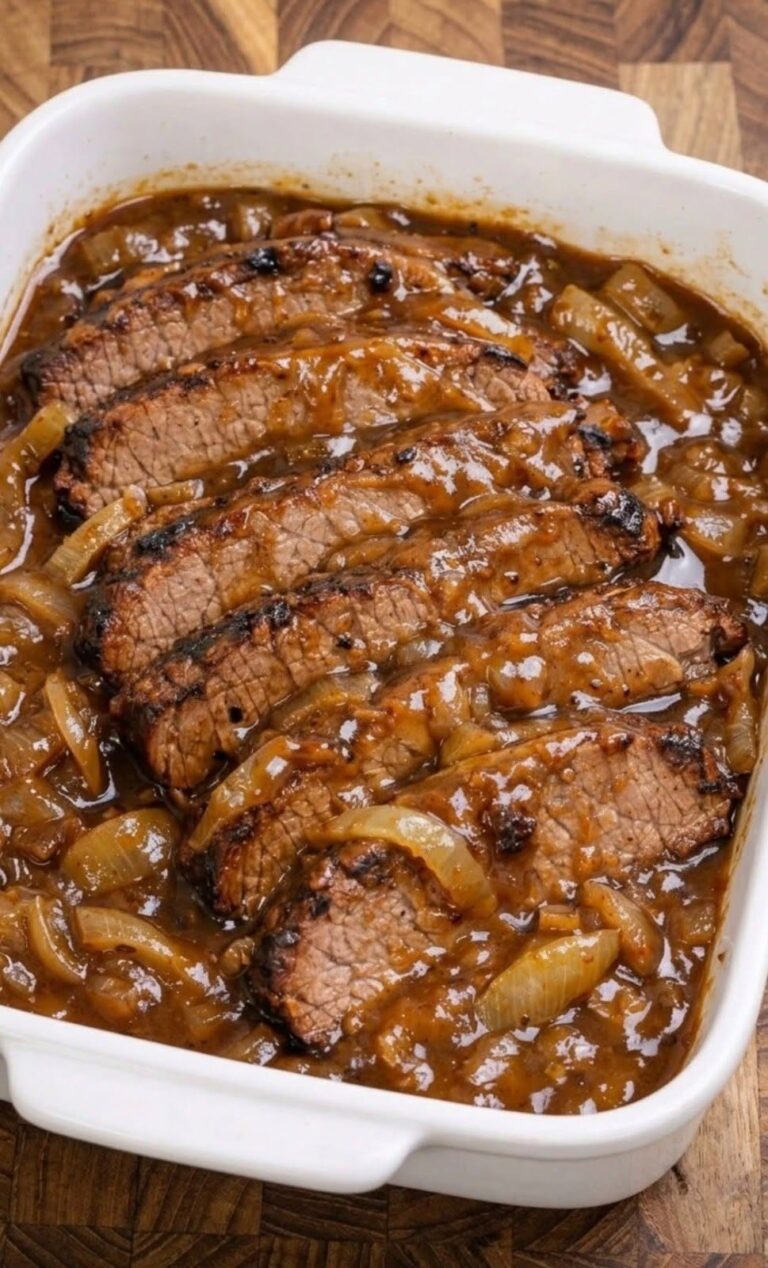
For example, onions pair naturally with liver because their sweetness balances its distinctive mineral-rich flavor. Mushrooms can also add savory depth, while potatoes, rice, or whole grains can round out the meal.
Additionally, acidic ingredients such as lemon juice can brighten the finished dish.
People who dislike the strong flavor may assume they need complicated preparation methods. However, simple cooking often works well. Avoiding severe overcooking can help preserve a more pleasant texture, although liver still needs safe handling and adequate cooking.
Most importantly, moderation provides a more sensible approach than extremes. You do not need to label liver either a miracle food or a dangerous food. Instead, consider it a highly concentrated organ meat that can contribute nutrients when incorporated thoughtfully into a varied eating pattern.
Safe Storage and Cooking Practices
Proper handling matters whenever you prepare raw animal products, and liver is no exception.
First, keep raw liver refrigerated and follow the package’s storage instructions. If you do not plan to use it promptly, freeze it appropriately.
Next, prevent raw liver and its juices from contaminating ready-to-eat foods. Use clean utensils, plates, and cutting surfaces. Additionally, wash your hands thoroughly after handling raw meat.
Do not rely on appearance alone to determine whether meat has reached a safe internal temperature. Instead, use a clean food thermometer and follow current food-safety recommendations for the specific product you prepare.
Furthermore, avoid rinsing raw meat in the sink. Splashing water can spread microorganisms onto nearby surfaces rather than making the meat safer.
Clean preparation surfaces after use, and refrigerate leftovers promptly.
These precautions matter because foodborne illness represents a different issue from vitamin A toxicity. Vitamin A concerns relate primarily to excessive nutrient intake over time, whereas foodborne illness can result from contamination, inadequate cooking, or poor storage.
Therefore, separating these two issues makes online claims easier to evaluate. Beef liver does not automatically cause parasites or infections simply because it is liver. Instead, sourcing, storage, handling, and preparation influence food-safety risks.
A Simple Way to Prepare Beef Liver
Easy Pan-Cooked Beef Liver and Onions
A straightforward liver-and-onion preparation makes an approachable option for people who want to include a modest portion of beef liver in a meal.
For four small servings, use about 12 ounces beef liver, one large onion, one tablespoon olive oil, one tablespoon butter, one-half teaspoon salt, one-quarter teaspoon black pepper, one-quarter teaspoon garlic powder, and one tablespoon fresh lemon juice.
First, slice the onion thinly. Then pat the liver dry and cut it into manageable pieces if necessary.
Heat half of the oil and butter in a large skillet over medium heat. Add the onions and cook them until they become soft and lightly golden. Stir regularly so they cook evenly.
Next, transfer the onions to a plate.
Add the remaining oil and butter to the skillet. Season the liver lightly with salt, pepper, and garlic powder. Then place the pieces in the hot skillet without overcrowding them.
Cook the liver while following appropriate food-safety temperature guidance. Because thickness varies considerably, a thermometer offers a more dependable safety check than cooking time alone.
Return the onions to the skillet near the end. Finally, add lemon juice and serve the dish promptly.
The onions provide sweetness, while lemon adds acidity that balances liver’s strong flavor. Meanwhile, simple seasoning keeps the preparation beginner-friendly.
Building a Balanced Meal Around Liver
Because liver has such an assertive flavor and concentrated nutritional profile, side dishes can play an important role.
For example, roasted potatoes provide a mild contrast. Brown rice or another grain can also work well. Meanwhile, steamed green beans, broccoli, carrots, or a simple salad can add vegetables and texture.
You can also adjust the onion quantity. People who find liver particularly strong may prefer extra caramelized onions because their natural sweetness creates balance.
However, avoid thinking that a huge portion provides a better meal. A smaller amount of liver paired with satisfying side dishes can create a more balanced plate.
In addition, rotate protein sources throughout the week. Fish, poultry, eggs, beans, lentils, tofu, and ordinary cuts of meat can all contribute different nutrients.
Variety also prevents one particular nutrient from dominating the diet.
Ultimately, Doctors Reveal What Can Happen If You Eat Beef Liver Too Often comes down to a simple idea: concentration matters. Liver can supply substantial nutrition in a relatively small amount. Consequently, modest portions can accomplish what you want without turning a nutrient-rich food into an unnecessarily excessive one.
Frequently Asked Questions
Is beef liver healthy?
Beef liver can provide valuable nutrients, including protein, vitamin B12, iron, copper, folate, and vitamin A. However, its unusually high concentration of certain nutrients means that moderation matters. Your overall diet, health status, supplements, and individual nutritional needs should guide how often you eat it.
Can you eat beef liver every day?
Eating beef liver every day can create unnecessarily high exposure to preformed vitamin A and copper, particularly when portions are large. Therefore, treating liver like an occasional nutrient-dense food generally makes more sense than automatically making it a daily staple. Anyone who wants to eat liver very frequently should discuss their overall intake with a qualified healthcare professional or registered dietitian.
Can too much beef liver cause vitamin A toxicity?
Yes. Chronic excessive intake of preformed vitamin A can cause toxicity, and beef liver contains a very high concentration of this vitamin. However, risk depends on quantity, frequency, supplement use, and individual circumstances. An occasional normal portion should not be confused with persistent excessive intake.
Should pregnant women eat beef liver?
Pregnancy requires particular caution with preformed vitamin A because excessive intake can harm fetal development. Therefore, pregnant people should follow individualized medical guidance concerning liver and supplements containing retinol. A healthcare professional can provide recommendations that account for diet, prenatal supplements, and personal health needs.
Does cooking beef liver remove excess vitamin A?
Cooking makes liver suitable for eating from a food-preparation standpoint when proper safety procedures are followed, but it does not turn liver into a low-vitamin-A food. Therefore, portion size and frequency still matter. Cooking should primarily address safe preparation and desirable texture rather than serve as a strategy for eliminating the nutritional concerns associated with excessive consumption.
Conclusion
Doctors Reveal What Can Happen If You Eat Beef Liver Too Often highlights an important principle of nutrition: even highly nutritious foods benefit from sensible portions.
Beef liver provides an impressive combination of protein, iron, vitamin B12, copper, folate, and vitamin A. Therefore, a relatively small amount can make a substantial nutritional contribution. However, its exceptional concentration of preformed vitamin A and copper also means that frequently eating large portions can become problematic.
Rather than fearing liver or treating it as a miracle food, take a balanced approach. Enjoy modest portions, vary your protein sources, handle raw liver safely, and consider supplements when evaluating your total nutrient intake.
Additionally, people who are pregnant, have relevant medical conditions, take vitamin A supplements, or follow medically prescribed diets should seek individualized guidance.
Ultimately, moderation allows beef liver to remain what it can be: a distinctive, nutrient-dense food that fits into a varied diet without becoming an excessive source of nutrients the body only needs in limited quantities.
WP Recipe Maker JSON Import
{
  "title": "Doctors Reveal What Can Happen If You Eat Beef Liver Too Often",
  "summary": "A simple pan-cooked beef liver and onions recipe served in modest portions, with practical preparation and food-safety guidance.",
  "notes": "Beef liver is exceptionally rich in preformed vitamin A and copper, so portion size and frequency matter. People who are pregnant or have medical or dietary concerns should follow individualized healthcare guidance.",
  "ingredients_flat": [
    { "amount": "12", "unit": "oz", "name": "beef liver" },
    { "amount": "1", "unit": "large", "name": "yellow onion, thinly sliced" },
    { "amount": "1", "unit": "tbsp", "name": "olive oil" },
    { "amount": "1", "unit": "tbsp", "name": "butter" },
    { "amount": "1/2", "unit": "tsp", "name": "salt" },
    { "amount": "1/4", "unit": "tsp", "name": "black pepper" },
    { "amount": "1/4", "unit": "tsp", "name": "garlic powder" },
    { "amount": "1", "unit": "tbsp", "name": "fresh lemon juice" }
  ],
  "instructions_flat": [
    {
      "name": "Step 1",
      "text": "Pat the beef liver dry and cut it into manageable serving pieces if necessary.",
      "summary": "",
      "image_url": ""
    },
    {
      "name": "Step 2",
      "text": "Heat half of the olive oil and butter in a large skillet over medium heat.",
      "summary": "",
      "image_url": ""
    },
    {
      "name": "Step 3",
      "text": "Add the sliced onion and cook, stirring regularly, until soft and lightly golden. Transfer the onions to a plate.",
      "summary": "",
      "image_url": ""
    },
    {
      "name": "Step 4",
      "text": "Add the remaining olive oil and butter to the skillet. Season the liver with salt, black pepper, and garlic powder.",
      "summary": "",
      "image_url": ""
    },
    {
      "name": "Step 5",
      "text": "Place the liver in the skillet without overcrowding it and cook thoroughly, using a food thermometer and current food-safety guidance rather than relying only on color or cooking time.",
      "summary": "",
      "image_url": ""
    },
    {
      "name": "Step 6",
      "text": "Return the cooked onions to the skillet and warm them briefly with the liver.",
      "summary": "",
      "image_url": ""
    },
    {
      "name": "Step 7",
      "text": "Drizzle with fresh lemon juice and serve promptly with vegetables, potatoes, rice, or another preferred side.",
      "summary": "",
      "image_url": ""
    }
  ],
  "equipment": [
    { "name": "Large skillet", "notes": "" },
    { "name": "Cutting board", "notes": "" },
    { "name": "Sharp knife", "notes": "" },
    { "name": "Tongs or spatula", "notes": "" },
    { "name": "Food thermometer", "notes": "" }
  ],
  "nutrition": {
    "calories": "190 kcal",
    "carbohydrates": "6 g",
    "protein": "18 g",
    "fat": "10 g",
    "saturated_fat": "4 g",
    "polyunsaturated_fat": "1 g",
    "monounsaturated_fat": "4 g",
    "trans_fat": "0 g",
    "cholesterol": "250 mg",
    "sodium": "360 mg",
    "potassium": "300 mg",
    "fiber": "1 g",
    "sugar": "2 g",
    "vitamin_a": "High",
    "vitamin_c": "Moderate",
    "calcium": "20 mg",
    "iron": "5 mg"
  },
  "tags": {
    "course": ["Main Course"],
    "cuisine": ["American"],
    "keyword": ["Doctors Reveal What Can Happen If You Eat Beef Liver Too Often", "beef liver", "beef liver and onions", "pan cooked beef liver"]
  }
}
SEO Output
Focus Keyword
Doctors Reveal What Can Happen If You Eat Beef Liver Too Often
SEO Title
Doctors Reveal What Can Happen If You Eat Beef Liver Too Often
Meta Description
Doctors Reveal What Can Happen If You Eat Beef Liver Too Often, plus key nutrition concerns, moderation tips, and a simple liver recipe.
Expert SEO Title
Doctors Reveal 7 Powerful Facts About Eating Beef Liver
Midjourney Prompt
Realistic food photography of pan-cooked beef liver with golden caramelized onions, sliced liver arranged naturally on a simple ceramic plate, fresh herbs and lemon accent, appetizing browned surface, warm natural window lighting, subtle kitchen atmosphere, highly detailed food textures, vertical composition, clean uncluttered background, editorial food photography, photorealistic, generous negative space at the top for text overlay, Pinterest pin composition –v 6 –ar 2:3
More Blog
- Drinking Water on an Empty Stomach — What Science Actually Supports (No Hype, Just Facts)
- Waking Up Between 3 and 5 AM? It Might Be Your Soul Trying to Talk to You
- What a “Bleach” Patch on Your Underwear Really Means — And Why It’s Actually a Good Sign
- This Drink May Weaken Your Bones From The Inside — But Everyone Drinks It Anyway