Millions of people allow their cats to sleep beside them, and for many pet owners, sharing the bed is simply part of the bond they have with their animal.
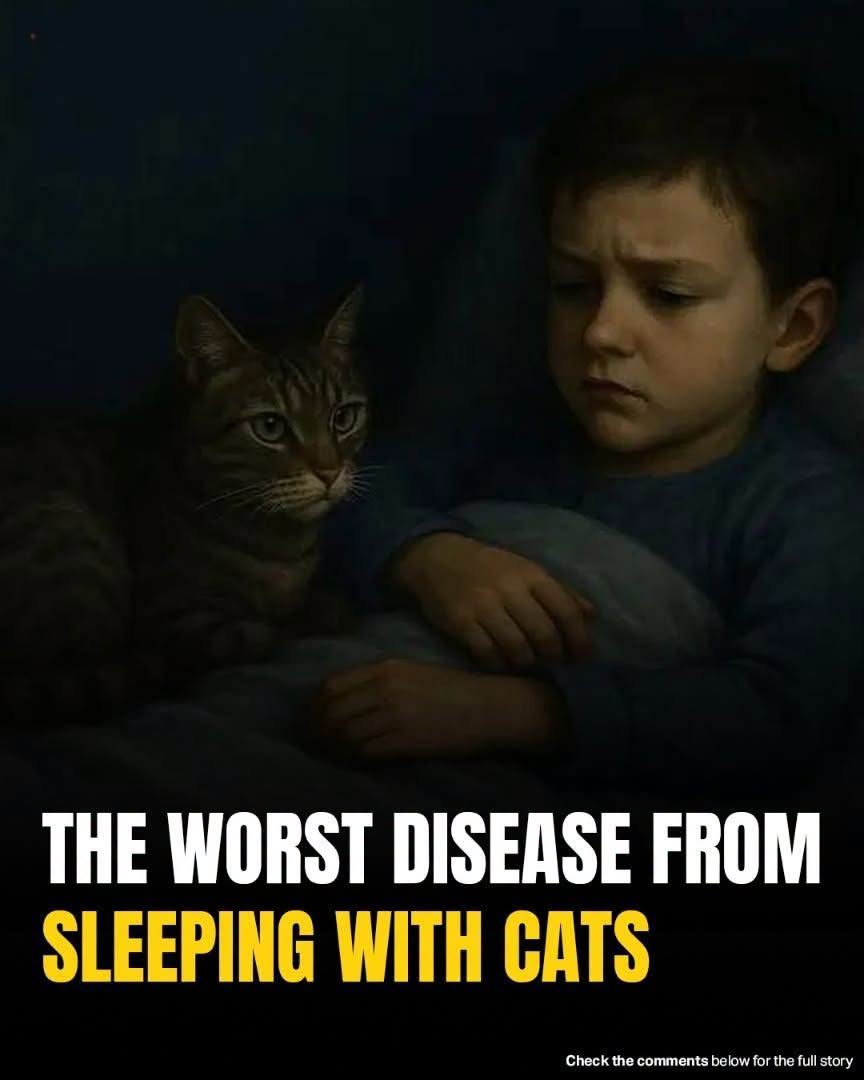
You may have seen alarming claims suggesting that sleeping with a cat can expose you to a “silent, deadly disease” called toxoplasmosis.
The reality is far less frightening.
Simply sleeping next to a healthy cat is not considered a major way people become infected with toxoplasmosis.
The infection is caused by a parasite called Toxoplasma gondii, and the main risks involve contact with contaminated cat feces, eating undercooked meat, or consuming contaminated food or water.
For most healthy people, infection causes no symptoms or only a mild illness.
However, toxoplasmosis deserves special attention during pregnancy and in people with significantly weakened immune systems.
What Is Toxoplasmosis?
Toxoplasmosis is an infection caused by the microscopic parasite Toxoplasma gondii.
The parasite is found worldwide and can infect many warm-blooded animals.
Cats play a unique role because members of the cat family are the parasite’s definitive hosts, meaning the organism can reproduce sexually in their intestines.
An infected cat can temporarily shed microscopic parasite eggs, called oocysts, in its feces.
Those oocysts can then contaminate:
- Soil
- Garden areas
- Sand
- Water
- Produce
- Litter boxes
People can become infected if the parasite accidentally enters the mouth.
Does Sleeping With Your Cat Give You Toxoplasmosis?
Usually, no.
This is where many viral warnings become misleading.
Toxoplasmosis is not typically transmitted simply because a cat sleeps beside you, touches you, or curls up on your blanket.
The parasite isn’t normally spread through a cat’s breath or ordinary casual contact.
The more important cat-related risk is accidentally ingesting microscopic material contaminated with infected feces.
For example, exposure could potentially occur after cleaning a litter box and then touching your mouth or preparing food without washing your hands.
So the important issue isn’t the bed itself.
It’s fecal contamination and hygiene.
How Do People Most Commonly Catch Toxoplasmosis?
Cat litter gets a lot of attention, but it isn’t the only—and may not even be the most important—source of infection.
People can acquire toxoplasmosis through several routes.
Undercooked Meat
One major source is eating raw or inadequately cooked meat containing tissue cysts.
Risk can be associated particularly with certain undercooked meats.
Contaminated Produce or Soil
Fruits and vegetables can become contaminated through soil.
Gardening without gloves and then touching the mouth before washing the hands can also create exposure.
Cat Feces
Handling litter or contaminated soil can expose someone to oocysts shed by an infected cat.
Pregnancy
A person who becomes infected for the first time during pregnancy can potentially transmit the parasite to the developing baby.
This is known as congenital toxoplasmosis.
Why Doesn’t Every Cat Owner Get Toxoplasmosis?
Cats don’t continuously shed the parasite throughout their lives.
A cat that becomes infected generally sheds oocysts for a relatively limited period.
Additionally, freshly passed oocysts don’t immediately become infectious.
They generally require approximately 1–5 days in the environment before becoming capable of causing infection.
That’s one reason why cleaning a litter box every day is useful.
Removing feces promptly reduces the opportunity for oocysts to mature.
Can You Get Toxoplasmosis by Petting Your Cat?
The risk from simply touching or petting a cat is considered very low.
Cats are fastidious groomers, and infectious material is not normally present on their fur in quantities that make routine petting a major transmission route.
Good hand hygiene is still sensible, particularly:
- Before preparing food
- Before eating
- After handling litter
- After gardening
- After cleaning areas contaminated with animal waste
But there is generally no reason to avoid normal affection with a healthy cat solely because of toxoplasmosis.
Who Needs to Be Most Careful?
Toxoplasmosis is usually mild or asymptomatic in healthy people.
Certain groups face greater risks.
Pregnant People
If someone becomes infected for the first time during pregnancy, the parasite can potentially cross the placenta and affect the developing baby.
Possible complications can be serious.
This does not mean pregnant people automatically need to give away their cats.
With appropriate precautions, many people safely continue living with their cats throughout pregnancy.
People With Weakened Immune Systems
Toxoplasmosis can become much more serious in people whose immune systems are severely compromised.
In these individuals, an old infection can sometimes reactivate and affect organs such as the brain or eyes.
Anyone who is immunocompromised should follow personalized medical advice regarding infection prevention.
Symptoms of Toxoplasmosis
Most healthy people who become infected never realize it.
When symptoms occur, they may resemble a mild viral illness and include:
- Swollen lymph nodes
- Fatigue
- Muscle aches
- Headache
- Mild fever
Symptoms can last for days or weeks.
Severe disease is uncommon in people with healthy immune systems.
How to Handle a Litter Box Safely
You don’t need to fear the litter box, but good hygiene matters.
Clean It Daily
Because oocysts usually require time to become infectious, removing feces every day helps reduce risk.
Wear Gloves
Disposable gloves can reduce direct contact with litter and fecal material.
Wash Your Hands
Wash thoroughly with soap and water afterward.
Pregnancy Precaution
If possible, someone else can clean the litter box during pregnancy.
If that isn’t possible, wearing gloves and washing thoroughly afterward are important precautions.
A mask isn’t generally the key protective measure against toxoplasmosis because the primary concern is accidentally ingesting contaminated material rather than breathing it in.
Keep Cats Indoors When Possible
Cats usually become infected by eating infected prey or raw meat.
Keeping a cat indoors reduces opportunities to hunt:
- Mice
- Birds
- Other small animals
Indoor cats that eat commercial cat food and don’t hunt are generally at lower risk of acquiring new infection.
Don’t Feed Cats Raw Meat
Feeding raw or undercooked meat may expose cats to Toxoplasma gondii.
Commercially prepared cat food or appropriately cooked food can reduce this risk.
Food Safety Matters Just as Much
Preventing toxoplasmosis isn’t only about cats.
People can also reduce risk by practicing good food hygiene.
Helpful precautions include:
- Cooking meat thoroughly
- Washing fruits and vegetables
- Washing knives and cutting boards after raw meat
- Washing hands after handling raw meat
- Avoiding untreated contaminated water
- Wearing gloves while gardening
These precautions become particularly important during pregnancy or when someone has a weakened immune system.
What About Kissing Your Cat?
Toxoplasmosis is not generally transmitted through a cat’s saliva.
Still, letting pets lick your mouth or face isn’t ideal hygiene because cats can carry other microorganisms.
Normal cuddling and affection are very different from direct exposure to feces or contaminated materials.
Should Pregnant People Avoid Cats?
No.
Pregnancy does not automatically mean you need to remove your cat from your home.
Instead, focus on sensible precautions:
- Avoid handling cat feces when possible
- Have someone else clean the litter box
- If you must clean it, wear gloves and wash your hands
- Clean the box daily
- Keep the cat indoors
- Don’t feed the cat raw meat
- Avoid handling stray cats or kittens unnecessarily
- Wear gloves while gardening
- Cook meat thoroughly
Anyone who is pregnant and worried about possible toxoplasmosis exposure should speak with their healthcare provider.
Blood testing may be considered in certain situations.
Is Toxoplasmosis Really “Deadly”?
Calling toxoplasmosis a “silent deadly disease” without context is unnecessarily alarming.
For most healthy adults, infection is either unnoticed or mild.
Serious complications are mainly a concern for:
- Developing fetuses
- People with severe immune suppression
- Rare cases involving the eyes, brain, or other organs
The seriousness of the disease depends greatly on the person’s health status and timing of infection.
Other Reasons You May Not Want Your Cat in Bed
Toxoplasmosis may not be the main concern, but sharing a bed with a pet isn’t completely risk-free.
Depending on the cat and household, possible issues include:
- Allergens
- Fleas or ticks
- Ringworm
- Scratches
- Sleep disruption
- Dirt or litter tracked onto bedding
Regular veterinary care, parasite prevention, clean bedding, and good household hygiene reduce many of these risks.
People with severe allergies or weakened immune systems may need additional precautions.
So, Is It Safe to Sleep With Your Cat?
For most healthy adults with a healthy, well-cared-for indoor cat, sharing a bed is generally a personal choice rather than a major toxoplasmosis risk.
The bigger preventive priorities are:
- Safe litter-box handling
- Proper handwashing
- Thoroughly cooking meat
- Washing produce
- Preventing cats from hunting
- Avoiding raw meat diets for cats
The Bottom Line
Toxoplasmosis is a real infection, and it can cause serious complications in certain vulnerable people.
But the idea that simply sleeping beside your cat puts you at high risk of catching a deadly disease is misleading.
The parasite Toxoplasma gondii is primarily transmitted when someone accidentally ingests contaminated material, including through undercooked meat, contaminated soil or produce, or exposure to infected cat feces.
So if your cat curls up beside you at night, you generally don’t need to panic.
Instead, focus on the precautions that actually matter:
Clean the litter box daily, wash your hands, keep your cat healthy and indoors when possible, handle food safely, and take extra precautions during pregnancy or if your immune system is significantly weakened.
Good hygiene—not fear of your cat—is the most practical way to reduce the risk.
More Blog
- Drinking Water on an Empty Stomach — What Science Actually Supports (No Hype, Just Facts)
- Waking Up Between 3 and 5 AM? It Might Be Your Soul Trying to Talk to You
- What a “Bleach” Patch on Your Underwear Really Means — And Why It’s Actually a Good Sign
- This Drink May Weaken Your Bones From The Inside — But Everyone Drinks It Anyway