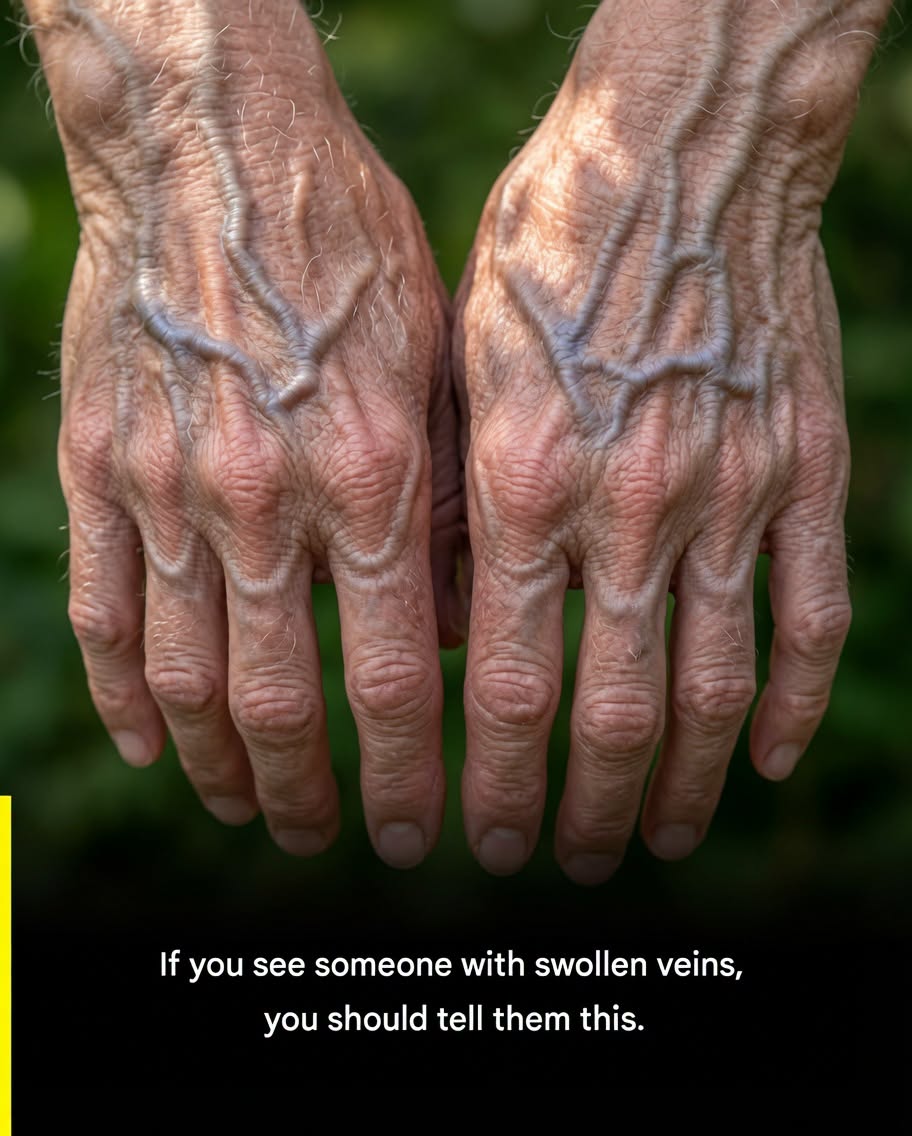
Have you ever looked down at your hands and noticed the veins becoming more visible than they used to be?
For many people, especially as they get older, the appearance of prominent veins on the hands can be surprising. Some immediately wonder whether it could be a sign of poor circulation, heart disease, or another hidden health problem. Others simply assume it is a normal part of aging and pay little attention to it.
The truth lies somewhere in between.
In most cases, visible veins on the hands are completely normal and do not indicate a serious medical condition. Factors such as genetics, body composition, physical activity, temperature, and aging often explain why veins become more noticeable over time. However, changes in the appearance of veins can sometimes provide valuable clues about circulation, vascular health, and overall wellness.
Understanding what causes hand veins to become more prominent—and recognizing when additional symptoms may warrant medical attention—can help people better understand their bodies and make informed decisions about their health.
Why Veins Become Visible
To understand why veins appear on the hands, it helps to understand their purpose.
Veins are blood vessels responsible for returning blood from the body’s tissues back to the heart. Unlike arteries, which carry oxygen-rich blood away from the heart under high pressure, veins operate under lower pressure and often sit closer to the skin’s surface.
The hands are particularly prone to visible veins because they naturally contain:
- Thin skin
- Limited fat tissue
- Numerous superficial veins
- Constant movement and circulation
As a result, even healthy veins can become highly visible under certain conditions.
For most people, prominent hand veins are not a cause for concern.
Instead, they often reflect completely normal physiological changes.
The Role of Aging
One of the most common reasons hand veins become more noticeable is aging.
As people grow older, several natural changes occur within the skin and connective tissues.
The skin gradually becomes thinner.
Collagen production decreases.
Subcutaneous fat beneath the skin diminishes.
These changes make structures beneath the skin—including veins—more visible.
At the same time, vein walls may become slightly less elastic.
This can cause veins to appear larger or more pronounced than they did during younger years.
Many people first notice prominent hand veins in their 40s, 50s, or later.
In most cases, this is simply a normal part of the aging process rather than a sign of disease.
Low Body Fat and Visible Veins
Body composition plays a significant role in vein visibility.
People with lower body fat percentages often have more prominent veins throughout their bodies.
This occurs because there is less tissue covering the blood vessels.
Athletes frequently display visible veins on:
- Hands
- Arms
- Legs
- Shoulders
Bodybuilders are particularly known for pronounced vascularity due to low body fat combined with increased muscle mass.
For these individuals, visible veins are often considered a sign of physical conditioning rather than a health concern.
Even among non-athletes, natural differences in body composition can significantly affect vein appearance.
Genetics Matter More Than Many Realize
Some people simply inherit visible veins.
Genetics influence numerous characteristics related to circulation and skin structure.
These include:
- Vein size
- Vein location
- Skin thickness
- Connective tissue density
- Fat distribution
As a result, some individuals naturally have more noticeable veins than others, regardless of health status.
If several family members have prominent hand veins, genetics may be the primary explanation.
This is often completely normal.
Temperature and Temporary Changes
Have you ever noticed your veins appearing larger during hot weather?
Temperature affects blood vessels significantly.
When the body becomes warm, blood vessels near the skin surface expand in a process called vasodilation.
This helps release excess heat and regulate body temperature.
As veins expand, they often become more visible.
Similarly, activities such as:
- Hot showers
- Sauna use
- Outdoor exercise
- Warm climates
can temporarily increase vein prominence.
Once body temperature returns to normal, the veins often become less noticeable.
These changes are usually harmless and temporary.
Physical Activity and Circulation
Exercise frequently causes veins to stand out more prominently.
During physical activity, muscles require increased oxygen and nutrients.
Blood flow increases accordingly.
Muscles also expand during exercise, placing pressure on surrounding veins.
This combination causes veins to become temporarily enlarged and more visible.
Weight training is particularly associated with this effect.
Many people notice increased vascularity immediately following exercise sessions.
This response generally reflects healthy circulation rather than a medical problem.
Understanding the Circulatory System
The appearance of veins often leads people to think about circulation.
The circulatory system is responsible for transporting:
- Oxygen
- Nutrients
- Hormones
- Immune cells
- Waste products
throughout the body.
The heart serves as the system’s central pump.
Arteries carry blood away from the heart.
Veins return blood back to it.
When circulation functions properly, tissues receive the resources they need to remain healthy.
Visible veins alone do not necessarily indicate poor circulation.
In fact, healthy veins performing their normal function may simply be easier to see in certain individuals.
Do Visible Veins Mean Heart Disease?
This is perhaps the most common concern.
Fortunately, in most cases, the answer is no.
Visible hand veins alone are not considered a reliable indicator of heart disease.
Heart disease typically involves problems affecting:
- Coronary arteries
- Heart muscle
- Heart valves
- Electrical conduction systems
The appearance of superficial veins on the hands usually has little connection to these conditions.
However, certain vascular disorders may affect vein appearance and circulation.
Understanding these conditions can help distinguish normal changes from potential concerns.
Varicose Veins and Vein Function
Varicose veins occur when valves inside veins become weakened or damaged.
Normally, these valves help blood flow toward the heart.
When they fail, blood can pool within the veins.
This causes veins to become:
- Enlarged
- Twisted
- Bulging
Varicose veins most commonly affect the legs because gravity places additional stress on lower-body circulation.
Although less common in the hands, similar vein changes can occasionally occur elsewhere in the body.
Symptoms may include:
- Aching
- Heaviness
- Swelling
- Discomfort
These issues relate primarily to vein function rather than heart disease itself.
Chronic Venous Insufficiency
Another circulation-related condition is chronic venous insufficiency.
This develops when veins struggle to return blood efficiently to the heart.
As blood pools, pressure builds within the veins.
Over time, symptoms may include:
- Swelling
- Skin changes
- Pain
- Leg fatigue
- Visible vein enlargement
Although chronic venous insufficiency affects circulation, it does not necessarily indicate a heart problem.
Instead, it reflects issues within the venous system itself.
Early treatment often helps prevent complications.
Warning Signs That Should Not Be Ignored
While visible veins alone are usually harmless, certain symptoms may warrant medical evaluation.
Contact a healthcare professional if prominent veins are accompanied by:
Persistent Swelling
Ongoing swelling in the hands, feet, or legs may indicate circulation problems.
Pain or Tenderness
Painful veins should not be ignored.
Skin Discoloration
Changes in skin color near veins can sometimes signal vascular issues.
Numbness or Tingling
Persistent nerve-related symptoms may require assessment.
Cold Extremities
Unusually cold hands or fingers can sometimes indicate circulation concerns.
Slow-Healing Wounds
Poor wound healing may suggest blood flow problems.
These symptoms do not automatically indicate serious disease, but they deserve professional evaluation.
The Relationship Between Veins and Overall Health
Visible veins often encourage people to think about circulation.
While vein appearance alone rarely predicts major health problems, overall vascular health remains important.
Healthy blood vessels support:
- Heart health
- Brain function
- Organ performance
- Physical endurance
- Immune system activity
Protecting circulation benefits the entire body.
This makes healthy lifestyle choices particularly valuable.
Lifestyle Habits That Support Healthy Circulation
Fortunately, many habits that support heart health also benefit veins and circulation.
Stay Physically Active
Regular movement helps blood circulate efficiently.
Walking, swimming, cycling, and other aerobic activities support vascular health.
Maintain a Balanced Diet
A nutrient-rich diet supports blood vessel function.
Foods rich in fruits, vegetables, whole grains, and healthy fats may promote cardiovascular wellness.
Stay Hydrated
Adequate hydration helps maintain healthy blood volume and circulation.
Avoid Prolonged Sitting
Long periods of inactivity can slow circulation.
Frequent movement encourages healthy blood flow.
Manage Body Weight
Maintaining a healthy weight reduces stress on both the heart and blood vessels.
Monitor Blood Pressure
High blood pressure can damage blood vessels over time.
Regular monitoring helps identify problems early.
How Healthcare Professionals Evaluate Circulation
If circulation concerns arise, healthcare providers may perform several assessments.
These can include:
- Physical examinations
- Blood pressure measurements
- Ultrasound studies
- Blood tests
- Cardiovascular evaluations
These tools help determine whether symptoms relate to circulation, vein function, or other medical conditions.
Early evaluation often leads to better outcomes when treatment is needed.
Common Myths About Visible Veins
Several misconceptions surround visible hand veins.
Myth: Visible Veins Always Mean Poor Circulation
Reality: Healthy veins are often visible, especially in individuals with thin skin or low body fat.
Myth: Prominent Veins Indicate Heart Disease
Reality: Most visible hand veins have no direct connection to heart disease.
Myth: Veins Should Never Be Visible
Reality: Vein visibility varies greatly among individuals and is often completely normal.
Understanding these facts can reduce unnecessary anxiety.
The Importance of Paying Attention to Your Body
While visible hand veins are usually harmless, paying attention to bodily changes remains important.
The body often provides subtle clues about overall health.
Monitoring changes allows individuals to recognize patterns and seek medical advice when necessary.
Awareness does not mean assuming the worst.
Instead, it means understanding normal variations while recognizing when symptoms deserve attention.
Knowledge is one of the most valuable tools for maintaining health.
Conclusion
Visible veins on the hands are usually a normal part of human anatomy rather than a warning sign of heart disease. Factors such as aging, genetics, low body fat, exercise, and temperature changes commonly explain why veins become more noticeable over time.
Although certain vein conditions can affect circulation, prominent hand veins alone rarely indicate serious cardiovascular problems. However, symptoms such as swelling, pain, skin changes, numbness, or slow-healing wounds should be evaluated by a healthcare professional.
Maintaining healthy circulation through regular exercise, balanced nutrition, hydration, weight management, and routine health checkups supports both vein function and heart health.
Ultimately, visible hand veins often serve as a reminder of the remarkable circulatory system working continuously beneath the skin—quietly transporting blood, nutrients, and oxygen throughout the body every moment of every day.
More Health
- Cockroach Milk: Could It Become the Superfood of the Future?
- Foamy Urine: Here’s Why You Have Bubbles in Your Urine and When to Pay Attention
- More Than a Moment: Understanding the Layers of Intimacy and What Creates Lasting Connection
- Sleeping With the Wrong Person: The Emotional, Social, and Personal Consequences People Often Overlook