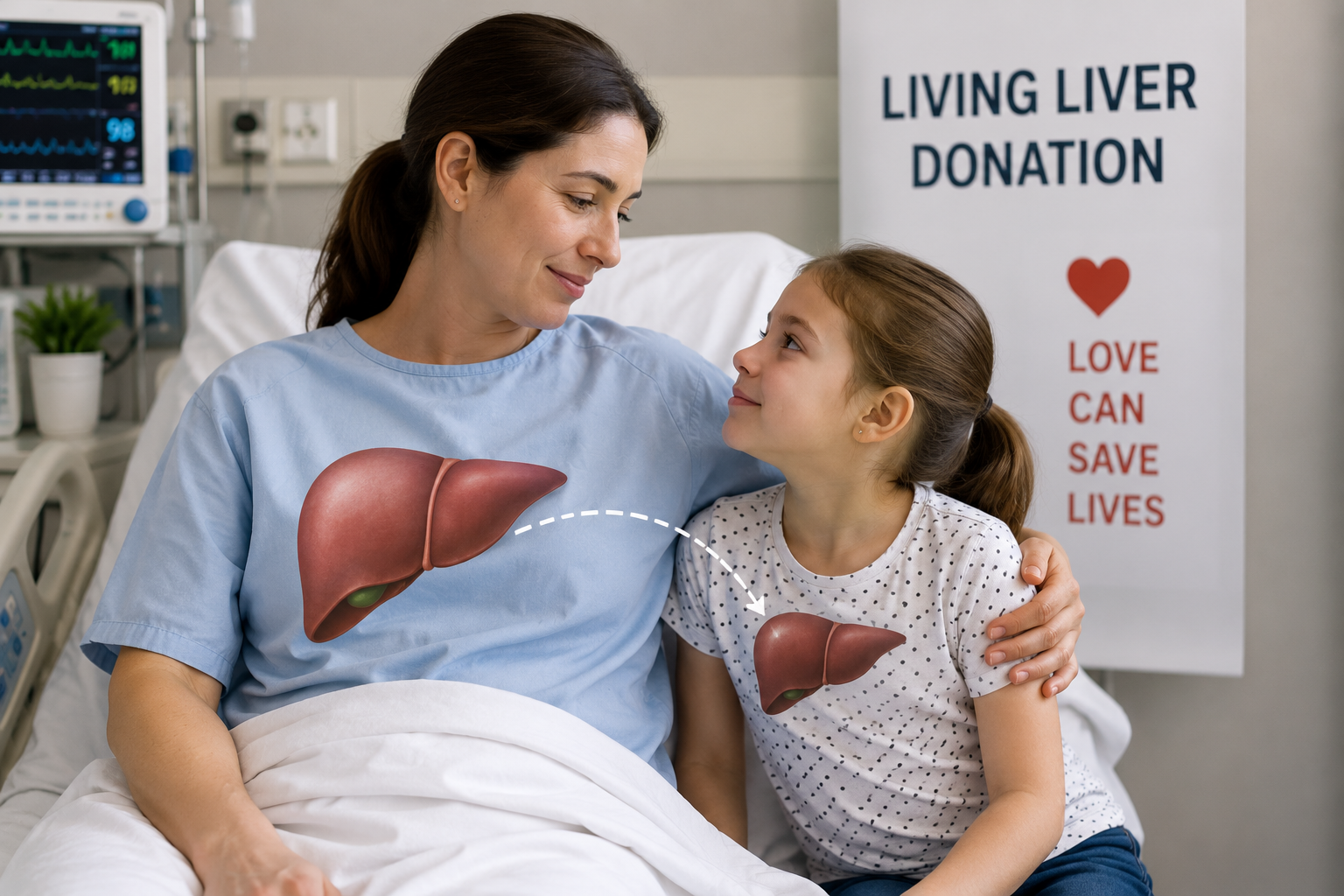
Living liver donation is one of the most remarkable advances in modern medicine. It offers hope to people with severe liver disease while providing an opportunity for healthy individuals to help save the life of a family member or loved one. Although emotional stories about liver donation often go viral online, the medical process behind these transplants is far more detailed than a brief social media post can explain.
The success of living liver transplantation depends on careful planning, advanced surgical techniques, and ongoing medical care. One of the most unique aspects of the liver is its ability to regenerate. This natural process allows surgeons to transplant part of a healthy person’s liver into a recipient, with both the donor’s remaining liver and the transplanted portion gradually growing to meet the body’s needs.
Understanding how living liver donation works helps separate medical facts from common misconceptions while highlighting the dedication of donors, recipients, and healthcare professionals who make these life-saving procedures possible.
What Is Living Liver Donation?
Living liver donation involves removing a portion of a healthy person’s liver and transplanting it into someone whose liver is no longer functioning properly. Unlike many other organs, the liver has a remarkable capacity to regenerate, making this procedure possible.
Why the Liver Can Regenerate
The liver performs hundreds of essential functions, including:
- Filtering toxins from the blood
- Producing proteins needed for blood clotting
- Processing nutrients
- Storing vitamins and minerals
- Producing bile to aid digestion
When part of the liver is removed, specialized liver cells begin dividing and growing. Over several weeks and months, both the donor’s remaining liver and the transplanted portion increase in size and restore adequate liver function.
Although the liver regenerates effectively, it does not necessarily return to its exact original shape. Instead, it regains enough healthy tissue to perform its vital functions.
Who Can Become a Living Donor?
Not everyone is eligible to donate part of their liver.
Potential donors typically undergo extensive evaluations that may include:
- Comprehensive physical examinations
- Blood testing
- Liver imaging studies
- Heart and lung assessments
- Psychological evaluations
- Reviews of medical history
- Blood type compatibility testing
These assessments help ensure that donation is as safe as possible for both the donor and the recipient. Medical teams carefully evaluate every case before approving surgery.
Many people who volunteer to donate ultimately learn they are not suitable candidates, which reflects the rigorous safety standards followed by transplant centers rather than a lack of willingness to help.
The Evaluation and Surgery Process
Living liver transplantation requires months of planning and careful coordination. Every stage is designed to protect the health of both the donor and the recipient while improving the likelihood of a successful transplant.
A Thorough Medical Evaluation
Before surgery is scheduled, both individuals undergo a series of detailed assessments performed by a multidisciplinary transplant team. These evaluations help determine whether living donation is the safest and most effective option.
The evaluation process may include:
- Blood tests to assess overall health and compatibility
- CT or MRI scans to examine the liver’s size and anatomy
- Heart and lung function tests
- Psychological evaluations to ensure informed decision-making
- Meetings with transplant surgeons and specialists
- Nutritional assessments
- Discussions about the risks, benefits, and recovery process
Medical teams carefully review all results before approving a transplant. If concerns arise about the health of either the donor or recipient, surgery may be postponed or alternative treatment options may be recommended.
What Happens During Surgery?
Living liver donation involves two separate surgical procedures performed by experienced transplant teams.
For the donor, surgeons remove a carefully measured portion of the liver while preserving enough healthy tissue for normal liver function. The exact amount removed depends on factors such as the size of the donor and recipient.
The donated liver segment is then transplanted into the recipient, where surgeons connect the blood vessels and bile ducts to restore circulation and liver function.
These are complex operations that often take several hours to complete. Following surgery, both patients are closely monitored in the hospital to detect any complications and ensure proper healing.
Recovery and Long-Term Care
Recovery from a living liver transplant does not end after leaving the hospital. Both donors and recipients require ongoing medical care and follow-up to support their long-term health.
Recovery for Living Donors
Although donors are healthy before surgery, donating part of the liver is still a major operation.
Recovery typically involves:
- Several days in the hospital
- Gradually increasing physical activity
- Managing temporary pain and fatigue
- Avoiding heavy lifting for several weeks
- Regular follow-up appointments and blood tests
Many donors are able to return to work and normal daily activities within a few months, although recovery times vary from person to person.
One of the most remarkable aspects of the process is the liver’s ability to regenerate. Over time, the remaining liver tissue grows, allowing donors to regain normal liver function while continuing to live healthy, active lives.
Life After a Liver Transplant
Recipients also face a significant recovery period after transplantation.
Long-term care often includes:
- Regular appointments with transplant specialists
- Routine blood tests to monitor liver function
- Medications to help prevent organ rejection
- Healthy lifestyle habits, including balanced nutrition and regular exercise
- Ongoing monitoring for potential complications
With proper medical care and adherence to treatment plans, many liver transplant recipients enjoy improved health and quality of life. Continued communication with healthcare providers remains an essential part of maintaining the success of the transplant for years to come.
Frequently Asked Questions
Is living liver donation safe?
Living liver donation is considered safe for carefully selected donors who undergo extensive medical screening. However, it is still major surgery and carries risks, including infection, bleeding, blood clots, and complications related to anesthesia. Transplant teams work to minimize these risks through comprehensive evaluations and expert surgical care.
How long does it take for the liver to regenerate?
The liver begins regenerating soon after surgery. Most regeneration occurs during the first few months, although the process continues over time. Both the donor’s remaining liver and the transplanted portion in the recipient grow enough to support normal liver function, provided recovery progresses as expected.
Who can receive a living liver transplant?
Living liver transplantation may be an option for people with severe liver disease, liver failure, or certain liver tumors when a transplant is medically appropriate. Eligibility depends on many factors, including the individual’s overall health, the severity of liver disease, and a thorough evaluation by a transplant center.
Can someone live a normal life after donating part of their liver?
Many living liver donors return to their normal routines after recovering from surgery. Following medical guidance, attending follow-up appointments, and allowing adequate time for healing are important parts of recovery. Most donors go on to live healthy, active lives.
Why is living liver donation important?
Living liver donation can reduce waiting times for transplantation and provide a life-saving option for patients with advanced liver disease. It also allows the transplant to be planned in advance, which may improve outcomes for both the donor and the recipient when compared with waiting for a deceased donor organ.
Conclusion
Living liver donation is a remarkable example of how medical science and human generosity can work together to save lives. While viral stories often focus on the emotional aspects of donation, the real process involves careful medical evaluations, highly specialized surgical teams, and months of recovery and follow-up care.
The liver’s unique ability to regenerate makes living donation possible, but every transplant requires thoughtful planning to protect both the donor and the recipient. Extensive testing, ongoing monitoring, and long-term medical support all play essential roles in achieving successful outcomes.
Understanding the facts behind living liver transplantation helps replace misconceptions with reliable information. Whether inspired by a family story or simply interested in learning more, recognizing the science, commitment, and teamwork involved offers a deeper appreciation for one of modern medicine’s most extraordinary life-saving procedures.
More Health
- Cockroach Milk: Could It Become the Superfood of the Future?
- Foamy Urine: Here’s Why You Have Bubbles in Your Urine and When to Pay Attention
- More Than a Moment: Understanding the Layers of Intimacy and What Creates Lasting Connection
- Sleeping With the Wrong Person: The Emotional, Social, and Personal Consequences People Often Overlook