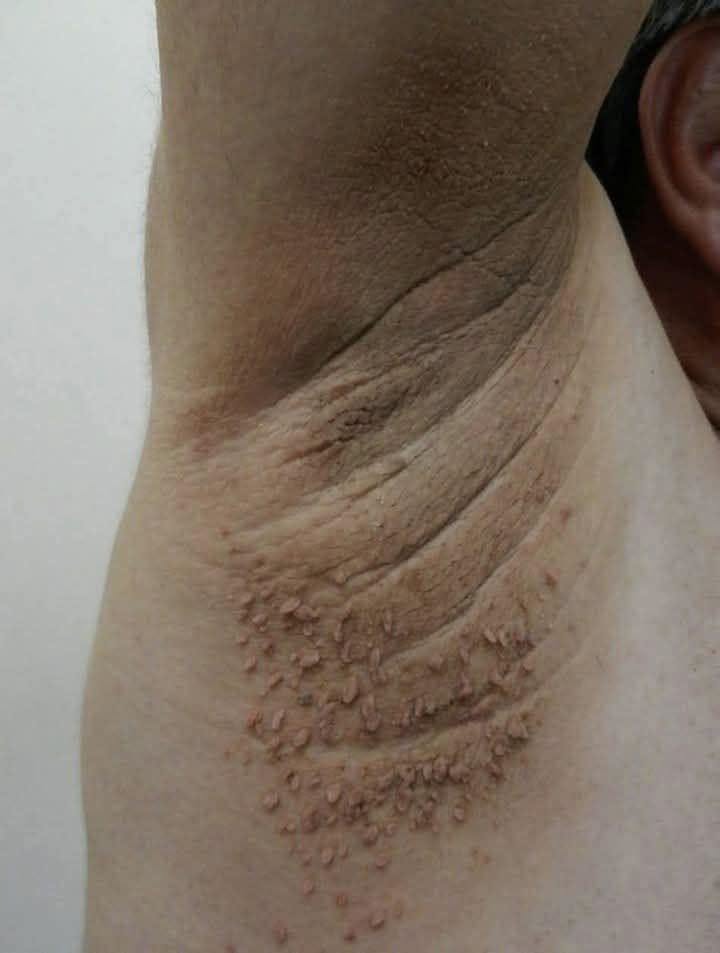
Many people discover dark patches on the back of the neck, under the arms, or in other skin folds and immediately assume the problem is dirt, poor hygiene, or a lack of proper skin care. They scrub harder, buy stronger soaps, or try home remedies, only to find that the discoloration refuses to disappear.
While harmless skin pigmentation and friction can sometimes cause darker areas, persistent velvety patches that do not wash away may be a condition called acanthosis nigricans. Although the skin changes themselves are usually not dangerous, they can sometimes be associated with underlying health conditions—most commonly insulin resistance, obesity, prediabetes, or type 2 diabetes.
Understanding what these skin changes may represent allows people to seek appropriate medical advice early rather than feeling embarrassed or ignoring an important health signal.
What Is Acanthosis Nigricans?
Acanthosis nigricans is a skin condition characterized by areas of skin that become darker, thicker, and velvety in texture. These patches develop gradually and most often appear where skin naturally folds.
Common locations include:
- Back of the neck
- Armpits
- Groin
- Elbows
- Knees
- Under the breasts
Unlike dirt or surface discoloration, these areas typically do not disappear with washing or scrubbing.
Why Does It Happen?
The most common cause is insulin resistance.
Insulin is a hormone that helps move glucose from the bloodstream into cells for energy. When the body’s cells become less responsive to insulin, the pancreas produces larger amounts to compensate.
High insulin levels may stimulate skin cells to grow more rapidly, leading to thickened, darker areas in susceptible individuals.
However, insulin resistance is not the only possible cause. Acanthosis nigricans may also be associated with:
- Obesity
- Polycystic ovary syndrome (PCOS)
- Certain medications
- Hormonal disorders
- Rare genetic conditions
- Rarely, certain internal cancers, especially when the condition appears suddenly, is extensive, or develops in older adults without typical risk factors
Because several different conditions can produce similar skin changes, medical evaluation is important.
Risk Factors
People may have a higher likelihood of developing acanthosis nigricans if they:
- Have overweight or obesity
- Have prediabetes or diabetes
- Have a family history of diabetes
- Have PCOS
- Take certain medications that influence insulin levels or hormones
Not everyone with these risk factors develops the condition, and not everyone with acanthosis nigricans has diabetes.
Children Can Develop It Too
Children and teenagers sometimes develop acanthosis nigricans, particularly when obesity or insulin resistance is present.
Finding these skin changes in a child does not mean they have diabetes, but it may prompt a healthcare professional to evaluate blood sugar and overall metabolic health.
Early identification provides an opportunity to encourage healthy eating, regular physical activity, and appropriate medical follow-up.
Conditions That Can Look Similar
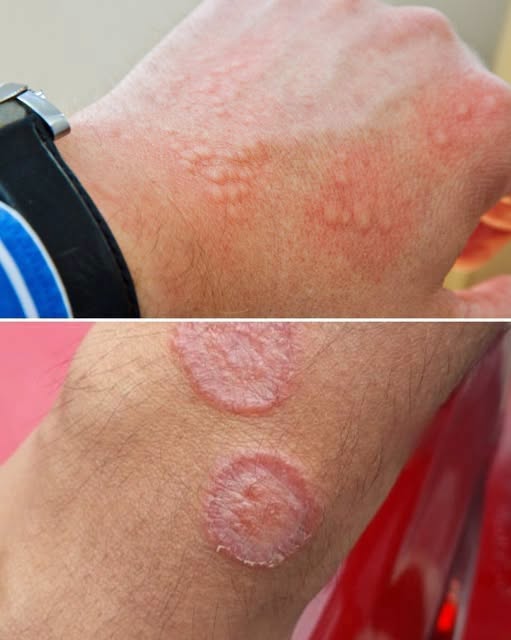
Not every dark patch is acanthosis nigricans.
Other possibilities include:
- Friction-related pigmentation
- Post-inflammatory hyperpigmentation
- Eczema
- Fungal infections
- Certain dermatitis conditions
- Terra firma-forme dermatosis
- Medication-related skin changes
Because treatment differs depending on the cause, self-diagnosis is often unreliable.
Can It Be Prevented?
Not every case is preventable, but maintaining overall metabolic health may reduce the risk associated with insulin resistance.
Helpful habits include:
- Regular physical activity
- Balanced nutrition
- Maintaining a healthy body weight
- Routine medical checkups
- Monitoring blood sugar when recommended
These measures benefit overall health regardless of whether skin changes are present.
Skin Care Tips
Although treating the underlying cause is most important, gentle skin care may improve comfort.
Recommended practices include:
- Wash with mild cleansers.
- Moisturize dry skin.
- Avoid aggressive scrubbing.
- Wear loose, breathable clothing.
- Reduce friction where possible.
Harsh exfoliation usually does not remove the discoloration and may irritate the skin.
When Should You See a Doctor?
Arrange a medical evaluation if:
- Dark patches develop suddenly.
- They spread rapidly.
- The skin becomes painful, itchy, or bleeds.
- You have symptoms such as excessive thirst, frequent urination, unexplained weight loss, or fatigue.
- A child develops persistent dark velvety patches.
Healthcare professionals may recommend blood glucose testing, HbA1c testing, or other evaluations depending on your medical history.
Frequently Asked Questions
Is acanthosis nigricans contagious?
No. It cannot spread from one person to another.
Can better hygiene remove it?
No. Washing or scrubbing does not eliminate acanthosis nigricans.
Does everyone with it have diabetes?
No. Although insulin resistance is common, several other conditions may also cause it.
Can treatment make the skin lighter?
In many cases, treating the underlying cause—especially improving insulin resistance—may gradually improve the appearance of the skin. Dermatologists may also recommend topical treatments in some situations.
Should I be worried?
The condition itself is usually not dangerous, but it is worth discussing with a healthcare professional because it can sometimes be an early clue to an underlying health condition.
Final Thoughts
Our skin often reflects changes occurring inside the body. Persistent dark, velvety patches around the neck or other skin folds should not automatically be dismissed as poor hygiene or ignored out of embarrassment. While many cases are linked to insulin resistance and other manageable conditions, only a qualified healthcare professional can determine the underlying cause.
Early evaluation provides an opportunity to identify potential health concerns, begin appropriate treatment if necessary, and support long-term well-being. If you notice persistent skin changes that concern you, schedule an appointment with your healthcare provider rather than relying solely on home remedies or internet advice. Listening to your body’s signals is an important step toward protecting your health.
More Health
- Cockroach Milk: Could It Become the Superfood of the Future?
- Foamy Urine: Here’s Why You Have Bubbles in Your Urine and When to Pay Attention
- More Than a Moment: Understanding the Layers of Intimacy and What Creates Lasting Connection
- Sleeping With the Wrong Person: The Emotional, Social, and Personal Consequences People Often Overlook