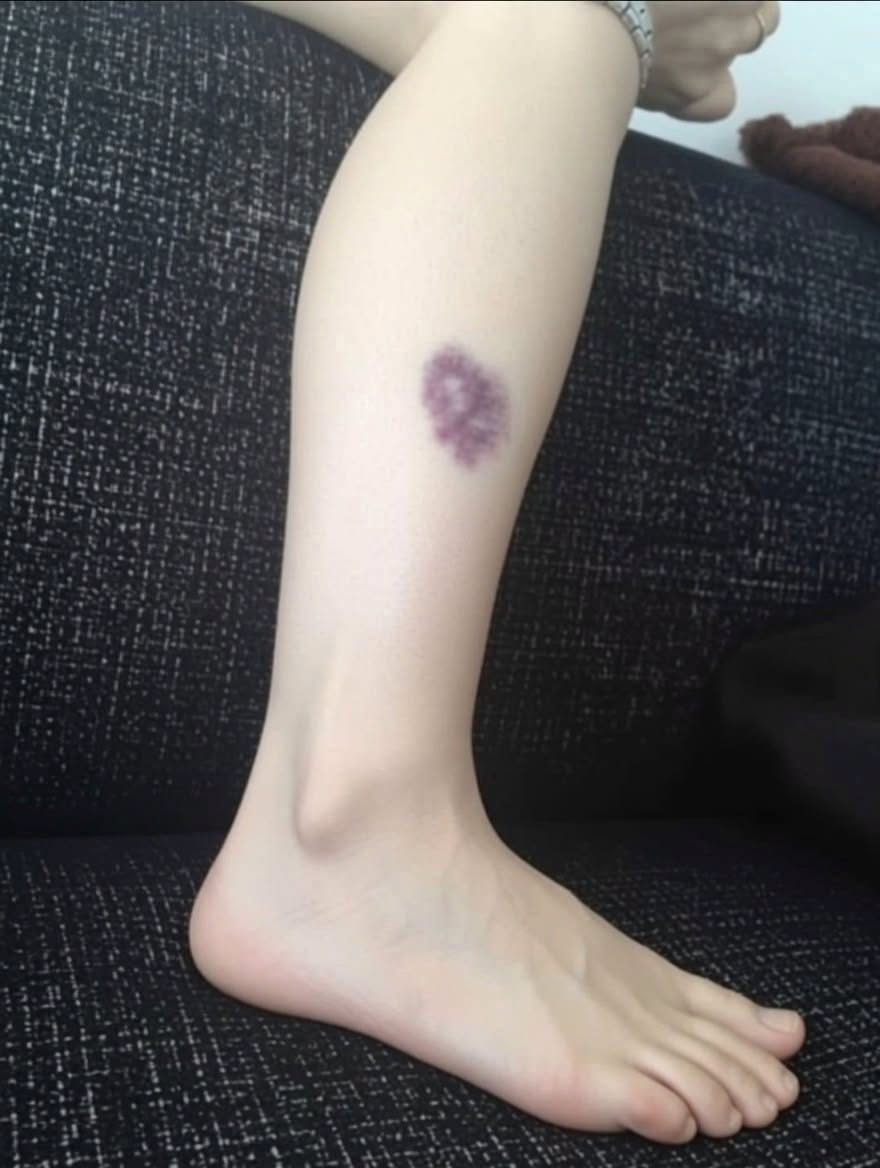
Be Careful If You Get These Bruises on Your Body when they appear frequently, grow unusually large, or develop without an obvious bump or injury. Most bruises come from everyday impacts and heal naturally. However, repeated or unexplained bruising can sometimes point to medication effects, nutritional problems, changes in blood clotting, fragile blood vessels, or an underlying medical condition that deserves professional evaluation.
A bruise develops when tiny blood vessels beneath the skin break and allow blood to collect in nearby tissue. Although this process usually causes no serious problem, the pattern of bruising matters. Therefore, noticing when bruises appear, how long they last, and whether other symptoms occur can help you decide when to contact a healthcare professional.
I once noticed several bruises along my legs and arms during the same week, even though I could not remember bumping into anything. At first, I ignored them because I assumed everyday activity had caused them. However, when another bruise appeared, I started thinking about changes in my routine. I had recently started exercising more often and had also added a new supplement. That experience reminded me that bruises have many possible causes and that guessing can create unnecessary worry. Since then, I pay attention to patterns, medications, diet, and other symptoms instead of judging one bruise by appearance alone.
Understanding Why Bruises Form
What Happens Beneath the Skin
Be Careful If You Get These Bruises on Your Body, but first understand how an ordinary bruise develops. A bruise, also called a contusion, forms after small blood vessels called capillaries break beneath the skin.
When those vessels rupture, a small amount of blood leaks into surrounding tissue. Because the skin usually remains intact, you see the trapped blood as discoloration rather than external bleeding.
Initially, a bruise may look red, purple, dark blue, or almost black. However, the body gradually breaks down and reabsorbs the blood. Therefore, the bruise often changes to green, yellow, or brown before disappearing.
These color changes usually represent normal healing.
Everyday bumps cause many bruises. For example, you may strike your leg against furniture and forget about it within minutes. Later, a bruise appears and seems unexplained because you no longer remember the minor injury.
Additionally, exercise can cause bruising. Contact sports, weight training, running, or activities that involve repeated pressure may create small injuries to blood vessels.
Consequently, a few occasional bruises on exposed areas such as the arms or legs usually do not indicate a serious medical problem.
Location also matters. Bruises on shins, knees, elbows, and forearms often occur because these areas commonly hit objects.
However, widespread bruising without an obvious explanation deserves closer attention, especially if the pattern represents a major change from what you normally experience.
Why Some People Bruise More Easily
Some people naturally develop bruises more easily than others. Aging provides one common explanation.
As people get older, their skin often becomes thinner. Additionally, the fatty layer beneath the skin can decrease. Because this layer normally helps protect small blood vessels, losing some of that cushioning makes vessels easier to injure.
Therefore, a small bump that produced no visible mark years earlier may cause a noticeable bruise later in life.
Genetics can also affect bruising tendencies. Some families simply notice bruises more readily than others.
However, medications can significantly increase bruising as well. Drugs that reduce blood clotting may allow more blood to escape from damaged vessels after relatively minor injuries.
Aspirin and prescription blood-thinning medications commonly affect clotting. Corticosteroids can also make skin thinner with prolonged use, which may increase susceptibility to bruising.
Certain supplements can affect bleeding tendencies too.
Therefore, Be Careful If You Get These Bruises on Your Body after starting a new medication or supplement. However, never stop a prescribed medication without speaking with the healthcare professional who manages it.
Instead, tell your clinician about the new bruising. They can determine whether the medication could contribute and whether any adjustment makes sense.
The timing provides an important clue. If you rarely bruised before but suddenly notice many bruises after a medication change, tell your healthcare provider about that pattern.
Common Causes of Frequent or Unexplained Bruising
Nutrition, Vitamins, and Everyday Habits
A balanced diet supports normal blood vessels, skin health, and blood clotting. Consequently, significant nutritional deficiencies can sometimes contribute to unusual bruising.
Vitamin C helps support collagen formation and blood vessel structure. Therefore, severe vitamin C deficiency can weaken tissues and contribute to bleeding or bruising.
Vitamin K plays an important role in producing proteins involved in normal blood clotting. Consequently, inadequate vitamin K or problems that interfere with its absorption may affect clotting.
However, an occasional bruise does not automatically indicate a vitamin deficiency.
Many people immediately assume that frequent bruising means they need more vitamins. Yet several medical and nonmedical causes can produce the same symptom. Therefore, supplements should not replace evaluation when bruising becomes unexplained or persistent.
Additionally, excessive supplement intake can cause problems. Some supplements may interact with medications or influence clotting.
Instead, aim for a varied diet that includes fruits, vegetables, whole grains, protein sources, and foods that naturally supply essential nutrients.
For example, citrus fruits, berries, peppers, and broccoli provide vitamin C. Meanwhile, leafy green vegetables supply vitamin K.
Alcohol consumption may also affect bruising in some circumstances, particularly when heavy or prolonged alcohol use affects the liver or nutritional status.
Therefore, Be Careful If You Get These Bruises on Your Body alongside other ongoing health changes. Rather than assuming one dietary factor explains everything, consider your overall pattern.
Medicines and Medical Conditions
Several medications can make bruising more noticeable.
Anticoagulants intentionally reduce the blood’s ability to form clots because they help prevent dangerous blood clots in people who need them. However, they can also increase bleeding and bruising.
Antiplatelet medicines, including aspirin in certain situations, can have a similar effect.
Additionally, prolonged corticosteroid use can thin the skin and surrounding tissues.
Some other medications and supplements may influence clotting or increase bleeding risk as well. Therefore, give your healthcare provider a complete list of everything you take, including nonprescription products.
Certain medical conditions can also cause unexplained bruising.
Platelets help blood clot after blood vessels become damaged. Consequently, conditions that reduce platelet numbers or interfere with platelet function may increase bruising or bleeding.
Similarly, deficiencies or abnormalities involving clotting proteins can cause abnormal bleeding.
Liver disease can sometimes affect clotting because the liver produces several important clotting factors.
Other conditions involving the blood or bone marrow can also produce unusual bruising. However, bruising alone cannot establish any of these diagnoses.
This distinction matters because alarming online claims sometimes connect ordinary bruises directly with cancer or another serious disease.
Be Careful If You Get These Bruises on Your Body does not mean that a bruise proves you have cancer. Many far more common causes exist.
Nevertheless, persistent unexplained bruising combined with other concerning symptoms deserves medical evaluation so a clinician can identify the actual cause.
Warning Signs That Deserve Medical Attention
Bruising Patterns You Should Not Ignore
Most ordinary bruises improve gradually. Therefore, bruising becomes more noteworthy when the pattern changes significantly.
For example, contact a healthcare professional if you suddenly begin developing many bruises without an obvious reason.
Similarly, unusually large bruises that develop after minimal or no remembered injury may deserve evaluation.
Bruises that repeatedly appear in unusual areas may also warrant attention. While arms and legs often sustain accidental bumps, widespread bruising across several body areas creates a different pattern.
Additionally, watch how long bruises take to heal. Normal bruises commonly change color and gradually fade as the body reabsorbs trapped blood.
However, bruises that persist unusually long, continue enlarging, or repeatedly appear may need assessment.
Be Careful If You Get These Bruises on Your Body if you also develop other forms of unexplained bleeding.
Frequent nosebleeds can provide an important clue. Bleeding gums may matter as well, particularly when the bleeding seems excessive or unrelated to dental irritation.
Likewise, blood in urine or stool requires attention.
For people who menstruate, unusually heavy or substantially changed menstrual bleeding can also provide useful information about an overall bleeding pattern.
A healthcare professional can evaluate these symptoms together rather than treating each one as an isolated problem.
Furthermore, seek urgent medical care for severe or uncontrollable bleeding, major bruising after significant trauma, or symptoms such as fainting, severe weakness, difficulty breathing, or confusion.
Other Symptoms That Change the Picture
Bruising deserves more attention when additional unexplained symptoms develop alongside it.
Persistent fatigue represents one example. Fatigue has many possible causes, and most do not involve a dangerous disease. However, fatigue plus recurrent unexplained bruising gives a healthcare professional more information to investigate.
Unexplained weight loss can also matter.
Likewise, recurrent fever, frequent infections, marked weakness, persistent swelling, or significant changes in general health should not be ignored.
Be Careful If You Get These Bruises on Your Body alongside small pinpoint red or purple spots that differ from ordinary bruises. These spots may represent tiny areas of bleeding beneath the skin and may require medical assessment depending on their cause and associated symptoms.
Additionally, abdominal swelling or pain, yellowing of the skin or eyes, or other signs suggesting liver problems should prompt medical attention.
None of these symptoms proves a particular diagnosis. Instead, they tell you when professional evaluation makes more sense than self-diagnosis.
Doctors often begin by reviewing your history. They may ask when the bruising started, whether relatives have bleeding disorders, which medicines you use, and whether your diet or lifestyle recently changed.
Depending on the situation, they may order blood tests that assess blood cell counts, platelets, or clotting function.
Therefore, recording your symptoms can help. Note when bruises appear, where they occur, and whether you remember an injury.
Practical Ways to Monitor and Reduce Everyday Bruising
Supporting Healthy Skin and Blood Vessels
You cannot prevent every bruise. However, several everyday habits can reduce avoidable injuries while supporting overall health.
First, eat a varied and balanced diet. Fruits and vegetables provide vitamins and other nutrients that support normal skin and blood vessel health.
Additionally, consume adequate protein because your body uses dietary protein to maintain and repair tissues.
Stay hydrated as well. Although drinking water does not directly prevent every bruise, hydration supports normal body function.
Physical activity also supports overall health. However, increase new exercise routines gradually when possible. Sudden intense activity may increase minor injuries, particularly if your body has not adapted to the movements.
Protective equipment can help during sports and physical work. Knee pads, elbow protection, proper footwear, and other equipment reduce repeated impacts.
At home, reduce common bumping hazards. For instance, improve lighting in dark hallways and remove clutter from walking paths.
Furthermore, avoid smoking because smoking damages many body systems and negatively affects skin and blood vessels.
Be Careful If You Get These Bruises on Your Body despite taking reasonable precautions. If the bruising continues without a clear explanation, prevention alone will not identify the underlying cause.
Instead, discuss the pattern with a healthcare professional.
What to Do When a New Bruise Appears
For a typical minor bruise after an ordinary bump, simple home care often provides enough support.
Initially, rest the affected area if it feels sore. You can also apply a cold pack wrapped in a cloth for short periods during the first day or two. Cold may help reduce swelling and discomfort.
Never apply ice directly to bare skin.
Additionally, elevating the affected limb may help limit swelling when practical.
After the initial period, the body usually continues healing naturally. The color may change several times, which commonly reflects the breakdown and reabsorption of blood beneath the skin.
Avoid aggressively massaging a fresh bruise because pressure can irritate injured tissue.
Also, consider whether medications affect which pain relievers you should use. If you take anticoagulants or have a bleeding disorder, ask your healthcare provider or pharmacist which over-the-counter pain medicines are appropriate.
Most importantly, Be Careful If You Get These Bruises on Your Body and they appear repeatedly without trauma.
Take a photo if you want to document size and progression for a medical appointment. Additionally, write down newly started medications, supplements, illnesses, or dietary changes.
This simple record can give a clinician valuable context.
Frequently Asked Questions
Does unexplained bruising mean I have cancer?
No. Unexplained bruising can have many possible causes, including minor unnoticed injuries, medication effects, aging, nutritional deficiencies, platelet problems, clotting disorders, and other medical conditions. Certain blood cancers can cause abnormal bruising, but bruises alone cannot diagnose cancer. If frequent unexplained bruising occurs alongside persistent fatigue, recurrent infections, unexplained weight loss, unusual bleeding, or other concerning symptoms, contact a healthcare professional for evaluation.
Why am I suddenly bruising more easily than before?
A sudden change may have several explanations. You may have increased physical activity, started a new medication or supplement, experienced changes in skin thickness, or developed another factor that influences blood vessels or clotting. Therefore, review recent changes and discuss persistent unexplained bruising with your healthcare provider.
Can vitamin deficiencies cause bruising?
Significant deficiencies involving nutrients such as vitamin C or vitamin K can contribute to abnormal bruising or bleeding. However, bruising does not prove that you have a deficiency. Because many causes exist, a healthcare professional can determine whether dietary assessment or testing makes sense.
When should bruising become a medical concern?
Be Careful If You Get These Bruises on Your Body when they appear frequently without injury, become unusually large, take a long time to heal, or accompany nosebleeds, bleeding gums, unusual fatigue, fever, unexplained weight loss, or other bleeding. Seek urgent medical care for severe bleeding, fainting, major trauma, or rapidly worsening symptoms.
Can medications make me bruise easily?
Yes. Anticoagulants, antiplatelet medications, corticosteroids, and certain other medicines or supplements can increase bruising. However, do not stop prescribed medication on your own. Instead, report new or increased bruising to the healthcare professional who prescribed it.
Conclusion
Be Careful If You Get These Bruises on Your Body, especially when bruises appear frequently, develop without a remembered injury, become unusually large, or occur alongside other forms of bleeding.
At the same time, avoid assuming that every unexplained bruise signals a serious disease. Ordinary bumps, exercise, aging, medicines, and individual differences cause many bruises.
The pattern provides more information than a single mark. Therefore, notice how often bruises appear, where they develop, how quickly they heal, and whether symptoms such as persistent fatigue, nosebleeds, bleeding gums, fever, or unexplained weight loss occur at the same time.
Medication history also matters. If bruising increases after you start a new medicine or supplement, tell your healthcare provider rather than stopping treatment yourself.
Above all, bruising cannot diagnose cancer, a clotting disorder, or another disease simply by appearance. Medical history, examination, and sometimes blood tests help determine the cause.
When unexplained bruising persists or your overall health changes at the same time, professional medical evaluation offers the safest and most reliable next step.
More Blog
- Drinking Water on an Empty Stomach — What Science Actually Supports (No Hype, Just Facts)
- Waking Up Between 3 and 5 AM? It Might Be Your Soul Trying to Talk to You
- What a “Bleach” Patch on Your Underwear Really Means — And Why It’s Actually a Good Sign
- This Drink May Weaken Your Bones From The Inside — But Everyone Drinks It Anyway