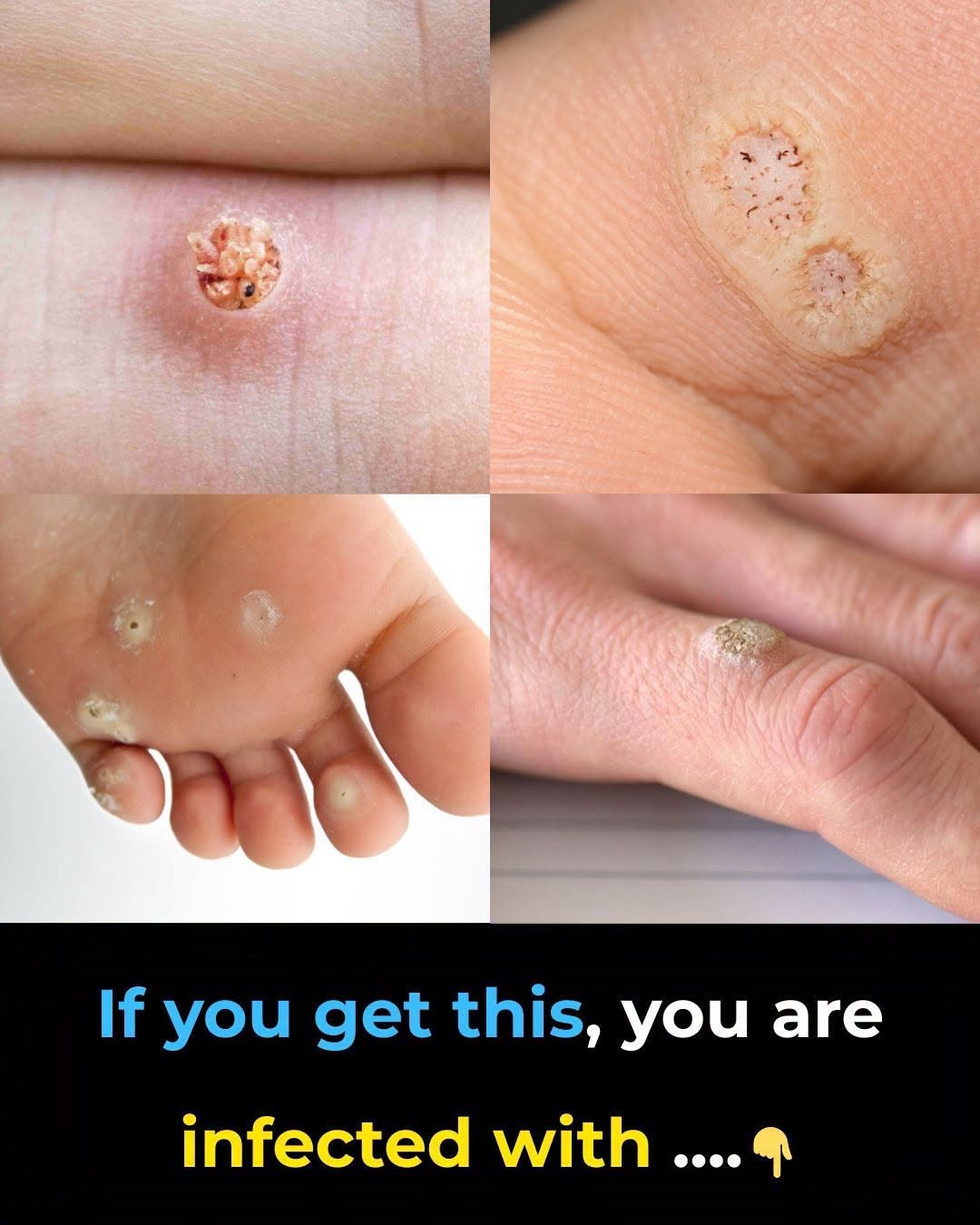
6 Types of Warts Explained gives you a practical way to understand several common wart patterns, where they tend to appear, and which ones you should never try to treat on your own. Human papillomavirus, or HPV, causes viral warts by infecting the outer layers of skin. Most ordinary skin warts remain benign, and many eventually disappear as the immune system clears the infection. However, different wart types can look surprisingly different, and other skin conditions can sometimes resemble them.
Because of that overlap, identification matters. A rough bump on a finger may behave very differently from a lesion on the face, around a nail, or in the genital area. Likewise, a painful growth on the sole may require a different approach from a painless wart on the hand.
I remember noticing a tiny rough bump near one finger and immediately examining it far more often than I should have. At first, every change seemed important. However, I eventually realized that careful observation helped much more than repeatedly touching the area. I stopped picking at it, looked at where it appeared and how its surface felt, and learned which warning signs deserved medical attention. That experience changed my approach to unfamiliar skin changes. Now I focus on protecting the skin, avoiding unnecessary home experiments, and getting professional advice whenever a growth looks unusual, painful, persistent, or difficult to identify.
Understanding the 6 Types of Warts Explained
Common, Plantar, and Flat Warts
The first group in 6 Types of Warts Explained includes three forms that many people encounter on ordinary skin: common warts, plantar warts, and flat warts.
Common warts, also called verruca vulgaris, usually develop on the hands and fingers. They often feel rough and grainy. In addition, you may notice tiny dark dots inside them. Those dots represent small clotted blood vessels rather than seeds or insect material.
Because HPV can spread through direct or indirect contact, picking at a common wart can encourage viral material to reach nearby damaged skin. Therefore, avoid biting, cutting, or repeatedly scratching the area.
Plantar warts develop on the soles of the feet. Pressure from standing and walking can push these warts inward and surround them with thickened skin. Consequently, some people describe them as feeling like a pebble beneath the foot. Plantar warts may become uncomfortable, especially when they grow in weight-bearing areas.
Flat warts tend to look smoother and less raised than common warts. They can occur in groups, and they may appear on areas such as the face, legs, or other shaved skin. However, facial growths deserve extra caution because ordinary over-the-counter wart treatments can irritate delicate facial skin. The American Academy of Dermatology lists salicylic acid as an at-home option for some flat warts but specifically excludes facial flat warts from that recommendation.
Therefore, location matters just as much as appearance.
Filiform, Periungual, and Genital Warts
The second half of 6 Types of Warts Explained includes filiform warts, periungual warts, and genital warts.
Filiform warts often form thin, finger-like projections. They commonly appear around the face or neck. Because facial skin can react strongly to acids, freezing products, cutting, or other aggressive treatments, professional evaluation provides a safer route when you suspect a filiform wart near the eyes, lips, nose, or other delicate structures.
Periungual warts grow around fingernails or toenails. Some extend underneath the nail. Because these growths can disrupt the skin surrounding the nail and complicate normal nail growth, they deserve careful treatment rather than aggressive filing, cutting, or chemical application.
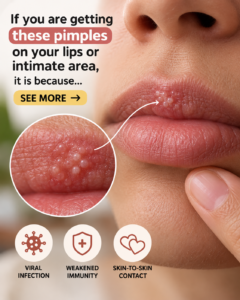
Genital warts require an entirely different approach. Specific HPV types cause anogenital warts, and these types differ from many of the HPV types involved in ordinary cutaneous warts. The HPV types that typically cause genital warts do not cause cancer, although other HPV types can cause precancerous changes and cancers.
Never use a standard drugstore wart remover intended for hands or feet on genital tissue. Healthcare professionals use treatments specifically designed for anogenital warts, and the best option depends on the number, size, and location of the lesions as well as individual circumstances.
Moreover, several other conditions can resemble genital warts. Therefore, an examination can confirm whether the growth actually represents a wart before treatment begins.
What Wart Symptoms Can Tell You
Texture, Location, and Discomfort Matter
When you use 6 Types of Warts Explained as a visual guide, start with three simple observations: where the growth appears, how its surface feels, and whether it causes discomfort.
For example, a small rough growth on a finger fits the typical pattern of a common wart more closely than a soft growth in the genital area. Likewise, a thickened tender spot beneath the foot may fit a plantar wart pattern. Nevertheless, appearance alone cannot guarantee a diagnosis.
Common warts usually feel coarse and raised, while plantar warts may sit beneath callused skin. Flat warts generally appear smoother. Meanwhile, filiform warts may project outward in narrow strands.
Location offers another clue. Common warts frequently affect the hands and fingers, while plantar warts occur on the soles.
However, you should pay equal attention to changes that do not fit a typical wart pattern.
For instance, bleeding without obvious injury, rapid growth, significant color changes, persistent ulceration, severe pain, or an uncertain diagnosis should prompt medical evaluation. A dermatologist can distinguish viral warts from moles, skin tags, corns, calluses, and other growths.
Also, resist the temptation to diagnose every rough bump as a wart. The skin can produce many types of harmless and medically important growths.
Therefore, 6 Types of Warts Explained should help you recognize common patterns rather than encourage self-diagnosis of every lesion.
If anything about a growth seems unusual, professional assessment provides clarity.
Why Warts Spread and Why Picking Makes Things Worse
Another important part of 6 Types of Warts Explained involves transmission.
HPV can move through direct contact with infected skin and, in some situations, through contaminated objects or surfaces. Small breaks in the skin can give the virus an opportunity to establish an infection. However, exposure does not guarantee that every person will develop a wart.
Because of this transmission pattern, picking creates several problems.
First, picking can damage the skin and cause bleeding. Furthermore, damaged neighboring skin may provide new places where viral material can spread. Repeated biting around fingernails can create similar problems.
Instead, wash your hands after applying wart treatments. Additionally, avoid sharing tools that touch a wart.
For example, if you use a disposable emery board as part of an approved salicylic acid routine, do not use that same board on healthy skin. The American Academy of Dermatology specifically advises against using a wart-filed tool elsewhere because it can spread the virus.
Likewise, cover a wart when friction or picking repeatedly irritates it.
In communal wet environments, reasonable footwear can also protect damaged skin on the feet.
Most importantly, avoid treating yourself as contaminated or unclean. Viral warts occur commonly, and hygiene alone does not determine who develops one. Instead, immune response, skin exposure, and tiny breaks in the skin all influence whether a wart appears.
A calm approach works better than excessive scrubbing.
Safer Home Care for Common Warts
Salicylic Acid and Patient Treatment
For suitable ordinary skin warts, 6 Types of Warts Explained points to one well-established home option: salicylic acid.
The American Academy of Dermatology recommends salicylic acid as an at-home treatment for selected common and plantar warts and some flat warts away from the face. Salicylic acid gradually removes layers of the wart rather than making the growth disappear overnight.
Always follow the product label because concentrations and instructions vary.
A typical dermatologist-supported routine starts by soaking the wart in warm water for about five minutes. Next, you can gently remove loose dead surface tissue with a disposable emery board or pumice stone that you reserve only for the wart. Then dry the area thoroughly and apply the product according to its directions.
However, more treatment does not mean faster treatment.
Salicylic acid can damage healthy surrounding skin, so protect nearby normal tissue and stop if severe irritation develops.
Additionally, do not apply ordinary wart remover to your face, genital area, mucous membranes, or another location that the product label excludes.
People with diabetes, reduced circulation, significant neuropathy, or weakened immunity should avoid self-treating foot warts unless a healthcare professional specifically approves the plan. Even small wounds can become more difficult to manage in these situations. NHS guidance specifically advises people with diabetes or immunosuppression not to self-treat plantar warts.
Patience also matters. Warts often require repeated treatment over several weeks.
Home Remedies to Skip or Approach Cautiously
Many articles about 6 Types of Warts Explained recommend apple cider vinegar, cutting, burning, essential oils, or other kitchen remedies. However, “natural” does not automatically mean gentle.
Acids such as vinegar can irritate healthy skin, especially when someone leaves a saturated cotton pad against the skin for hours. Therefore, you should not treat vinegar as an equivalent substitute for a standardized, properly labeled wart medication.
Similarly, never cut a wart off with scissors, nail clippers, blades, or razors. Cutting can trigger bleeding, infection, scarring, and additional spread.
Do not burn a wart with heated objects or harsh chemicals either.
Duct tape has also attracted attention as a home approach. However, study results have produced mixed conclusions, and clinicians do not consider it as consistently established as salicylic acid. If tape causes a rash, skin breakdown, or significant irritation, stop using it.
Furthermore, avoid aggressive treatment around the eyes, mouth, face, nails, or genital area.
Sometimes doing nothing immediately also makes sense. Many ordinary warts eventually disappear without treatment as the immune system responds to HPV. NHS guidance notes that warts can clear naturally, although the process may take months or even years.
Therefore, treatment becomes a personal decision when the diagnosis feels certain and the wart causes no significant problem.
You may choose treatment because the wart hurts, spreads, catches on objects, bothers you cosmetically, or persists.
On the other hand, you can seek medical care whenever you want confirmation or faster professional treatment.
When Professional Wart Care Matters
Warts That Need Medical Assessment
The most important lesson in 6 Types of Warts Explained involves knowing when home treatment stops making sense.
Seek medical advice when you cannot confidently identify a growth as a wart. Dermatologists routinely distinguish warts from other skin lesions, and that distinction becomes particularly important when a growth changes quickly or looks unusual.
You should also seek evaluation for persistent bleeding, substantial pain, signs of infection, rapid growth, or significant changes in appearance.
Location matters as well.
Have a healthcare professional evaluate suspected genital warts. The CDC lists several prescription and clinician-administered treatments for anogenital warts, while it also notes that some other genital conditions can resemble them.
Likewise, seek professional advice before aggressively treating warts close to the eyes, on delicate facial areas, or near nail structures.
People with diabetes, poor circulation, neuropathy, or weakened immune function should use additional caution, particularly with foot lesions.
Additionally, contact a professional if an appropriate home treatment produces no meaningful improvement after consistent use according to the product instructions.
A clinician may recommend prescription medication, cryotherapy, removal procedures, or another method depending on the wart.
No single treatment works perfectly for every wart. Therefore, recurrence does not necessarily mean that you did something wrong.
Instead, persistent viral tissue may simply require another approach.
Genital Warts and HPV Facts Worth Knowing
The genital-wart portion of 6 Types of Warts Explained deserves special attention because misinformation about HPV often causes unnecessary fear.
Different HPV types produce different health effects. The HPV types that cause most genital warts differ from the high-risk HPV types responsible for most HPV-related cancers. The CDC states that the types of HPV that cause genital warts do not cause cancer.
Nevertheless, genital warts still deserve medical evaluation.
Healthcare professionals usually diagnose anogenital warts by examining them. In uncertain or atypical situations, clinicians may use additional assessment. The CDC also notes that routine HPV testing does not confirm a genital-wart diagnosis or guide wart management.
Treatment may remove visible genital warts, but treatment does not instantly eliminate HPV from surrounding tissue. Warts can therefore recur.
Some untreated genital warts disappear on their own, while others remain unchanged or increase in size or number.
For that reason, treatment decisions depend on symptoms, location, personal preferences, pregnancy status, and other health considerations.
Most importantly, never apply over-the-counter hand or foot wart acid to genital tissue.
If you notice a new genital growth, schedule an evaluation instead of experimenting with online remedies.
That choice protects delicate skin and helps ensure that you treat the correct condition.
Frequently Asked Questions
Are all warts caused by HPV?
HPV causes viral warts, although many different HPV types exist. Different types tend to favor different skin or mucosal locations. Additionally, not every bump that resembles a wart actually represents an HPV wart, so uncertain growths deserve professional evaluation.
Will a wart disappear without treatment?
Yes, many ordinary warts eventually clear without treatment. However, the process can take months or years. You may still choose treatment when a wart hurts, spreads, interferes with daily activities, or causes cosmetic concern.
What home treatment works best for common warts?
For appropriate common and plantar warts, salicylic acid offers one of the best-supported over-the-counter approaches. Follow the package directions carefully and protect healthy skin. Do not use it on facial or genital lesions unless a qualified clinician specifically recommends an appropriate formulation and treatment plan.
Can I cut or pick a wart off?
No. Cutting or picking can cause bleeding, skin injury, and potential viral spread to nearby areas. Instead, use an appropriate labeled treatment or ask a dermatologist about removal options.
When should I worry that a growth may not be a wart?
Seek medical evaluation when you cannot confidently identify the growth, when it changes rapidly, repeatedly bleeds, becomes severely painful, develops signs of infection, or occurs in a sensitive location. Also seek professional advice for genital lesions and before self-treating foot lesions if you have diabetes, poor circulation, neuropathy, or weakened immunity.
Conclusion
6 Types of Warts Explained can make an unfamiliar skin bump easier to understand without encouraging risky home treatment.
Common warts usually develop as rough growths on hands and fingers. Plantar warts form on the feet and may hurt under pressure. Meanwhile, flat warts appear smoother and often smaller. Filiform warts develop narrow projections, periungual warts involve the nail area, and genital warts require a different medical approach.
Fortunately, many ordinary warts remain harmless and eventually disappear naturally.
When treatment makes sense, properly labeled salicylic acid provides a well-established home option for selected common and plantar warts. However, you should protect healthy skin and follow the instructions carefully.
Avoid cutting, burning, or aggressively treating warts with improvised household acids. Likewise, never use ordinary hand-and-foot wart remover on genital tissue.
Most importantly, trust uncertainty as a reason to get an examination rather than a reason to experiment.
6 Types of Warts Explained ultimately comes down to a straightforward approach: identify the location, observe the appearance, protect the surrounding skin, choose evidence-supported care when appropriate, and seek professional help whenever the diagnosis or treatment feels uncertain.
More Home Remedies
- Wrinkled Fingers After Water Exposure: What Your Skin May Be Telling You
- Skin Rash With Breathing Trouble? It Could Be a Life-Threatening Allergic Reaction
- I Thought It Was a Piece of Trash on the Bathroom Floor—Until It Moved
- If You Are Getting White Pimples on Your Lips or Intimate Area, Here’s What They Could Mean