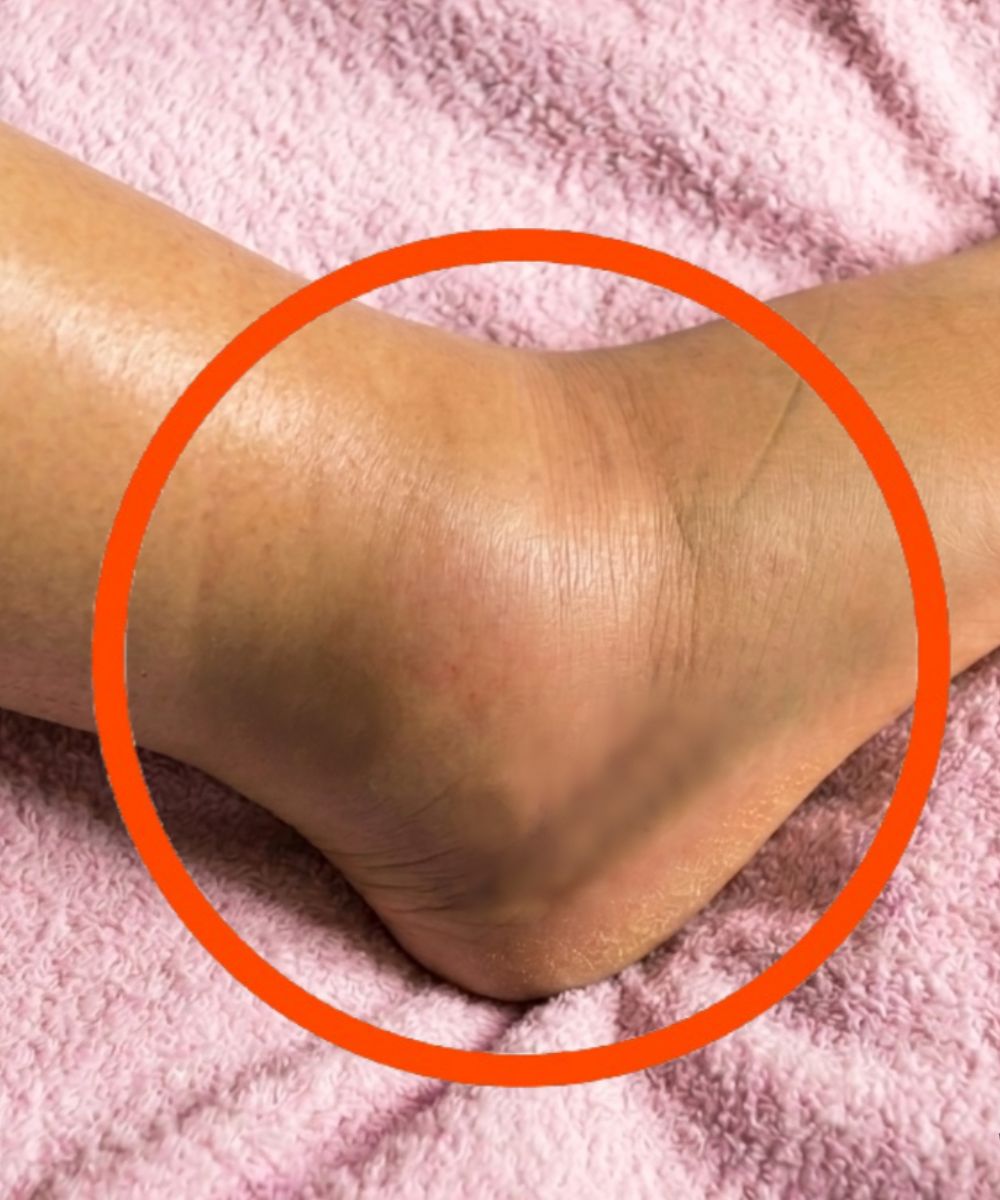
If you’ve noticed puffiness around your ankles or legs, this guide on Swollen Legs: What Could It Mean will help you understand possible causes and what you can do about it. Swelling in the lower legs is common, and while it can be harmless, it sometimes signals something your body wants you to notice.
I remember after a long day on my feet, I kicked off my shoes and noticed my ankles looked unusually puffy. At first, I brushed it off as simple fatigue. However, when it happened again after a long drive, I started paying closer attention. I made a few simple changes—drinking more water, moving around more often—and the difference was noticeable. That small moment made me realize how important it is to listen to subtle body changes before they turn into bigger concerns.
Understanding Swollen Legs
What Is Leg Swelling?
Leg swelling, often referred to as edema, happens when excess fluid builds up in the tissues. This fluid accumulation can make your skin look stretched, shiny, or puffy. Sometimes, pressing on the swollen area leaves a temporary indentation, known as pitting.
Although swelling can occur anywhere in the body, it most commonly affects the legs and ankles due to gravity. Because of this, fluid tends to collect in the lower extremities, especially after long periods of standing or sitting.
Why It Happens
There are several reasons why fluid may accumulate in your legs. In some cases, it’s simply due to lifestyle factors like inactivity or diet. However, it can also relate to how your heart, kidneys, or veins function.
When circulation slows down or fluid regulation becomes unbalanced, swelling can occur. Therefore, understanding the root cause is key to managing the condition effectively.
Common Causes of Swelling
Everyday Causes
In many situations, swollen legs result from daily habits. For example, sitting or standing for long hours can cause fluid to pool in your legs. Similarly, eating too much salt can lead your body to retain water.
Hot weather can also contribute to swelling, as blood vessels expand and allow fluid to leak into surrounding tissues. Fortunately, these causes are usually temporary and improve with simple lifestyle adjustments.
Medical-Related Causes
Sometimes, swelling may indicate an underlying health issue. Conditions affecting the heart, kidneys, or liver can interfere with fluid balance. Additionally, vein problems such as poor circulation can prevent blood from flowing efficiently back to the heart.
Certain medications may also cause swelling as a side effect. Therefore, if swelling appears suddenly or becomes persistent, it’s important to consider medical advice.
Equipment
- Compression socks
- Pillow for elevation
Ingredients
- 1 pair compression socks
- 2 liters water
- 1 pinch low-sodium diet
Instructions
- Elevate your legs above heart level for 15-20 minutes.
- Stay active by walking or stretching regularly.
- Reduce salt intake and drink enough water daily.
- Wear compression socks if needed.
Notes
Nutrition
When to Be Concerned
Warning Signs to Watch For
While mild swelling is often harmless, some symptoms require attention. For instance, swelling that appears suddenly or affects only one leg could signal a more serious issue.
Pain, redness, or warmth in the swollen area may indicate a blood clot. Additionally, swelling accompanied by shortness of breath or fatigue could point to heart-related concerns.
Recognizing these warning signs early can help you seek timely care and avoid complications.
Situations That Need Medical Care
If swelling does not improve with rest or lifestyle changes, it’s best to consult a healthcare professional. Persistent swelling, especially when combined with other symptoms, should not be ignored.
Early evaluation can help identify the cause and guide appropriate treatment. In many cases, addressing the underlying issue can significantly reduce swelling.
Managing and Preventing Swelling
Simple Home Remedies
For mild swelling, there are several easy ways to find relief. Elevating your legs above heart level helps fluid drain back toward the upper body. Additionally, staying active encourages better circulation.
Reducing salt intake can also make a big difference. Drinking enough water helps your body maintain proper fluid balance rather than holding onto excess fluid.
Wearing compression socks may provide support and prevent fluid buildup, especially if you spend long hours on your feet.
Long-Term Prevention Tips
Developing healthy habits can reduce the chances of swelling returning. Regular movement, even short walks or stretches, keeps blood flowing properly.
Maintaining a balanced diet and managing underlying conditions also play an important role. If swelling occurs frequently, tracking when it happens can help identify triggers and patterns.
Frequently Asked Questions
Is leg swelling always serious?
No, many cases are harmless and related to lifestyle factors.
Can dehydration cause swelling?
Yes, your body may retain fluid when dehydrated.
Does salt really make swelling worse?
Yes, high sodium intake can lead to water retention.
Are both legs usually affected?
Often yes, but one-sided swelling may need medical attention.
Can exercise help reduce swelling?
Yes, movement improves circulation and reduces fluid buildup.
Conclusion
Understanding Swollen Legs: What Could It Mean helps you respond to your body with awareness and care. While swelling is often temporary and manageable, it can sometimes signal deeper issues that deserve attention.
By making small lifestyle changes and staying alert to warning signs, you can reduce discomfort and support your overall health. Most importantly, listening to your body is one of the best ways to stay ahead of potential problems.
More Home Remedies
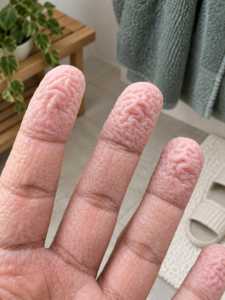
- Wrinkled Fingers After Water Exposure: What Your Skin May Be Telling You
- Skin Rash With Breathing Trouble? It Could Be a Life-Threatening Allergic Reaction
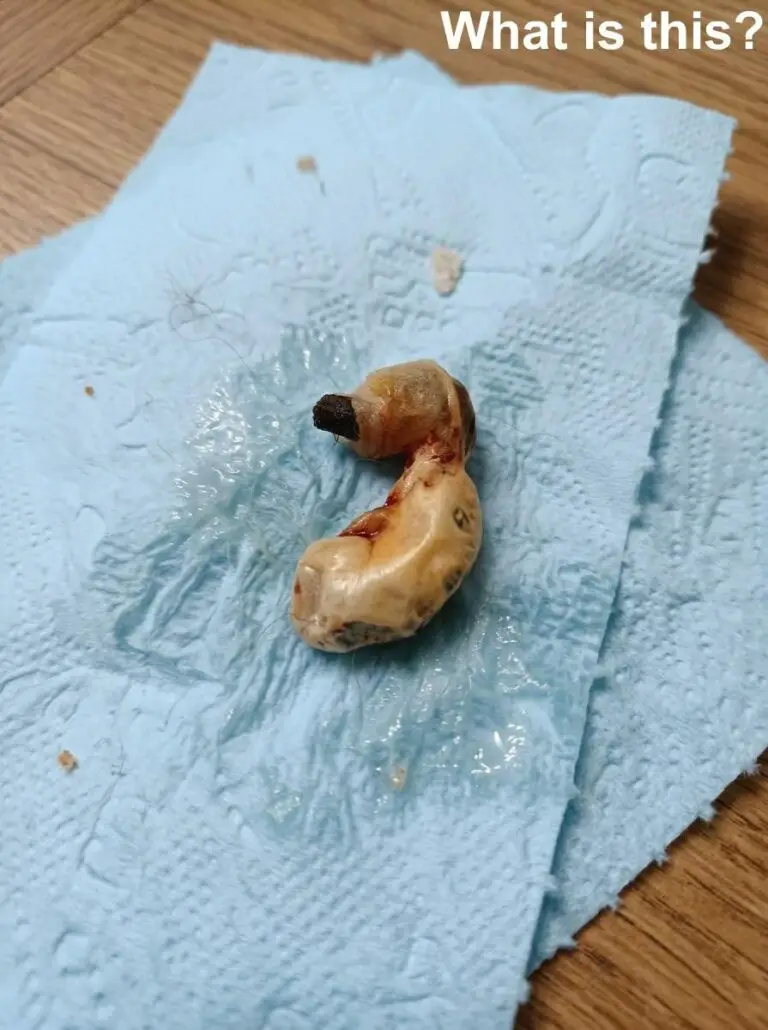
- I Thought It Was a Piece of Trash on the Bathroom Floor—Until It Moved
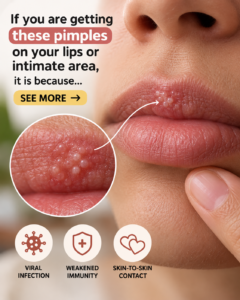
- If You Are Getting White Pimples on Your Lips or Intimate Area, Here’s What They Could Mean