3-Ingredient High-Protein Chickpea Sandwich Bread – Easy Flourless Recipe
Ingredients
Equipment
Method
- Preheat the oven to 350°F (175°C). Line an 8-by-4-inch loaf pan with parchment paper, leaving some overhang for easy removal.
- Drain the canned chickpeas and rinse thoroughly under cold running water. Allow them to drain well, then pat away excess moisture with paper towels.
- Add the drained chickpeas and three large eggs to a blender or food processor. Blend for 1–2 minutes until completely smooth and creamy, scraping down the sides as needed.
- Add 1 teaspoon baking powder and blend briefly until evenly incorporated.
- Pour the smooth batter into the prepared loaf pan. Spread evenly and smooth the surface with a spatula.
- Bake on the middle oven rack for approximately 40–50 minutes. Begin checking at 35 minutes if the loaf appears shallow.
- Check that the center is fully set and a toothpick inserted into the middle comes out without wet batter. An instant-read thermometer should register at least 160°F (71°C).
- Remove the loaf from the oven and allow it to cool in the pan for 10 minutes.
- Carefully transfer the loaf to a wire cooling rack and let it cool completely for approximately 45–60 minutes, or longer if necessary.
- Using a serrated knife, cut the cooled loaf into approximately 8 small slices. Lightly toast the slices in a skillet or toaster oven for golden edges and a firmer texture. Serve with desired toppings.
Notes
3-Ingredient High-Protein Chickpea Sandwich Bread is a simple homemade bread alternative that combines chickpeas, eggs, and baking powder into a soft, hearty loaf. With no flour, yeast, or kneading, this easy recipe offers a convenient way to enjoy homemade bread using everyday pantry ingredients.
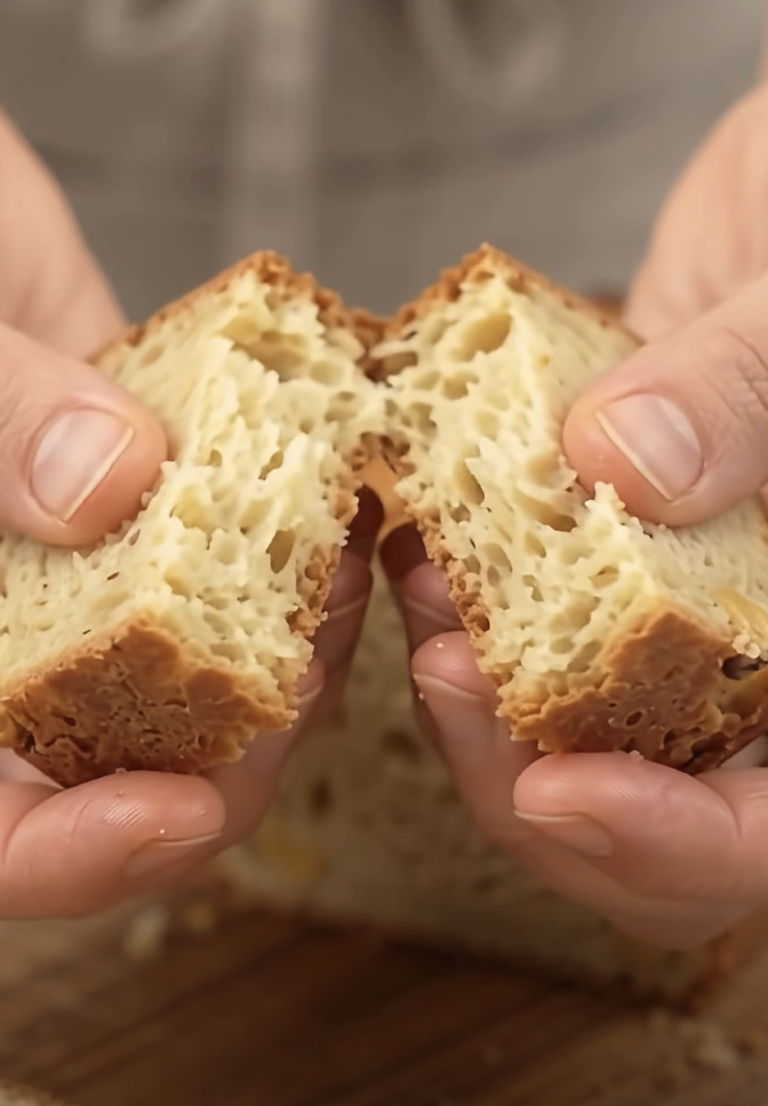
Unlike traditional sandwich bread, this chickpea loaf has a moist, tender texture and a mild, slightly nutty flavor. It slices beautifully after cooling, and a quick toast gives each piece firmer edges and a satisfying bite.
Even better, you only need three ingredients, a blender, and a small loaf pan. The preparation takes approximately 10 minutes, while the oven handles the rest.
I first became interested in chickpea bread when I wanted a simple homemade option that didn’t require flour or complicated baking techniques. I already enjoyed chickpeas in salads and hummus, so the idea of turning them into a small loaf sounded interesting. My first attempt taught me an important lesson: the bread needs enough time to cool before slicing. When I cut it too early, the center felt overly soft. However, after letting the next loaf cool completely and lightly toasting the slices, I loved the result. The bread had a pleasant chickpea flavor, held simple toppings nicely, and made an easy addition to breakfast.
Whether you want a flourless bread alternative, a protein-containing breakfast option, or a simple recipe with minimal ingredients, this chickpea sandwich bread makes a practical addition to your kitchen.
Why You’ll Love This 3-Ingredient High-Protein Chickpea Sandwich Bread
Simple Ingredients and No Complicated Bread-Making Techniques
One of the biggest advantages of 3-Ingredient High-Protein Chickpea Sandwich Bread is its simplicity.
Traditional homemade bread often requires flour, yeast, kneading, and rising time.
However, this recipe skips those steps entirely.
Instead, you combine canned chickpeas, eggs, and baking powder in a blender.
The blender creates a smooth batter, while the baking powder helps the loaf rise slightly during baking.
You don’t need a stand mixer, bread machine, or special baking experience.
As a result, beginners can prepare this recipe with confidence.
Another benefit is the short ingredient list.
Canned chickpeas provide the foundation of the loaf.
Eggs help bind the ingredients and create structure.
Meanwhile, baking powder adds a little lift and helps prevent an overly dense texture.
Together, these ingredients create a small, hearty bread alternative.
Because the recipe contains no wheat flour, it also works for people who want a flourless option.
However, anyone who needs to avoid gluten should check the baking powder label and other ingredient packaging for gluten-free certification.
The finished loaf has a more compact texture than conventional sandwich bread.
It won’t rise as high or develop the same airy crumb as yeast bread.
Nevertheless, its mild flavor and tender consistency make it especially enjoyable when lightly toasted.
A Protein-Containing Bread Alternative for Everyday Meals
Another reason to try chickpea sandwich bread is its combination of protein, fiber, and convenience.
Chickpeas naturally contain plant-based protein and dietary fiber.
Eggs contribute additional protein along with nutrients such as choline and vitamin B12.
Therefore, this loaf offers a different nutritional profile from many traditional white breads.
However, it’s important to understand what high-protein means in this recipe.
The loaf contains protein from both chickpeas and eggs, but it isn’t as protein-dense as specialized breads that use concentrated protein ingredients.
Depending on the size of the eggs and the drained weight of the chickpeas, each of eight small slices provides approximately 4 grams of protein.
Two slices offer roughly 8 grams.
For a more substantial protein-rich meal, pair the bread with eggs, cottage cheese, tuna salad, or another protein source.
You can also enjoy it with avocado, tomatoes, or hummus.
Because the loaf contains chickpeas, it has a naturally hearty character.
Additionally, the recipe avoids the added sugar and oil that some packaged breads contain.
The preparation is straightforward enough for weekly meal planning.
Bake one loaf, cool it completely, and store individual slices for quick breakfasts or snacks.
With just three ingredients, you can create a versatile homemade bread alternative without spending hours in the kitchen.
Essential Ingredients for the Best Chickpea Sandwich Bread
How Chickpeas and Eggs Create a Soft, Hearty Loaf
Great 3-Ingredient High-Protein Chickpea Sandwich Bread starts with the right balance of chickpeas and eggs.
For this recipe, use one standard 15-ounce can of chickpeas.
After draining, the chickpeas usually weigh approximately 240–255 grams.
You should drain and rinse them thoroughly before blending.
Rinsing removes much of the salty canning liquid and gives the loaf a cleaner flavor.
Next, pat the chickpeas dry with paper towels.
You don’t need to remove every trace of moisture, but excess liquid can make the batter too thin.
Chickpeas provide the bulk of the loaf.
They also contribute starch, fiber, and protein.
When you blend them thoroughly, they form a thick, smooth mixture that acts as the bread’s base.
Next, add three large eggs.
The eggs help bind the chickpea mixture and provide structure as the loaf bakes.
They also contribute moisture and richness.
Because this recipe doesn’t contain flour, eggs play an especially important role in holding the finished slices together.
For the best results, use large eggs rather than extra-large eggs.
Changing the egg size can affect the moisture balance.
Also, avoid substituting egg whites for all the whole eggs without adjusting the recipe.
The yolks contribute fat and help create a tender texture.
Together, chickpeas and eggs produce a moist, compact loaf with a mild savory flavor.
Why Baking Powder and Proper Blending Matter
The third ingredient in this chickpea bread recipe is baking powder.
You only need one teaspoon.
Although that may seem like a small amount, it helps the batter expand slightly during baking.
Baking powder releases gas when it reacts with moisture and heat.
As a result, it can make the loaf less compact than a mixture of chickpeas and eggs alone.
However, baking powder cannot create the same tall, airy structure that yeast and gluten produce in traditional sandwich bread.
Therefore, expect a relatively low loaf with a tender, close-textured crumb.
For consistent results, use fresh baking powder.
Old baking powder may lose some of its effectiveness.
Blending also matters.
Add the drained chickpeas and eggs to a blender or food processor.
Blend for approximately one to two minutes.
Stop occasionally to scrape down the sides.
Continue until the mixture becomes completely smooth.
If you leave large chickpea pieces in the batter, the finished loaf may have an uneven texture.
A smooth batter helps create more consistent slices.
Once the mixture looks creamy, add the baking powder.
Blend briefly to distribute it evenly.
Avoid blending excessively after adding the baking powder.
Then, transfer the batter to the prepared loaf pan and bake promptly.
This simple method gives the bread its best chance of developing an even texture and gentle rise.
How to Make 3-Ingredient High-Protein Chickpea Sandwich Bread
Preparing the Batter and Baking the Loaf
Making 3-Ingredient High-Protein Chickpea Sandwich Bread requires only a few straightforward steps.
First, preheat your oven to 350°F.
Next, line an 8-by-4-inch loaf pan with parchment paper.
Leave a little parchment hanging over the longer sides.
These overhanging edges will help you lift the loaf from the pan after baking.
Then, open the can of chickpeas and pour them into a colander.
Rinse thoroughly under cold running water.
Allow the chickpeas to drain well.
Next, gently pat them dry with paper towels.
Transfer the chickpeas to a blender or food processor.
Add the three large eggs.
Blend until the mixture becomes completely smooth and creamy.
Depending on your appliance, this may take one to two minutes.
Pause occasionally and scrape down the sides.
Once the batter looks smooth, add the baking powder.
Blend briefly until evenly incorporated.
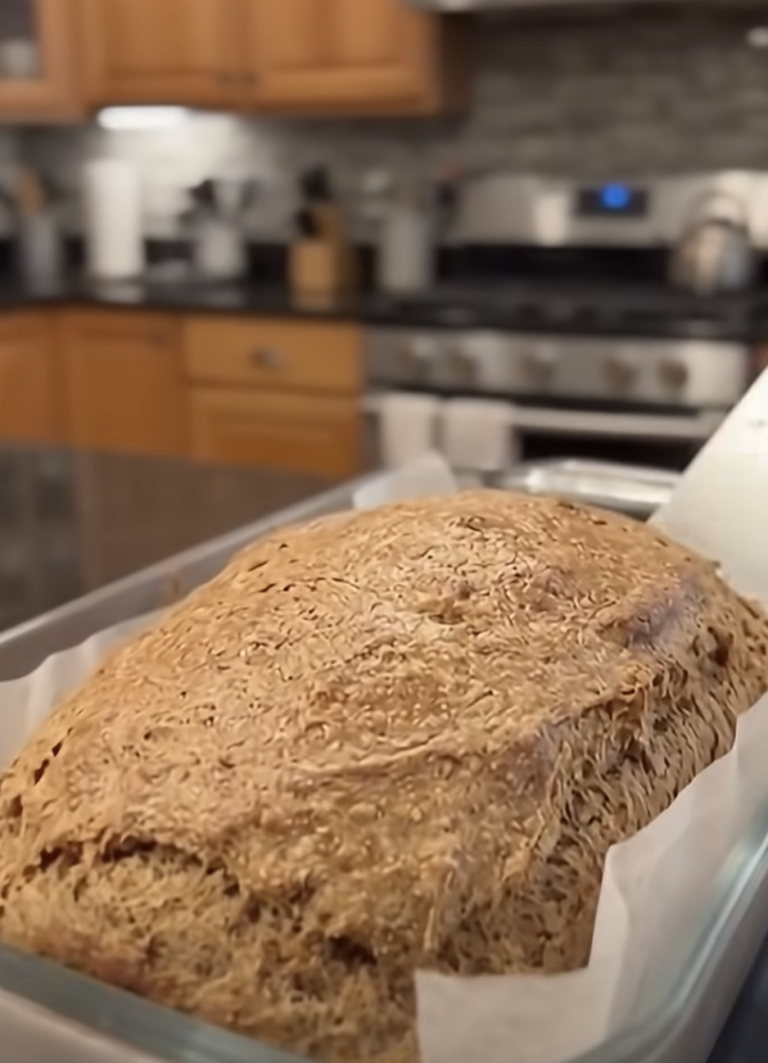
Pour the mixture into the prepared loaf pan.
Use a spatula to spread the batter evenly and smooth the surface.
Place the pan on the middle oven rack.
Bake for approximately 40–50 minutes.
However, begin checking around 35 minutes if your loaf appears shallow.
The top should look firm, and the center should no longer jiggle.
Insert a toothpick into the middle.
It should come out without wet batter.
For additional reassurance, use an instant-read thermometer and check that the center reaches at least 160°F.
Cooling, Slicing, and Toasting for the Best Texture
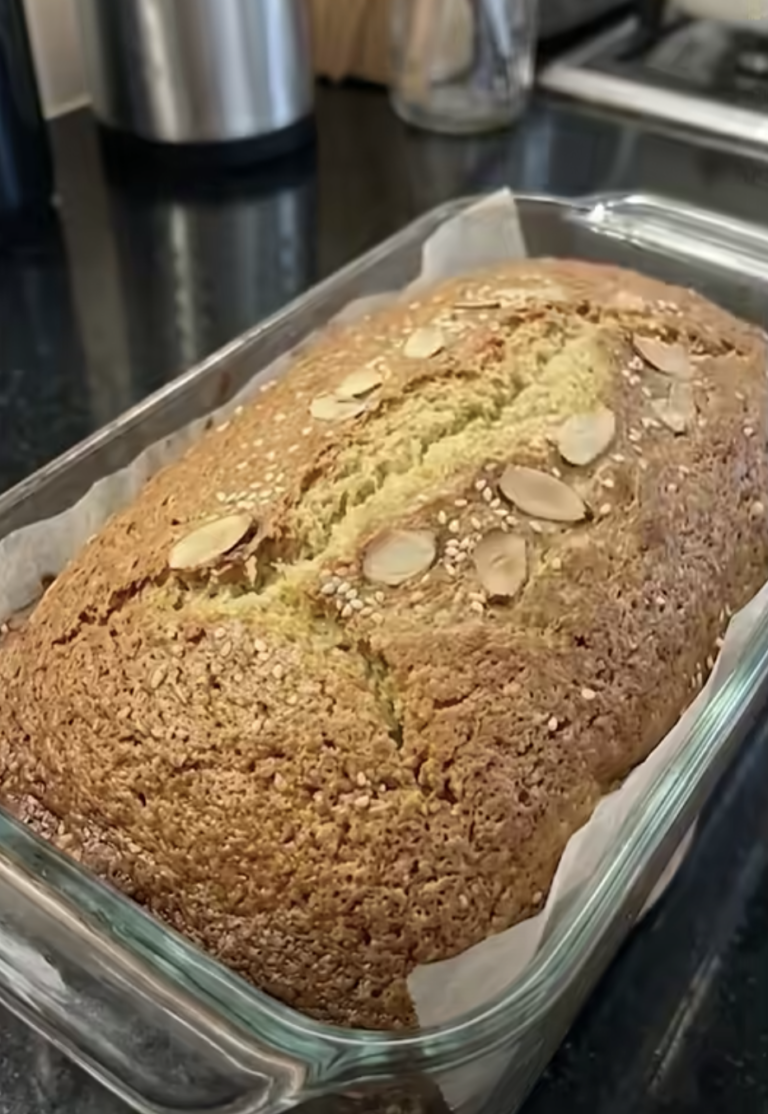
Once the chickpea loaf finishes baking, remove it from the oven.
Place the pan on a heat-safe surface and allow the bread to rest for approximately 10 minutes.
This short resting period helps the loaf settle before you remove it.
Next, use the parchment paper edges to lift the bread carefully from the pan.
Transfer it to a wire cooling rack.
Now comes one of the most important steps: allow the loaf to cool completely.
Because chickpea bread contains substantial moisture, slicing it while hot can create a gummy texture.
The bread also becomes easier to handle as it cools.
Allow approximately 45–60 minutes for cooling, or longer if the center still feels warm.
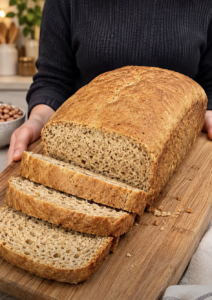
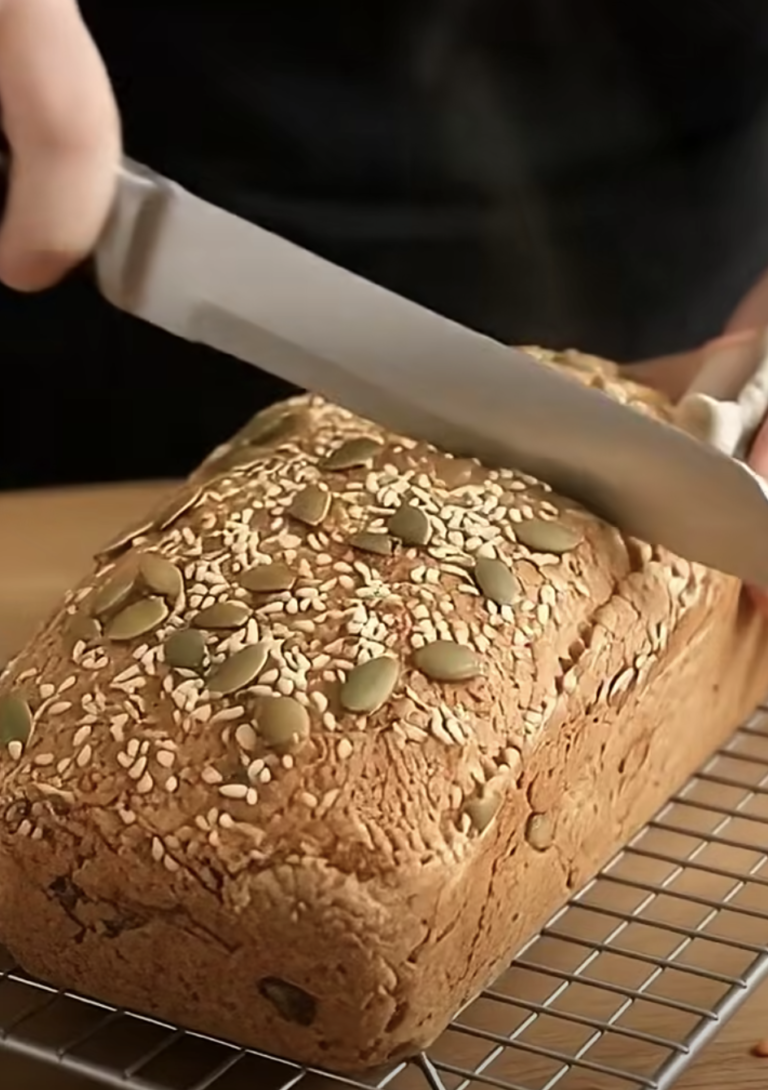
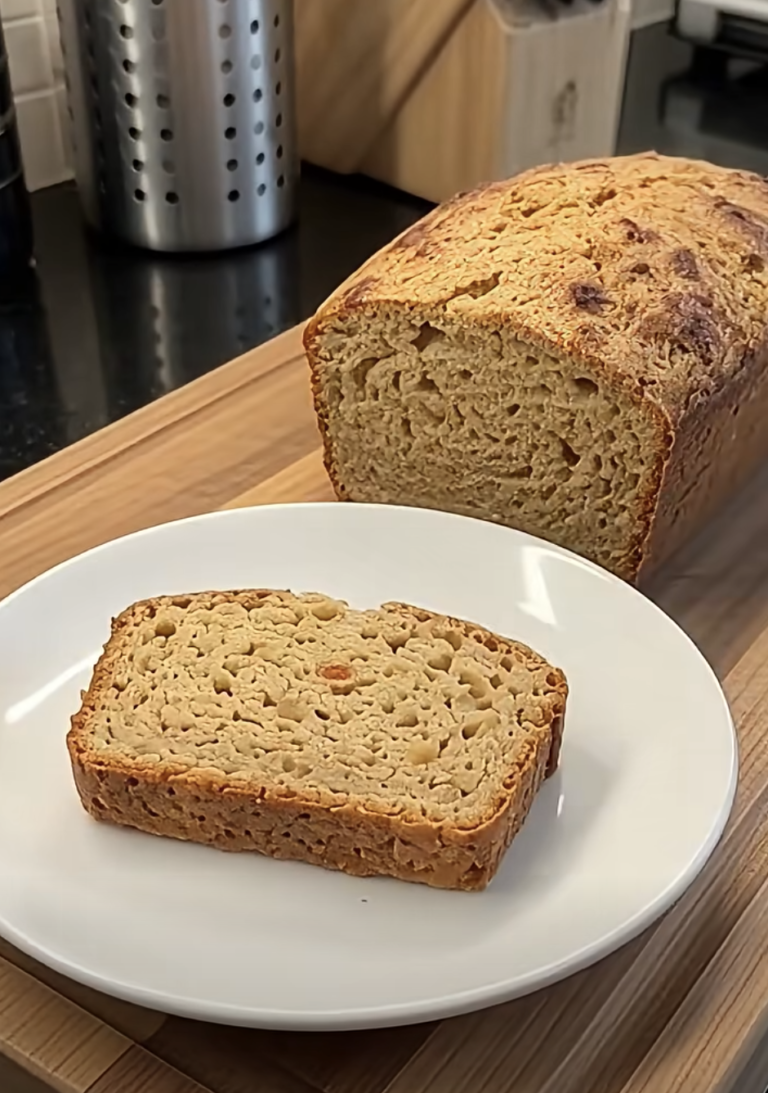
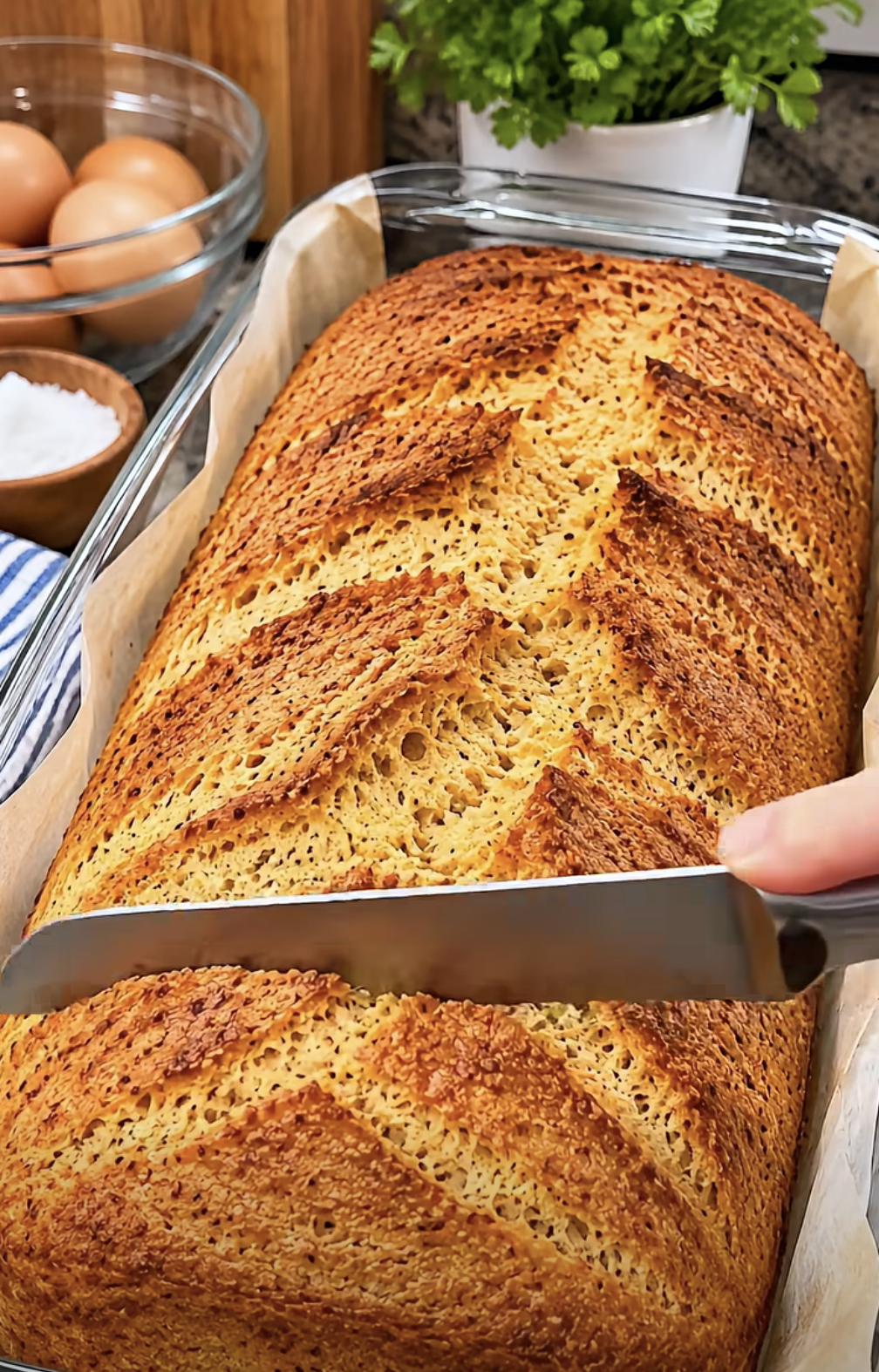
Once cool, use a serrated bread knife to cut the loaf into approximately eight small slices.
Use gentle sawing motions rather than pressing straight down.
This helps prevent the slices from crumbling.
You can enjoy the bread as it is.
However, lightly toasting it improves the texture.
Place the slices in a toaster oven or dry skillet.
Toast until the edges become lightly golden and the surface feels firmer.
Because the loaf contains chickpeas and eggs, it browns differently from regular wheat bread.
Therefore, watch it carefully to prevent overcooking.
Serve the toasted slices with avocado, eggs, cream cheese, or another favorite topping.
The finished bread should taste mild, hearty, and pleasantly savory.
Serving Ideas, Variations, and Storage Tips
Delicious Ways to Enjoy Chickpea Sandwich Bread
One of the best features of 3-Ingredient High-Protein Chickpea Sandwich Bread is its versatility.
Although the loaf is smaller and denser than traditional sandwich bread, it works beautifully with many toppings.
For breakfast, lightly toast a slice and spread it with mashed avocado.
Add a pinch of salt and freshly ground black pepper.
You can also top it with a fried or scrambled egg.
This combination creates a satisfying breakfast with additional protein.
For a quick lunch, use two slices to make a small open-faced sandwich.
Try tuna salad, sliced tomatoes, or cottage cheese with fresh herbs.
Because the bread has a mild chickpea flavor, it pairs particularly well with savory toppings.
Hummus makes another delicious choice.
Spread a thin layer over toasted bread and add cucumber slices or roasted red peppers.
For a Mediterranean-inspired snack, top the bread with feta cheese, cherry tomatoes, and oregano.
You can also enjoy it alongside soup.
The bread’s hearty texture works especially well with tomato soup, vegetable soup, or lentil soup.
If you prefer sweeter flavors, try a thin layer of nut butter.
However, the loaf has a more savory, egg-forward taste than traditional breakfast bread.
For the best experience, start with simple toppings that complement its natural flavor.
Storage, Freezing, and Common Baking Mistakes
Proper storage helps maintain the quality of homemade chickpea bread.
Because the loaf contains eggs and plenty of moisture, refrigerate it rather than leaving it on the counter for extended periods.
First, allow the bread to cool completely.
Then, place it in an airtight container or wrap it tightly.
Store it in the refrigerator at 40°F or below.
For the best quality, enjoy it within three to four days.
You can also freeze the bread for longer storage.
Slice the loaf before freezing.
Then, place parchment paper between the slices to prevent sticking.
Transfer them to a freezer-safe bag or container.
For the best flavor and texture, use frozen slices within two months.
When you’re ready to eat, thaw a slice in the refrigerator or reheat it directly in a toaster oven.
Toasting helps restore a firmer texture.
Several common mistakes can affect the loaf.
First, avoid using chickpeas with too much surface moisture.
Excess liquid can make the batter overly wet.
Second, blend the chickpeas thoroughly.
A smooth batter creates a more consistent crumb.
Third, avoid opening the oven repeatedly during baking.
Frequent temperature changes can interfere with even cooking.
Fourth, check the center before removing the loaf.
Finally, allow the bread to cool completely before slicing.
These simple techniques help create a tender, sliceable loaf with a pleasant texture.
Ingredients
Yield: 1 small loaf, approximately 8 slices
Prep Time: 10 minutes
Bake Time: 40–50 minutes
Cooling Time: 45–60 minutes
Total Time: Approximately 1 hour 35 minutes to 2 hours
- 1 can (15 oz / 425 g) chickpeas, drained and rinsed
- 3 large eggs
- 1 tsp baking powder
Instructions
- Preheat the oven. Set your oven to 350°F (175°C). Line an 8-by-4-inch loaf pan with parchment paper, leaving some overhang for easy removal.
- Prepare the chickpeas. Drain the canned chickpeas and rinse thoroughly under cold running water. Allow them to drain well, then pat away excess moisture with paper towels.
- Blend the chickpeas and eggs. Add the drained chickpeas and three large eggs to a blender or food processor. Blend for 1–2 minutes until completely smooth, scraping down the sides as needed.
- Add the baking powder. Sprinkle in 1 teaspoon of baking powder. Blend briefly until the mixture combines evenly.
- Fill the loaf pan. Pour the smooth batter into the prepared pan. Spread evenly and smooth the top with a spatula.
- Bake the bread. Place the pan on the middle oven rack and bake for 40–50 minutes. Start checking around 35 minutes if the loaf looks shallow.
- Check for doneness. The center should feel fully set, and a toothpick inserted into the middle should come out without wet batter. An instant-read thermometer should register at least 160°F (71°C).
- Cool in the pan. Remove the loaf from the oven and allow it to rest in the pan for 10 minutes.
- Cool completely. Carefully lift the loaf onto a wire rack. Allow it to cool for approximately 45–60 minutes, or until completely cool.
- Slice and toast. Use a serrated knife to cut the loaf into approximately 8 small slices. Lightly toast in a skillet or toaster oven for firmer edges, then serve with your favorite toppings.
Frequently Asked Questions
1. Is 3-Ingredient High-Protein Chickpea Sandwich Bread gluten-free?
The recipe contains no wheat flour, and chickpeas and eggs naturally contain no gluten. However, if you follow a strict gluten-free diet, check the baking powder label and ingredient packaging for gluten-free certification. Cross-contact during manufacturing can affect some packaged products.
2. How much protein does chickpea sandwich bread contain?
The amount depends on the chickpea brand, egg size, and number of slices. A loaf made with one 15-ounce can of chickpeas and three large eggs typically contains approximately 30–35 grams of protein. If you cut it into eight slices, each slice provides roughly 4 grams of protein. These figures are estimates rather than laboratory-tested values.
3. Why is my chickpea bread moist or gummy in the center?
Excess moisture, insufficient baking, or slicing before the loaf cools can create a gummy texture. Drain and dry the chickpeas thoroughly, blend the batter until smooth, and bake until the center sets completely. Then, allow the bread to cool before slicing. Lightly toasting the slices can also improve their texture.
4. Can I make chickpea sandwich bread without a blender?
A food processor works well as an alternative. However, a smooth batter is important for the best texture. If you don’t have either appliance, you can mash the chickpeas very thoroughly and whisk in the eggs, but the finished loaf will likely have a coarser texture and may hold together less evenly.
5. Can I freeze 3-Ingredient High-Protein Chickpea Sandwich Bread?
Yes. Allow the loaf to cool completely, then slice it. Place parchment paper between the slices and store them in a freezer-safe container or bag. For the best quality, use the bread within two months. You can thaw slices in the refrigerator or reheat them in a toaster oven until warm.
Conclusion
3-Ingredient High-Protein Chickpea Sandwich Bread offers a simple way to prepare a homemade, flourless bread alternative using only chickpeas, eggs, and baking powder.
With no yeast, kneading, or rising time, the recipe makes bread preparation approachable for beginners.
The chickpeas create a hearty base, while the eggs provide structure and additional protein. Meanwhile, baking powder helps the loaf rise slightly during baking.
Although this bread has a denser texture than traditional wheat sandwich bread, it becomes especially enjoyable after cooling and light toasting.
You can serve it with mashed avocado, eggs, hummus, cottage cheese, or your favorite savory toppings.
For the best results, drain the chickpeas thoroughly, blend the batter until smooth, bake until the center sets, and allow the loaf to cool completely before slicing.
Whether you’re looking for an easy flourless recipe or a practical homemade breakfast option, this three-ingredient chickpea bread is worth trying.