Breast cancer is one of the most common cancers affecting people worldwide. Despite tremendous advances in screening, diagnosis, and treatment, it remains a disease that impacts millions of individuals and families every year. The good news is that awareness, early detection, and timely medical care continue to improve outcomes dramatically.
One of the greatest challenges with breast cancer is that its earliest warning signs are often subtle. Many symptoms can easily be mistaken for hormonal changes, aging, skin irritation, or minor infections. Because of this, people sometimes delay seeking medical attention, hoping the issue will resolve on its own.
While many breast changes turn out to be harmless, understanding what deserves medical evaluation can make a life-changing difference. Recognizing potential warning signs early gives healthcare providers the best opportunity to diagnose and treat problems before they become more advanced.
It is important to remember that breast cancer affects both women and men. Although breast cancer is far more common in women, men can develop it as well. Everyone benefits from understanding the signs and symptoms that should never be ignored.
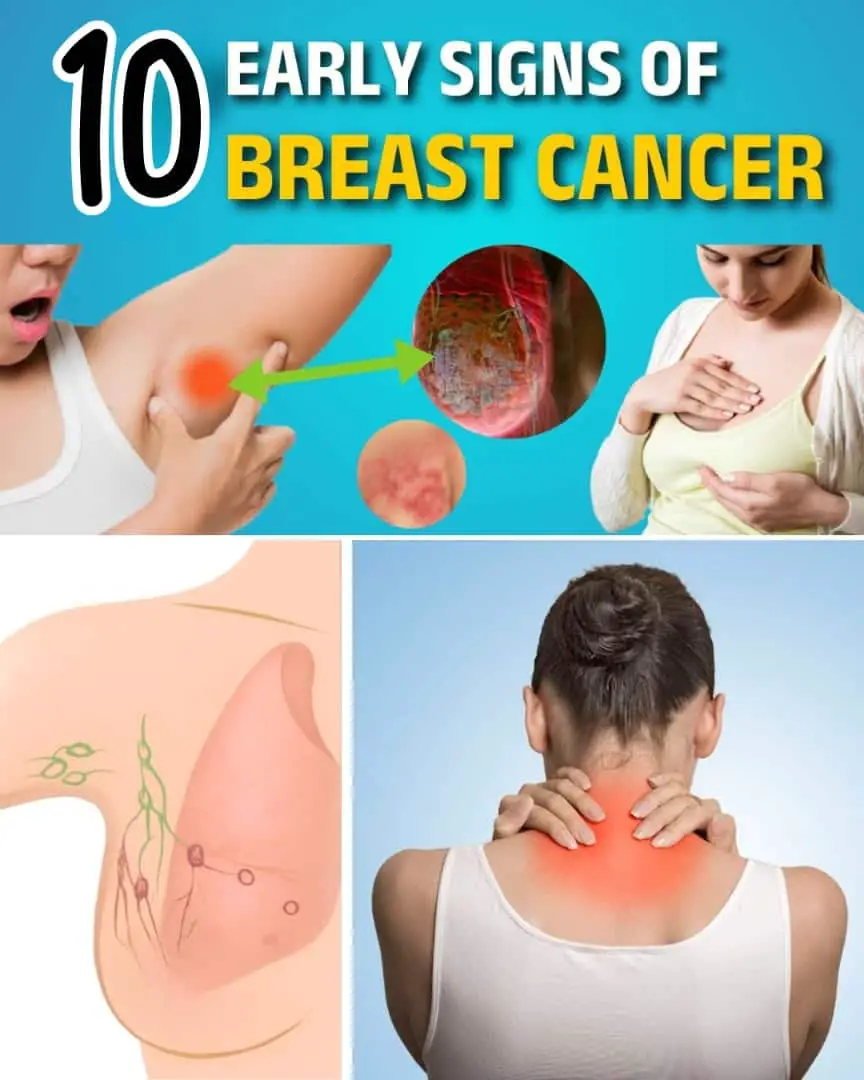
This guide explores ten important warning signs of breast cancer, why they matter, and when you should consider speaking with a healthcare professional.
Why Early Detection Matters
Breast cancer typically begins when cells within the breast grow abnormally and multiply uncontrollably. These cells may form tumors that can eventually invade nearby tissue or spread to other parts of the body.
The earlier cancer is identified, the more treatment options are generally available.
Early-stage breast cancer often:
- Requires less aggressive treatment
- Has higher survival rates
- May involve smaller surgeries
- Can reduce the need for extensive therapies
Many breast cancers are first detected through routine screening, but some are discovered because people notice unusual changes in their bodies.
Knowing what to look for can help you recognize symptoms that deserve medical attention.
10. Unexplained Changes in Breast Size or Shape
Most people’s breasts naturally vary slightly in size. However, a sudden or noticeable change affecting one breast should not be ignored.
A developing tumor can alter the internal structure of breast tissue. This may cause one breast to appear larger, heavier, fuller, or differently shaped than before.
You may notice:
- One breast sitting lower than the other
- Changes in contour
- New asymmetry
- Visible distortion
- A feeling of heaviness
These changes may occur gradually or appear unexpectedly.
Although hormonal fluctuations can affect breast appearance, persistent changes that affect only one side deserve medical evaluation.
9. Skin Dimpling or an Orange-Peel Appearance
One of the most recognizable breast cancer warning signs involves changes in the skin itself.
Some individuals develop:
- Dimpling
- Puckering
- Indentations
- Thickened skin
In certain cases, the skin may begin to resemble the surface of an orange peel, a condition often referred to as “peau d’orange.”
This appearance can occur when cancer blocks lymphatic drainage within the breast tissue.
The skin may appear:
- Swollen
- Thickened
- Uneven
- Pitted
These changes should never be dismissed as simple cosmetic concerns.
8. Persistent Redness, Warmth, or Itching
Occasional skin irritation happens to everyone.
However, persistent breast redness or itching that does not improve warrants attention.
Inflammatory breast cancer, a rare but aggressive form of the disease, often causes symptoms that resemble an infection.
Possible signs include:
- Redness
- Swelling
- Warmth
- Tenderness
- Persistent itching
Because these symptoms can mimic common skin conditions, diagnosis is sometimes delayed.
If redness or irritation continues for weeks despite treatment, medical evaluation is important.
7. Hard Lumps or Thickened Areas
A breast lump remains one of the most well-known signs of breast cancer.
However, not all lumps are cancerous.
Many breast lumps result from:
- Cysts
- Fibrocystic changes
- Benign growths
- Hormonal fluctuations
Even so, any new lump should be assessed by a healthcare provider.
Cancerous lumps often feel:
- Hard
- Irregular
- Fixed in place
- Painless
Some people describe them as feeling different from the surrounding tissue.
In men, breast cancer frequently appears as a firm lump beneath or near the nipple.
6. Persistent Breast or Nipple Pain
Most breast pain is not caused by cancer.
In fact, hormonal changes account for many cases of breast discomfort.
However, certain types of pain deserve attention.
Concerning characteristics may include:
- Pain affecting only one breast
- Pain in a specific location
- Persistent discomfort
- Pain accompanied by other symptoms
Breast pain combined with a lump, skin changes, or nipple abnormalities increases the need for evaluation.
While pain alone rarely indicates cancer, it should not be ignored when it persists.
5. Swelling in the Breast or Underarm Area
Breast cancer can affect lymphatic circulation before a lump becomes noticeable.
This sometimes leads to swelling involving:
- The breast
- The armpit
- Nearby tissue
You may notice:
- Puffiness
- Tightness
- Fullness
- Enlarged lymph nodes
Lymph nodes under the arm play a critical role in the body’s immune system and often become involved when breast cancer spreads locally.
Any unexplained swelling should be assessed promptly.
4. Nipple Retraction or New Inversion
Some people are born with naturally inverted nipples.
This is generally harmless.
However, a nipple that suddenly begins turning inward when it previously pointed outward requires medical evaluation.
A tumor growing behind the nipple can pull surrounding tissue inward.
Warning signs include:
- New nipple inversion
- One-sided changes
- Distortion of the nipple
- Associated lumps or skin changes
These symptoms may develop gradually or appear relatively quickly.
Either way, they deserve attention.
3. Red, Scaly, or Thickened Skin Around the Nipple
Changes involving the nipple and areola can occasionally indicate a rare form of breast cancer known as Paget’s disease of the breast.
Symptoms may include:
- Redness
- Flaking skin
- Crusting
- Scaling
- Itching
- Burning sensations
Because these symptoms resemble eczema or dermatitis, diagnosis is sometimes delayed.
Persistent nipple skin changes that fail to improve should always be evaluated by a healthcare professional.
2. Unusual Nipple Discharge
Nipple discharge is not always abnormal.
Breastfeeding, pregnancy, and hormonal fluctuations can cause discharge naturally.
However, spontaneous discharge that occurs without squeezing the nipple deserves attention.
Particularly concerning features include:
- Bloody discharge
- Clear discharge from one nipple
- Persistent discharge
- Discharge associated with a lump
While many causes are benign, healthcare providers generally recommend investigating unexpected nipple discharge.
1. Swollen Lymph Nodes Near the Collarbone or Underarm
Enlarged lymph nodes can sometimes be one of the earliest indicators of breast cancer spread.
These nodes may feel:
- Firm
- Enlarged
- Fixed
- Unusual compared to surrounding tissue
Affected areas often include:
- Under the arm
- Above the collarbone
- Around the collarbone
Sometimes lymph node swelling appears before a breast lump becomes obvious.
Because lymph node involvement can indicate disease progression, prompt medical assessment is especially important.
Additional Symptoms That Deserve Attention
While the ten warning signs above are among the most important, other changes may also warrant evaluation.
These include:
- Persistent breast swelling
- Thickening of breast tissue
- Unexplained tenderness
- Changes in breast texture
- Visible vein enlargement
- New asymmetry
Any persistent or unexplained change deserves consideration.
Trusting your instincts about your body can be valuable.
Understanding Breast Cancer Risk Factors
Not everyone with breast cancer has identifiable risk factors.
However, certain factors may increase risk.
These include:
Age
Risk generally increases with age.
Family History
Having close relatives with breast or ovarian cancer can increase risk.
Genetic Mutations
Certain inherited gene mutations, including BRCA1 and BRCA2, significantly elevate risk.
Dense Breast Tissue
Dense breast tissue can increase risk and make mammograms more difficult to interpret.
Personal Cancer History
Previous breast cancer may increase the likelihood of future breast cancer.
Hormonal Factors
Certain reproductive and hormonal histories can influence risk.
How to Monitor Breast Health
Experts increasingly emphasize breast awareness rather than strict self-examination routines.
Breast awareness means becoming familiar with:
- How your breasts normally look
- How they normally feel
- Changes that occur throughout your cycle
Regular awareness allows unusual changes to stand out more clearly.
Helpful habits include:
- Observing your breasts in a mirror
- Noticing changes during bathing
- Reporting new symptoms promptly
- Attending recommended screenings
The Role of Mammograms
Mammograms remain one of the most effective tools for early breast cancer detection.
These specialized X-rays can identify abnormalities before symptoms develop.
Screening recommendations vary depending on:
- Age
- Personal history
- Family history
- Individual risk factors
Discussing screening schedules with a healthcare provider helps ensure the most appropriate plan.
Can Men Get Breast Cancer?
Yes.
Although male breast cancer is uncommon, it does occur.
Men should watch for:
- Breast lumps
- Nipple changes
- Skin abnormalities
- Nipple discharge
Because awareness is lower among men, diagnosis is sometimes delayed.
Recognizing symptoms early improves outcomes significantly.
When to Seek Immediate Medical Attention
Certain symptoms deserve prompt evaluation.
Contact a healthcare provider if you experience:
- A new breast lump
- Bloody nipple discharge
- Rapid breast swelling
- Significant redness or warmth
- New nipple inversion
- Enlarged lymph nodes
- Persistent unexplained breast changes
While many symptoms ultimately prove benign, professional assessment is essential.
Frequently Asked Questions
Is every breast lump cancer?
No. Most breast lumps are benign. However, all new lumps should be evaluated by a healthcare professional.
Can breast cancer occur without a lump?
Yes. Some breast cancers cause skin changes, swelling, nipple abnormalities, or lymph node enlargement without a noticeable lump.
Does breast cancer always cause pain?
No. Many breast cancers are painless, especially in early stages.
Are younger people at risk?
Although risk increases with age, breast cancer can occur in younger adults as well.
How often should screenings occur?
Screening recommendations vary based on age and individual risk factors. Consult your healthcare provider for personalized guidance.
Final Thoughts
Awareness is one of the most powerful tools available in the fight against breast cancer.
The signs discussed in this article do not automatically mean cancer is present. Many breast changes result from harmless conditions. However, understanding what deserves medical attention can help ensure that serious problems are identified as early as possible.
Pay attention to your body.
Notice changes.
Keep up with recommended screenings.
And never hesitate to seek professional medical advice when something feels unusual.
Early detection saves lives, and informed awareness remains one of the best defenses against breast cancer.
More Home Remedies
- Wrinkled Fingers After Water Exposure: What Your Skin May Be Telling You
- Skin Rash With Breathing Trouble? It Could Be a Life-Threatening Allergic Reaction
- I Thought It Was a Piece of Trash on the Bathroom Floor—Until It Moved
- If You Are Getting White Pimples on Your Lips or Intimate Area, Here’s What They Could Mean