Hiring a professional house cleaner can make life dramatically easier. Coming home to sparkling countertops, freshly vacuumed floors, and a clean bathroom instantly removes stress from a busy week. However, many homeowners are surprised to discover that some cleaning tasks are usually not included in standard cleaning services.
Although professional cleaners handle everyday household messes extremely well, certain jobs require specialized training, expensive equipment, safety certifications, or additional liability coverage. Knowing these limitations ahead of time helps avoid misunderstandings and ensures your home gets the right kind of care.
Before booking a service, it helps to understand exactly what cleaners usually do, what they often avoid, and which professionals should handle more specialized tasks instead.
What Most House Cleaners Usually Handle
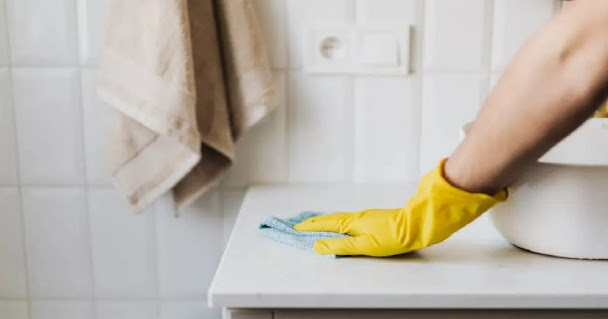
Standard house cleaning services generally focus on maintaining cleanliness throughout the main living areas of a home. These tasks typically include surface cleaning, dusting, vacuuming, and sanitizing frequently used spaces.
In kitchens, cleaners commonly wipe countertops, clean sinks, sanitize stovetops, and polish appliance exteriors. Many also clean microwave interiors and cabinet fronts.
Bathrooms usually receive detailed attention as well. Most cleaners scrub toilets, sinks, showers, bathtubs, mirrors, and floors while disinfecting high-touch surfaces.
Living rooms and bedrooms typically include:
- Dusting furniture
- Vacuuming carpets and rugs
- Sweeping and mopping floors
- Making beds if requested
- Cleaning mirrors and glass surfaces
- Wiping baseboards and visible surfaces
Many services also disinfect frequently touched areas like light switches, doorknobs, remote controls, and stair railings.
Still, every cleaning company structures services differently. Therefore, homeowners should always confirm exactly what is included before scheduling an appointment.
Areas Cleaners Commonly Avoid
Pest-Infested Areas
Most house cleaners will not work in areas affected by active infestations involving bed bugs, cockroaches, rodents, or fleas. These situations create serious health and safety risks and often require specialized extermination treatment first.
Professional cleaners may refuse service until licensed pest-control experts fully resolve the problem. Once treatment is complete, standard cleaning can usually resume safely.
Mold Remediation
Small mildew spots in bathrooms may occasionally fall within a cleaner’s scope. However, larger mold problems usually require certified remediation specialists.
Extensive mold removal often involves:
- Protective containment barriers
- Industrial air filtration
- Specialized disinfectants
- Protective suits and respirators
Because mold spores can spread through the air easily, improper cleaning may actually worsen contamination.
Biohazards and Waste
Most standard cleaners avoid:
- Blood cleanup
- Human waste
- Animal waste
- Vomit
- Needle disposal
- Hoarding situations
These jobs typically require biohazard-trained professionals with protective equipment and specialized sanitation procedures.
Tasks That Need Specialized Equipment
Deep Carpet Cleaning
Vacuuming is usually included in routine cleaning. However, deep carpet shampooing and steam extraction generally are not.
Professional carpet cleaning requires industrial equipment capable of removing deeply embedded dirt, allergens, stains, and moisture from carpet fibers.
Experts often recommend professional carpet cleaning every 6 to 12 months, especially in homes with pets or children.
Chimneys and Air Ducts
Cleaning chimneys, fireplaces, and HVAC duct systems requires specialized tools and certifications. Because improper cleaning can create fire hazards or damage ventilation systems, most house cleaners avoid these services completely.
Homeowners should schedule:
- Chimney sweeping annually
- Air duct cleaning every 3–5 years
- Dryer vent cleaning regularly for fire prevention
Exterior Windows and High Ceilings
Many cleaners avoid tasks involving tall ladders due to insurance and injury risks. As a result, high ceiling fans, chandeliers, skylights, and exterior windows are often excluded from standard packages.
Although some companies offer “high-dusting” services as add-ons, many homeowners hire separate window-cleaning professionals for these tasks.
Delicate or Valuable Items Cleaners Avoid
Antiques and Fragile Decor
Professional cleaners often avoid handling expensive or delicate belongings because of liability concerns. Items commonly excluded include:
- Antiques
- Fine art
- Crystal collections
- Musical instruments
- Rare collectibles
- Heirlooms
Even experienced cleaners may not have training in proper conservation techniques for fragile materials.
For valuable items, homeowners often prefer to handle cleaning personally or hire specialty restoration experts.
Electronics and Sensitive Equipment
Some cleaners hesitate to clean expensive electronics such as:
- Gaming systems
- Home theater setups
- Professional computers
- Studio equipment
Liquids, dusting sprays, or improper handling can easily damage sensitive electronics.
In many cases, cleaners lightly dust around these items instead of directly cleaning them.
Services Often Considered “Extras”
Inside Ovens and Refrigerators
Many homeowners assume deep appliance cleaning comes standard, but that is not always true.
Basic services may only wipe exterior surfaces while skipping:
- Oven interiors
- Refrigerator shelves
- Freezer buildup
- Grease removal behind appliances
Fortunately, many cleaning companies offer these tasks as optional upgrades for additional fees.
Laundry and Organization
Laundry folding, ironing, closet organization, and decluttering are often classified as household management rather than standard cleaning.
Some premium housekeeping services provide:
- Laundry washing and folding
- Closet organization
- Pantry organization
- Bed linen replacement
However, these services usually cost extra and should be requested in advance.
Moving Heavy Furniture
Most cleaners avoid moving extremely heavy furniture due to injury risk and potential floor damage. Instead, they may clean around larger items unless arrangements are made beforehand.
If deeper cleaning behind furniture is needed, homeowners may need to move items before the cleaning appointment begins.
How to Prepare for a Cleaner’s Visit
Preparing your home before cleaners arrive helps maximize efficiency and improves results dramatically.
Helpful preparation steps include:
- Decluttering countertops and floors
- Securing pets safely
- Storing valuables
- Writing down special instructions
- Clearing sink dishes if necessary
- Communicating priorities clearly
The less time cleaners spend organizing clutter, the more time they can dedicate to actual cleaning.
Creating a shared checklist also helps avoid confusion and ensures expectations stay aligned over time.
Why Communication Matters
One of the biggest reasons homeowners feel disappointed after a cleaning appointment is simple miscommunication. Many assumptions happen on both sides.
For example, a homeowner may expect the oven interior to be scrubbed thoroughly, while the cleaner assumes only surface kitchen cleaning was requested.
Clear communication prevents frustration and creates better long-term relationships with cleaning professionals.
Before the appointment, ask questions like:
- What services are included?
- Are deep-cleaning add-ons available?
- Do you clean inside appliances?
- Are high areas included?
- Do you move furniture?
- Are there liability restrictions?
Most professional cleaners appreciate direct communication and are happy to explain their service boundaries clearly.
Final Thoughts
Professional house cleaners provide enormous value and can significantly reduce stress in busy households. However, understanding what falls outside their normal responsibilities is just as important as knowing what they do clean.
Tasks involving safety hazards, specialized equipment, biohazards, heavy lifting, or delicate valuables often require separate professionals with additional training.
By setting clear expectations ahead of time, homeowners can avoid misunderstandings while ensuring every part of the home receives proper care.
A successful cleaning experience depends on communication, preparation, and choosing the right professional for the right task. Once everyone understands the scope clearly, maintaining a clean and comfortable home becomes far easier for everyone involved.
More Home Remedies
- Wrinkled Fingers After Water Exposure: What Your Skin May Be Telling You
- Skin Rash With Breathing Trouble? It Could Be a Life-Threatening Allergic Reaction
- I Thought It Was a Piece of Trash on the Bathroom Floor—Until It Moved
- If You Are Getting White Pimples on Your Lips or Intimate Area, Here’s What They Could Mean