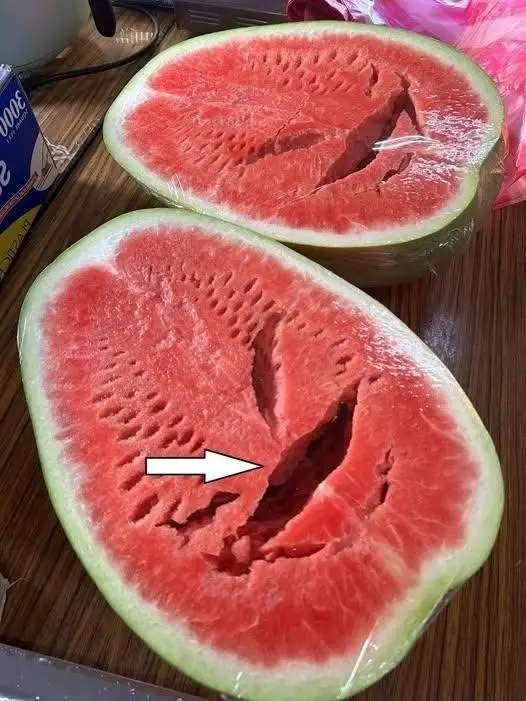
Finding cracks, hollow spaces, or unusual textures inside a watermelon can be surprising. Many social media posts claim these signs automatically mean the fruit was treated with dangerous chemicals or is unsafe to eat. However, the reality is more nuanced.
In most cases, internal cracks are caused by natural growing conditions, rapid growth, pollination issues, weather fluctuations, or overripeness. While some texture changes may affect flavor and quality, they do not automatically make the watermelon unsafe.
Let’s look at what these cracks actually mean and when you should be concerned.
Why Watermelon Is Such a Popular Summer Fruit
Watermelon is more than just a refreshing snack.
It contains:
- About 90% water, helping with hydration
- Vitamin C for immune support
- Vitamin A for eye and skin health
- Potassium for muscle and nerve function
- Lycopene, an antioxidant associated with heart health
- Citrulline, an amino acid involved in blood flow
Because it is naturally low in calories and high in water content, watermelon remains one of the most popular fruits during warm weather.
What Causes Cracks Inside a Watermelon?
Internal cracks can develop for several reasons.
1. Hollow Heart
One of the most common causes is a condition known as “hollow heart.”
Hollow heart occurs when the watermelon develops internal cracks or cavities during growth. Agricultural researchers have linked this condition primarily to incomplete pollination during fruit development.
A watermelon with hollow heart may have:
- Internal cracks
- Small cavities
- Slightly grainy texture
- Normal smell and taste
Although it may not look perfect, it is generally safe to eat.
2. Rapid Growth Conditions
Watermelons sometimes experience periods of drought followed by heavy rainfall or irrigation.
When this happens, the fruit can absorb water rapidly, causing internal stress and cracking. These cracks are usually a quality issue rather than a food safety issue.
3. Overripeness
As watermelons age, the flesh can become softer and less firm.
Signs of overripeness include:
- Mushy texture
- Grainy flesh
- Separation of the flesh
- Reduced sweetness
An overripe watermelon may not taste as good, but it is not automatically unsafe unless spoilage is present.
4. Physical Damage
Watermelons can develop internal bruising during harvesting, shipping, or handling.
External damage is not always visible. Internal bruising may appear as cracks, soft areas, or discoloration.
What About Growth Regulators Like Chlorfenuron?
Some articles suggest that internal cracking is proof that a watermelon was treated with chlorfenuron or other growth regulators.
The evidence does not support that conclusion.
While growth regulators can affect fruit development under certain conditions, internal cracking alone cannot determine whether a watermelon was treated with any specific chemical.
Agricultural experts note that many naturally grown watermelons also develop hollow heart and internal cracks due to weather and pollination conditions.
Therefore, cracks should not be viewed as evidence of chemical contamination.
When Should You Throw a Watermelon Away?
The most important indicators are your senses.
Discard the watermelon if you notice:
- Sour or fermented odor
- Alcohol-like smell
- Mold growth
- Slimy texture
- Excessive leaking liquid
- Off or unpleasant taste
These signs suggest spoilage and possible bacterial growth.
If the watermelon smells fresh and tastes normal, minor cracks alone are usually not a reason for concern.
How to Choose a Better Watermelon
Look for a Creamy Yellow Ground Spot
The yellow patch indicates where the watermelon rested on the ground while ripening.
A creamy yellow color often suggests the fruit ripened naturally on the vine.
Choose One That Feels Heavy
A ripe watermelon should feel heavier than it looks because of its high water content.
Check the Rind
Look for:
- Firm skin
- No major soft spots
- No leaking areas
- No large external cracks
Minor cosmetic blemishes are usually harmless.
Listen for a Deep Sound
Many people gently tap watermelons and listen for a deep, hollow sound, which often indicates ripeness.
What If You’ve Already Eaten a Cracked Watermelon?
There’s usually no reason to panic.
If the watermelon:
- Smelled normal
- Tasted normal
- Had no mold
- Was properly stored
Then it is unlikely that the cracks alone posed any health risk.
Monitor yourself as you would after eating any food. If symptoms such as vomiting, severe diarrhea, fever, or signs of food poisoning occur, contact a healthcare professional.
However, most cracked watermelons are simply imperfect fruits rather than dangerous ones.
Frequently Asked Questions
Are all cracked watermelons unsafe?
No. Many internal cracks are caused by natural growing conditions and are not dangerous.
What is hollow heart?
Hollow heart is a natural condition that creates internal cracks or cavities due to pollination issues during growth.
Can I eat watermelon with minor cracks?
If the fruit smells fresh, tastes normal, and shows no signs of spoilage, minor cracks are generally not a concern.
Does a cracked watermelon mean chemicals were used?
No. Internal cracking alone cannot determine whether any growth regulator was used.
How long does cut watermelon last?
Store cut watermelon in the refrigerator and consume it within 3 to 5 days.
Final Thoughts
A cracked watermelon may look alarming, but appearance alone rarely tells the whole story.
Most internal cracks result from natural factors such as weather conditions, rapid growth, pollination issues, or overripeness. While these changes can affect texture and flavor, they do not automatically mean the fruit is unsafe.
The best approach is simple: trust your senses. Fresh smell, firm texture, and good flavor are usually far better indicators of quality than internal cracks alone.
Rather than fearing every imperfect fruit, focus on proper storage, careful selection, and common signs of spoilage. In most cases, a watermelon with a few cracks is simply nature being imperfect—not dangerous.