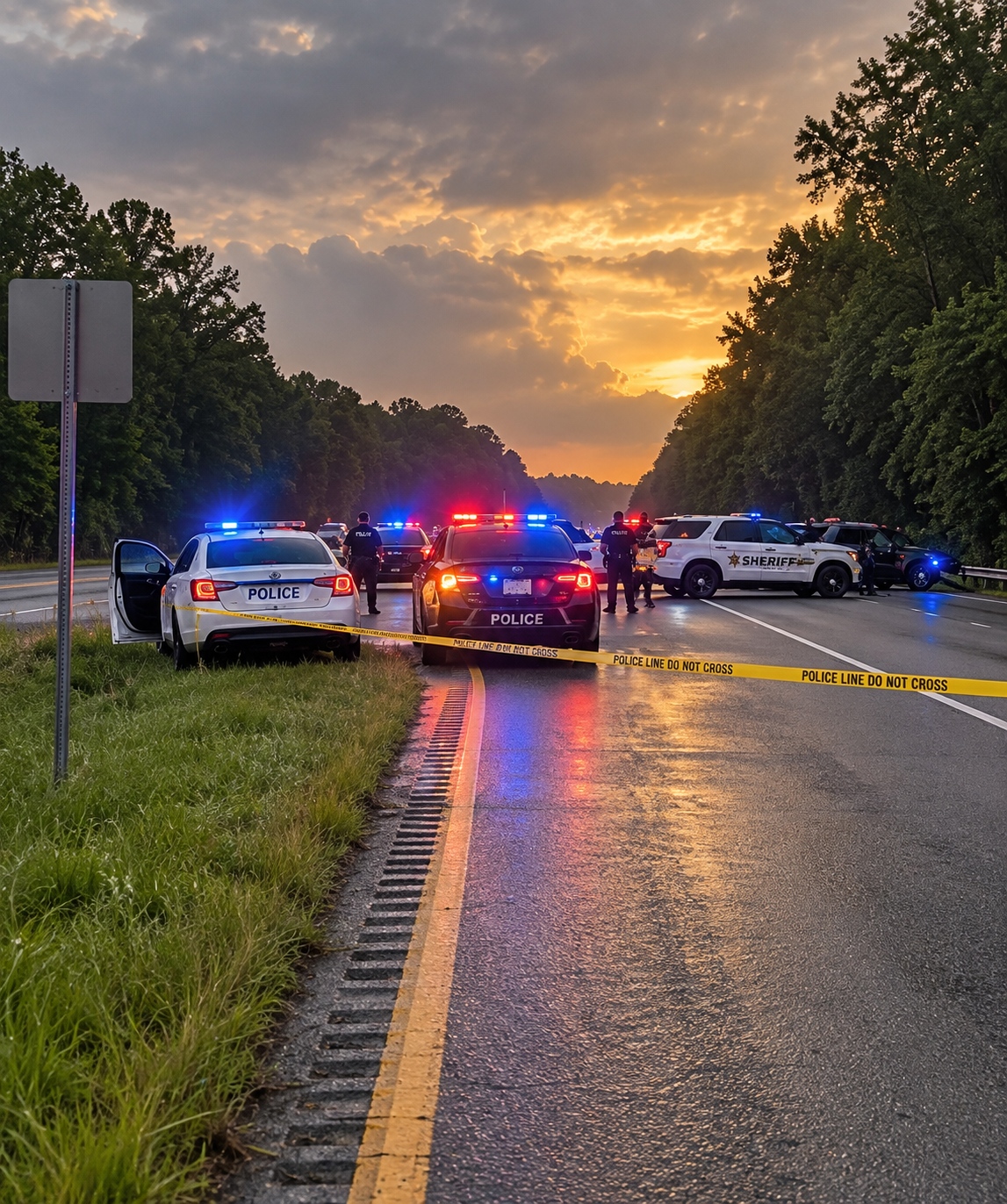
Workplace Violence in Healthcare: What We Know About the Corewell Health Troy Hospital Shooting examines an incident that transformed an ordinary morning at a Michigan hospital into an emergency. On March 20, 2025, gunfire in the parking garage at Corewell Health Beaumont Troy Hospital triggered an active-shooter response, a hospital lockdown, and a large multi-agency police operation.
The shooting did not turn out to be a random attack inside the hospital. Troy police said investigators determined that it involved two hospital employees who knew each other, and authorities described it as targeted. A 25-year-old employee suffered two gunshot wounds to his arm, while the shooter fled before officers arrived.
Incidents like this stay with people because hospitals occupy a unique place in everyday life. Patients arrive expecting treatment, relatives visit loved ones, and healthcare employees come to work knowing their attention needs to remain focused on care. When violence suddenly interrupts that environment, the effects reach far beyond the people directly involved. Staff members, patients, families, nearby schools, first responders, and the surrounding community can all feel the disruption. That makes understanding what actually happened—and separating verified facts from the confusion of the first emergency alerts—especially important.
The case also did not end on the morning of the shooting. The man prosecuted in connection with the attack, Robert Paljusevic, later pleaded no contest to criminal charges and received a lengthy prison sentence in March 2026.
What Happened at Corewell Health Beaumont Troy Hospital
The Shooting Began Shortly After 7 A.M.
Troy police said dispatchers received a call from Corewell Health security at approximately 7:08 a.m. on March 20, 2025. The initial report described an active shooter in the hospital’s parking garage, immediately creating concern that a wider attack might be underway. Police officers and other agencies responded while the hospital initiated lockdown procedures.
Authorities later said the victim, a 25-year-old Troy man who worked at the hospital, had arrived in the parking structure before the other employee appeared. Police accounts said multiple shots were fired, and the victim suffered two wounds to his arm. He was able to get to the hospital’s emergency department for treatment and was reported in stable condition.
Early reports referred to five gunshots, while a later Oakland County prosecutor’s charging statement alleged that seven shots had been fired. That difference illustrates why initial breaking-news numbers can change as investigators gather evidence. What remained consistent across official and subsequent reporting was that the victim was struck twice and survived.
The initial uncertainty required authorities to respond as though a broader threat might still exist. Hospital employees received warnings, officers searched the facility and grounds, and nearby schools and childcare facilities also adopted precautionary lockdown measures. More than 100 officers from multiple agencies ultimately assisted in the response, according to later reporting.
Police Determined the Attack Was Targeted
As investigators gathered information, the situation became clearer. Troy police said the shooting represented a targeted incident between two hospital employees rather than a random attack against patients, visitors, or the hospital population as a whole. The victim reportedly identified the suspected shooter, giving investigators an important lead quickly.
Police later said the two men knew one another and had previously been friends. Investigators described a recent falling out between them. Later court reporting connected that conflict to events surrounding the death and funeral arrangements of the victim’s father, although those details emerged after the initial investigation rather than during the first morning of the emergency.
That distinction between a targeted shooting and an indiscriminate attack mattered for investigators, but it did not make the event harmless to everyone else. Employees inside the hospital did not initially know the shooter’s location or intentions. Patients and visitors also experienced a lockdown while law enforcement worked to determine whether anyone remained in danger.
Therefore, authorities had to respond to the information available at the time rather than the clearer picture that emerged later. Emergency protocols exist precisely because responders cannot safely assume that a threat is isolated until they confirm it. The initial active-shooter response reflected that uncertainty rather than a conclusion that a mass attack had occurred.
How Authorities and the Hospital Responded
Lockdowns and a Large Police Response Followed Immediately
Once hospital security reported the gunfire, Corewell Health placed the Troy facility into lockdown. Police began searching and clearing the hospital and its grounds, while nearby schools and daycare facilities received notifications and implemented precautionary measures.
The response involved agencies from across the region. Local police departments, county agencies, federal partners, and specialized resources assisted Troy police. Reporting from the day described the use of drones, K-9 teams, helicopters, and other resources during the search for the suspect.
For people inside a hospital, a lockdown creates particularly complicated challenges. Unlike many office buildings, hospitals contain patients who cannot simply leave, including people receiving emergency treatment, recovering from procedures, or depending on medical equipment. Healthcare workers must therefore protect themselves while continuing to account for patients who may need immediate care.
Corewell Health temporarily instructed people with scheduled services not to come to the facility while the emergency remained active. After authorities secured the situation, the hospital began returning to normal operations. Reports later that morning indicated that regular operations had resumed.
The Suspect Was Arrested Later That Morning
The suspected shooter had left the hospital area after the attack, so law enforcement shifted part of its response toward locating him. Police eventually tracked him to a residence in Macomb Township, where he was taken into custody later that morning. Reports placed the arrest at roughly 9:30 to 9:45 a.m., a little more than two hours after the initial call.
Importantly, officers arrested him without another reported shooting. The arrest allowed authorities to lift the immediate threat and move from emergency response into the investigative phase.
The speed of the response also demonstrates how quickly a workplace shooting can affect an entire region. What began in one parking garage brought together more than 100 officers and affected hospital operations, schools, childcare facilities, nearby residents, and commuters. Even though investigators concluded that the attack specifically targeted one person, authorities could not safely know that at 7:08 a.m.
This sequence helps explain why early alerts often sound more alarming than the final description of an event. Emergency officials must act on incomplete information. Later reporting can clarify whether a threat was targeted, whether a suspect left the scene, and whether additional victims were at risk. Both stages matter when understanding Workplace Violence in Healthcare: What We Know About the Corewell Health Troy Hospital Shooting.
What Happened in the Criminal Case
Charges and a No-Contest Plea Followed
Three days after the shooting, the Oakland County Prosecutor’s Office announced charges against Robert Paljusevic. Prosecutors charged him with assault with intent to murder, felony firearm, and carrying a concealed weapon. At that stage, the charges remained allegations, and he was entitled to the presumption of innocence while the case proceeded.
Over the following months, investigators and courts developed a fuller record of the events leading to the attack. Testimony described a breakdown in the relationship between Paljusevic and the victim. Those details provided context for the prosecution while reinforcing police statements from the first day that the shooting was targeted rather than random.
On February 10, 2026, Paljusevic pleaded no contest to charges arising from the shooting. A no-contest plea does not function exactly like an admission of guilt in every legal context, but it allows the court to enter a conviction without a trial on the contested facts. Local reporting said the charges included assault with intent to murder, felony firearm, and carrying a concealed weapon.
The plea moved the case into sentencing and brought the prosecution much closer to completion nearly a year after the shooting. It also created a more complete public record than was available during the confusing first hours of March 20, 2025.
Sentencing Came in March 2026
On March 17, 2026, a Michigan judge sentenced Paljusevic to a lengthy prison term. Reports differed slightly in how they summarized the combined sentence because separate counts carried consecutive terms. Court-related reporting described an 11-to-50-year sentence on the assault count, with additional consecutive firearm-related time.
CBS Detroit summarized the sentence as 13.25 years in prison, while other local reporting explained the individual counts in more detail. The difference appears to reflect how outlets calculated or described consecutive sentences rather than disagreement that Paljusevic received more than a decade of incarceration.
The court also ordered restitution, according to local reporting. Meanwhile, the victim continued dealing with the physical and emotional effects of being shot. Those consequences demonstrate why the significance of workplace violence cannot be measured only by whether someone survived.
The March 2026 sentencing also means the original article now benefits from an important update. What began as reporting about a suspect and an investigation can now be described with the later legal outcome. Including that distinction prevents older breaking-news language from making the case sound unresolved when subsequent court proceedings have already occurred.
What the Shooting Shows About Workplace Safety in Healthcare
Hospitals Face Unique Safety Challenges
Hospitals function differently from many workplaces. They remain open around the clock, serve large numbers of strangers, treat people in emotional or physical distress, and include multiple entrances, parking areas, emergency departments, clinical units, and public spaces. Those characteristics can complicate security planning.
At the same time, healthcare organizations must balance security with access. A hospital cannot operate exactly like a sealed private facility because patients need urgent entry, families need directions, ambulances arrive continuously, and employees work around the clock. Parking garages and exterior areas can create additional security challenges because they remain less controlled than clinical spaces.
The Troy shooting also illustrates that workplace violence does not always originate with an unknown outsider. Authorities said both people involved worked at the hospital and knew each other. Consequently, workplace violence prevention cannot focus only on strangers entering a facility.
Effective preparation can include clear reporting channels, emergency communication systems, staff training, physical security measures, coordination with law enforcement, and procedures for sheltering patients who cannot evacuate easily. No single precaution can eliminate every risk, but layered systems can help organizations respond more effectively when a threat emerges.
Preparedness Matters Even When an Incident Is Targeted
Some readers may hear that the shooting was targeted and conclude that the lockdown proved unnecessary. The timeline shows why that conclusion would overlook the uncertainty responders faced. When the first call came in, authorities knew that gunfire had occurred on hospital property and that the shooter was not yet in custody.
Emergency planning has to address that uncertain period. Employees need to know how they will receive alerts, where they can secure patients, who communicates with law enforcement, and how essential medical care continues during a lockdown. The same planning also helps administrators determine when services can safely resume.
After an incident, organizations also need to consider the people affected psychologically. Employees who sheltered during an armed threat may experience stress even if they never saw the shooting. Patients and families can also carry memories of alarms, locked doors, police activity, and uncertainty.
The broader lesson from Workplace Violence in Healthcare: What We Know About the Corewell Health Troy Hospital Shooting is therefore not that every hospital should expect the same event. Instead, the case demonstrates how rapidly a conflict between two people can become an institution-wide emergency and why planning, communication, and coordinated response remain important.
Frequently Asked Questions
When did the Corewell Health Troy Hospital shooting happen?
The shooting occurred on March 20, 2025, shortly after 7 a.m. Troy police said they received the initial security call at approximately 7:08 a.m.
Was the Corewell Health shooting a random active-shooter attack?
Police initially responded to an active-shooter report because they did not yet know the scope of the danger. Investigators later described the shooting as a targeted attack between two hospital employees who knew one another.
Was anyone killed in the hospital shooting?
No fatality was reported. The 25-year-old victim suffered two gunshot wounds to the arm and received treatment at the hospital. Authorities reported that he was in stable condition following the shooting.
Was the suspect arrested?
Yes. Police located Robert Paljusevic in Macomb Township later on the morning of the shooting and took him into custody. He subsequently faced criminal charges, pleaded no contest in February 2026, and was sentenced in March 2026.
What happened to the hospital after the shooting?
Corewell Health placed the hospital into lockdown while police searched the facility and investigated the threat. Nearby schools and childcare facilities also implemented precautionary measures. After authorities secured the situation, the hospital resumed normal operations later that morning.
Conclusion
Workplace Violence in Healthcare: What We Know About the Corewell Health Troy Hospital Shooting begins with a frightening emergency call but becomes clearer when the full timeline is examined. On March 20, 2025, one Corewell Health Beaumont Troy Hospital employee shot another employee in the parking garage, prompting an immediate active-shooter response.
Authorities later determined that the incident was targeted and involved two people who knew one another. The victim survived after suffering two gunshot wounds to the arm, while the shooter fled and was captured in Macomb Township later that morning. The hospital and nearby institutions took precautionary lockdown measures while police worked to determine the scope of the threat.
The legal case continued well beyond that morning. Robert Paljusevic ultimately pleaded no contest, and a judge imposed a prison sentence in March 2026. That later outcome provides important context that was unavailable during the initial breaking-news coverage.
Most importantly, the incident illustrates how quickly workplace violence can disrupt a healthcare environment. A conflict involving two employees triggered a response affecting an entire hospital, nearby schools, law enforcement agencies, patients, families, and the surrounding community. Careful preparation cannot prevent every violent act, but clear emergency procedures and rapid coordination can become critically important when an ordinary workday suddenly turns into a crisis.