A Science-Based Look at Soda, Bone Health, and Smarter Choices
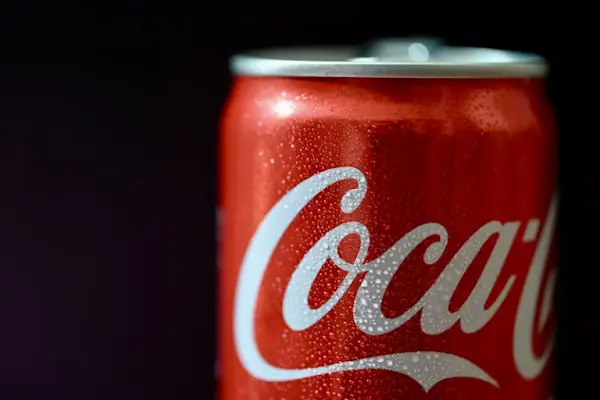
Few beverages are as popular as soda.
It’s available everywhere, comes in countless flavors, and has become a daily habit for millions of people around the world. Whether it’s enjoyed with lunch, dinner, or as an afternoon pick-me-up, soda remains one of the most commonly consumed drinks.
Yet beneath the bubbles and sweetness lies an important health conversation that many people overlook.
For years, researchers have examined the relationship between soda consumption and long-term health outcomes. While most discussions focus on weight gain and sugar intake, concerns about bone health continue to generate questions and confusion.
Can soda actually weaken your bones?
Is phosphoric acid really the culprit?
Or is the truth more complicated?
Let’s take a closer look at what science actually says.
Why Bone Health Matters More Than Most People Realize
Strong bones are essential for maintaining mobility, independence, and quality of life throughout life.
Many people assume bone health becomes important only in old age, but the foundation for healthy bones is built much earlier.
Your Bones Are Constantly Changing
Bones are living tissue.
Throughout your life they continuously break down and rebuild themselves through a process known as remodeling.
During childhood, adolescence, and early adulthood, the body builds bone faster than it loses it. Peak bone mass is typically reached by around age 30.
After that point, maintaining bone strength becomes increasingly important.
Small Daily Habits Add Up
Nutrition plays a major role in determining bone health.
Calcium, vitamin D, magnesium, protein, and regular physical activity all contribute to stronger bones.
The beverages we consume every day can either support those goals—or work against them.
One soda may not seem significant, but drinking one every day can become a long-term pattern that affects overall nutrition and health.
The Truth About Soda and Bone Health
Many headlines suggest that soda directly damages bones.
The reality is more nuanced.
The Phosphoric Acid Myth
One of the most common claims is that phosphoric acid in cola beverages “pulls calcium out of bones.”
Current scientific evidence does not strongly support this idea.
Research has found that when calcium intake is adequate, phosphoric acid alone does not significantly disrupt calcium balance in the body.
This means soda is not literally dissolving your bones.
So Why Do Studies Show Concerns?
Some observational studies have found an association between frequent cola consumption and lower bone density.
However, association does not necessarily mean causation.
Researchers believe a more important explanation may be something called nutrient displacement.
The Real Problem: What Soda Replaces
The biggest concern may not be what soda contains.
It may be what soda replaces.
Missing Out on Bone-Building Nutrients
When people regularly choose soda over more nutritious beverages, they often consume less:
- Milk
- Fortified plant milks
- Calcium-rich beverages
- Nutrient-dense smoothies
Over time, this can lead to lower intake of calcium and vitamin D—two nutrients that play crucial roles in bone development and maintenance.
Children and Teens Are Especially Vulnerable
Young people are in their peak bone-building years.
When sugary drinks replace milk or other nutrient-rich options, they may miss valuable opportunities to build stronger bones that will benefit them later in life.
Because peak bone mass is reached relatively early, these years matter enormously.
Beyond Bones: Other Health Concerns Linked to Soda
While bone health receives significant attention, soda consumption has been associated with several additional health concerns.
1. Weight Gain
Sugary beverages are easy to consume in large amounts.
Unlike solid foods, liquid calories often do not create the same sense of fullness.
As a result, people may consume extra calories without realizing it.
A typical 12-ounce soda contains approximately 150 calories.
Drinking one every day can add more than 50,000 calories annually.
2. Blood Sugar Spikes
Soda contains rapidly absorbed sugars that can cause sharp increases in blood glucose levels.
Frequent exposure to these spikes may contribute to insulin resistance over time.
This is particularly important for individuals already at risk for type 2 diabetes.
3. Fatty Liver Disease
Many sodas contain high-fructose corn syrup.
Excess fructose is processed primarily by the liver, where it can contribute to fat accumulation.
Researchers have linked high consumption of sugary beverages with increased risk of non-alcoholic fatty liver disease.
4. Dental Damage
Soda creates a double challenge for oral health.
First, acids in the beverage soften tooth enamel.
Second, sugars feed bacteria that produce additional acids.
Together, these effects can increase the risk of cavities and enamel erosion.
5. Cardiovascular Health
Studies have associated regular consumption of sugary beverages with higher risks of:
- Elevated triglycerides
- High blood pressure
- Inflammation
- Metabolic dysfunction
These factors may contribute to long-term cardiovascular disease risk.
6. Increased Risk of Gout
Research consistently shows a connection between high fructose intake and elevated uric acid levels.
Higher uric acid levels increase the likelihood of developing gout, a painful form of arthritis.
Is Carbonation the Problem?
Many people assume the bubbles themselves are harmful.
Fortunately, carbonation is not the issue.
Carbonated water does not appear to negatively affect bone health.
The primary concerns involve:
- Added sugar
- Excess calories
- Nutrient displacement
- Acidity affecting dental health
This distinction is important because it means people can often satisfy their desire for fizz without consuming large amounts of sugar.
Better Beverage Choices for Stronger Bones
If you’re looking to reduce soda intake, there are plenty of satisfying alternatives.
Milk and Fortified Plant Milks
These provide:
- Calcium
- Vitamin D
- Protein
All three support bone health.
Sparkling Water
For people who enjoy carbonation, sparkling water can provide the same refreshing sensation without added sugars.
Adding lemon, lime, cucumber, or berries creates additional flavor naturally.
Herbal Tea
Served hot or iced, herbal teas offer hydration and variety without excessive calories.
Fruit-Infused Water
Fresh fruit can add subtle sweetness and flavor while encouraging hydration.
Popular options include:
- Strawberry and mint
- Lemon and cucumber
- Orange slices
- Blueberries and basil
Yogurt Smoothies
Combining yogurt with fruit creates a satisfying beverage that supports both bone health and digestive health.
Practical Ways to Cut Back on Soda
Many people find that gradual change works better than complete elimination.
Start Small
Instead of quitting entirely, replace one soda per day with a healthier option.
Small changes are easier to maintain long term.
Keep Alternatives Available
People tend to consume what is most convenient.
Keeping sparkling water, herbal tea, or flavored water within easy reach increases the likelihood of choosing them.
Focus on Addition Rather Than Restriction
Rather than thinking about what you’re removing, focus on what you’re gaining:
- More nutrients
- Better hydration
- Less added sugar
- Stronger long-term health habits
Make It a Family Goal
Children often follow adult examples.
When healthier beverages become part of the household routine, everyone benefits.
Supporting Strong Bones at Any Age
Reducing soda is only one piece of the puzzle.
Bone health depends on several important factors working together.
Prioritize Calcium
Most adults need approximately 1,000 to 1,200 mg of calcium daily.
Good sources include:
- Dairy products
- Fortified plant milks
- Tofu
- Sardines
- Leafy green vegetables
Get Enough Vitamin D
Vitamin D helps the body absorb calcium effectively.
Sunlight exposure, fortified foods, and supplements may help maintain healthy levels.
Stay Active
Weight-bearing activities strengthen bones by encouraging new bone formation.
Examples include:
- Walking
- Dancing
- Hiking
- Resistance training
- Tennis
Maintain Overall Nutrition
Protein, magnesium, phosphorus, and other nutrients also contribute to healthy bones.
No single food or beverage determines bone strength.
Overall dietary patterns matter most.
Frequently Asked Questions
Is diet soda better for bone health?
Diet soda removes added sugar but still offers little nutritional value. While it may reduce calorie intake, it can still replace more nutrient-rich beverages.
How much soda is too much?
Occasional consumption is unlikely to cause significant harm for most healthy adults. Daily consumption warrants closer attention, especially when it displaces healthier options.
Can bone health improve later in life?
Yes. Bones continue to remodel throughout adulthood. Improving nutrition and exercise habits can support stronger bones at any age.
Is sparkling water a good substitute?
Yes. Carbonation itself is not harmful to bones, making unsweetened sparkling water an excellent alternative.
What matters most for strong bones?
A combination of adequate calcium, vitamin D, protein, regular exercise, and overall healthy nutrition.
Final Thoughts
The idea that soda directly destroys bones is an oversimplification.
Current evidence suggests the larger concern is what happens when soda replaces beverages that provide calcium, vitamin D, and other nutrients essential for skeletal health.
That doesn’t mean you need to fear an occasional soda.
Health is built on patterns, not perfection.
The goal isn’t eliminating every indulgence.
It’s creating habits that support your body over the long term.
Choosing water instead of soda a few times each week may seem like a small change.
But small choices repeated consistently often produce the biggest results.
Your bones, your heart, your teeth, and your overall health all benefit from thoughtful daily decisions.
And every healthier choice is a step in the right direction.
More Home Remedies
- Wrinkled Fingers After Water Exposure: What Your Skin May Be Telling You
- Skin Rash With Breathing Trouble? It Could Be a Life-Threatening Allergic Reaction
- I Thought It Was a Piece of Trash on the Bathroom Floor—Until It Moved
- If You Are Getting White Pimples on Your Lips or Intimate Area, Here’s What They Could Mean