If you ever face a snake bite, knowing exactly what to do can save your life. This guide on When Bitten by a Snake, You Should Do These Things First gives you clear, calm steps to follow in a stressful moment. Snake bites are rare, but when they happen, quick and correct action matters more than anything else.
I once heard a story from a friend who stepped too close to a snake while hiking. At first, panic set in, but instead of reacting impulsively, they stayed calm and followed basic safety steps. They called for help, kept still, and avoided common mistakes like trying to treat the wound themselves. That experience reinforced how preparation and awareness can make all the difference when seconds feel overwhelming.
Understanding Snake Bites
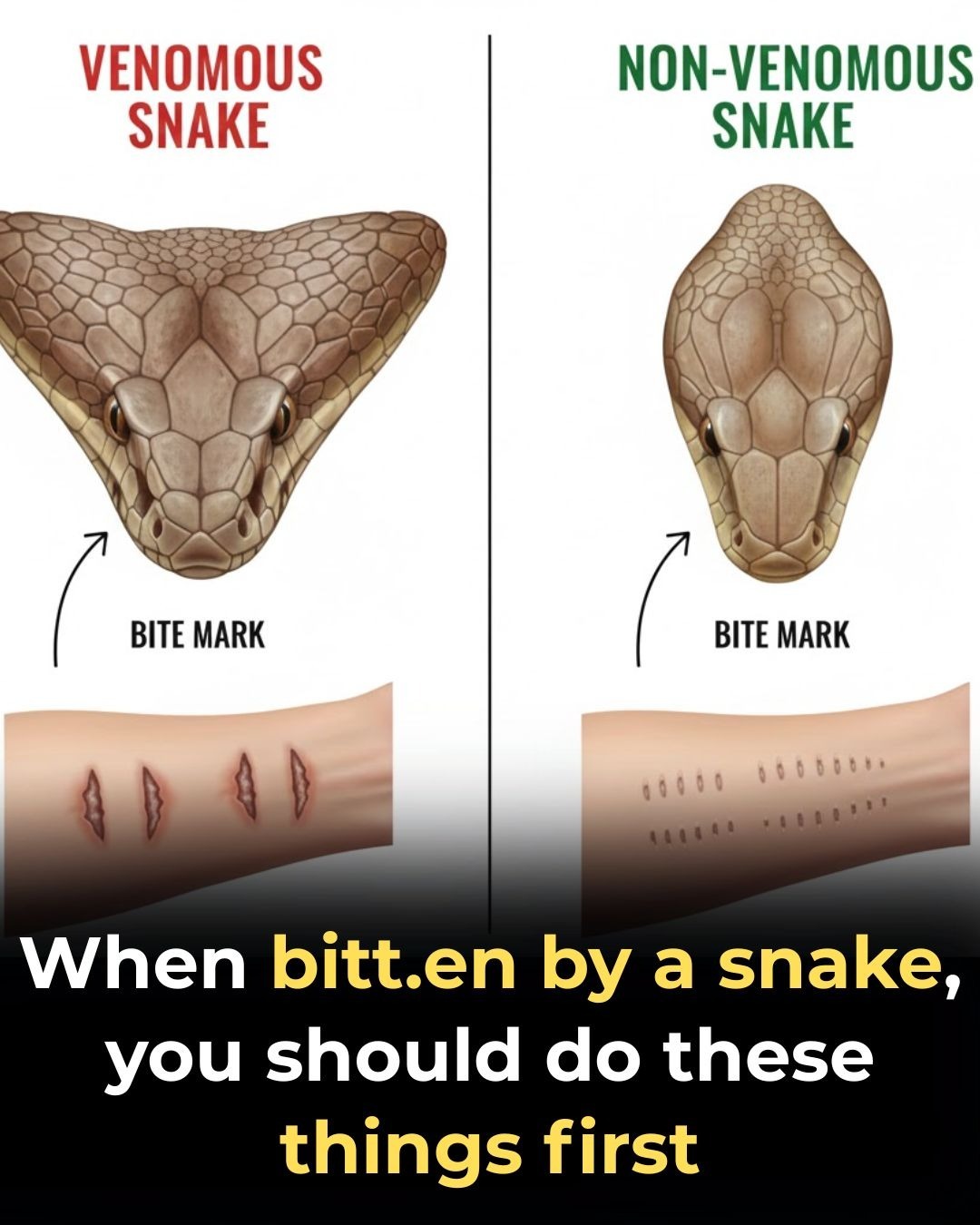
Venomous vs Non-Venomous Bites
Not all snake bites are the same. Some snakes are venomous, meaning they inject toxins that affect your body. Others are non-venomous and may cause injury but not toxic effects.
Venomous bites often leave two distinct puncture marks from fangs. In contrast, non-venomous bites may appear as a series of smaller teeth marks. However, relying only on bite appearance is not always reliable, so medical evaluation is essential.
Why Immediate Action Matters
Venom can spread through your lymphatic system and bloodstream. Therefore, staying calm and limiting movement slows its spread. Even if symptoms seem mild at first, they can worsen over time.
Because of this, every snake bite should be treated as a medical emergency until proven otherwise.
The First Steps to Take
Stay Calm and Call for Help
The most important step is to call emergency services immediately. Even if you feel fine, symptoms may appear later. While waiting for help, try to remain as still as possible.
Panic increases heart rate, which can spread venom faster. Therefore, controlled breathing and staying calm can directly improve your outcome.
Position Your Body Correctly
Keep the bitten area below heart level. This helps slow the movement of venom through your body. Sit or lie down, and avoid unnecessary movement.
Additionally, remove any tight clothing, jewelry, or accessories near the bite. Swelling can develop quickly, and these items may restrict circulation.
What to Avoid at All Costs
Common Mistakes That Can Make Things Worse
Many traditional remedies can actually increase harm. For example, cutting the wound or trying to suck out venom does not work and can cause infection.
Applying ice or using a tourniquet may restrict blood flow too much, leading to tissue damage. Therefore, it’s best to avoid any aggressive or unproven methods.
Substances and Actions to Skip
Avoid alcohol and caffeine, as they can increase circulation. Also, do not take medications like aspirin or ibuprofen unless instructed by a professional.
Keeping things simple and focused on getting help is always the safest approach.
What Happens Next
Medical Treatment and Observation
At the hospital, doctors will assess the bite and determine whether antivenom is needed. This is the only effective treatment for venomous bites.
Even if no venom was injected, doctors often monitor patients for several hours. This ensures that delayed symptoms are caught early.
Recovery and Prevention
Recovery depends on the type of bite and how quickly treatment begins. Most people recover fully with prompt care.
To prevent future incidents, wear protective clothing when outdoors, stay alert in snake-prone areas, and avoid reaching into hidden spaces without checking first.
Frequently Asked Questions
Can you always tell if a snake is venomous?
No, it’s often difficult without expert knowledge. Always treat bites seriously.
Is every snake bite dangerous?
Not all are venomous, but all require medical attention.
Should you try to catch the snake?
No, this can lead to additional bites and injury.
How fast should you seek help?
Immediately. Do not wait for symptoms.
Can you recover fully from a snake bite?
Yes, with quick and proper treatment, most people recover well.
Conclusion
Understanding When Bitten by a Snake, You Should Do These Things First prepares you to act quickly and confidently in an emergency. Staying calm, limiting movement, and seeking immediate medical help are the most critical steps you can take.
By avoiding harmful myths and focusing on proven actions, you give yourself the best chance for a safe recovery. Knowledge truly is your strongest protection when facing the unexpected.
More Home Remedies
- Wrinkled Fingers After Water Exposure: What Your Skin May Be Telling You
- Skin Rash With Breathing Trouble? It Could Be a Life-Threatening Allergic Reaction
- I Thought It Was a Piece of Trash on the Bathroom Floor—Until It Moved
- If You Are Getting White Pimples on Your Lips or Intimate Area, Here’s What They Could Mean