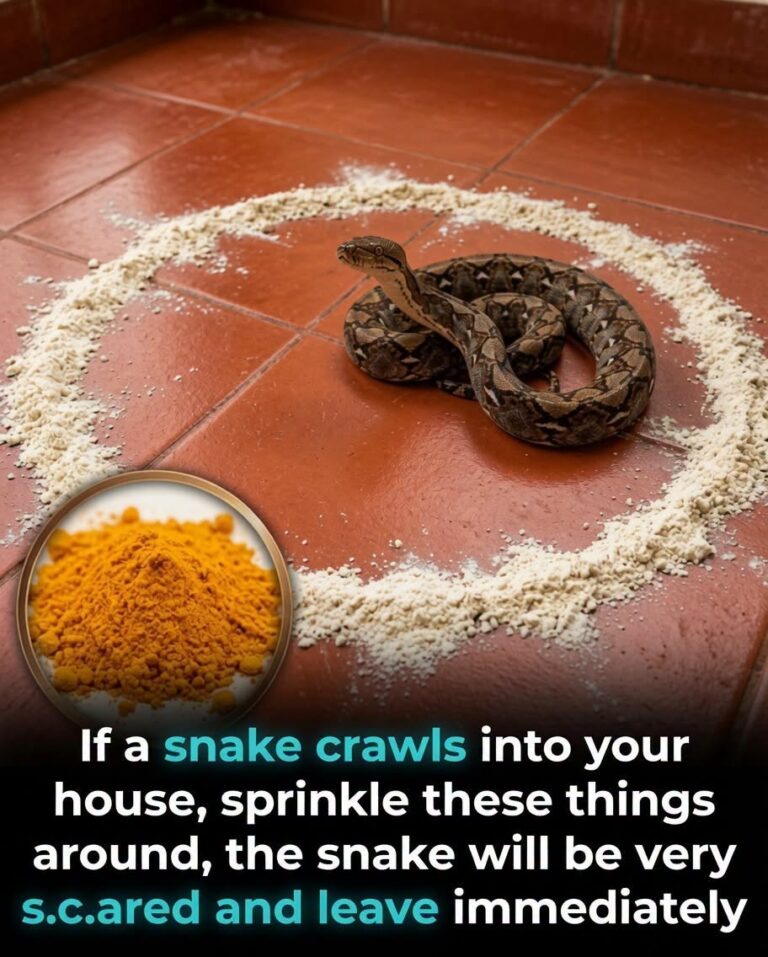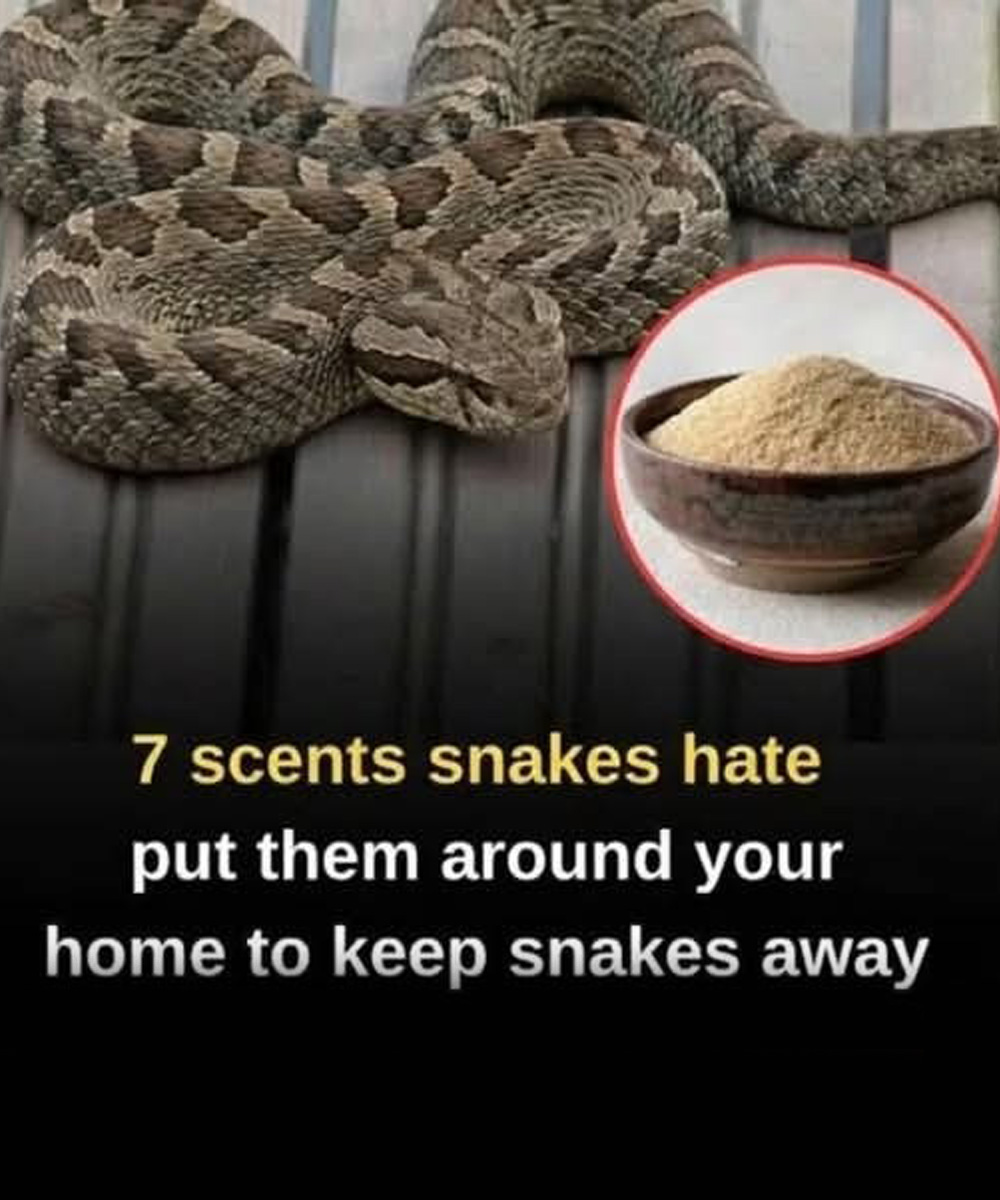
Snakes are an important part of nature, helping control pests like mice, rats, and insects. However, most homeowners still prefer not to find snakes hiding near patios, gardens, garages, or sheds. Because snakes rely heavily on scent and environmental conditions to survive, certain strong smells may help make your yard feel less attractive to them.
Although no smell works as a guaranteed snake repellent, combining scent deterrents with proper yard maintenance can reduce the chances of snakes settling near your home. Understanding what attracts snakes in the first place is often the key to keeping them away naturally and safely.
A few summers ago, I walked outside to move a flowerpot near the porch and suddenly spotted a snake curled underneath. It disappeared quickly, but the surprise alone made me rethink how cluttered and overgrown parts of the yard had become. After cleaning debris, trimming plants, and trying a few natural scent deterrents around entry points, I noticed far fewer snake sightings over time. That experience showed me that prevention matters much more than panic.
Why Snakes Come Into Yards
Snakes Search for Food and Shelter
Snakes usually enter residential areas for simple survival reasons.
They look for:
- Rodents
- Frogs
- Insects
- Water sources
- Cool hiding places
- Tall grass
- Wood piles
If a yard provides shelter and food, snakes may stay nearby regardless of repellents.
Smells Alone Are Not Enough
Many online claims exaggerate the effectiveness of natural snake repellents. Strong odors may discourage snakes temporarily, but they rarely solve the problem completely.
The best approach combines:
- Clean landscaping
- Sealed entry points
- Rodent control
- Reduced clutter
- Occasional scent deterrents
1. Garlic
Why Garlic May Discourage Snakes
Garlic contains sulfur compounds with powerful odor that some people believe irritates snakes’ sensory systems.
Because snakes constantly “taste” the air using their tongues and Jacobson’s organ, strong smells may make certain areas feel less appealing.
How To Use Garlic Around Your Yard
You can:
- Crush fresh garlic cloves
- Mix them with water
- Spray around sheds, fences, patios, and foundations
Fresh garlic generally produces stronger scent than powdered versions.
However, outdoor applications usually need frequent reapplication after rain.
2. Onion
Onion Has Similar Compounds to Garlic
Like garlic, onions release strong sulfur-containing odors.
Some homeowners use onion sprays near:
- Garden borders
- Entryways
- Storage areas
Easy Onion Spray Recipe
Blend chopped onion with water and strain the mixture before spraying.
The smell fades quickly outdoors, so regular reapplication may be necessary.
3. Chili Powder or Cayenne Pepper
Spicy Powders Can Irritate Sensitive Tissue
Strong peppers contain capsaicin, which creates burning sensation in many animals.
Some people sprinkle cayenne or chili powder around yard boundaries hoping to discourage snakes from crossing.
Use Caution Around Pets and Children
Pepper powders may irritate:
- Eyes
- Skin
- Pets
- Wildlife
Avoid excessive use, especially in areas where children or animals play regularly.
4. Citrus Peels
Sharp Citrus Smells May Be Unpleasant
Lemon, lime, and orange peels release acidic oils with strong scent.
Although scientific evidence remains limited, some homeowners report fewer snake sightings after placing citrus peels near:
- Doorways
- Porches
- Garden edges
Fresh Peels Work Best
Dried peels lose scent quickly outdoors.
Replacing citrus regularly helps maintain stronger aroma.
5. Vinegar
Strong Acidic Smell Can Act as Deterrent
White vinegar produces powerful odor that some people use around:
- Fences
- Cracks
- Water features
- Storage sheds
Avoid Overusing Vinegar Near Plants
Vinegar can damage:
- Grass
- Flowers
- Soil quality
Always apply carefully and avoid spraying directly onto desirable plants.
6. Peppermint and Mint Oils
Mint Produces Strong Cooling Aroma
Peppermint oil is commonly used in natural pest control because of its intense smell.
Some homeowners dilute peppermint oil with water and spray:
- Doors
- Windows
- Garage entrances
- Patio edges
Essential Oils Fade Outdoors
Rain, wind, and sunlight reduce effectiveness quickly.
Because of this, mint-based repellents require regular refreshing.
7. Ammonia
Ammonia Creates Extremely Strong Odor
Ammonia has long been used as animal deterrent because of its harsh smell.
Some people soak rags with ammonia and place them near areas where snakes appear frequently.
Safety Is Extremely Important
Ammonia should always be used carefully because it can:
- Irritate lungs
- Harm pets
- Cause dangerous fumes
Never mix ammonia with other cleaning products.
Avoid using ammonia in enclosed spaces or around children.
Yard Maintenance Matters Most
Remove Snake Hiding Spots
The most effective snake prevention strategy involves eliminating shelter.
Focus on:
- Trimming tall grass
- Removing debris piles
- Organizing firewood
- Cleaning clutter
- Controlling rodents
Without food and shelter, snakes usually move elsewhere naturally.
Seal Entry Points Around the Home
Small openings near:
- Foundations
- Doors
- Garages
- Pipes
- Vents
can allow snakes inside.
Inspect your property carefully and seal gaps whenever possible.
Understanding Local Snake Species
Most Snakes Are Harmless
In many areas, most snakes people encounter are nonvenomous and avoid human contact whenever possible.
Snakes generally bite only when:
- Cornered
- Handled
- Threatened
- Stepped on accidentally
Never Attempt To Handle Unknown Snakes
If you cannot identify a snake safely:
- Keep distance
- Supervise pets and children
- Contact local wildlife professionals if necessary
Trying to remove snakes without proper experience can be dangerous.
Common Myths About Snake Repellents
No Scent Works 100% of the Time
Many internet claims exaggerate the power of natural repellents.
Weather conditions, snake species, and environmental factors all affect results.
Prevention Always Works Better
Removing attractants consistently produces better long-term results than relying only on smells.
Clean, open, well-maintained yards remain the strongest defense against unwanted snake activity.
FAQ
Do strong smells really repel snakes?
Some odors may discourage snakes temporarily, but results vary greatly.
What attracts snakes to a yard?
Food, water, shelter, rodents, tall grass, and clutter attract snakes.
Is peppermint oil effective against snakes?
Some people report success, but scientific evidence remains limited.
Are mothballs safe for snake control?
No. Mothballs can harm people, pets, and the environment.
What is the best long-term snake prevention method?
Keeping yards clean and removing hiding places works best.
Conclusion
Strong smells like garlic, onion, peppermint, citrus, vinegar, and chili pepper may help make certain areas less attractive to snakes, but they should never be viewed as guaranteed solutions. Snakes are primarily drawn to food, shelter, and safe hiding places—not simply the absence of certain scents.
The most reliable way to reduce snake activity around your home involves maintaining a clean yard, controlling rodents, trimming vegetation, and sealing entry points. Natural scent deterrents may offer additional support when used carefully and consistently alongside good prevention habits.
By focusing on both safety and proper yard maintenance, homeowners can create outdoor spaces that feel more comfortable while still respecting the important role snakes play in nature.
More Home Remedies
- Wrinkled Fingers After Water Exposure: What Your Skin May Be Telling You
- Skin Rash With Breathing Trouble? It Could Be a Life-Threatening Allergic Reaction
- I Thought It Was a Piece of Trash on the Bathroom Floor—Until It Moved
- If You Are Getting White Pimples on Your Lips or Intimate Area, Here’s What They Could Mean