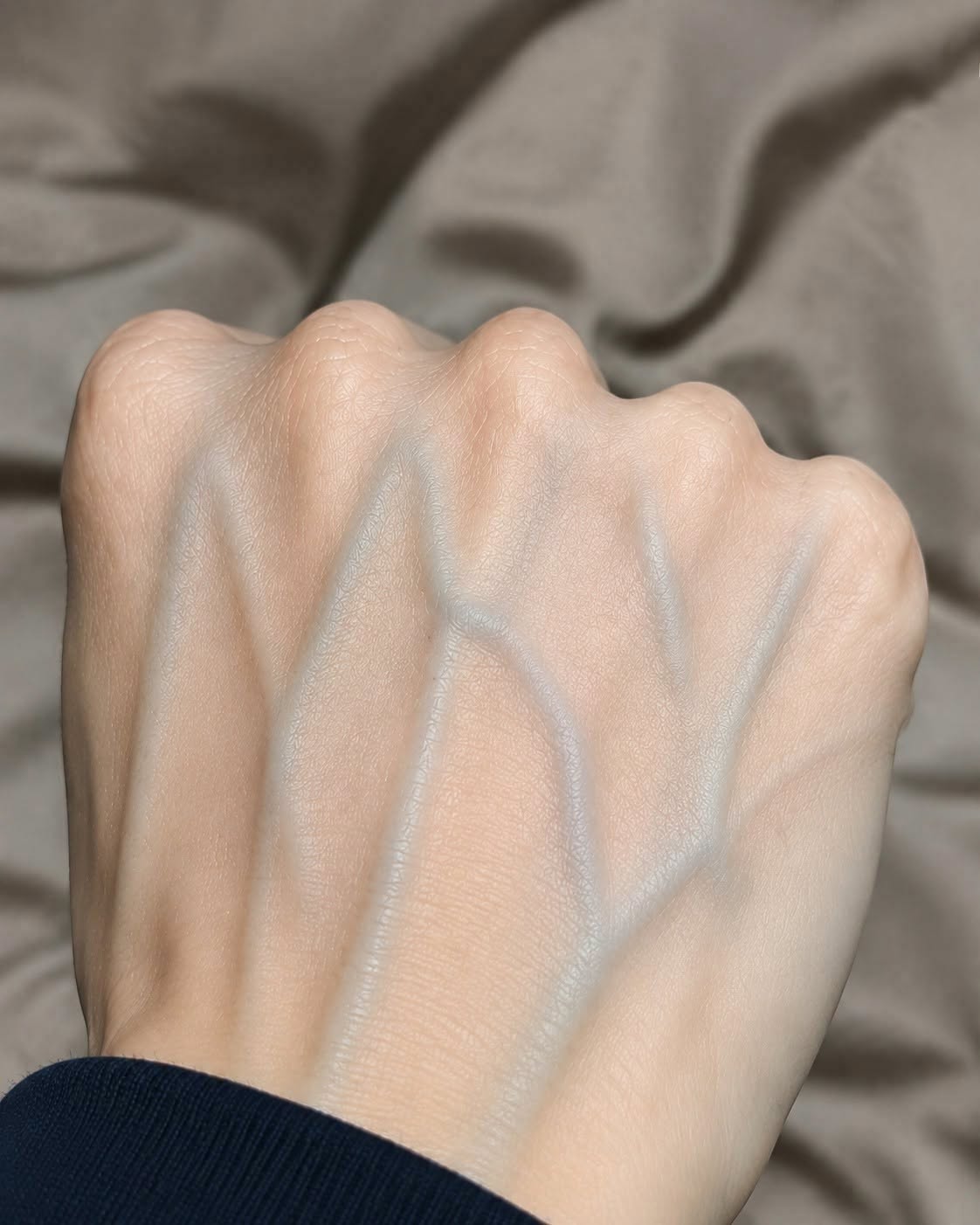
It’s easy to become concerned when you notice the veins on your hands becoming more visible than they used to be. Whether they appear blue, green, or slightly raised beneath the skin, many people immediately wonder if the change could be a sign of an underlying health problem. Social media posts often claim that prominent hand veins are linked to serious conditions such as kidney disease, poor circulation, or heart problems, leaving many people unnecessarily worried.
The good news is that, in most cases, visible veins on the hands are completely normal. They are often the result of natural aging, genetics, body composition, exercise, or temporary environmental factors rather than a sign of illness. While certain vein changes can occasionally indicate a medical condition, simply being able to see the veins on your hands is rarely cause for concern.
Understanding why veins become more noticeable can help you distinguish between harmless changes and symptoms that deserve medical attention. Here’s what experts know about visible hand veins and what they may—or may not—say about your overall health.
Why Are Veins Visible in the First Place?
Veins are an essential part of the circulatory system. Their primary job is to carry blood that has delivered oxygen to the body’s tissues back toward the heart and lungs.
Unlike arteries, which are located deeper within the body and carry oxygen-rich blood under higher pressure, veins often lie much closer to the skin’s surface, especially in the hands and arms.
Because the skin covering the hands is naturally thinner than many other parts of the body, veins can often be seen beneath the surface without indicating any health problem.
The amount of visibility varies greatly from one person to another.
Some individuals naturally have veins that are easy to see throughout their lives, while others notice changes gradually over time.
Natural Reasons Your Hand Veins Become More Visible
Several completely normal factors can make hand veins appear larger or more noticeable.
Aging
One of the most common reasons is simply getting older.
As we age, our skin naturally changes.
Over time:
- Collagen production decreases.
- Skin becomes thinner.
- Fat beneath the skin gradually diminishes.
- Elasticity declines.
With less tissue covering the veins, they become easier to see.
The hands often show these changes earlier than other parts of the body because they experience years of sun exposure and constant daily use.
Visible veins are therefore considered a normal part of the aging process for many adults.
Low Body Fat
Body composition also plays an important role.
Individuals with lower body fat percentages often have more noticeable veins because there is less tissue between the veins and the skin.
This is particularly common among:
- Athletes
- Bodybuilders
- Runners
- Cyclists
- Swimmers
- Naturally lean individuals
In these cases, visible veins are usually considered a sign of low body fat rather than poor health.
Exercise and Increased Blood Flow
Many people notice that their veins become much more prominent during or immediately after exercise.
This happens because physical activity increases blood flow throughout the body.
As muscles work harder, veins temporarily expand to return blood to the heart more efficiently.
This temporary enlargement is known as vascularity.
Once the body cools down and heart rate returns to normal, the veins typically become less noticeable again.
Warm Weather
Temperature also affects vein size.
When you’re warm, your blood vessels naturally expand to help release excess heat.
This process, called vasodilation, makes veins appear larger.
For this reason, your veins may seem much more visible:
- After a hot shower
- During summer weather
- While relaxing in a sauna
- After spending time outdoors
Once your body cools, the veins usually return to their normal appearance.
Genetics
Sometimes the explanation is simply inherited.
If your parents or grandparents have noticeable hand veins, you may naturally have them as well.
Genetics influence:
- Skin thickness
- Skin color
- Fat distribution
- Vein size
- Connective tissue strength
None of these inherited traits necessarily indicate disease.
Could Dehydration Make Veins More Noticeable?
Yes—but usually only temporarily.
When the body loses fluids, skin may become slightly less plump, making veins easier to see.
Mild dehydration may also reduce blood volume slightly, creating subtle changes in vein appearance.
Fortunately, these effects generally improve after drinking enough fluids.
Are Visible Veins a Sign of Good Circulation?
Many people assume prominent veins automatically mean they have excellent circulation.
The reality is a bit more complicated.
Visible veins do not necessarily indicate better circulation, nor do they suggest poor circulation.
They are simply easier to see because of factors like:
- Thin skin
- Low body fat
- Exercise
- Warm temperatures
- Genetics
Circulation depends on many internal processes that cannot be judged simply by looking at the hands.
Are Visible Hand Veins Related to Kidney Disease?
One common claim circulating online is that prominent veins on the hands indicate kidney disease.
Current medical evidence does not support this idea.
Kidney disease usually develops silently during its early stages.
When symptoms eventually appear, they are more likely to include:
- Swelling in the feet or ankles
- Fatigue
- Changes in urination
- High blood pressure
- Loss of appetite
- Nausea
- Muscle cramps
Visible hand veins alone are not recognized as a typical symptom of kidney disease.
Anyone concerned about kidney function should consult a healthcare professional rather than relying on changes in vein appearance.
When Should You Pay Attention?
Although visible veins are usually harmless, certain changes deserve medical evaluation.
Contact your healthcare provider if you notice:
Sudden Swelling
A vein that suddenly becomes swollen without injury should be examined.
Pain
Healthy visible veins are generally painless.
Pain, tenderness, or aching may indicate inflammation or another vascular problem.
Redness
Redness surrounding a vein may suggest irritation or infection.
Warmth
A warm vein accompanied by swelling and pain could indicate inflammation.
Hard Veins
If a vein suddenly feels firm or rope-like beneath the skin, medical evaluation is appropriate.
Rapid Changes
Veins that quickly become much larger or change dramatically in appearance deserve professional assessment.
Conditions That Can Affect Veins
Although uncommon in the hands, several medical conditions may affect superficial veins.
These include:
Superficial Thrombophlebitis
This condition involves inflammation of a vein located close to the skin.
Symptoms may include:
- Tenderness
- Redness
- Warmth
- Swelling
Treatment often depends on the underlying cause.
Varicose Veins
Although much more common in the legs, enlarged superficial veins occasionally develop elsewhere.
These veins may appear:
- Twisted
- Bulging
- Raised
Hand varicose veins are relatively uncommon.
Blood Clots
Blood clots in superficial veins are less dangerous than deep vein thrombosis but still require medical assessment.
Symptoms often include:
- Pain
- Swelling
- Firmness
- Warmth
Keeping Your Veins Healthy
While genetics cannot be changed, several healthy habits support overall vascular health.
Stay Active
Regular exercise improves circulation.
Walking, swimming, cycling, and strength training all support healthy blood vessels.
Stay Hydrated
Drinking adequate water helps maintain healthy blood volume and skin hydration.
Eat a Balanced Diet
A diet rich in:
- Fruits
- Vegetables
- Whole grains
- Lean proteins
- Healthy fats
supports cardiovascular health.
Protect Your Skin
Because aging skin naturally becomes thinner, wearing sunscreen on your hands may help reduce premature skin aging caused by ultraviolet exposure.
Avoid Smoking
Smoking damages blood vessels and increases the risk of numerous vascular diseases.
Quitting benefits your entire circulatory system.
Frequently Asked Questions
Are blue veins on the hands normal?
Yes. Veins often appear blue or green because of the way light passes through the skin.
Why do my veins disappear when I’m cold?
Cold temperatures cause blood vessels to constrict, making veins temporarily less visible.
Can stress make veins stand out?
Stress may temporarily increase blood pressure and muscle tension, but exercise and temperature changes are much more common reasons for temporary vein enlargement.
Are visible veins a sign of dehydration?
Mild dehydration can sometimes make veins slightly more noticeable, but this effect usually resolves after rehydration.
Should I worry if only one hand has visible veins?
Not necessarily. Minor differences between hands are common, especially depending on hand dominance and muscle use. However, sudden swelling, pain, or significant asymmetry should be evaluated by a healthcare provider.
What Do the Veins on Your Hands Really Say About Your Health? Understanding the Facts Behind Visible Veins
Many people notice changes in their hands as they get older. One of the most common observations is that the veins become more visible, appearing blue, green, or even slightly raised beneath the skin. While these changes may seem alarming at first, they are usually a normal part of the body’s natural aging process and are not typically a sign of serious illness.
However, the internet is filled with claims suggesting that visible veins indicate kidney disease, heart problems, poor circulation, or other hidden health conditions. These statements often cause unnecessary worry because they oversimplify a complex topic. The truth is that hand veins can become more noticeable for many completely harmless reasons, including genetics, age, body composition, exercise, and environmental factors.
At the same time, your circulatory system does provide valuable clues about your overall health. While visible veins alone rarely point to disease, changes accompanied by pain, swelling, redness, or other symptoms deserve medical attention.
Let’s explore why veins become more visible, what they actually reveal about your body, and when it’s time to consult a healthcare professional.
Understanding How Veins Work
Your circulatory system is made up of arteries, veins, and tiny blood vessels called capillaries.
Each plays a different role.
Arteries carry oxygen-rich blood away from the heart.
Capillaries deliver oxygen and nutrients to tissues throughout the body.
Veins then return oxygen-poor blood back to the heart and lungs to begin the cycle again.
Unlike arteries, veins contain one-way valves that help blood move upward against gravity.
This is especially important in the legs, where blood must travel a considerable distance back to the heart.
The veins on the backs of your hands lie close to the skin’s surface, making them naturally easier to see than deeper blood vessels.
Why Hand Veins Become More Noticeable With Age
One of the biggest reasons people notice prominent veins is simply growing older.
As the years pass, several natural changes occur beneath the skin.
Thinner Skin
The body gradually produces less collagen and elastin.
These proteins keep skin firm, smooth, and flexible.
As production declines:
- Skin becomes thinner.
- Elasticity decreases.
- Wrinkles develop.
- Blood vessels become easier to see.
Loss of Fat Beneath the Skin
A thin layer of fat normally cushions veins.
With age, this layer gradually becomes thinner.
As a result, veins appear closer to the skin’s surface.
This is particularly noticeable on:
- Hands
- Feet
- Forearms
These changes occur in nearly everyone and are considered a normal part of aging.
Years of Sun Exposure
The hands receive more sunlight than almost any other body part.
Over decades, ultraviolet rays slowly break down collagen fibers.
This process, called photoaging, accelerates skin thinning.
Using sunscreen on the backs of the hands may help slow these changes.
Genetics Play a Bigger Role Than Most People Realize
Some people naturally have more visible veins than others.
Inherited characteristics include:
- Skin thickness
- Skin color
- Vein size
- Fat distribution
- Connective tissue strength
People with fair or lighter skin tones often notice veins more easily because the contrast beneath the skin is greater.
If your parents have noticeable hand veins, there’s a good chance you will too.
Exercise Makes Veins More Visible
Many people notice their veins “pop out” during workouts.
This is completely normal.
When muscles work harder, they require additional oxygen.
The heart pumps more blood.
Veins expand temporarily to handle the increased blood flow.
Bodybuilders often experience especially prominent veins because they combine:
- Low body fat
- Increased muscle size
- High blood flow
This condition is called vascularity.
It usually fades after the body cools down.
Heat Causes Temporary Vein Enlargement
Have you ever noticed your veins appear larger after:
- A hot bath
- Gardening
- Sunbathing
- Sitting in a sauna
Heat causes blood vessels to widen.
This process allows the body to release excess heat more efficiently.
As veins expand, they become easier to see beneath the skin.
Once body temperature returns to normal, the veins usually shrink again.
Does Dehydration Affect Veins?
Yes—but usually only temporarily.
When you’re mildly dehydrated:
- Skin loses some fullness.
- Blood volume decreases slightly.
- Veins may appear more pronounced.
Fortunately, drinking enough water usually restores normal appearance.
Staying hydrated also supports healthy circulation throughout the body.
Can Weight Loss Make Veins Stand Out?
Absolutely.
Rapid or significant weight loss often reduces the layer of fat beneath the skin.
With less tissue covering blood vessels, veins naturally become more noticeable.
This is especially common after:
- Dieting
- Bariatric surgery
- Athletic training
- Lifestyle changes
Visible veins after healthy weight loss are usually expected.
Are Visible Veins Connected to Kidney Disease?
This is one of the most common misconceptions found online.
Many social media posts claim visible hand veins indicate kidney disease.
Current medical evidence does not support this claim.
Kidney disease usually affects the body’s ability to remove waste and regulate fluids.
Common symptoms may include:
- Swelling of the feet and ankles
- Fatigue
- Changes in urination
- High blood pressure
- Poor appetite
- Muscle cramps
- Itchy skin
Visible veins on the hands alone are not recognized as a typical symptom of kidney disease.
If you’re concerned about kidney health, laboratory testing—not vein appearance—is the appropriate way to evaluate kidney function.
Could Heart Disease Cause Visible Veins?
Healthy veins themselves are not usually a sign of heart disease.
However, severe heart failure can sometimes cause veins in the neck to become enlarged due to increased pressure.
Visible hand veins are generally unrelated to this condition.
Heart disease is more commonly associated with symptoms such as:
- Chest pain
- Shortness of breath
- Fatigue
- Swelling of the legs
- Irregular heartbeat
When Should Visible Veins Be Evaluated?
Although visible veins are usually harmless, certain accompanying symptoms should never be ignored.
Pain
Healthy veins should not hurt.
Persistent pain deserves medical evaluation.
Swelling
Swelling involving one hand or arm could indicate:
- Injury
- Infection
- Blood clot
- Lymphatic problem
Redness
Redness surrounding a vein may suggest inflammation.
Warmth
Warm skin combined with pain may indicate infection or vein inflammation.
Hard, Rope-Like Veins
A vein that suddenly becomes hard or thickened should be evaluated by a healthcare provider.
Rapid Changes
Sudden enlargement without an obvious explanation deserves medical attention.
Conditions That Affect Hand Veins
Although uncommon, several medical conditions may involve superficial veins.
Superficial Thrombophlebitis
This condition occurs when a vein becomes inflamed.
Symptoms include:
- Tenderness
- Warmth
- Redness
- Firmness
Treatment varies depending on severity.
Varicose Veins
Most people associate varicose veins with the legs.
However, they occasionally appear in the hands.
These enlarged veins may become:
- Twisted
- Bulging
- Raised
They’re usually more noticeable than dangerous.
Blood Clots
Blood clots in superficial veins are uncommon but possible.
Seek medical attention if swelling, redness, warmth, or severe pain develops.
Tips for Maintaining Healthy Veins
Healthy lifestyle habits support your entire circulatory system.
Exercise Regularly
Walking, swimming, and cycling improve blood flow.
Stay Hydrated
Proper hydration supports circulation and healthy skin.
Eat a Heart-Healthy Diet
Choose foods rich in:
- Fruits
- Vegetables
- Whole grains
- Lean protein
- Healthy fats
Protect Your Hands From Sun Damage
Daily sunscreen helps preserve collagen and may reduce premature skin aging.
Avoid Smoking
Smoking damages blood vessels and significantly increases the risk of vascular disease.
Maintain a Healthy Weight
A healthy body weight supports both cardiovascular and circulatory health.
Frequently Asked Questions
Why are my veins blue if blood is red?
Veins appear blue because of the way light penetrates the skin and reflects back to our eyes.
Can anxiety make veins more noticeable?
Stress may temporarily increase heart rate and blood flow, but exercise and temperature changes are much more common causes.
Why are my veins visible only during summer?
Warm temperatures naturally dilate blood vessels, making veins easier to see.
Should children have visible veins?
Yes.
Many healthy children naturally have visible veins because their skin is thin.
Do visible veins mean I have poor circulation?
No.
Most visible veins have nothing to do with circulation problems.
Can drinking more water hide my veins?
Only if mild dehydration contributed to their appearance.
Otherwise, hydration alone won’t significantly change naturally visible veins.
Final Thoughts
Visible veins on the hands are usually a normal part of human anatomy rather than a warning sign of serious disease. Aging, genetics, body composition, physical activity, warm temperatures, and skin thickness all play important roles in how noticeable veins become over time. In fact, for many healthy individuals, prominent hand veins simply reflect natural changes that occur throughout life.
While it’s always wise to pay attention to new or unusual symptoms, visible veins alone rarely indicate kidney disease or other serious health problems. The important warning signs to watch for are pain, swelling, redness, warmth, or sudden changes in the appearance of a vein. If those symptoms occur, seeking medical advice is the best course of action.
Your hands tell the story of your life—through movement, work, creativity, and care. The veins beneath your skin are simply part of that story, quietly supporting your circulation every moment of every day. Understanding what is normal can help replace unnecessary worry with confidence and encourage you to focus on the signs that truly matter.