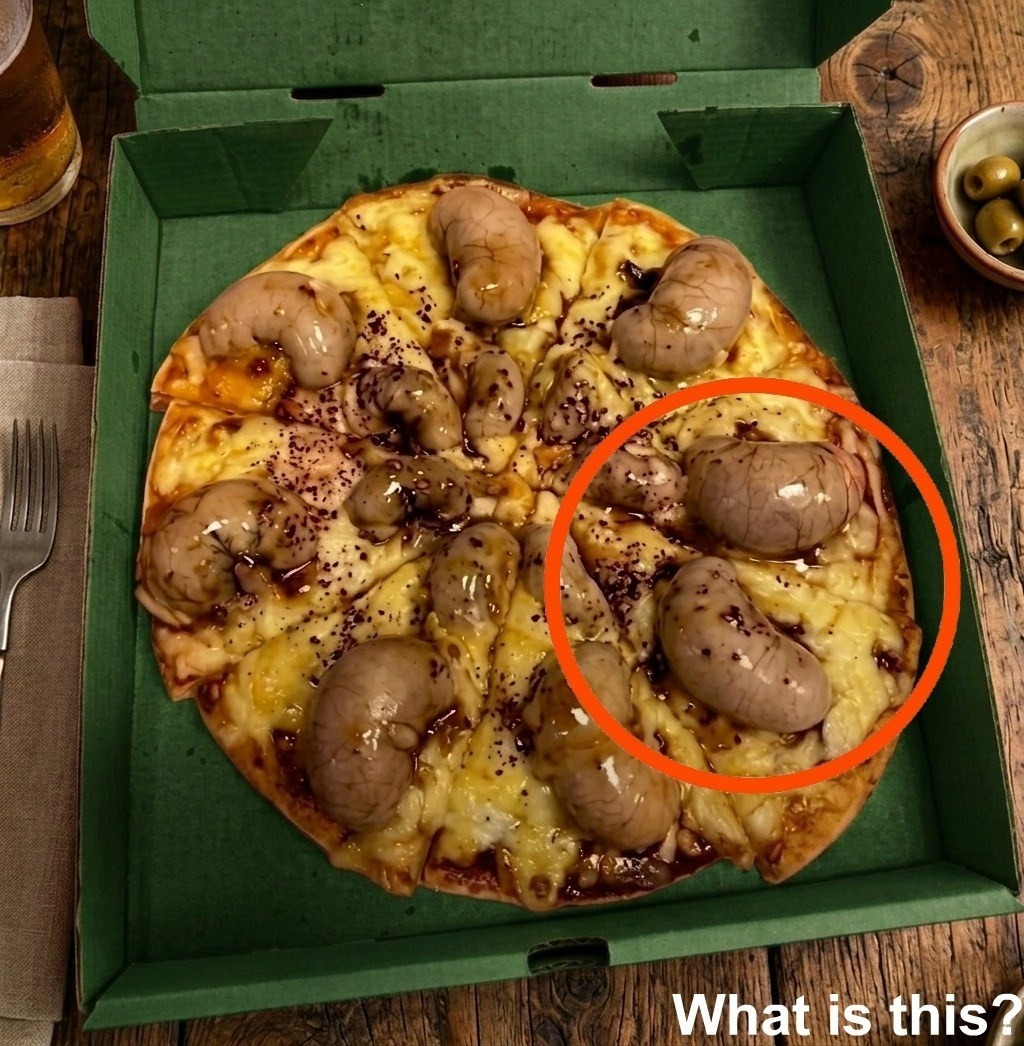
Pizza is one of the most loved comfort foods in the world, yet viral internet posts often turn ordinary pizza ingredients into frightening “mysteries.” Photos of shiny mozzarella, white spots, oily surfaces, or oddly colored crusts quickly spread online with claims that pizza contains plastic cheese, mold, chemicals, or dangerous fillers. However, most of these alarming images actually show completely normal reactions that happen during cheese aging, baking, and cooking.
Understanding what happens to pizza ingredients during preparation can help separate food myths from real food safety concerns. In many cases, the so-called “scary” signs are actually proof that real cheese and natural ingredients are behaving exactly as they should. Once you know the science behind these textures and colors, pizza becomes far less mysterious and far more enjoyable.
I remember seeing one of those viral pizza photos online showing tiny white crystals on melted mozzarella. The comments were filled with panic and warnings about chemicals or spoiled cheese. Later, after learning more about food science, I realized those harmless spots were actually tyrosine crystals found in aged cheeses like Parmesan and mozzarella. Since then, I’ve become much more careful about believing sensational food claims online because many ordinary food reactions can look strange without proper explanation.
Why Pizza Sometimes Looks Strange
The Science Behind Cheese Changes
Cheese changes dramatically during cooking because heat affects moisture, proteins, and fats all at once. Mozzarella especially behaves differently depending on its moisture level and aging process.
When mozzarella heats up on pizza, it releases oils and water naturally. As a result, the surface may appear shiny, wet, or slightly translucent. Although some people mistake this for spoilage, it is usually completely normal.
Certain cheeses also develop tiny white crystals as they age. These crystals form naturally from amino acids and are commonly found in Parmesan, provolone, and aged mozzarella. Instead of signaling contamination, these crystals often indicate proper aging and flavor development.
Commercial pizza cheese also contains emulsifiers that help cheese melt evenly without separating too much. Therefore, melted pizza cheese sometimes stretches smoothly or appears glossy after baking.
Why Viral Food Myths Spread So Quickly
Food myths spread quickly online because unusual textures and close-up photos often look alarming without context.
A slightly oily cheese surface or pinkish sauce can appear suspicious when magnified in viral social media posts. However, lighting, baking temperatures, and natural ingredients often explain these visual changes easily.
Fear-based posts also attract more attention than calm scientific explanations. Unfortunately, this causes harmless food characteristics to appear dangerous even when they are completely safe.
Learning basic food science helps people recognize the difference between normal cooking reactions and actual spoilage.
Common “Scary” Pizza Features Explained
White Spots, Wet Cheese, and “Plastic” Texture
One of the most common viral pizza claims involves white chalky spots on mozzarella. These spots are often harmless tyrosine crystals that form naturally during aging.
Tyrosine crystals are simply amino acid clusters that appear in many aged cheeses. They are safe to eat and do not affect flavor negatively.
Another common concern involves wet or slightly slimy mozzarella. Fresh mozzarella is usually stored in whey or brine to maintain moisture. During baking, some liquid releases naturally from the cheese.
Low-moisture mozzarella behaves differently because it contains less water and often melts more evenly.
The term “plastic cheese” also appears frequently online. In reality, commercial pizza cheese often contains emulsifiers like sodium citrate to improve melting consistency. This does not make the cheese fake or plastic. It simply helps create smooth texture during baking.
Orange Sauce and Strange Crust Colors
Some people notice orange or pink tints in pizza sauce or crust and assume contamination. However, tomato pigments naturally react to heat and certain baking conditions.
Lycopene, the natural pigment in tomatoes, may appear brighter or more orange during cooking. Dough ingredients and baking temperatures can also affect crust color.
Deep-dish pizzas sometimes show stronger color changes because thicker layers trap more moisture and heat.
In most cases, unusual color alone is not a sign of spoilage unless accompanied by foul odor or visible mold.
When Pizza Is Actually Unsafe
Real Signs of Spoilage
Although many viral pizza fears are exaggerated, spoiled pizza does exist and should never be ignored.
Real warning signs include:
- Green, blue, or black fuzzy mold
- Sour or ammonia-like smell
- Sticky or stringy slime
- Severe discoloration combined with odor
- Pizza left unrefrigerated for long periods
If pizza smells unpleasant or develops visible mold, it should always be discarded immediately.
Moisture alone is not usually dangerous. However, fuzzy growth or strong odor signals bacterial or fungal contamination.
Proper Pizza Storage and Reheating
Safe food handling matters far more than internet myths about cheese texture.
Pizza should be refrigerated within 2 hours after cooking. In hot weather, leftovers should be stored even sooner.
Store leftover pizza in airtight containers or wrapped tightly in foil.
When reheating, pizza should reach an internal temperature of 165°F to ensure food safety.
Reheating pizza in an oven or skillet often preserves texture better than microwaving.
Understanding Cheese and Food Safety Better
Why Processed Cheese Exists
Many commercial pizza cheeses are designed specifically for melting performance.
Restaurants often use low-moisture mozzarella because it melts evenly, browns nicely, and reduces excess water on pizzas.
Emulsifiers and stabilizers help prevent cheese oils from separating too aggressively during baking. These ingredients improve texture and consistency rather than making cheese fake.
Processed cheese products are also regulated and must meet food labeling standards.
Learning to Recognize Real Food Risks
The internet often focuses on harmless visual details while ignoring more important food safety practices.
Undercooked meats, poor kitchen hygiene, and improper food storage create much greater health risks than shiny mozzarella or cheese crystals.
Instead of fearing ordinary pizza textures, consumers benefit more from learning:
- Proper refrigeration practices
- Safe reheating temperatures
- Cross-contamination prevention
- Expiration date awareness
These habits truly improve food safety at home.
Frequently Asked Questions
Are white crystals on mozzarella dangerous?
No. They are often harmless tyrosine crystals formed during cheese aging.
Why does mozzarella become oily?
Heat naturally separates some oils and moisture from cheese during baking.
Is “plastic cheese” real?
No. Commercial pizza cheese may contain emulsifiers for smooth melting, but it is still real cheese.
When should pizza be thrown away?
Discard pizza if it has fuzzy mold, sour odor, or sticky slime.
Why does pizza sauce sometimes look orange?
Tomato pigments and baking reactions can naturally change sauce color during cooking.
Conclusion
Most viral pizza “scares” are simply misunderstandings about how cheese and baked ingredients naturally behave. White crystals, glossy cheese, oily surfaces, and slight color changes usually reflect normal cooking science rather than dangerous contamination. Understanding the truth behind these common pizza features helps replace fear with confidence and enjoyment.
Real food safety concerns come from improper storage, visible mold, foul odors, and poor handling practices — not harmless cheese crystals or melted mozzarella texture. Once you understand the science behind pizza, you can enjoy every slice with far less worry and much more appreciation for the craft behind it.
More Home Remedies
- Wrinkled Fingers After Water Exposure: What Your Skin May Be Telling You
- Skin Rash With Breathing Trouble? It Could Be a Life-Threatening Allergic Reaction
- I Thought It Was a Piece of Trash on the Bathroom Floor—Until It Moved
- If You Are Getting White Pimples on Your Lips or Intimate Area, Here’s What They Could Mean