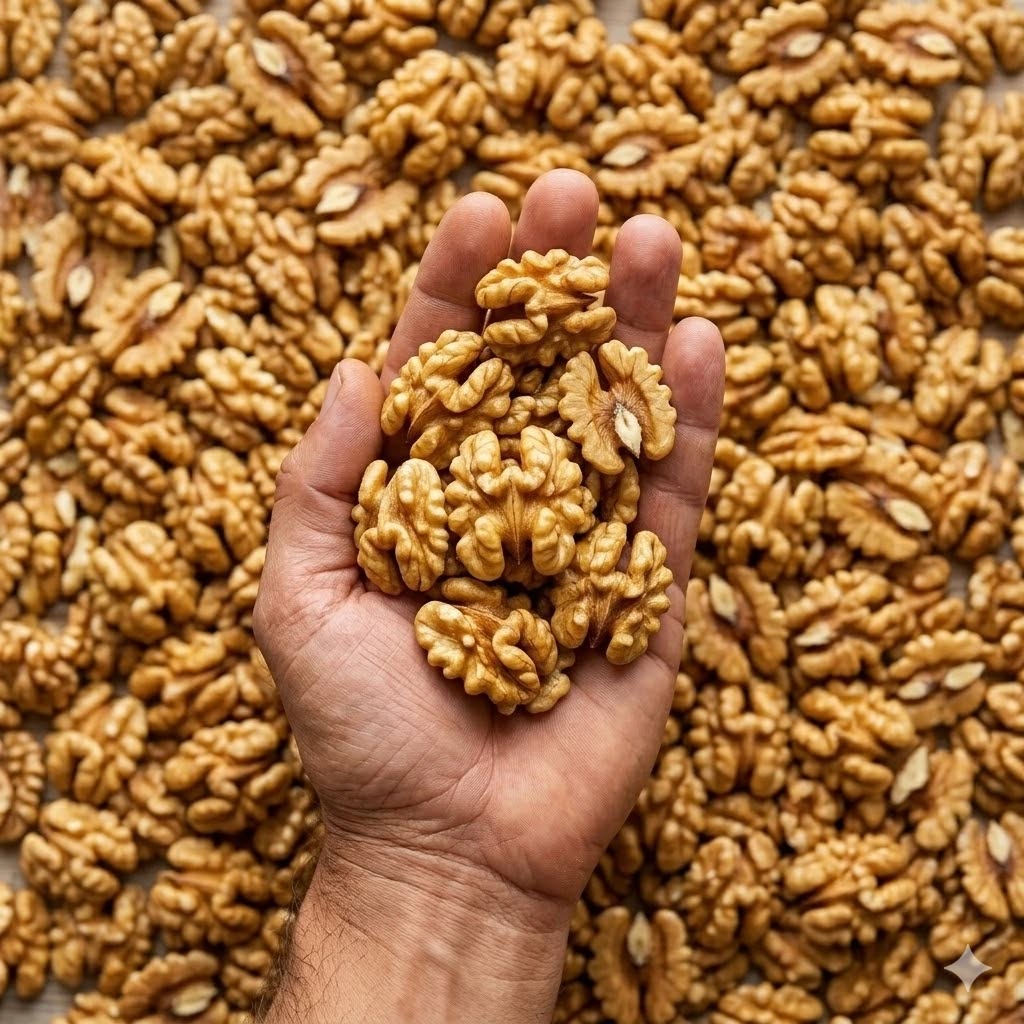
Walk through any grocery store and you’ll find walnuts tucked away among dozens of other nuts and snacks. At first glance, they may not seem particularly special. They aren’t as trendy as pistachios, as creamy as cashews, or as widely consumed as peanuts.
Yet nutrition researchers consistently place walnuts among the healthiest foods you can add to your diet.
Their distinctive brain-like appearance has earned them the nickname “brain food,” but their benefits extend far beyond cognitive health. Rich in plant-based omega-3 fatty acids, antioxidants, fiber, vitamins, and minerals, walnuts deliver impressive nutritional value in every handful.
Whether your goal is supporting heart health, improving digestion, managing weight, or simply eating a more balanced diet, walnuts deserve a place on your plate.
Let’s explore what modern science reveals about these remarkable nuts and how much you should actually eat to reap the rewards.
Why Walnuts Stand Out Among Other Nuts
All nuts offer nutritional benefits, but walnuts possess a unique profile that separates them from the crowd.
A single ounce (about 28 grams or 14 walnut halves) contains:
- Approximately 185 calories
- 4 grams of protein
- 2 grams of fiber
- 18 grams of healthy fats
- Magnesium
- Copper
- Manganese
- Vitamin B6
- Antioxidants
- Plant-based omega-3 fatty acids (ALA)
What makes walnuts especially valuable is their exceptionally high concentration of alpha-linolenic acid (ALA), an omega-3 fat rarely found in significant amounts in plant foods.
This nutrient alone contributes to many of the health benefits associated with regular walnut consumption.
1. Walnuts Support Brain Health
The association between walnuts and brain health isn’t just based on appearance.
Researchers have spent years investigating the effects of walnuts on memory, learning, and cognitive function.
Rich in Brain-Protective Nutrients
The brain is highly vulnerable to oxidative stress and inflammation. Over time, these processes may contribute to age-related cognitive decline.
Walnuts contain several compounds that help combat these challenges:
- Omega-3 fatty acids
- Polyphenols
- Vitamin E
- Antioxidants
Together, these nutrients help protect brain cells from damage and support healthy communication between neurons.
What Research Shows
Several studies suggest that people who consume walnuts regularly perform better on certain cognitive tests.
Research involving older adults has found associations between walnut consumption and improvements in:
- Memory
- Processing speed
- Mental flexibility
- Overall cognitive performance
While walnuts are not a miracle cure, they may contribute to long-term brain health when included as part of a balanced diet.
Practical Tip
Try adding chopped walnuts to:
- Oatmeal
- Yogurt
- Smoothies
- Salads
Even a small daily serving may help support cognitive wellness over time.
2. Walnuts Promote Heart Health
Heart disease remains one of the leading health concerns worldwide, and diet plays a major role in prevention.
Fortunately, walnuts contain multiple nutrients that support cardiovascular health.
Lowering LDL Cholesterol
LDL cholesterol is often referred to as “bad” cholesterol because elevated levels contribute to plaque buildup in arteries.
Research suggests that replacing saturated fats with walnuts may help lower LDL cholesterol levels.
Supporting Blood Vessel Function
Walnuts contain arginine, an amino acid involved in producing nitric oxide.
Nitric oxide helps:
- Relax blood vessels
- Improve circulation
- Maintain healthy blood pressure
Healthy blood vessels are essential for delivering oxygen and nutrients throughout the body.
Reducing Inflammation
Chronic inflammation is increasingly recognized as a contributor to cardiovascular disease.
The antioxidants and healthy fats in walnuts may help reduce inflammatory markers and support overall heart health.
Practical Tip
Replace processed snacks such as chips or crackers with a handful of walnuts for a heart-friendly alternative.
3. Walnuts Nourish Your Gut Microbiome
The gut contains trillions of microorganisms that influence digestion, immunity, metabolism, and even mood.
Maintaining a diverse and balanced gut microbiome is one of the most important aspects of overall health.
Walnuts Feed Beneficial Bacteria
Walnuts contain:
- Dietary fiber
- Polyphenols
- Healthy fats
These compounds serve as food for beneficial bacteria living in the digestive tract.
As these bacteria break down walnut components, they produce compounds that may benefit the entire body.
Research Findings
Studies have shown that regular walnut consumption may increase populations of beneficial bacteria, including:
- Lactobacillus
- Bifidobacterium
These microbes are associated with:
- Improved digestion
- Stronger immune function
- Better metabolic health
Practical Tip
Sprinkle walnuts onto salads or mix them into homemade trail mixes to increase your daily fiber intake.
4. Walnuts May Help With Weight Management
Many people avoid nuts because they are calorie-dense.
However, research consistently shows that moderate nut consumption is not associated with weight gain and may actually support healthy weight management.
Why Walnuts Are Filling
Walnuts contain a powerful combination of:
- Healthy fats
- Protein
- Fiber
Together, these nutrients slow digestion and increase feelings of fullness.
As a result, people often eat fewer calories later in the day.
Better Blood Sugar Stability
The healthy fats and fiber in walnuts may help slow glucose absorption after meals.
More stable blood sugar levels can reduce:
- Hunger spikes
- Energy crashes
- Excess snacking
Supporting Healthy Habits
People who regularly eat nuts often replace less nutritious snack foods with more satisfying options.
This simple substitution can have a meaningful impact on long-term health and weight management.
Practical Tip
Keep a small container of walnuts at work or in your bag for a satisfying snack between meals.
5. Walnuts May Offer Protection Against Certain Diseases
Although no single food can prevent disease, walnuts contain compounds that may contribute to long-term protection.
Powerful Antioxidant Activity
Walnuts rank among the most antioxidant-rich nuts available.
Antioxidants help neutralize free radicals that contribute to:
- Cellular damage
- Chronic inflammation
- Aging processes
Potential Cancer-Protective Compounds
Walnuts contain polyphenols and ellagitannins that are converted by gut bacteria into beneficial compounds called urolithins.
Researchers continue studying these compounds for their potential role in supporting cellular health.
Supporting Healthy Aging
The combination of:
- Healthy fats
- Antioxidants
- Anti-inflammatory compounds
makes walnuts a valuable addition to diets focused on longevity and healthy aging.
How Many Walnuts Should You Eat Per Day?
One of the most common questions is whether more walnuts means more benefits.
Not necessarily.
The Ideal Daily Serving
Most experts recommend:
1 ounce (28 grams) per day
This equals approximately:
- 14 walnut halves
- A small handful
This amount provides meaningful nutrition without excessive calories.
Can You Eat More?
Yes, but moderation remains important.
Walnuts are nutritious, but they are also calorie-dense. Consuming very large amounts regularly may contribute to excess calorie intake.
For most adults, one serving daily is sufficient.
Best Ways to Enjoy Walnuts
Walnuts are incredibly versatile.
Try them:
At Breakfast
- Mixed into oatmeal
- Added to yogurt
- Sprinkled on cereal
At Lunch
- Tossed into salads
- Added to grain bowls
- Mixed into wraps
At Dinner
- Crusted on fish or chicken
- Mixed into vegetable dishes
- Added to pasta
As a Snack
- Eaten raw
- Paired with fruit
- Combined with dark chocolate
Frequently Asked Questions
Are raw or roasted walnuts healthier?
Raw walnuts retain slightly more nutrients. However, dry-roasted walnuts still provide substantial health benefits.
Should walnuts be refrigerated?
Yes. Because walnuts contain delicate oils, refrigeration helps prevent them from becoming rancid.
Can walnuts improve sleep?
Possibly. Walnuts naturally contain melatonin, a hormone involved in regulating sleep cycles.
Are walnuts good for diabetics?
Yes. Their fiber, healthy fats, and low carbohydrate content make them a smart snack choice for many people managing blood sugar levels.
Can children eat walnuts?
Absolutely, provided there is no nut allergy and the nuts are served in an age-appropriate form to prevent choking.
The Bottom Line
Walnuts are one of nature’s most impressive nutritional packages. They support brain function, promote heart health, nourish beneficial gut bacteria, help control hunger, and provide powerful antioxidants that contribute to overall wellness.
You don’t need expensive supplements or complicated health routines to benefit. A simple handful of walnuts each day can be an easy, delicious step toward better health.
Small habits often produce the biggest results over time. Adding walnuts to your daily routine may be one of the simplest and most rewarding changes you can make for your long-term well-being.