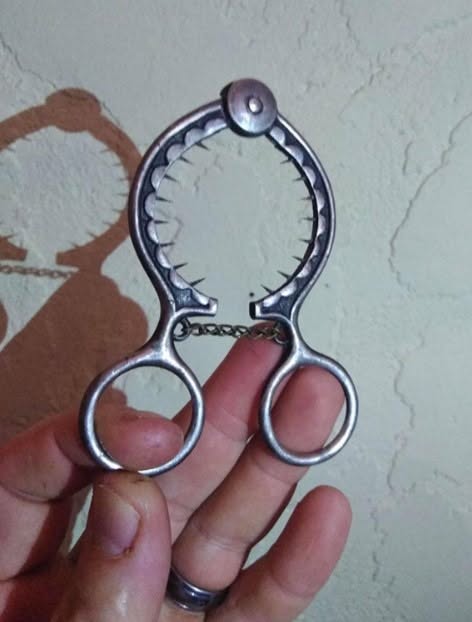
How to Use This Strange Tool in Your Kitchen becomes much easier once you realize that the odd little metal gadget in your drawer is not a wire cutter, cigar tool, or mysterious antique. It is an egg topper cutter, a simple device designed to remove the top of a soft-boiled egg neatly so you can enjoy the yolk without smashing the shell into pieces.
The tool looks unusual because several versions use a ring, small cutting teeth, a spring-loaded mechanism, or a squeeze-style handle. However, they all solve the same problem: opening a cooked egg cleanly while it sits upright in an egg cup.
Instead of tapping around the shell with a spoon and picking away jagged fragments, you place the topper over the narrow end of the egg and activate it. The shell separates along a circular line, which creates a small cap you can lift away.
That makes soft-boiled eggs easier to serve, especially when you want a tidy presentation with toast soldiers, seasoned yolk, or a simple breakfast plate.
I first found an egg topper cutter mixed into a box of old kitchen tools. It looked so strange that nobody could agree on its purpose. Someone guessed it trimmed wires, while another thought it belonged to a sewing kit. Eventually, we placed it over a soft-boiled egg and discovered exactly why the shape seemed so specific. With one quick motion, it created a neat ring around the shell and left the top ready to lift away. The little gadget suddenly made perfect sense. Since then, it has become one of those tools that seems unnecessary until breakfast arrives and you want a soft egg without shell fragments floating in the yolk.
What an Egg Topper Cutter Actually Does
The Basic Idea Behind the Tool
Understanding How to Use This Strange Tool in Your Kitchen starts with its very specific purpose.
An egg topper cutter removes the top portion of a cooked egg shell.
Most people use it for soft-boiled eggs because those eggs are traditionally served upright in an egg cup. The eater removes the top, seasons the egg, and scoops out the soft white and yolk with a spoon.
Without a topper, you can tap the shell gently with the edge of a spoon and peel away the broken pieces.
That method works.
However, it can also create uneven cracks and tiny shell fragments.
An egg topper creates a more controlled break.
Some designs use small metal teeth that cut through the shell when you squeeze the handles. Others use a spring-loaded weight or impact mechanism that creates a circular fracture line.
The goal remains the same: separate the top from the rest of the shell without crushing the egg.
Because the tool works best when the egg stays upright, an egg cup makes the process easier.
Still, you can carefully hold the egg with a folded towel if you do not own one.
The key is stability.
A moving egg makes precise cutting much harder.
Why Soft-Boiled Eggs Benefit Most
A hard-boiled egg usually gets peeled completely, so a neat shell opening provides little advantage.
A soft-boiled egg is different.
You want to keep the shell intact because it acts like a small edible serving vessel.
The white near the outside should remain set enough to support the egg, while the yolk stays soft, creamy, or runny depending on your preference.
That texture makes the serving method part of the experience.
Once you remove the top, you can sprinkle in salt, pepper, herbs, or another seasoning.
Then you can dip toasted bread strips into the yolk.
This simple preparation has remained popular because it turns a basic egg into a warm, comforting breakfast.
Therefore, How to Use This Strange Tool in Your Kitchen really comes down to improving a classic way of serving eggs.
The tool does not change the flavor.
It improves the opening.
That may sound like a minor detail, but anyone who has chased shell fragments through runny yolk knows why a clean cut feels satisfying.
How to Use an Egg Topper Cutter Correctly
Start With the Right Egg Texture
Before learning the cutting motion, cook the egg properly.
Bring a pot of water to a gentle boil.
Then lower the egg carefully into the water with a spoon.
For a soft center, cook the egg for about 6 to 7 minutes, depending on egg size, starting temperature, and preferred yolk texture.
A 6-minute egg usually gives you a looser yolk.
A 7-minute egg generally produces a slightly thicker, jammy center.
After cooking, move the egg into cool water briefly so you can handle it safely.
Do not chill it completely if you want to serve it warm.
Next, dry the shell.
A dry surface gives you better control when using the tool.
Place the egg in an egg cup with the narrower end pointing upward.
Now you are ready to use the topper.
This preparation matters because How to Use This Strange Tool in Your Kitchen becomes much easier when the egg stays steady and the shell remains warm but manageable.
Position, Cut, and Lift
Place the egg topper directly over the narrow end of the egg.
Make sure the cutter sits level.
If the device uses squeeze handles, close them firmly but smoothly.
The cutting teeth should create a circular break around the shell.
If your model uses a spring-loaded plunger, follow the same basic positioning but use the release mechanism according to the tool’s design.
You may hear a small crack.
That is normal.
Lift the topper away.
Then use the tip of a small spoon or clean fingers to remove the loosened shell cap.
Sometimes the membrane beneath the shell remains attached.
If so, gently cut or lift it away with the spoon.
Avoid pulling aggressively because you may tear away too much cooked egg white.
Once the top opens, season the egg and serve immediately.
The entire process takes only a few seconds.
That simplicity explains why the egg topper has remained useful despite looking so unusual.
Getting Better Results Every Time
Keep the Tool Centered
The biggest mistake when learning How to Use This Strange Tool in Your Kitchen involves placing the cutter at an angle.
If the ring sits crooked, one side may crack lower than the other.
That creates the jagged edge you were trying to avoid.
Therefore, position the tool so the cutting ring rests evenly around the shell.
Hold the egg cup steady with one hand.
Then operate the topper with the other.
Do not squeeze repeatedly.
One confident motion usually works better than several hesitant ones.
Also, avoid using excessive force.
Egg shells are fragile.
You want to break the shell, not crush the entire egg.
If you notice repeated breakage, try cooling the egg slightly longer before cutting.
Very hot shells and whites can feel more delicate.
Egg size also affects how the topper fits.
Some cutters handle medium and large eggs best, while very small or extra-large eggs may sit differently inside the ring.
A little practice will tell you what position works with your specific tool.
Serve the Egg Right Away
Soft-boiled eggs taste best while warm.
Therefore, prepare your toast and seasonings before you open the egg.
Toast several slices of bread until crisp.
Then cut them into narrow strips.
These strips are sometimes called toast soldiers because they stand upright and dip easily into the yolk.
You can also serve the egg with sliced avocado, roasted tomatoes, sautéed greens, or a simple salad.
For seasoning, try salt and pepper first.
Then experiment with paprika, chives, parsley, chili flakes, or a little grated cheese.
The egg topper does not limit you to one breakfast style.
It simply creates a neat opening.
After that, the flavor can go in almost any direction.
This flexibility makes How to Use This Strange Tool in Your Kitchen surprisingly useful once you stop thinking of the gadget as a novelty.
Caring for Your Egg Topper Cutter
Wash It Soon After Use
Egg residue can dry quickly around small metal teeth and moving parts.
Therefore, rinse the topper after each use.
If the manufacturer allows dishwasher cleaning, place it in an appropriate section where the small tool will not fall through the rack.
Otherwise, wash it by hand with warm water and dish soap.
Use a soft brush when needed to clean around the cutting ring.
Then dry the tool thoroughly.
Metal gadgets can develop spots or corrosion if water remains trapped around hinges or springs.
Pay particular attention to older tools because their materials may differ from modern stainless-steel versions.
If the topper came from a garage sale or antique shop, clean it thoroughly before food contact.
Also, check for rust, sharp broken edges, or loose parts.
A damaged topper should not touch food.
Store It Where You Can Actually Find It
Small specialty kitchen tools have a habit of disappearing into cluttered drawers.
Keep your egg topper with breakfast tools, egg cups, or small utensils.
That way, you will remember what it does when soft-boiled eggs appear on the menu.
You can also store it in a small basket with tea strainers, butter spreaders, and other compact serving tools.
The point is convenience.
A tool only saves time when you can find it.
Over time, How to Use This Strange Tool in Your Kitchen becomes second nature.
You boil the eggs.
You set them in cups.
You position the topper.
You crack the shell.
Then breakfast begins.
Frequently Asked Questions
What is an egg topper cutter?
An egg topper cutter is a small kitchen tool designed to remove the top of a cooked egg shell in a neat circle. People most often use it with soft-boiled eggs served upright in egg cups.
Do I need an egg topper to eat soft-boiled eggs?
No. You can open a soft-boiled egg by tapping and peeling the shell with a spoon. However, an egg topper can create a cleaner, faster opening with fewer loose shell fragments.
Which end of the egg should I cut?
Most people place the narrower end upward and cut near the top. However, either end can technically work if the topper fits securely. The narrow end usually gives a tidy serving presentation.
Can I use the tool on hard-boiled eggs?
Yes, but it usually offers little advantage because hard-boiled eggs normally get peeled completely. The topper makes the most sense for soft-boiled or jammy eggs served in the shell.
How long should I cook an egg for a soft center?
About 6 to 7 minutes in gently boiling water works for many large eggs. Six minutes usually creates a runnier yolk, while seven minutes gives a thicker center. Exact timing can vary with egg size and starting temperature.
Conclusion
How to Use This Strange Tool in Your Kitchen becomes simple once you know that the strange metal gadget is an egg topper cutter.
Its purpose could hardly be more specific.
You place a soft-boiled egg upright.
You position the cutter over the top.
You activate the mechanism.
Then you lift away a neat shell cap.
That is all.
The tool will not transform the flavor of your eggs, and you certainly do not need one to make breakfast.
However, it solves a small but familiar problem surprisingly well.
Instead of crushing the shell with a spoon or fishing tiny fragments from soft yolk, you get a clean opening that makes the egg easier and more enjoyable to serve.
For best results, cook the egg for about 6 to 7 minutes, cool it just enough to handle safely, place it in an egg cup, and keep the topper level while cutting.
Then add your favorite seasonings and serve with toast soldiers.
Sometimes the strangest kitchen tools turn out to have the simplest jobs.
This one exists for a single satisfying purpose: giving your soft-boiled egg a perfectly neat little lid.