The Beetroot Advantage starts with one simple idea: small food choices can support everyday wellness in powerful ways. Beets are colorful, affordable, and packed with fiber, folate, potassium, antioxidants, and naturally occurring nitrates. Your body can convert those nitrates into nitric oxide, a compound that helps blood vessels relax and supports healthy blood flow. Research reviews suggest beetroot juice may modestly lower blood pressure, especially systolic blood pressure, although it should not replace medical care or prescribed treatment.
I used to avoid beets completely. Their deep red color looked messy, and their earthy smell made me unsure about cooking them. Then a routine checkup showed my blood pressure had started moving upward. My doctor encouraged me to improve my meals and add more nitrate-rich vegetables, including beets. So I roasted a few with olive oil, salt, and pepper. To my surprise, they tasted sweet, tender, and rich. Over time, I noticed better digestion, steadier energy, and more confidence about my daily food choices. Now beets show up in my salads, bowls, juices, and simple side dishes.
Why The Beetroot Advantage Gets So Much Attention
Beets Bring Nutrients in a Simple Package
Beets contain fiber, folate, manganese, potassium, vitamin C, magnesium, and plant pigments called betalains. Because they combine color, flavor, and nutrition, they fit easily into salads, smoothies, roasted vegetable plates, and grain bowls.
In addition, beets offer dietary nitrates. Harvard Health explains that the body converts nitrates from foods like beets into nitric oxide, which helps relax blood vessels.
The Benefits Stay Realistic
The Beetroot Advantage does not mean beets cure disease. Instead, beets can support a balanced lifestyle. They may help blood pressure, exercise endurance, digestion, and antioxidant intake when you eat them consistently.
However, anyone with kidney stone history, low blood pressure, or blood pressure medication should use caution and speak with a healthcare professional before adding large amounts.
What Beets May Do for Your Body
They May Support Heart Health and Exercise
Several reviews link beetroot juice with modest blood pressure reduction, mainly because nitrate supports nitric oxide production. A 2022 review found nitrate from beetroot juice reduced systolic blood pressure in people with arterial hypertension.
Also, athletes often use beetroot juice because nitrates may reduce the oxygen cost of exercise. As a result, some people feel better endurance during workouts.
They May Help Digestion and Daily Energy
Beets provide fiber, which supports regular digestion and feeds beneficial gut bacteria. Therefore, adding cooked or raw beets may help you feel more regular.
Meanwhile, improved blood flow may support steadier energy for some people. The effect varies, but many people enjoy beets as part of a nutrient-rich daily routine.
How to Add The Beetroot Advantage to Your Meals
Roast Them for the Best Beginner Flavor
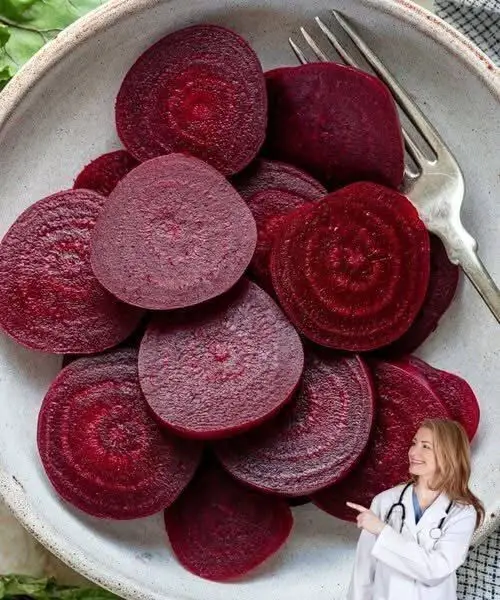
Roasting softens beets and brings out their natural sweetness. Start with medium beets, olive oil, salt, and pepper. Then roast until fork-tender.
Once cooled, rub off the skins, slice the beets, and serve them with greens, goat cheese, walnuts, citrus, chicken, or grains.
Try Raw, Pickled, Juiced, or Powdered Beets
Raw grated beets add crunch to salads and bowls. Pickled beets bring tangy flavor to sandwiches and side plates. Beet juice offers a concentrated option, although beginners should start small because it can cause digestive upset.
Beet powder also works in smoothies, yogurt, oatmeal, and pancake batter.
Important Side Effects and Smart Tips
Red Urine or Stool Can Happen
Beets can turn urine or stool pink or red. This harmless effect, called beeturia, comes from beet pigments. Still, contact a doctor if discoloration lasts longer than expected or appears with pain, fever, or other symptoms.
Oxalates and Blood Pressure Need Attention
Beets contain oxalates, which may matter for people prone to calcium oxalate kidney stones. Also, because beets may lower blood pressure, people who already have low blood pressure or take blood pressure medicine should monitor changes carefully.
Frequently Asked Questions
Can I eat beets every day?
Yes, many people can eat beets daily in normal food amounts. However, people with kidney stone concerns or blood pressure medication should ask a healthcare professional first.
Are canned beets healthy?
Yes, canned beets can work well. Choose no-salt-added options when possible.
Are raw beets better than cooked beets?
Both offer benefits. Raw beets keep more crunch, while cooked beets taste sweeter and feel easier to digest.
How much beet juice should I drink?
Start with 4 ounces and see how your body responds. Many people use 4 to 8 ounces.
Do beets replace blood pressure medicine?
No. Beets can support a healthy diet, but they do not replace prescribed medication or medical advice.
Conclusion
The Beetroot Advantage comes from consistency, not hype. Beets offer fiber, natural nitrates, antioxidants, minerals, and beautiful color in one affordable vegetable. They may support heart health, digestion, exercise performance, and daily energy when you include them as part of balanced meals.
Start with roasted beets if you feel unsure. They taste sweet, tender, and simple. Then try them in salads, bowls, juices, or smoothies. With a little practice, beets can become one of the easiest healthy foods to enjoy often.