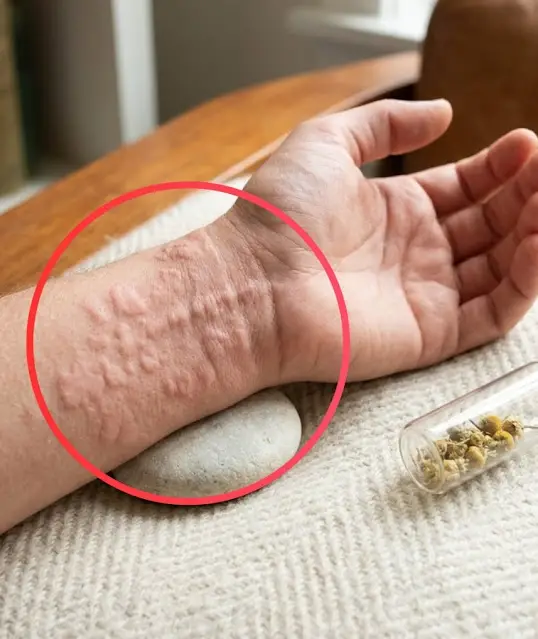
A rash can appear suddenly and cause immediate concern. Sometimes it starts as a few itchy bumps, while other times it spreads quickly across the skin. Most rashes are harmless and improve within a few days. However, some rashes can signal a serious medical condition that requires urgent attention. Knowing the difference between a mild skin irritation and a potentially dangerous reaction can help protect your health and even save a life.
Skin changes often act as warning signals from the body. While many people dismiss a rash as an allergy or irritation, certain symptoms should never be ignored. Pain, fever, swelling, trouble breathing, or rapidly spreading spots can all point to something much more serious. Learning when to seek medical care is essential for adults, children, and older individuals alike.
Many families have experienced the panic that comes with suddenly noticing unusual marks on the skin. One evening after trying a new laundry detergent, a small itchy patch on the wrist turned into raised red welts overnight. At first, it seemed harmless, but the swelling became worse and the itching spread to the arms and neck. A quick visit to urgent care revealed it was a strong allergic reaction. Thankfully, treatment worked quickly, but the experience showed how fast skin symptoms can change. Since then, paying closer attention to rashes and related symptoms has become an important part of staying healthy and safe.
Why Some Rashes Are More Dangerous Than Others
Not every rash is a medical emergency. In fact, many common rashes result from irritation, dry skin, mild allergies, heat, or temporary viral infections. However, the skin is closely connected to the immune system and internal organs. Because of this, serious illnesses can sometimes first appear as skin changes.
The Skin Often Reflects Internal Health Problems
The body frequently sends warning signals through the skin before other symptoms become obvious. For example, infections, allergic reactions, immune disorders, and medication reactions can all trigger visible changes.
A rash that develops together with symptoms like fever, dizziness, fatigue, or swelling deserves closer attention. These combinations may suggest the body is fighting a significant illness rather than a simple irritation.
Doctors often evaluate:
- How quickly the rash appeared
- Whether it spreads
- If it causes pain or itching
- The color and texture
- Other symptoms happening at the same time
Even small details can help determine whether a rash is mild or serious.
Timing and Progression Matter
A rash that remains stable and slowly improves is usually less concerning. On the other hand, a rash that changes rapidly may signal an emergency.
Some dangerous rashes spread within hours. Others begin with flu-like symptoms before severe skin problems develop. Paying attention to progression can help identify serious conditions early.
Warning signs include:
- Sudden spreading
- Intense pain
- Swelling
- Skin peeling
- Blisters
- Purple discoloration
- Difficulty breathing
These symptoms should never be ignored because fast treatment may prevent complications.
Rash and Fever: A Combination That Needs Attention
One of the biggest red flags is a rash accompanied by fever. Although some viral infections cause mild fever and harmless rashes, this combination can also indicate severe infections or inflammation.
Fever With Rash May Signal Infection
When the immune system fights bacteria or viruses, inflammation can appear both inside the body and on the skin. Conditions such as meningitis, measles, shingles, and certain bloodstream infections may begin with fever and rash together.
A high fever with a rapidly spreading rash deserves urgent medical evaluation, especially if other symptoms appear, including:
- Severe headache
- Stiff neck
- Confusion
- Sensitivity to light
- Extreme fatigue
These symptoms can point to meningitis, which requires immediate treatment.
Children and infants are especially vulnerable because symptoms can worsen quickly. Parents should seek medical care promptly if a child develops unusual skin spots along with fever or lethargy.
Viral Rashes Versus Dangerous Reactions
Some viral rashes are relatively mild and improve with rest and hydration. However, it can be difficult to tell the difference without medical evaluation.
Mild viral rashes often:
- Fade within several days
- Cause minimal discomfort
- Stay localized
- Improve gradually
More dangerous reactions may:
- Spread rapidly
- Become painful
- Turn dark purple
- Cause swelling
- Trigger breathing problems
Because appearances can overlap, worsening symptoms should always be taken seriously.
Purple Spots, Bruising, and Bleeding Under the Skin
One particularly alarming symptom involves purple spots or bruise-like marks that do not fade when pressed. These spots can sometimes indicate bleeding beneath the skin.
Non-Blanching Rashes Can Be Serious
Doctors sometimes perform a “glass test” by pressing a clear object against the rash. If the spots remain visible and do not fade, it may suggest bleeding under the skin rather than surface irritation.
Possible causes include:
- Severe infections
- Blood clotting disorders
- Meningococcal disease
- Vasculitis
- Platelet abnormalities
These conditions may become dangerous quickly. Immediate medical evaluation is important, especially if fever or weakness is present.
Watch for Sudden Changes in Color
Rashes that suddenly darken or resemble bruises deserve attention. Healthy skin irritation usually appears pink or red. Purple, black, or dark blue discoloration may suggest circulation or bleeding problems.
Additional symptoms that increase concern include:
- Dizziness
- Rapid heartbeat
- Fainting
- Cold hands or feet
- Severe fatigue
Even if the rash itself is not painful, unusual coloring combined with these symptoms should never be ignored.
Allergic Reactions and Anaphylaxis
Some of the most dangerous rashes occur during severe allergic reactions. While mild allergies may only cause itching or hives, severe reactions can become life-threatening within minutes.
Hives and Swelling Can Escalate Quickly
Hives are raised, itchy welts that can appear suddenly after exposure to:
- Foods
- Medications
- Insect stings
- Latex
- Chemicals
- Environmental allergens
In many cases, hives remain mild. However, if swelling affects the lips, face, tongue, or throat, breathing may become difficult.
This severe allergic reaction is called anaphylaxis.
Symptoms may include:
- Swollen lips or tongue
- Wheezing
- Trouble breathing
- Tightness in the throat
- Rapid pulse
- Dizziness
- Fainting
Anaphylaxis is a medical emergency that requires immediate treatment.
Fast Action Saves Lives
When severe allergy symptoms appear, emergency medical services should be contacted immediately. Delaying treatment can allow swelling to worsen rapidly.
People with known severe allergies often carry epinephrine injectors because timing is critical during anaphylaxis.
Even if symptoms improve after medication, medical observation is still important because reactions can return several hours later.
Individuals who experience repeated allergic rashes should also consider allergy testing to identify triggers and reduce future risks.
Painful, Blistering, or Peeling Rashes
Most harmless rashes itch more than they hurt. Severe pain, blistering, or skin peeling may indicate a much more dangerous condition.
Painful Rashes Need Careful Evaluation
A painful rash can result from:
- Severe infections
- Shingles
- Cellulitis
- Medication reactions
- Autoimmune disorders
Pain often signals deeper inflammation affecting nerves or tissue beneath the skin.
Cellulitis, for example, is a bacterial skin infection that may begin as redness and tenderness but can quickly spread. Fever, warmth, and swelling usually accompany the rash.
Without treatment, infections can worsen and spread into the bloodstream.
Blisters and Peeling Can Signal Severe Reactions
Certain medication reactions cause widespread blistering and peeling skin. One of the most serious examples is Stevens-Johnson Syndrome.
This rare but dangerous condition may begin with:
- Fever
- Fatigue
- Sore throat
- Burning eyes
Soon afterward, painful blisters and peeling skin develop.
Because the skin acts as a protective barrier, severe peeling can lead to:
- Infection
- Fluid loss
- Organ complications
Hospital treatment is often necessary.
Large blisters, skin sloughing, or widespread peeling should always be evaluated urgently.
Rashes in Babies, Older Adults, and Vulnerable Individuals
Certain groups face greater risk from infections and immune reactions. A rash that may seem mild in one person could become dangerous in another.
Babies and Young Children Require Extra Caution
Infants cannot describe symptoms clearly, making it harder to recognize severe illness early.
Parents should seek medical advice if a baby develops:
- Fever with rash
- Poor feeding
- Extreme sleepiness
- Difficulty breathing
- Purple spots
- Rapid spreading redness
Children can deteriorate faster than adults, so prompt evaluation is important.
Older Adults and Immunocompromised Individuals
Older adults and people with weakened immune systems may not respond normally to infections. Even mild-looking rashes can become serious.
Higher-risk groups include:
- Cancer patients
- Organ transplant recipients
- Individuals on immune-suppressing medications
- People with uncontrolled diabetes
- Elderly individuals
Because the immune system may struggle to fight infection, complications can develop more easily.
Early medical attention often leads to better outcomes.
Common Causes of Less Serious Rashes
Although some rashes require urgent care, many improve with simple treatment and monitoring.
Mild Allergic and Irritant Reactions
Contact dermatitis is one of the most common causes of rash. It happens when skin reacts to:
- Soap
- Detergent
- Fragrances
- Plants
- Jewelry
- Cleaning products
Symptoms often include:
- Redness
- Mild swelling
- Itching
- Dryness
Avoiding the trigger usually helps the rash improve.
Heat Rash and Dry Skin
Heat rash commonly develops during warm weather or excessive sweating. Small red bumps often appear in areas where sweat becomes trapped.
Dry skin can also produce rough, itchy patches that improve with moisturizers and hydration.
These conditions are usually not emergencies unless severe symptoms develop.
When to See a Doctor
It is not always easy to know when medical care is necessary. However, certain symptoms should always prompt evaluation.
Seek Immediate Emergency Care If You Notice
- Trouble breathing
- Swelling of the face or throat
- Purple spots that do not fade
- Severe pain
- Rapid spreading
- Blistering or peeling skin
- Fever with confusion or stiff neck
- Signs of anaphylaxis
Emergency treatment may prevent life-threatening complications.
Schedule Medical Evaluation If the Rash
- Lasts more than a few days
- Continues spreading
- Becomes infected
- Causes severe itching
- Keeps returning
- Appears after starting medication
Doctors may recommend testing, medications, allergy evaluation, or referral to a dermatologist.
Helpful Steps While Waiting for Medical Care
Although professional evaluation is important for serious symptoms, a few simple steps may help reduce irritation and track changes.
Monitor Symptoms Carefully
Taking photos of the rash can help document progression. This may assist healthcare providers in identifying patterns or worsening signs.
It also helps to note:
- New medications
- Foods eaten
- Skin products used
- Outdoor exposures
- Insect bites
- Recent illnesses
These details may reveal possible triggers.
Avoid Making the Rash Worse
Until a doctor evaluates the condition:
- Avoid scratching
- Keep skin clean
- Wear loose clothing
- Avoid harsh products
- Stay hydrated
Over-the-counter antihistamines may help mild itching, but severe symptoms still require medical care.
Frequently Asked Questions
Can stress cause a rash?
Yes. Stress can trigger hives, eczema flare-ups, and skin irritation in some people. However, persistent or severe rashes still deserve medical attention.
Are all itchy rashes dangerous?
No. Many itchy rashes are mild allergies or skin irritation. Dangerous rashes usually involve additional symptoms like fever, swelling, pain, or breathing trouble.
What does an allergic rash look like?
Allergic rashes often appear red, itchy, swollen, or raised. Hives commonly look like welts that move around the body.
Should I go to the emergency room for hives?
Seek emergency care if hives occur with trouble breathing, swelling of the lips or throat, dizziness, or fainting.
Can a rash be a sign of infection?
Yes. Viral, bacterial, and fungal infections can all cause rashes. Some infections are mild, while others require urgent treatment.
Conclusion
Most rashes are harmless and improve with time, but some can signal dangerous medical conditions that need immediate attention. Fever, breathing problems, purple spots, severe pain, blistering, and rapidly spreading skin changes should never be ignored.
Paying attention to warning signs can help you respond quickly and protect your health. When symptoms seem severe or unusual, it is always safer to seek medical evaluation rather than wait for the rash to worsen.
The skin often reveals important clues about what is happening inside the body. Understanding those signals can make a critical difference in recognizing when a rash is truly a medical emergency.
More Home Remedies
- Wrinkled Fingers After Water Exposure: What Your Skin May Be Telling You
- Skin Rash With Breathing Trouble? It Could Be a Life-Threatening Allergic Reaction
- I Thought It Was a Piece of Trash on the Bathroom Floor—Until It Moved
- If You Are Getting White Pimples on Your Lips or Intimate Area, Here’s What They Could Mean