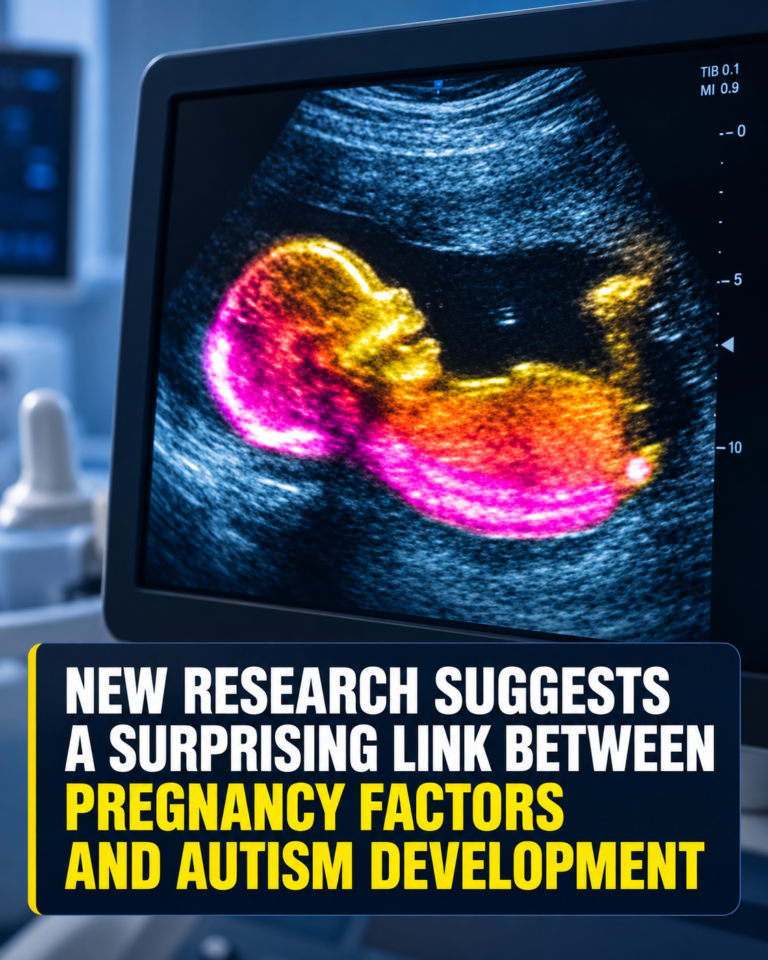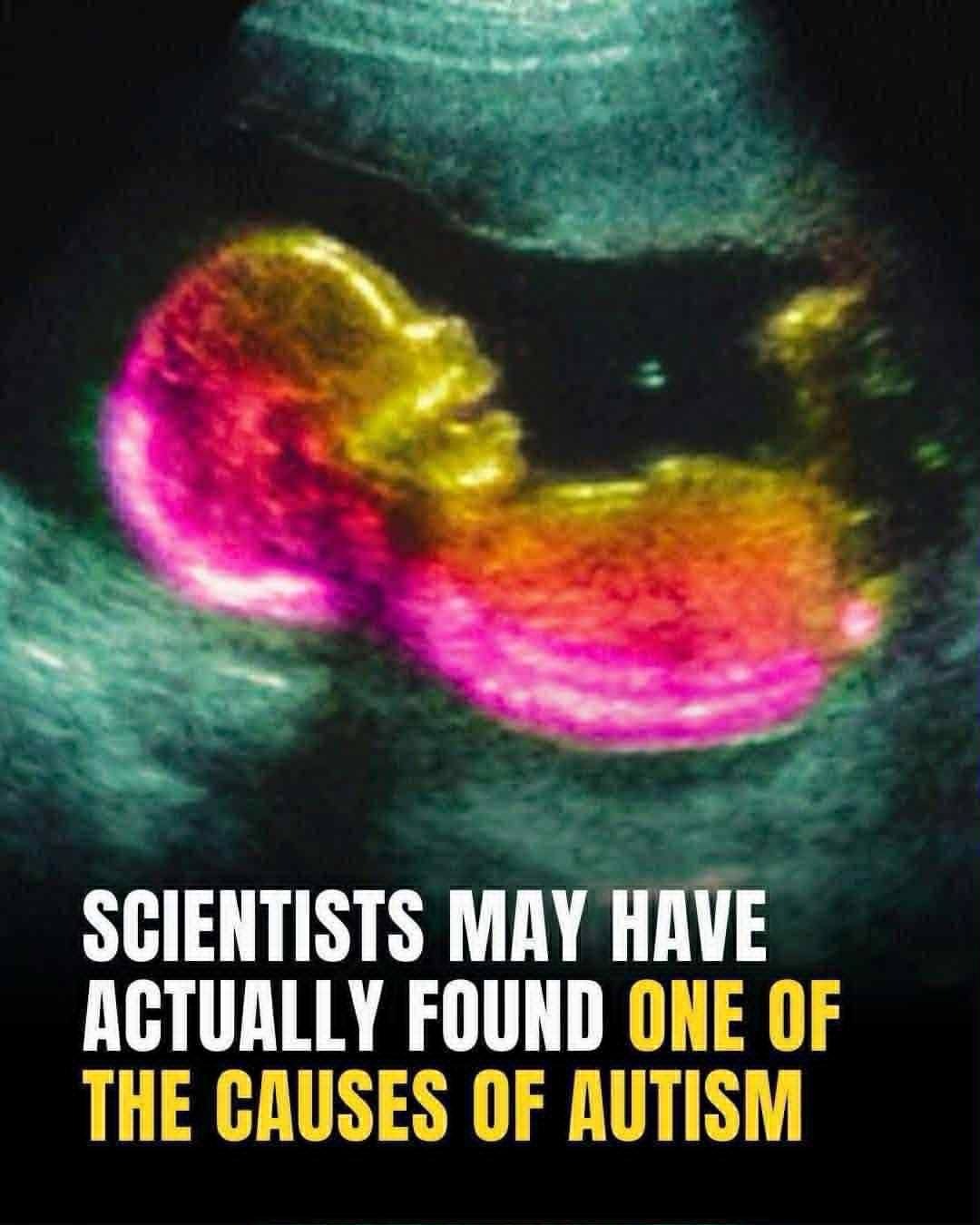
Autism spectrum disorder (ASD) continues to be one of the most discussed and misunderstood developmental conditions. While headlines often suggest that scientists have finally found a single cause, the truth is far more complex—and far more important. Autism does not come from one source. Instead, it develops through a combination of genetic predisposition and early developmental influences that shape how the brain grows and functions.
Understanding this complexity matters. It helps families, educators, and individuals move away from blame and toward informed support. It also allows us to focus on what science actually shows rather than what sensational headlines suggest.
Growing up, many people heard conflicting explanations about autism—some rooted in fear, others in misinformation. One parent recalled how overwhelming it felt when their child was diagnosed. They searched for answers everywhere, hoping to find a clear reason. Instead, they found confusion. Over time, however, learning about the real science brought clarity and relief. They realized autism wasn’t caused by something they did or didn’t do. It was simply part of how their child’s brain developed—and that shift in understanding changed everything about how they approached support, growth, and acceptance.
The Strong Genetic Foundation of Autism
How Genetics Shape Brain Development
Research consistently shows that genetics play the most significant role in autism. Scientists have identified hundreds of genes associated with ASD, many of which influence how brain cells form connections and communicate. These genes affect processes like synapse development, neural signaling, and the timing of brain growth.
Rather than a single “autism gene,” researchers now understand that autism involves a network of genetic variations. Some are inherited, while others occur spontaneously during early development. These variations do not guarantee autism, but they increase the likelihood when combined with other factors.
Twin studies provide some of the clearest evidence. Identical twins, who share nearly all their genetic material, show a much higher rate of both having autism compared to fraternal twins. This pattern strongly supports the idea that biology plays a central role.
Family Patterns and Inherited Risk
Autism often appears within families, although not in predictable ways. If one child has ASD, siblings have a higher chance of being diagnosed as well. However, most siblings still do not develop autism, which highlights the complexity of genetic influence.
Additionally, genetic expression can vary widely. One family member may show clear signs of autism, while another may only display subtle traits. This range reflects how genes interact differently in each individual.
Importantly, genetics do not act alone. They create a foundation—a predisposition—that interacts with early developmental conditions. This is why two individuals with similar genetic profiles may have very different outcomes.
The Role of Prenatal and Early Developmental Factors
Influences During Pregnancy
While genetics provide the blueprint, the prenatal environment helps shape how that blueprint unfolds. Certain conditions during pregnancy have been linked to an increased likelihood of autism, especially in individuals who are already genetically predisposed.
These influences include:
- Severe maternal infections during pregnancy
- Use of specific medications such as valproic acid
- Exposure to high levels of environmental pollutants
- Advanced parental age
It is important to emphasize that these are risk factors, not direct causes. Most pregnancies involving these conditions result in children who do not develop autism. The relationship is statistical, not deterministic.
Early Brain Development Before Birth
One of the most important findings in autism research is that differences in brain development often begin before birth. Studies using imaging and postnatal analysis suggest that neural pathways may form differently during early stages of fetal growth.
These differences can affect how brain regions communicate, particularly those involved in social interaction, language, and sensory processing. However, these variations are not inherently negative—they simply represent a different pattern of development.
Because these changes occur so early, autism cannot be attributed to experiences after birth, such as parenting style or early childhood environment. This understanding has helped eliminate outdated and harmful theories.
Understanding Brain Differences in Autism
Neural Connectivity and Communication
Autistic individuals often show differences in how brain regions connect and communicate. Some areas may be more strongly connected, while others show reduced coordination. This pattern can influence how information is processed.
For example, enhanced local connectivity may contribute to strong attention to detail, while differences in long-range connections may affect broader integration of information. These traits can shape learning styles, communication preferences, and sensory experiences.
Rather than viewing these differences as deficits, many researchers now describe them as variations in brain organization. This perspective encourages a more balanced understanding of strengths and challenges.
Sensory Processing and Perception
Sensory processing differences are common in autism. Some individuals may be highly sensitive to sounds, lights, or textures, while others may seek out strong sensory input. These responses are rooted in how the brain interprets signals from the environment.
For instance, a crowded room may feel overwhelming due to heightened sensory input. On the other hand, repetitive movements or focused activities can help regulate these experiences.
Recognizing these patterns allows for better support strategies. Simple adjustments—like reducing noise or providing structured environments—can make a significant difference in daily comfort and functioning.
Common Myths and Misconceptions
The Vaccine Myth and Scientific Evidence
One of the most persistent myths about autism is the claim that vaccines cause it. This idea originated from a study that has since been thoroughly discredited and retracted. Extensive research involving millions of participants has found no link between vaccines and autism.
Health organizations worldwide continue to confirm that vaccines are safe and essential for preventing serious diseases. The persistence of this myth highlights the importance of relying on credible scientific evidence.
Parenting and Environmental Blame
Another outdated belief is that parenting style causes autism. This theory, often referred to historically as the “refrigerator mother” hypothesis, has been completely rejected by modern science.
Autism is not caused by emotional distance, lack of attention, or any parenting behavior. In fact, supportive and understanding environments play a crucial role in helping autistic individuals thrive.
Shifting away from blame allows families to focus on meaningful support rather than unnecessary guilt.
Frequently Asked Questions
What is the main cause of autism?
There is no single cause. Autism results from a combination of genetic factors and early developmental influences.
Can autism be prevented?
Currently, there is no known way to prevent autism. However, understanding risk factors can support healthy prenatal care.
Is autism hereditary?
Yes, genetics play a major role. Autism often runs in families, although it does not follow a simple inheritance pattern.
Do environmental factors cause autism?
Environmental factors can influence risk, but they do not directly cause autism on their own.
Is autism a disease that needs to be cured?
Autism is not a disease. It is a neurodevelopmental condition that reflects differences in how the brain functions.
Conclusion
The idea that scientists have found a single cause of autism may make for an eye-catching headline, but it does not reflect reality. Autism is complex, shaped by a combination of genetic predispositions and early developmental influences that begin before birth.
This understanding changes how we approach autism. Instead of searching for blame or a single explanation, we can focus on support, acceptance, and evidence-based knowledge. Recognizing autism as a natural variation in human development allows individuals and families to move forward with confidence and clarity.
As research continues, scientists will deepen their understanding of how these factors interact. However, one thing is already clear: autism is not caused by one event, one decision, or one factor. It is part of the diverse ways human brains develop—and that perspective opens the door to more informed, compassionate conversations.
More Home Remedies
- Wrinkled Fingers After Water Exposure: What Your Skin May Be Telling You
- Skin Rash With Breathing Trouble? It Could Be a Life-Threatening Allergic Reaction
- I Thought It Was a Piece of Trash on the Bathroom Floor—Until It Moved
- If You Are Getting White Pimples on Your Lips or Intimate Area, Here’s What They Could Mean