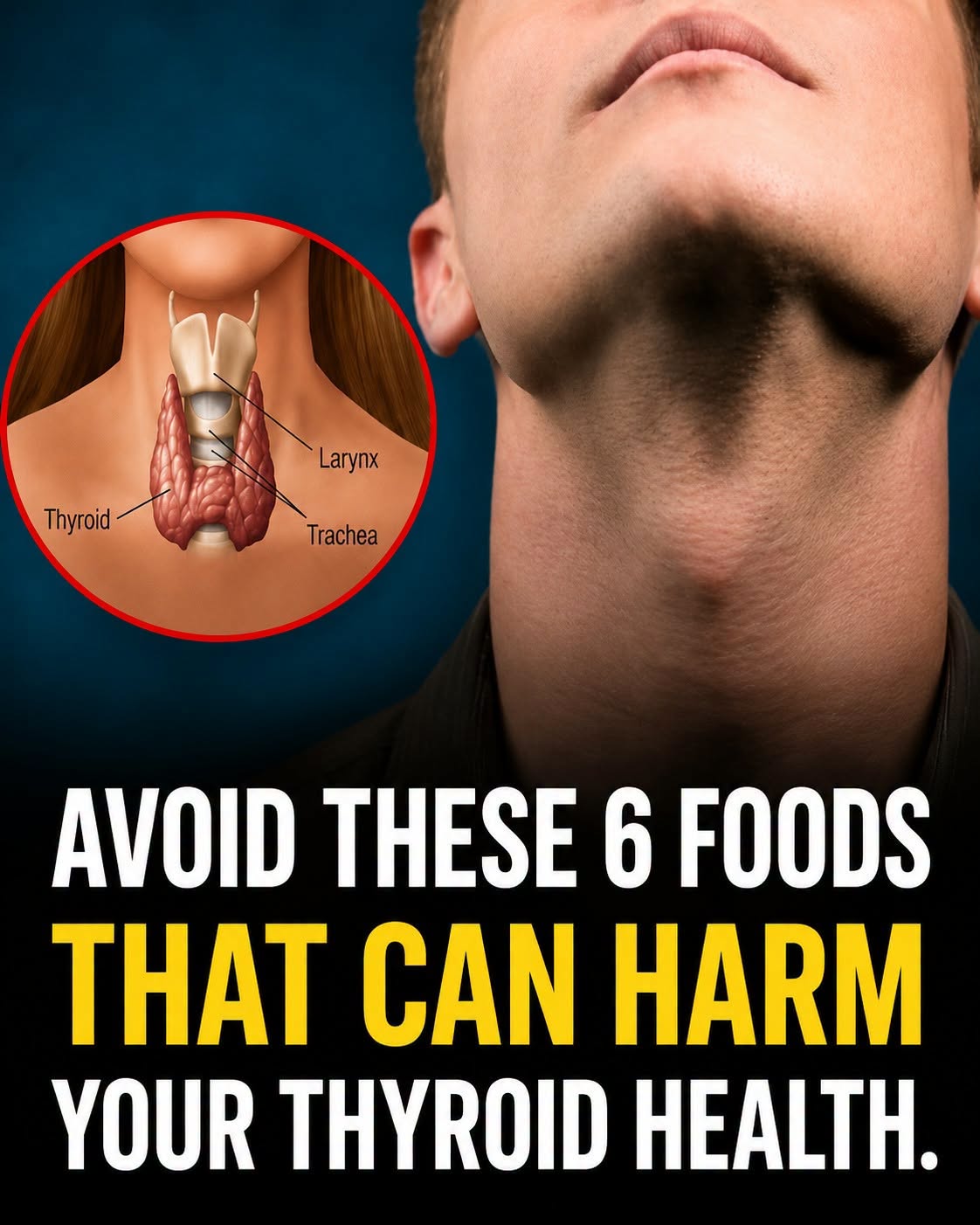
The thyroid may be small, but it plays a massive role in your overall health. This butterfly-shaped gland, located at the base of your neck, regulates metabolism, energy production, body temperature, heart rate, digestion, and even mood. When the thyroid functions properly, it helps keep nearly every system in your body running smoothly. However, when thyroid function becomes disrupted, the effects can be felt from head to toe.
Millions of people worldwide live with thyroid conditions such as hypothyroidism, hyperthyroidism, Hashimoto’s thyroiditis, and Graves’ disease. While genetics, autoimmune disorders, and environmental factors often contribute to thyroid problems, nutrition also plays an important role in supporting thyroid health.
Contrary to many alarming headlines online, most foods do not need to be completely eliminated from your diet. Instead, understanding how certain foods interact with thyroid function can help you make informed choices. In many cases, preparation methods, moderation, and timing are more important than outright avoidance.
If you are concerned about your thyroid or simply want to support long-term wellness, here are six foods and food groups experts recommend paying attention to, along with practical ways to enjoy them safely.
Understanding the Thyroid’s Role in the Body
Before discussing specific foods, it helps to understand how the thyroid works.
The thyroid produces hormones known as T3 (triiodothyronine) and T4 (thyroxine). These hormones regulate how your body uses energy. They influence metabolism, weight management, heart function, brain performance, digestive activity, muscle strength, and body temperature.
To produce these hormones, the thyroid requires several nutrients, including:
- Iodine
- Selenium
- Zinc
- Iron
- Tyrosine
When the thyroid lacks necessary nutrients or faces interference from autoimmune conditions, hormone production can become disrupted.
Symptoms of thyroid dysfunction may include:
- Fatigue
- Weight changes
- Brain fog
- Hair thinning
- Dry skin
- Depression
- Cold sensitivity
- Digestive problems
- Muscle weakness
While diet alone cannot cure thyroid disease, it can support proper thyroid function and reduce unnecessary stress on the gland.
1. Raw Cruciferous Vegetables
Why Experts Recommend Moderation
Cruciferous vegetables include:
- Broccoli
- Cauliflower
- Cabbage
- Kale
- Brussels sprouts
- Bok choy
- Turnips
These vegetables contain compounds known as goitrogens.
Goitrogens may interfere with iodine uptake when consumed in very large quantities, especially in individuals who already have iodine deficiency.
Since iodine is essential for thyroid hormone production, excessive consumption of raw cruciferous vegetables could potentially impact thyroid function.
The Good News
These vegetables remain among the healthiest foods available.
They provide:
- Fiber
- Antioxidants
- Vitamin C
- Folate
- Potassium
- Cancer-fighting compounds
For most people, they are perfectly safe.
How to Enjoy Them Safely
Cooking significantly reduces goitrogenic activity.
Steaming, roasting, sautéing, and boiling can neutralize much of the effect.
Rather than avoiding these vegetables, experts recommend:
- Eating a variety of vegetables
- Avoiding excessive daily raw kale smoothies
- Choosing cooked preparations more often
For most individuals, the benefits greatly outweigh any potential concerns.
2. Soy Products
Understanding Soy and Thyroid Function
Soy foods include:
- Tofu
- Tempeh
- Edamame
- Soy milk
- Soy protein products
Soy contains compounds called isoflavones.
Research suggests that isoflavones may influence thyroid hormone production by affecting thyroid peroxidase (TPO), an enzyme involved in hormone synthesis.
This concern is particularly relevant for people with existing thyroid disorders.
Does Soy Cause Thyroid Disease?
Current evidence does not suggest that moderate soy consumption causes thyroid disease in healthy individuals.
However, people with hypothyroidism may need to be more mindful.
Medication Considerations
Soy can interfere with the absorption of thyroid medications.
If you take levothyroxine or another thyroid medication, experts often recommend separating soy consumption from medication timing.
Practical Approach
Instead of eliminating soy completely:
- Enjoy soy foods in moderation
- Choose minimally processed options
- Monitor symptoms if you have thyroid disease
- Follow your healthcare provider’s recommendations
3. Kelp and Seaweed Supplements
Why Iodine Matters
The thyroid requires iodine to produce hormones.
Without sufficient iodine, thyroid function can suffer.
However, there is an important distinction many people overlook:
More iodine is not always better.
The Goldilocks Principle
The thyroid needs the right amount of iodine—not too little and not too much.
Kelp, seaweed supplements, and concentrated marine extracts can contain extremely high iodine levels.
Excessive iodine intake may trigger thyroid dysfunction in susceptible individuals.
Potential Problems
Too much iodine may contribute to:
- Hypothyroidism
- Hyperthyroidism
- Autoimmune thyroid flare-ups
- Hormone production disturbances
Safer Sources of Iodine
Most people obtain adequate iodine from:
- Iodized salt
- Dairy products
- Seafood
- Eggs
These sources generally provide sufficient amounts without overwhelming the thyroid.
Expert Recommendation
Occasional seaweed consumption is usually fine.
However, experts frequently caution against regular use of high-dose kelp supplements unless specifically recommended by a healthcare professional.
4. Highly Processed Foods and Excess Sugar
The Inflammation Connection
Many thyroid disorders, especially Hashimoto’s thyroiditis, involve autoimmune activity.
Autoimmune diseases are often associated with chronic inflammation.
Highly processed foods may contribute to inflammatory responses throughout the body.
Examples include:
- Sugary beverages
- Fast food
- Packaged snacks
- Commercial baked goods
- Candy
- Refined carbohydrates
How Inflammation Impacts Thyroid Health
While processed foods do not directly cause thyroid disease, chronic inflammation may worsen symptoms and place additional stress on the immune system.
Many individuals with thyroid disorders report improvements when reducing processed foods.
Better Alternatives
Focus on whole-food nutrition:
- Vegetables
- Fruits
- Lean proteins
- Healthy fats
- Whole grains
- Legumes
A nutrient-rich diet supports overall wellness and may help reduce inflammatory burden.
5. Gluten for Sensitive Individuals
The Thyroid-Gluten Connection
Research has identified a strong association between autoimmune thyroid disorders and celiac disease.
People with Hashimoto’s thyroiditis have a higher likelihood of experiencing gluten-related conditions.
Why This Happens
Some researchers believe molecular similarities between gluten proteins and thyroid tissue may contribute to immune confusion in susceptible individuals.
This phenomenon is sometimes called molecular mimicry.
Should Everyone Avoid Gluten?
Not necessarily.
There is currently no evidence that everyone with thyroid disease must eliminate gluten.
However, individuals who experience:
- Digestive issues
- Fatigue
- Bloating
- Brain fog
- Joint discomfort
may benefit from discussing gluten sensitivity testing with their healthcare provider.
A Personalized Approach
If you suspect gluten may be affecting your health:
- Track symptoms
- Consult a healthcare professional
- Consider supervised elimination trials
Personalized nutrition often produces the best results.
6. Coffee, Calcium, and Iron Around Medication Time
The Overlooked Problem
Many people focus on foods that affect thyroid function while overlooking foods and supplements that affect thyroid medication absorption.
This issue can significantly impact treatment effectiveness.
Coffee and Thyroid Medication
Studies have shown that coffee may reduce the absorption of levothyroxine when consumed too soon after taking medication.
This means your body may receive less medication than intended.
Calcium and Iron Supplements
Both calcium and iron can bind to thyroid medications inside the digestive tract.
This interference reduces medication absorption.
Expert Timing Guidelines
Most endocrinologists recommend:
- Taking thyroid medication with water
- Waiting at least 30 to 60 minutes before coffee
- Waiting four hours before calcium supplements
- Waiting four hours before iron supplements
Following these simple timing guidelines may dramatically improve treatment effectiveness.
Foods That Support Thyroid Health
While discussions often focus on foods to limit, it’s equally important to highlight foods that support thyroid function.
Selenium-Rich Foods
Selenium helps convert thyroid hormones into their active form.
Sources include:
- Brazil nuts
- Tuna
- Sardines
- Eggs
- Turkey
Zinc Sources
Zinc supports hormone production.
Good sources include:
- Beef
- Pumpkin seeds
- Chickpeas
- Oysters
Protein-Rich Foods
Protein provides tyrosine, a building block for thyroid hormones.
Choose:
- Fish
- Poultry
- Eggs
- Greek yogurt
- Beans
Healthy Fats
Healthy fats support hormone balance and cellular health.
Options include:
- Olive oil
- Avocados
- Nuts
- Seeds
Lifestyle Habits That Support Thyroid Wellness
Diet is only one piece of the puzzle.
Additional healthy habits include:
Prioritize Sleep
Poor sleep may disrupt hormone regulation.
Aim for seven to nine hours nightly.
Manage Stress
Chronic stress can influence hormone balance.
Helpful strategies include:
- Walking
- Meditation
- Deep breathing
- Yoga
- Hobbies
Stay Physically Active
Regular movement supports metabolism and overall health.
Follow Medical Advice
If you have a diagnosed thyroid condition, maintain regular follow-ups and blood testing.
Frequently Asked Questions
Can diet cure thyroid disease?
No. Diet supports thyroid health but cannot cure most thyroid disorders.
Are cruciferous vegetables dangerous?
No. Cooked cruciferous vegetables are generally safe and highly nutritious.
Should everyone avoid soy?
No. Most people can consume soy in moderation.
Is iodine supplementation always beneficial?
Not necessarily. Excessive iodine can sometimes worsen thyroid problems.
Do thyroid patients need to go gluten-free?
Only if gluten sensitivity, celiac disease, or symptom improvement suggests a benefit.
Final Thoughts
When it comes to thyroid health, balance matters more than restriction. Most foods commonly labeled as “bad” for the thyroid can still fit into a healthy diet when consumed appropriately.
Rather than focusing on fear or elimination, focus on understanding. Cook cruciferous vegetables, enjoy soy in moderation, avoid excessive iodine supplementation, limit processed foods, pay attention to potential gluten sensitivity, and be mindful of medication timing.
The thyroid may be small, but it responds remarkably well to thoughtful care. By making informed choices and maintaining a balanced lifestyle, you can help support one of the body’s most important glands and promote long-term health, energy, and well-being.
More Home Remedies
- Wrinkled Fingers After Water Exposure: What Your Skin May Be Telling You
- Skin Rash With Breathing Trouble? It Could Be a Life-Threatening Allergic Reaction
- I Thought It Was a Piece of Trash on the Bathroom Floor—Until It Moved
- If You Are Getting White Pimples on Your Lips or Intimate Area, Here’s What They Could Mean