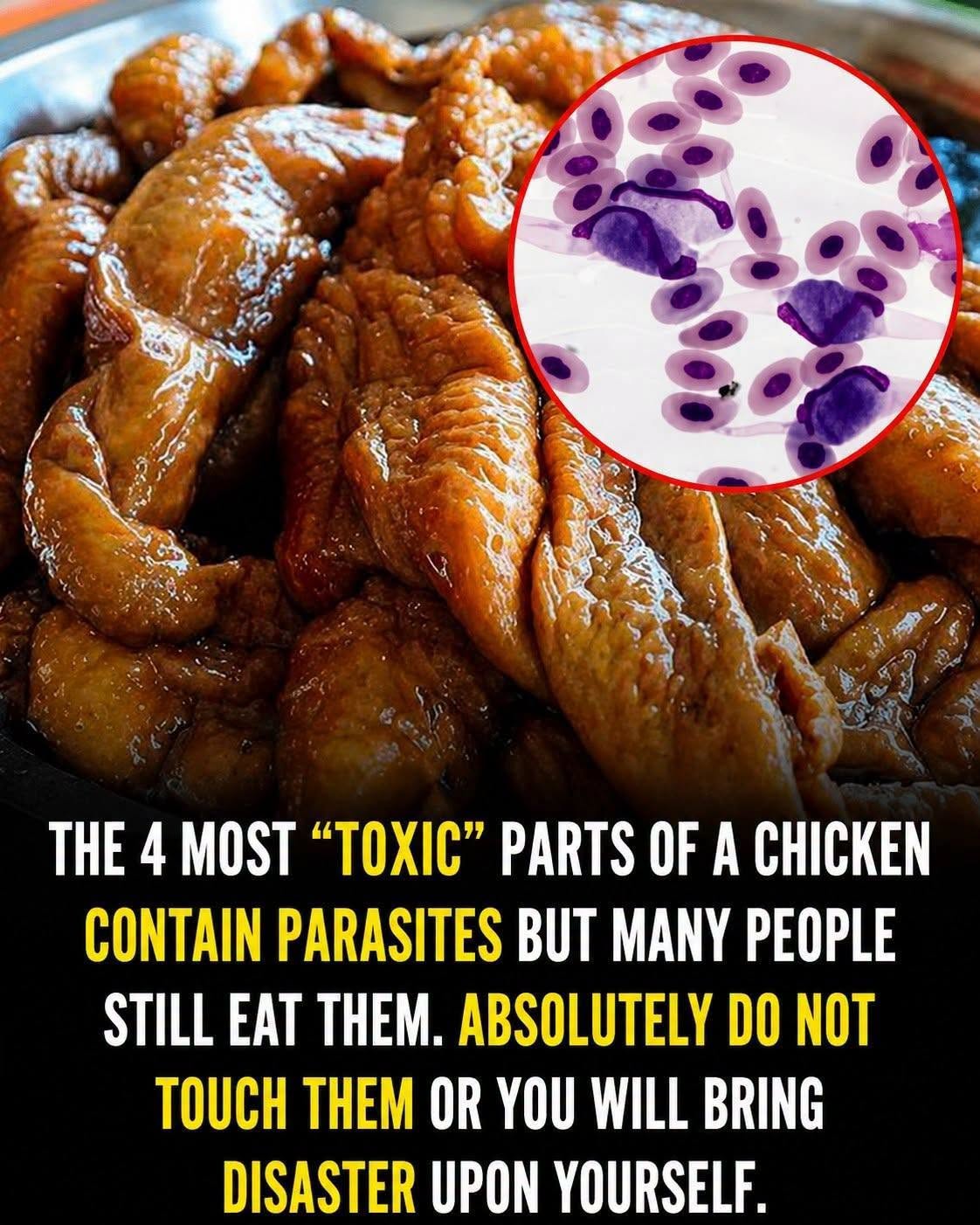
Not every part of a chicken is equally nutritious, even though chicken as a whole can fit comfortably into a balanced diet. Breast meat, thighs, skin, liver, feet, gizzards, and other organs all have different nutritional profiles. In addition, the way you prepare and handle each part can change its calorie content, fat level, sodium content, and food-safety risk.
That does not mean certain chicken parts automatically become “toxic.”
Viral posts sometimes describe chicken liver, skin, feet, or organs as dangerous foods that everyone should avoid. However, that framing oversimplifies the issue. The more useful questions involve portion size, preparation, food handling, and individual dietary needs.
Chicken liver, for example, contains a concentrated amount of preformed vitamin A. Chicken skin provides more fat and calories than skinless meat. Meanwhile, chicken feet and gizzards require the same careful handling and thorough cooking that other raw poultry requires.
Food safety also matters regardless of the chicken part you choose. Current U.S. Department of Agriculture guidance recommends cooking all poultry to a minimum internal temperature of 165°F, or 73.9°C, as measured with a food thermometer. Color alone cannot reliably tell you whether poultry has reached a safe temperature.
I remember hearing warnings growing up that certain chicken parts were somehow “dirty” while others were automatically healthy. Later, I realized how much preparation changed the picture. A small serving of properly cooked organ meat looked very different nutritionally from a heavily breaded, deep-fried meal, even though both came from the same bird. That realization made me stop sorting foods into simple “good” and “bad” categories. Instead, I started paying more attention to portions, cooking methods, and food safety. Chicken offers a good example because nearly every edible part comes with its own nutritional strengths and practical considerations.
Why Not Every Part of a Chicken Is Equally Nutritious
Different Parts Provide Different Nutrients
Not every part of a chicken is equally nutritious because the bird contains different types of tissue.
Muscle meat, organs, connective tissue, and skin serve different biological purposes. Therefore, they naturally contain different proportions of protein, fat, vitamins, minerals, and connective tissue.
Chicken breast usually attracts attention as a lean protein choice, especially when people remove the skin. Dark meat contains more fat than breast meat, although it also provides valuable nutrients.
Organ meats create an even bigger contrast.
Chicken liver contains high levels of several nutrients, including preformed vitamin A. The National Institutes of Health explains that preformed vitamin A occurs in animal foods such as organ meats, dairy products, eggs, and fish. The adult upper intake level for preformed vitamin A is 3,000 micrograms per day, while teenagers have a lower limit.
This does not mean liver acts like a poison.
Instead, its unusually concentrated nutrition means frequent large servings can push vitamin A intake much higher than most ordinary foods would.
That distinction matters when discussing whether not every part of a chicken is equally nutritious.
“Nutrient-dense” does not always mean “eat unlimited quantities.”
Likewise, a higher-fat food does not automatically become forbidden.
A balanced approach considers how often you eat the food, how much you eat, what else appears in your diet, and how you prepare it.
That more nuanced view gives you much more useful information than a frightening label.
Preparation Can Change the Nutrition Dramatically
The original chicken part matters, but preparation can matter just as much.
Take chicken skin as an example.
Skin naturally contains more fat than skinless muscle meat. However, roasting a piece of chicken with skin creates a very different meal from breading it heavily, deep-frying it, and adding a salty sauce.
Likewise, boiled or stewed gizzards differ considerably from breaded and fried gizzards.
Added oil increases calories. Breadings add carbohydrates and often sodium. Sauces can add sugar, sodium, or additional fat.
Therefore, when someone says not every part of a chicken is equally nutritious, the statement needs context.
The cooking method can shift the final nutritional profile significantly.
This principle also applies to portion size.
A small amount of crisp chicken skin eaten alongside vegetables and other nutrient-rich foods fits differently into a diet than several large pieces of fried chicken eaten regularly.
Consequently, it makes more sense to look at overall dietary patterns than to decide that one chicken part automatically ruins an otherwise balanced meal.
The same idea works in the opposite direction.
A nutrient-rich organ meat does not automatically improve your diet simply because it contains vitamins and minerals.
Frequency still matters.
Portions still matter.
Food safety still matters.
Understanding those distinctions helps replace exaggerated warnings with practical decisions.
4 Chicken Parts That Deserve a Closer Look
Chicken Liver and Chicken Skin
Chicken liver deserves attention because it packs a lot of nutrition into a small serving.
It provides protein and several important micronutrients, but its concentration of preformed vitamin A makes moderation particularly important.
The NIH distinguishes preformed vitamin A from beta-carotene and other provitamin A carotenoids found in plant foods. Excessive intake of preformed vitamin A can cause harmful effects, and the adult upper intake level stands at 3,000 micrograms per day from food, beverages, and supplements combined.
Pregnancy requires special attention.
The NIH reports that excessive preformed vitamin A during pregnancy can cause birth defects. Its pregnancy guidance lists upper intake levels of 2,800 micrograms per day for ages 14 to 18 and 3,000 micrograms per day for ages 19 to 50.
Therefore, anyone who eats liver frequently, takes supplements containing preformed vitamin A, or has specific medical or pregnancy-related dietary considerations may benefit from discussing intake with a qualified healthcare professional.
Chicken skin raises a different issue.
It does not become dangerous simply because it contains fat.
However, skin adds fat and calories compared with removing it. Preparation can increase those amounts further.
For someone actively trying to reduce calorie or saturated fat intake, removing some or all of the skin offers a straightforward option.
On the other hand, an occasional serving of roasted chicken with skin does not automatically make an otherwise balanced diet unhealthy.
This difference shows why not every part of a chicken is equally nutritious without requiring dramatic claims about toxicity.
Chicken Feet and Gizzards
Chicken feet appear in cuisines around the world.
They contain substantial connective tissue and often feature in soups, braises, stews, and slow-cooked dishes.
However, claims that chicken feet can automatically rebuild joints, erase wrinkles, or reverse aging go far beyond what you can reasonably conclude from simply eating a collagen-containing food.
Their main practical concern involves sourcing, storage, handling, and cooking.
The same rule applies to gizzards.
Gizzards consist of muscular tissue and can provide protein and micronutrients. Still, they come from raw poultry and require careful food handling.
USDA guidance states that raw and undercooked poultry can contain harmful bacteria. It recommends cooking poultry to at least 165°F internally and checking with a food thermometer rather than relying on appearance.
That recommendation applies whether you cook breast meat, thighs, feet, gizzards, liver, or other edible poultry parts.
Preparation also affects these foods.
A slowly stewed gizzard has a different nutritional profile from one coated in breading and deep-fried.
Similarly, chicken feet served in a lightly seasoned soup differ from versions prepared with large amounts of salty or sugary sauce.
Therefore, not every part of a chicken is equally nutritious, but that does not create a list of four universally forbidden parts.
The better approach involves understanding what each part offers and preparing it safely.
What You Should Know About Chicken, Bacteria, and “Parasite” Claims
Viral Images Do Not Automatically Prove Contamination
Social-media posts sometimes pair pictures of chicken with microscopic organisms, worms, or parasites and imply that the images prove a particular piece of chicken contains them.
That conclusion may not follow from the pictures alone.
A dramatic laboratory image needs context.
You would need to know where the sample came from, how someone collected it, how experts identified the organism, and whether the image actually relates to the chicken shown in the post.
Without that information, a microscope photograph does not establish that a particular chicken part contains the pictured organism.
However, dismissing all poultry-related infection risk would also be a mistake.
Raw poultry can contain disease-causing microorganisms, which explains why safe storage, cross-contamination prevention, and thorough cooking remain so important.
USDA guidance specifically advises against eating or tasting raw or undercooked poultry and recommends a minimum internal temperature of 165°F.
Therefore, you do not need frightening viral claims to justify careful food handling.
Real food-safety guidance already gives you clear steps.
Keep raw poultry separated from ready-to-eat foods.
Use clean equipment.
Cook it completely.
Refrigerate it appropriately.
Those habits address known risks much more effectively than avoiding a particular chicken part based on an unverified social-media image.
This point also reinforces why not every part of a chicken is equally nutritious differs from saying that some parts are automatically toxic.
Nutrition and food safety represent related but separate questions.
Washing Raw Chicken Can Spread Contamination
Many people grew up watching family members rinse raw chicken in the sink before cooking it.
However, current food-safety guidance recommends against this practice.
CDC materials state that raw chicken does not need washing before cooking and warn that washing can spread germs to other foods and surfaces through splashing. The CDC also recommends using separate cutting boards or plates for raw meat and ready-to-eat foods and washing hands with soap and water after handling raw poultry.
In other words, water does not make raw chicken safe.
Heat does.
Thorough cooking destroys harmful bacteria much more reliably than rinsing.
This matters for liver, feet, gizzards, skin-on pieces, and ordinary cuts alike.
Additionally, avoid putting cooked chicken back onto the same unwashed plate that held it raw. Separate raw poultry from ingredients you will eat without additional cooking.
After handling raw poultry, wash utensils, cutting boards, and work surfaces with hot, soapy water.
The CDC also emphasizes that germs responsible for food poisoning may not change a food’s smell, taste, or appearance. Therefore, sensory inspection cannot replace proper storage and cooking.
These practical habits provide a much stronger defense against foodborne illness than trying to memorize a list of allegedly “toxic” chicken parts.
How to Eat Different Chicken Parts More Safely
Focus on Temperature, Hygiene, and Storage
Safe chicken preparation starts before the food reaches the stove.
Keep raw poultry refrigerated and separate it from foods you plan to eat raw.
During preparation, avoid placing raw poultry next to salads, fruit, bread, or cooked foods.
Use a dedicated cutting board or carefully clean and sanitize shared surfaces before using them for something else.
Do not wash raw chicken in the sink.
Instead, move directly from safe preparation to cooking.
When checking doneness, use a food thermometer.
USDA guidance recommends that all poultry reach at least 165°F, or 73.9°C. It also explains that color alone does not reliably indicate safety because fully cooked poultry can appear white, tan, or even pink.
That detail matters because visual shortcuts can create false reassurance.
Likewise, do not assume that an organ becomes safe simply because its exterior looks cooked.
Check temperature appropriately.
After the meal, refrigerate perishable leftovers promptly rather than leaving cooked chicken sitting out for extended periods.
These steps apply broadly.
Not every part of a chicken is equally nutritious, yet all raw poultry deserves careful food handling.
That consistency makes the safety rules easier to remember.
Separate.
Keep clean.
Cook thoroughly.
Store appropriately.
You do not need complicated rituals or fear-based warnings.
Consider Portion Size and Your Overall Diet
Nutrition requires more than evaluating a single chicken part.
Suppose you enjoy chicken liver.
You do not necessarily need to eliminate it, but its concentrated vitamin A content gives you a reason to pay attention to frequency and portion size.
Suppose you enjoy chicken skin.
You can consider how often you eat it, how you cook it, and whether reducing skin helps you meet your personal dietary goals.
Suppose chicken feet or gizzards form part of traditional dishes in your household.
Their cultural value does not disappear because viral posts label them suspicious. Instead, prepare them hygienically and cook them thoroughly.
The broader meal also matters.
Vegetables, whole grains, legumes, fruits, and other foods contribute nutrients and balance that a single chicken part cannot provide by itself.
This is why the idea that not every part of a chicken is equally nutritious should encourage informed choices rather than fear.
Food rarely falls into neat categories of perfect and poisonous.
Different foods provide different nutrients.
Different preparation methods create different nutritional outcomes.
Different people also have different needs.
Someone managing a medical condition may receive different dietary advice from someone without that condition. Likewise, pregnancy can change considerations around foods high in preformed vitamin A.
When individual health concerns matter, personalized guidance from a qualified healthcare professional provides more value than generalized social-media warnings.
Frequently Asked Questions
Are chicken liver, skin, feet, and gizzards toxic?
No evidence establishes these four edible chicken parts as universally toxic foods. Each has different nutritional and food-safety considerations. Liver contains concentrated preformed vitamin A, skin adds fat and calories, and feet and gizzards require safe handling and thorough cooking.
How hot should chicken get before I eat it?
USDA guidance recommends cooking all poultry to a minimum internal temperature of 165°F, or 73.9°C, as measured with a food thermometer.
Should I wash raw chicken before cooking?
No. CDC food-safety guidance warns that washing raw chicken can spread germs around the sink, counters, utensils, and nearby foods through splashing. Proper cooking provides the key safety step.
Is chicken liver healthy?
Chicken liver provides several nutrients, but it also contains concentrated preformed vitamin A. Because excessive preformed vitamin A can cause harm, portion size and frequency matter, particularly for people who also take vitamin A supplements or have pregnancy-related dietary concerns.
Is pink chicken always undercooked?
Not necessarily. USDA guidance states that color does not reliably indicate whether poultry has cooked safely. Use a food thermometer and confirm that the meat reaches at least 165°F rather than judging it solely by color.
Conclusion
Not every part of a chicken is equally nutritious, but that fact does not mean four specific chicken parts deserve a universal “toxic” label.
Chicken liver stands out for its concentrated preformed vitamin A content. That nutritional strength also provides a reason to avoid excessive intake, particularly when other sources of preformed vitamin A contribute to the diet.
Chicken skin contains more fat and calories than skinless meat, so people trying to reduce those nutrients may choose to remove some or all of it.
Chicken feet remain a traditional food in many cuisines, while gizzards provide an edible source of muscle tissue and nutrients. Neither needs a frightening label simply because it differs from familiar cuts.
For all of these foods, preparation matters.
Keep raw poultry away from foods you will eat without cooking.
Avoid washing raw chicken because splashing can spread germs around the kitchen.
Most importantly, cook poultry thoroughly. USDA guidance continues to recommend a minimum internal temperature of 165°F, measured with a food thermometer.
Instead of reacting to dramatic warnings about “toxic” chicken parts, focus on the factors you can control: portions, cooking methods, food hygiene, temperature, storage, and the balance of your overall diet.
Understanding those details makes it much easier to enjoy chicken without unnecessary fear while still taking genuine nutritional and food-safety concerns seriously.
More Home Remedies
- Wrinkled Fingers After Water Exposure: What Your Skin May Be Telling You
- Skin Rash With Breathing Trouble? It Could Be a Life-Threatening Allergic Reaction
- I Thought It Was a Piece of Trash on the Bathroom Floor—Until It Moved
- If You Are Getting White Pimples on Your Lips or Intimate Area, Here’s What They Could Mean