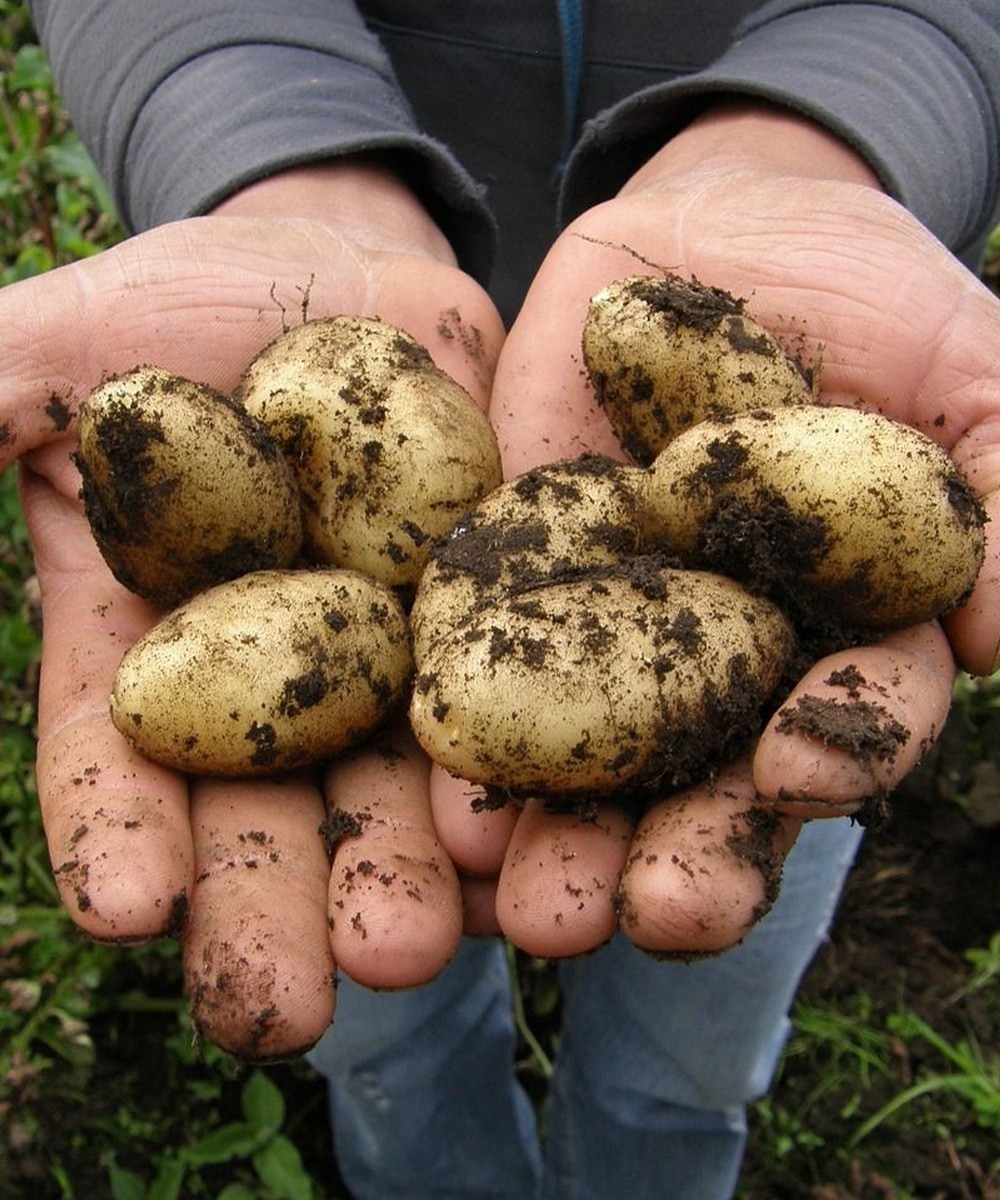
Potatoes have developed a confusing reputation over the years. One day they are labeled unhealthy carbs, and the next day they are praised as a natural source of nutrients. Headlines often blame potatoes for weight gain, blood sugar problems, or unhealthy eating habits. However, the truth is far more balanced than the fear-driven claims many people see online.
Potatoes themselves are not the real problem. In fact, they can be highly nutritious when prepared properly. The issue often comes from the way potatoes are processed and served. Deep-fried fries, heavily salted chips, and buttery fast-food versions are very different from a simple boiled or baked potato with the skin intact.
Doctors and nutrition experts continue to emphasize that whole foods matter more than sensational headlines. Potatoes contain important nutrients that support heart health, digestion, energy production, and even gut health. They are affordable, filling, and widely available, making them one of the most practical foods for many families around the world.
A few years ago, a man trying to lose weight completely removed potatoes from his meals after reading online articles warning that they were “fattening.” He replaced them with highly processed low-carb snacks that left him hungry and unsatisfied. Eventually, a dietitian encouraged him to reintroduce simple boiled potatoes paired with vegetables and lean protein. Not only did he feel fuller longer, but he also found it easier to stick to healthier eating habits. His experience highlights an important lesson: the problem is rarely the potato itself. More often, it is the preparation and portion size that matter most.
Why Potatoes Are More Nutritious Than Many People Realize
Potatoes Contain Important Nutrients
Many people think potatoes are nothing more than “empty carbs,” but this belief ignores their actual nutritional value.
A medium potato with the skin contains:
- Potassium
- Fiber
- Vitamin C
- Vitamin B6
- Magnesium
- Antioxidants
Potatoes are naturally fat-free and cholesterol-free when prepared without excessive oils or processed toppings.
Potassium is especially important because it helps regulate fluid balance, nerve function, and blood pressure. In fact, potatoes contain more potassium than bananas by weight.
Vitamin C supports:
- Immune health
- Skin repair
- Antioxidant protection
Meanwhile, fiber helps digestion and supports feelings of fullness after meals.
Keeping the skin on provides even more nutritional benefits because much of the fiber and micronutrients are concentrated there.
Potatoes Can Support Satiety
One overlooked benefit of potatoes is how filling they can be.
Boiled potatoes consistently rank among the most satisfying foods in satiety studies. Feeling fuller after meals may help reduce overeating later in the day.
Unlike sugary snacks that digest quickly, potatoes contain complex carbohydrates that provide more stable energy when eaten in balanced portions.
Combining potatoes with:
- Lean protein
- Healthy fats
- Vegetables
can create satisfying meals that support healthy eating patterns.
This is one reason nutrition experts encourage people to focus less on demonizing individual foods and more on overall dietary habits.
The Real Problem: How Potatoes Are Prepared
Fried Potatoes Are Very Different
Many of the health concerns linked to potatoes actually relate to frying and heavy processing.
French fries and potato chips often contain:
- Excess calories
- Added sodium
- Refined oils
- Trans fats
- Artificial additives
Deep frying dramatically changes the nutritional profile of potatoes.
For example:
- A plain baked potato contains fiber and nutrients with minimal fat
- Fast-food fries contain large amounts of oil and sodium
This distinction matters because many studies linking potatoes to weight gain specifically involve fried potato products.
Preparation methods greatly influence how potatoes affect the body.
Portion Size Also Matters
Even nutritious foods can become unhealthy when portions become excessive.
Large servings of loaded potatoes covered in:
- Butter
- Cheese
- Sour cream
- Bacon
- Cream sauces
can significantly increase calorie intake.
Moderation remains important.
A balanced serving of potatoes alongside vegetables and protein fits very differently into a healthy diet than oversized processed portions eaten regularly.
The goal is not fear or restriction but smarter preparation choices.
Potatoes and Blood Sugar: The Full Story
Glycemic Index Depends on Cooking Method
Potatoes are often criticized because of their glycemic index, which measures how quickly foods raise blood sugar.
However, not all potatoes affect blood sugar equally.
Cooking methods make a major difference.
Examples include:
- Boiled potatoes → lower glycemic impact
- Fried potatoes → higher impact
- Baked potatoes → faster digestion
- Cooled potatoes → more resistant starch
This means potatoes do not automatically cause dangerous blood sugar spikes when eaten thoughtfully.
Pairing potatoes with protein, healthy fats, or fiber-rich foods also slows digestion and improves blood sugar balance.
For example:
- Potatoes with grilled chicken
- Potato salad with olive oil
- Boiled potatoes with vegetables
These combinations digest more gradually than potatoes eaten alone.
Resistant Starch Benefits Gut Health
One fascinating aspect of potatoes is resistant starch.
When potatoes are cooked and then cooled, part of their starch changes structure and becomes resistant starch.
Resistant starch acts more like fiber than sugar because it resists digestion in the small intestine.
This may help:
- Feed beneficial gut bacteria
- Support digestion
- Improve satiety
- Reduce blood sugar response
Foods rich in resistant starch have gained attention for their potential role in gut and metabolic health.
Cold potato salads made with healthy ingredients may actually provide unique digestive benefits.
Heart Health and Potassium Support
Potassium Helps Counter Sodium
Modern diets often contain excessive sodium from processed foods. Potassium helps balance sodium levels and supports healthy blood pressure.
Potatoes provide a significant amount of potassium naturally.
Adequate potassium intake may help:
- Support heart function
- Maintain healthy blood pressure
- Reduce muscle cramps
- Support nerve communication
Unfortunately, many adults fail to consume enough potassium daily.
Whole potatoes prepared simply can help improve nutrient intake without requiring expensive specialty foods.
Fiber Supports Cardiovascular Health
Potato fiber also contributes to heart health.
Fiber may help:
- Lower LDL cholesterol
- Improve digestion
- Support healthy weight management
Again, much of this fiber exists in the skin.
Peeling potatoes removes valuable nutrients and reduces their overall nutritional quality.
Keeping the skin intact whenever possible provides greater benefits.
Potatoes and Weight Management
Potatoes Are Not Automatically Fattening
One of the biggest myths about potatoes is that they directly cause weight gain.
In reality, weight gain occurs when overall calorie intake consistently exceeds energy needs over time.
Potatoes themselves are relatively low in calories for their volume, especially when boiled or baked without excessive toppings.
Because potatoes are filling, they may actually help reduce overeating in some situations.
The problem often comes from:
- Frying
- Oversized portions
- High-calorie toppings
- Processed potato products
A plain baked potato is nutritionally very different from large fast-food fries.
Whole Foods Support Better Eating Habits
Whole foods tend to be more satisfying than heavily processed snack foods.
Replacing balanced meals with ultra-processed “diet foods” may leave people feeling hungry and unsatisfied.
Potatoes can support healthy eating when included in:
- Balanced portions
- Nutrient-rich meals
- High-fiber combinations
The focus should remain on overall dietary patterns rather than labeling one food as “good” or “bad.”
Who Should Be More Careful With Potatoes?
People Managing Diabetes
People with Type 2 Diabetes do not necessarily need to avoid potatoes entirely, but preparation methods matter.
Helpful strategies include:
- Choosing boiled or steamed potatoes
- Eating smaller portions
- Pairing potatoes with protein
- Avoiding fries and chips
Monitoring blood sugar responses individually is important because people tolerate carbohydrates differently.
Kidney Disease and Potassium Concerns
Because potatoes contain significant potassium, individuals with kidney disease may need to moderate intake.
Damaged kidneys may struggle to remove excess potassium from the blood.
Some doctors recommend potassium-reduction methods such as:
- Slicing potatoes thinly
- Soaking them in water
- Boiling them thoroughly
Medical guidance is important for anyone with kidney conditions.
Rare Nightshade Sensitivities
Potatoes belong to the nightshade family alongside tomatoes and peppers.
A small number of people report sensitivities that may worsen digestive symptoms or inflammation.
However, true nightshade intolerance appears relatively uncommon.
Most people tolerate potatoes without issue.
Best Ways to Prepare Potatoes
Healthier Cooking Methods
Preparation dramatically affects nutritional quality.
Healthier cooking methods include:
- Boiling
- Steaming
- Roasting
- Air frying with minimal oil
These methods preserve nutrients while limiting excessive fats.
Deep frying remains the least healthy option because it adds significant calories and unhealthy oils.
Smart Flavor Additions
Potatoes do not need heavy butter or cream sauces to taste good.
Healthier toppings include:
- Olive oil
- Garlic
- Herbs
- Greek yogurt
- Avocado
- Fresh vegetables
Adding vinegar or lemon juice may also help reduce the blood sugar response from starchy foods.
Simple changes can make potatoes both nutritious and flavorful.
Common Myths About Potatoes
Myth: Potatoes Are Empty Calories
Potatoes contain vitamins, minerals, fiber, and antioxidants.
Myth: Potatoes Always Spike Blood Sugar
Cooking methods, portion sizes, and meal combinations all affect blood sugar response.
Myth: Potatoes Cause Weight Gain
Processed potato products and excessive calories contribute more to weight gain than potatoes themselves.
Myth: Sweet Potatoes Are Always Better
Sweet potatoes and white potatoes both provide nutritional benefits. One is not universally superior.
Myth: Healthy Diets Must Avoid Carbs
Carbohydrates are an important energy source. Quality and balance matter more than extreme restriction.
Frequently Asked Questions
Are potatoes healthy?
Yes. Potatoes provide nutrients such as potassium, vitamin C, and fiber when prepared in healthy ways.
Are boiled potatoes healthier than fries?
Yes. Boiled potatoes contain far less fat and sodium than deep-fried potato products.
Do potatoes raise blood sugar?
They can, but the effect varies depending on preparation, portion size, and meal combinations.
Is potato skin healthy?
Yes. Much of the fiber and nutrients are found in the skin.
Can potatoes fit into a weight-loss diet?
Yes. Balanced portions of boiled or baked potatoes may support fullness and healthy eating habits.
Conclusion
Potatoes are one of the most misunderstood foods in modern nutrition discussions. While sensational headlines often blame them for weight gain or poor health, the reality is far more nuanced.
Whole potatoes provide important nutrients, fiber, potassium, and energy that can support overall wellness when prepared thoughtfully. The biggest problems usually come from frying, overprocessing, and excessive toppings — not from the potato itself.
Boiling, steaming, roasting, and pairing potatoes with balanced ingredients can turn this humble food into a nutritious part of a healthy lifestyle.
Instead of fearing potatoes, people may benefit more from learning how to prepare them wisely and enjoy them in moderation.
More Home Remedies
- Wrinkled Fingers After Water Exposure: What Your Skin May Be Telling You
- Skin Rash With Breathing Trouble? It Could Be a Life-Threatening Allergic Reaction
- I Thought It Was a Piece of Trash on the Bathroom Floor—Until It Moved
- If You Are Getting White Pimples on Your Lips or Intimate Area, Here’s What They Could Mean