Itchy skin and sudden bumps can appear without warning and immediately make you wonder what went wrong. One minute your skin looks normal. Then raised, itchy spots develop on your arms, legs, torso, face, or another area. Sometimes they disappear almost as quickly as they arrived. In other cases, new bumps keep appearing.
One common explanation is hives, medically called urticaria. However, not every itchy bump comes from hives or an allergic reaction. Insect bites, contact dermatitis, eczema, infections, medications, heat, and other conditions can cause similar symptoms.
The appearance of the rash offers useful clues. Still, the symptoms that accompany it often matter even more. Trouble breathing, swelling of the tongue or throat, fainting, or severe dizziness requires immediate emergency care.
I once woke up with several raised, itchy patches along my forearm after having completely normal skin the night before. At first, I assumed something had bitten me. However, within a few hours, several spots disappeared while new ones appeared farther up my arm. That changing pattern made the situation especially confusing. I started thinking about everything I had eaten, touched, and used during the previous day. The experience showed me how difficult it can be to identify a cause from appearance alone. More importantly, it taught me to pay attention to how a rash changes and whether other symptoms appear with it.
Understanding Itchy Skin and Sudden Bumps
What Hives Usually Look and Feel Like
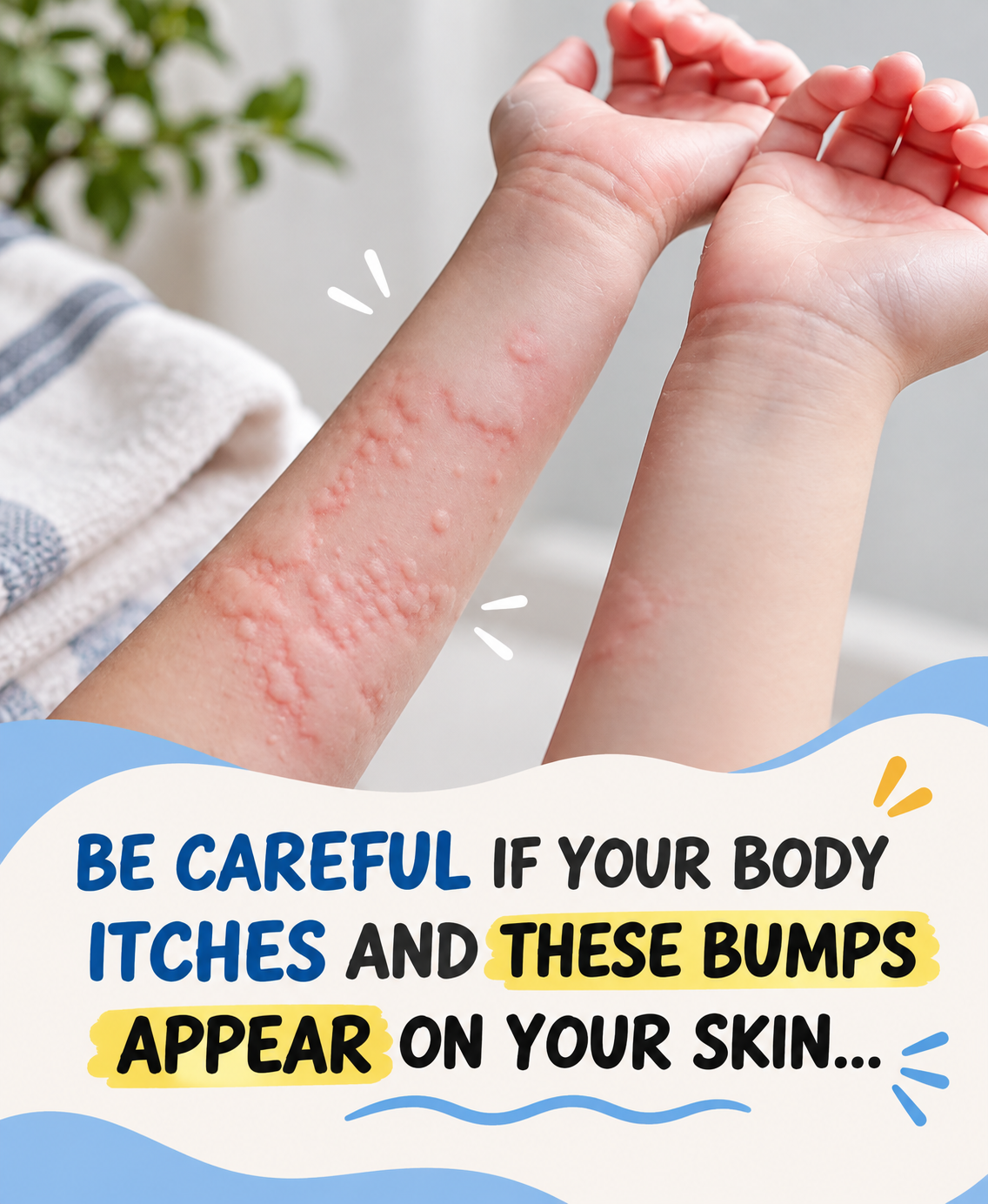
Hives often cause raised welts that itch intensely. The welts may look pink, red, pale, or similar to the surrounding skin, depending on a person’s natural skin tone and the severity of the reaction.
Their size can also vary dramatically. A hive may resemble a small bump at first. However, several welts can join together and form a much larger patch.
One especially useful clue involves how quickly individual welts change. A single hive often disappears within 24 hours. Meanwhile, another may appear somewhere else. Therefore, someone can experience hives for several days even though each individual welt lasts for a much shorter period.
Hives develop when certain cells in the skin release histamine and other chemical mediators. These chemicals affect small blood vessels and nerves. As a result, fluid can move into surrounding tissue, producing swelling, redness, and itching.
Scratching may provide temporary relief, but it can irritate the skin further. Additionally, some people develop raised marks after scratching or applying pressure. Doctors call this dermatographism.
Although these features commonly occur with hives, appearance alone cannot confirm the diagnosis. Other skin conditions can look remarkably similar.
Why Sudden Bumps Do Not Always Mean an Allergy
People often associate sudden hives with food allergies. Allergies can certainly cause them. Nevertheless, many cases have nothing to do with a specific food.
Viral infections can trigger hives, particularly in children. Medications may also cause reactions. In addition, heat, cold, exercise, sweating, pressure, sunlight, and other physical factors can provoke symptoms in susceptible people.
Other conditions can produce itchy skin and sudden bumps without causing true hives. Contact dermatitis, for example, develops when the skin reacts to an irritant or allergen that touches it. Soaps, fragrances, cosmetics, plants, metals, cleaning products, and other substances may contribute.
Insect bites can cause clustered itchy bumps. Heat rash can produce small irritated spots after heavy sweating. Eczema may cause itchy, inflamed areas that persist longer than typical hives.
Scabies can also cause intense itching and small bumps. The itching often becomes especially troublesome at night.
Therefore, avoid assuming that every sudden rash represents a food allergy. The location, duration, timing, exposures, and accompanying symptoms all provide important clues.
Common Causes and Triggers to Consider
Foods, Medicines, Infections, and Environmental Exposures
When itchy skin and sudden bumps appear, think about recent changes and exposures rather than focusing on only one possible cause.
Food allergies can produce hives in susceptible people. Common food allergens include peanuts, tree nuts, shellfish, fish, milk, eggs, wheat, soy, and sesame. However, virtually any food could potentially cause an allergic reaction in someone who has an allergy to it.
A true allergic reaction may involve symptoms beyond the skin. For example, a person might develop swelling, vomiting, coughing, wheezing, dizziness, or breathing problems.
Medications provide another possible trigger. Antibiotics and some pain relievers can cause hives in certain people. However, never stop an important prescription medication solely because you suspect it caused a rash. Instead, contact the prescribing healthcare professional promptly for guidance unless emergency symptoms require immediate care.
Infections can trigger hives as well. In fact, a person may develop a rash during or shortly after an illness without having encountered a new allergen.
Meanwhile, everyday environmental exposures deserve attention. Consider new laundry detergents, soaps, lotions, cosmetics, household cleaners, plants, pets, latex products, or occupational substances.
Insect bites and stings can also cause localized swelling and itching. Occasionally, however, an insect sting can trigger a serious systemic allergic reaction.
The timing often provides valuable information. Therefore, write down what happened before the symptoms started.
Heat, Cold, Pressure, Exercise, and Stress
Physical factors can trigger hives in some people.
For instance, body heat and sweating may contribute to outbreaks. Exercise can also trigger small, itchy hives in susceptible individuals. Likewise, exposure to cold temperatures can cause a reaction in people with cold-induced urticaria.
Pressure provides another possible trigger. Tight clothing, straps, prolonged sitting, or pressure against the skin may cause swelling or welts in some people.
Sunlight and water can trigger uncommon forms of urticaria as well. Therefore, repeated symptoms under very specific circumstances deserve medical evaluation.
Stress presents a more complicated relationship. Emotional stress can worsen hives or coincide with an outbreak. However, simply blaming recurring symptoms on stress can overlook other causes.
Instead, look for patterns.
Did the bumps develop after a hot shower? Did they appear during exercise? Did a tight waistband leave raised welts? Did symptoms begin shortly after taking medication or recovering from an infection?
These observations can help a healthcare professional understand the problem.
Doctors generally call hives acute when symptoms continue for less than six weeks. When hives recur or persist for more than six weeks, they become chronic urticaria.
Importantly, chronic spontaneous urticaria often has no obvious external allergen. Therefore, endless attempts to identify a particular food may not reveal the answer.
When Itchy Bumps Need Medical Attention
Warning Signs of a Serious Allergic Reaction
Most isolated hives cause discomfort rather than danger. However, hives can occur during anaphylaxis, a potentially life-threatening allergic reaction.
Call emergency medical services immediately when sudden hives or other skin symptoms occur with difficulty breathing, wheezing, throat tightness, tongue or throat swelling, difficulty swallowing, fainting, severe dizziness, confusion, or other signs of a severe systemic reaction.
Do not wait for the rash to become worse before seeking help.
Some people also develop angioedema. This condition causes deeper swelling beneath the skin. It commonly affects the eyelids, lips, face, hands, feet, or other areas.
Although swelling around the eyes or lips can look dramatic, swelling involving the tongue or throat raises particular concern because it may affect the airway.
People who have already received an epinephrine auto-injector and an emergency action plan for severe allergies should follow that plan when symptoms suggest anaphylaxis. After using prescribed emergency epinephrine, they should still seek emergency medical care.
Additionally, remember that severe allergic reactions do not always look identical. A person can experience dangerous airway or circulation symptoms without developing dramatic hives.
Therefore, breathing, swallowing, consciousness, and overall condition matter more than the size or appearance of the rash.
Other Reasons to Contact a Healthcare Professional
Emergency symptoms require immediate action. However, several non-emergency situations also deserve professional assessment.
Contact a healthcare professional if itchy skin and sudden bumps keep returning, persist for an extended period, or interfere significantly with sleep and everyday activities.
Also seek medical advice when a rash becomes painful rather than simply itchy. Blisters, skin peeling, unusual bruising, persistent discoloration, fever, drainage, significant warmth, or other signs of infection deserve evaluation.
A typical individual hive usually fades within 24 hours without leaving a lasting mark. Therefore, lesions that remain fixed in exactly the same location for days or leave bruising may require a closer look.
Recurring symptoms after a specific food, medication, insect sting, or other exposure should also prompt medical discussion.
A clinician may review the timing, appearance, medications, recent illnesses, and potential environmental triggers. Depending on the pattern, additional evaluation may or may not prove necessary.
Not everyone with hives needs extensive allergy testing. In fact, broad testing without a clear clinical reason can sometimes create confusing results.
A focused history often provides more useful information. Therefore, record the details of each episode rather than trying to remember everything weeks later.
Managing Mild Symptoms and Tracking Possible Causes
Simple Ways to Reduce Itching and Irritation
When symptoms remain mild and no emergency warning signs exist, several simple measures may make the skin more comfortable.
First, avoid any clearly identified trigger when you can do so safely. For example, stop using a newly introduced cosmetic or skin product if symptoms consistently develop after applying it.
Next, keep the skin cool. Heat can intensify itching for some people. Therefore, cool compresses may provide temporary relief. Loose, lightweight clothing can also reduce friction and pressure against irritated areas.
Try not to scratch. Although scratching can feel satisfying for a moment, repeated scratching may damage the skin. Broken skin can then become irritated or infected.
Keep fingernails short if itching becomes difficult to resist. Additionally, use gentle, fragrance-free skin products when irritation accompanies the rash.
Antihistamines commonly help relieve itching from hives. However, different products have different effects, precautions, and dosing instructions. Follow the product label or guidance from a healthcare professional. Parents should seek appropriate dosing advice for children. Pregnant people, older adults, and anyone who takes other medications should also discuss suitable options with a qualified professional.
Finally, avoid experimenting with multiple medications or extreme elimination diets simply because the trigger remains unclear. A careful, measured approach usually provides better information.
How a Symptom Diary Can Reveal Patterns
A symptom diary can become surprisingly useful when itchy skin and sudden bumps repeatedly appear.
Record the date and approximate time when each outbreak starts. Then note where the bumps appear, how long individual spots remain, and whether they move or change.
Taking photographs can also help because the rash may disappear before a medical appointment.
Next, record potentially relevant exposures. Include meals, snacks, medications, supplements, exercise, alcohol, new personal-care products, laundry products, insect exposure, heat, cold, pressure, recent illnesses, and unusual activities.
Also note additional symptoms. Lip swelling, stomach symptoms, coughing, dizziness, fever, joint discomfort, or breathing changes can significantly change how a clinician interprets the episode.
However, avoid turning the diary into a reason to fear ordinary foods or activities. The goal involves identifying consistent patterns, not finding a culprit after every outbreak.
For example, one episode after eating shrimp does not automatically prove a shellfish allergy. However, hives that repeatedly develop shortly after the same food deserve professional evaluation.
Likewise, recurring welts after exercise or cold exposure may suggest a physical trigger.
Over time, a simple record can transform a confusing series of outbreaks into useful information for your healthcare provider.
Frequently Asked Questions
1. Why did itchy bumps suddenly appear on my skin?
Several conditions can cause sudden itchy bumps. Hives represent one common possibility, but insect bites, contact dermatitis, heat rash, eczema, infections, medications, and other conditions may produce similar symptoms. Pay attention to how quickly the lesions change and whether other symptoms appear.
2. How can I tell whether my bumps are hives?
Hives typically form raised, itchy welts that can change shape, size, and location. Individual welts often disappear within 24 hours while new ones appear elsewhere. However, a healthcare professional may need to examine persistent, unusual, or recurring rashes to determine the cause.
3. Can hives happen even if I have no allergies?
Yes. Infections, physical triggers, medications, and other factors can cause hives. Chronic spontaneous urticaria may also occur without an identifiable external allergen. Therefore, hives do not automatically mean you have developed a food allergy.
4. When should I worry about itchy skin and sudden bumps?
Seek emergency care if the rash accompanies difficulty breathing, wheezing, swelling of the tongue or throat, trouble swallowing, fainting, severe dizziness, or other symptoms suggesting anaphylaxis. You should also seek medical evaluation for persistent, painful, blistering, bruising, infected-looking, or repeatedly recurring rashes.
5. Should I get allergy testing for recurring hives?
Not necessarily. Allergy testing may help when symptoms repeatedly follow a specific exposure. However, chronic hives often have no single identifiable allergen. A healthcare professional can review your history and decide whether targeted testing would provide useful information.
Conclusion
Itchy skin and sudden bumps can result from many different causes. Hives remain a common explanation, especially when raised, intensely itchy welts appear quickly, disappear within hours, and then develop elsewhere.
However, allergies represent only one possibility. Infections, medications, insect bites, contact reactions, heat, cold, pressure, exercise, and other skin conditions can produce similar symptoms.
Therefore, focus on the overall pattern rather than the appearance of one bump. Track when symptoms develop, how long they last, what exposures occurred beforehand, and whether additional symptoms appear.
Most importantly, recognize emergency warning signs. Trouble breathing, throat or tongue swelling, difficulty swallowing, fainting, or severe dizziness alongside a sudden reaction requires immediate emergency care.
For mild symptoms, cooling the skin, reducing irritation, avoiding a clearly known trigger, and using appropriate treatments under label or professional guidance may help. Meanwhile, recurring or persistent outbreaks deserve medical evaluation.
A sudden rash can certainly look frightening. Still, careful observation and awareness of the warning signs can help you decide what to do next.
More Blog
- Drinking Water on an Empty Stomach — What Science Actually Supports (No Hype, Just Facts)
- Waking Up Between 3 and 5 AM? It Might Be Your Soul Trying to Talk to You
- What a “Bleach” Patch on Your Underwear Really Means — And Why It’s Actually a Good Sign
- This Drink May Weaken Your Bones From The Inside — But Everyone Drinks It Anyway