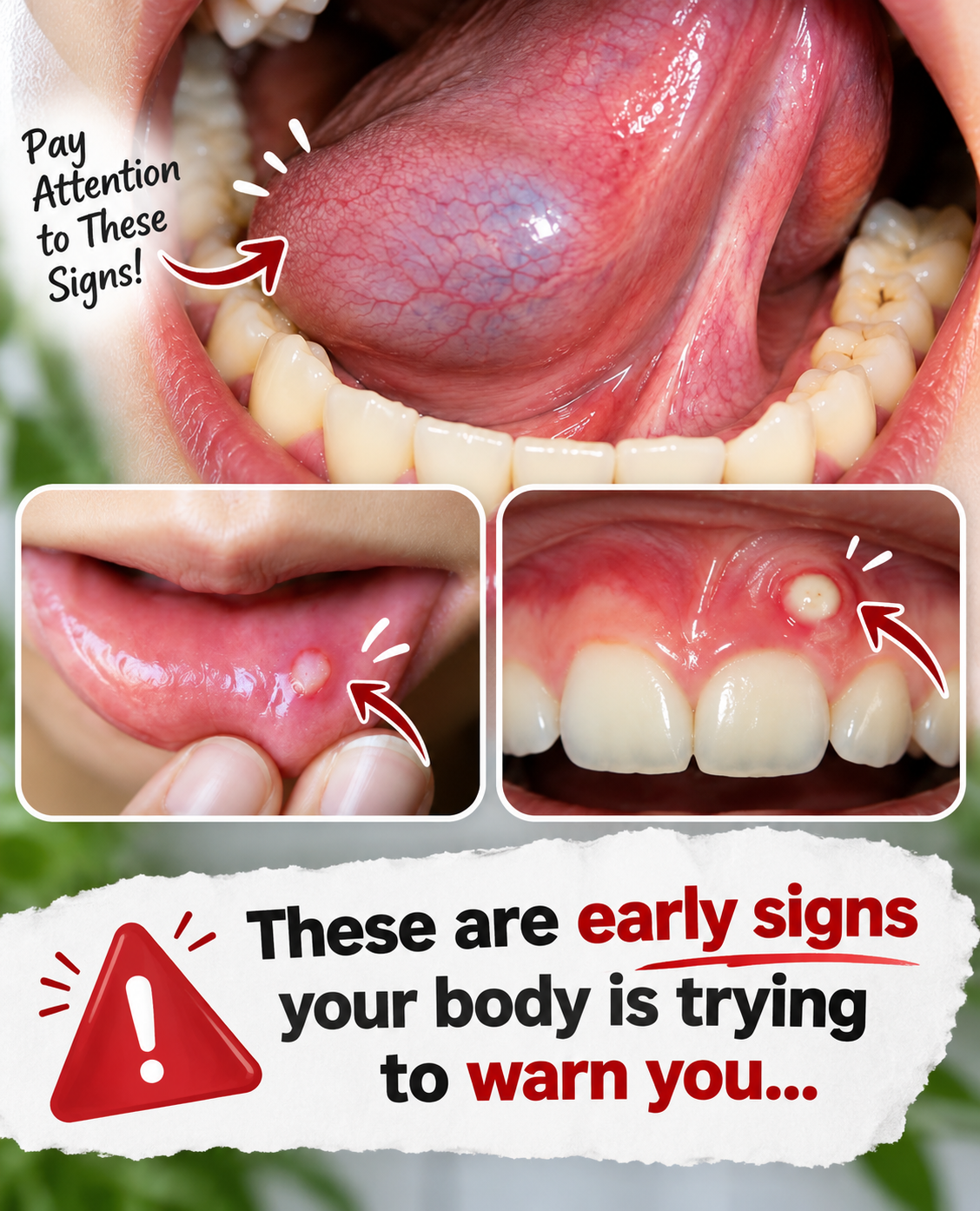
Hidden Dangers in Your Mouth can sometimes begin with changes that look surprisingly minor. A small sore, a white patch, a red area, unexplained numbness, or discomfort while swallowing may seem easy to ignore. In many cases, these symptoms come from harmless causes such as irritation, dental problems, or minor infections. However, when an unusual change persists, keeps returning, or gradually worsens, it deserves professional attention.
Oral cancer can affect the lips, tongue, gums, inner cheeks, floor of the mouth, and other nearby tissues. Early disease may cause few obvious symptoms. Therefore, routine dental care and awareness of persistent changes can make an important difference.
I once knew someone who kept blaming a small sore inside the mouth on accidentally biting the cheek. It was not especially painful, so it seemed easy to dismiss. After several weeks, however, the sore remained in the same place. A dental visit finally led to further evaluation. The experience was a strong reminder that pain does not determine whether a mouth change matters. Many minor sores heal naturally within a short period. When something refuses to heal, changes in appearance, or develops alongside swallowing problems, a lump, numbness, or unexplained bleeding, getting it checked can be far more useful than continuing to wait.
Understanding Hidden Dangers in Your Mouth
Where Oral Cancer Can Develop
Oral cancer refers to cancer that develops in tissues of the mouth and closely related areas. It can affect several locations, and symptoms may vary depending on where the abnormal cells begin.
The lips represent one possible site. Persistent sores, crusting, thickening, or unusual color changes on the lip may require evaluation, particularly when they do not heal.
The tongue can also develop cancer. Changes may appear along the sides, underneath, or toward the back. Some people notice discomfort, a persistent ulcer, a firm area, or difficulty moving the tongue normally.
The gums and inner cheeks can also become affected. In these locations, changes may initially resemble irritation from dentures, dental appliances, rough teeth, or accidental biting.
Cancer may also develop on the floor of the mouth beneath the tongue or on the roof of the mouth.
Because several harmless dental and skin conditions can cause similar changes, appearance alone cannot confirm cancer.
That is why the hidden dangers in your mouth often involve persistence rather than one dramatic symptom.
A mouth ulcer that heals in several days tells a different story from one that remains for weeks. Likewise, a white patch that disappears after irritation resolves differs from one that gradually becomes thicker or larger.
Regular dental examinations can help because dentists routinely inspect areas that people rarely examine themselves.
Why Early Changes Can Be Easy to Miss
The mouth changes constantly.
People accidentally bite their cheeks. Hot foods burn the tongue. Dentures rub against gums. Sharp teeth can irritate nearby tissue. Canker sores appear and disappear. Minor infections can also cause temporary changes.
Therefore, many people become accustomed to ignoring mouth symptoms.
That response makes sense when symptoms resolve quickly. However, the problem begins when a persistent change gets repeatedly explained away without evaluation.
Early oral cancer may not produce severe pain.
In fact, a lesion can remain relatively painless for some time. Because many people associate serious disease with strong pain, they may assume a painless spot cannot matter.
That assumption can delay evaluation.
The hidden dangers in your mouth may also remain difficult to see. Areas beneath the tongue, behind the back teeth, or toward the throat do not appear easily in a mirror.
Additionally, color changes may look subtle.
A white patch might blend into nearby tissue. A red patch may resemble irritation. A small lump may only become noticeable when chewing or swallowing.
For this reason, pay attention to duration and progression.
If an abnormal area does not improve, keeps recurring in exactly the same location, or changes over time, schedule an examination.
Early evaluation does not mean assuming cancer. Instead, it gives a qualified professional the chance to identify the actual cause.
Warning Signs That Deserve Medical Attention
Persistent Sores, Patches, Lumps, and Bleeding
One of the best-known warning signs involves a sore that does not heal.
Most minor mouth ulcers improve over time. Therefore, a persistent ulcer that remains for roughly two weeks or longer deserves professional assessment.
Red or white patches also require attention when they persist without an obvious explanation.
White patches can develop from several causes, including irritation, infection, and other oral conditions. Likewise, red patches can result from inflammation or trauma.
However, certain persistent patches may represent precancerous or cancerous changes.
A lump or area of thickening can also matter.
You might notice it inside the cheek, along the gumline, beneath the tongue, or in the neck.
Unexplained bleeding provides another reason to seek an examination. Bleeding gums commonly occur with gum disease, so bleeding alone does not mean cancer. Still, repeated bleeding from an unexplained lesion should not be ignored.
The hidden dangers in your mouth often become more concerning when several symptoms occur together.
For example, a persistent ulcer combined with a neck lump, unexplained numbness, or swallowing difficulty deserves prompt evaluation.
Changes in dentures can also offer clues. If dentures that previously fit well suddenly become uncomfortable because of swelling or a new lump, mention that change to your dentist.
The key involves noticing what is new, persistent, or progressively different.
Numbness, Swallowing Problems, and Voice Changes
Not every warning sign appears as a visible spot.
Sometimes the first noticeable change involves how the mouth or throat feels.
Persistent numbness of the lip, tongue, chin, or another area deserves attention, especially when it appears without an obvious dental cause.
Difficulty swallowing can also develop.
Some people describe a feeling that food gets stuck. Others notice pain while swallowing or the persistent sensation of something sitting in the throat.
Chewing may become uncomfortable as well.
Jaw stiffness or difficulty opening the mouth can occasionally accompany more serious oral conditions, although dental problems and jaw disorders can cause similar symptoms.
Changes in the voice may also matter. Persistent hoarseness or a voice that sounds different without an obvious respiratory illness deserves evaluation when it continues.
Ear pain can sometimes accompany problems in the mouth or throat, especially when the ear itself appears normal.
Unexplained weight loss may occur in advanced disease, although many other medical conditions can cause weight changes.
Because these symptoms are not specific, one symptom alone rarely proves anything.
Still, the hidden dangers in your mouth become easier to recognize when you focus on patterns.
A symptom that lasts a day or two may result from temporary irritation. A symptom that continues for weeks, worsens, or appears alongside visible mouth changes requires a different response.
Professional evaluation remains the safest way to identify the cause.
Risk Factors That Can Raise Concern
Tobacco, Alcohol, and HPV
Tobacco use remains one of the most important risk factors for cancers of the mouth and throat.
Smoking cigarettes, cigars, or pipes exposes oral tissues to carcinogenic substances repeatedly. Smokeless tobacco can also increase risk because it keeps harmful chemicals in prolonged contact with tissues inside the mouth.
Reducing or stopping tobacco use can therefore lower risk over time.
Alcohol adds another concern, especially when someone drinks heavily.
Tobacco and heavy alcohol use can interact, creating a higher combined risk than either factor alone.
However, people who never smoke or drink can still develop oral or throat cancers.
Human papillomavirus, particularly certain high-risk strains, plays an important role in some cancers of the oropharynx, which includes areas toward the back of the throat and base of the tongue.
This distinction matters because HPV-related cancers often occur in people who do not fit the traditional risk profile associated with tobacco.
Therefore, the hidden dangers in your mouth should not be dismissed simply because you consider yourself low risk.
Age also influences risk, since many oral cancers occur more often in older adults. Still, younger adults can develop them as well.
No one should ignore a persistent suspicious symptom solely because of age.
Understanding personal risk can help determine how seriously to take recurring or unexplained changes.
However, symptoms always matter more than trying to calculate your risk on your own.
Sun Exposure, Oral Health, and Other Factors
Long-term sun exposure can increase the risk of cancer on the lips, particularly the lower lip.
People who work outdoors or spend substantial time in strong sunlight may benefit from protecting their lips with suitable sun protection.
Oral hygiene also plays a role in overall mouth health.
Poor dental care can contribute to chronic inflammation, gum disease, infections, and tooth problems. These conditions may not directly explain every oral cancer case, but they can make it harder to recognize abnormal changes early.
Regular dental visits therefore provide two benefits.
First, they help prevent common dental disease.
Second, they give a trained professional repeated opportunities to inspect the mouth.
Diet can also contribute to general health. Eating a varied diet that includes fruits and vegetables supports overall nutrition and provides many protective nutrients.
Family history and genetics may influence cancer risk in some people as well.
Still, having one risk factor does not mean you will develop cancer.
Likewise, having no obvious risk factors does not guarantee complete protection.
That is why awareness of the hidden dangers in your mouth should remain practical rather than fearful.
You do not need to examine your mouth obsessively.
Instead, notice persistent sores, unusual patches, lumps, unexplained bleeding, numbness, swallowing changes, or other symptoms that fail to improve.
Then act on those changes instead of repeatedly postponing a dental or medical visit.
What Happens After a Suspicious Oral Change Is Found
Examination, Referral, and Diagnosis
If you visit a dentist or doctor because of a persistent mouth change, the evaluation usually begins with a careful history and physical examination.
The clinician may ask when you first noticed the problem, whether it has changed, and whether it causes pain, numbness, bleeding, or difficulty eating.
They may also ask about tobacco use, alcohol use, medications, dental appliances, previous infections, and other medical history.
Next, they will inspect the mouth and surrounding tissues.
They may feel the neck for enlarged lymph nodes and examine the tongue, gums, cheeks, lips, and throat.
Many abnormalities turn out to be noncancerous.
However, when a lesion looks suspicious or fails to heal, additional testing may become necessary.
A biopsy provides the most definitive way to determine whether abnormal cells are cancerous.
During a biopsy, a clinician removes a small tissue sample and sends it to a laboratory for examination.
Imaging may also become useful if cancer is confirmed or strongly suspected.
The hidden dangers in your mouth become much easier to address once the exact diagnosis is clear.
Avoid assuming that every referral or biopsy means cancer.
Doctors perform these tests precisely because many different conditions can look similar.
A proper diagnosis replaces guesswork with evidence and allows the next steps to match the actual condition.
Treatment and Why Early Detection Matters
Treatment depends on where the cancer begins, its size, whether it has spread, and the person’s overall health.
Surgery may remove the tumor when doctors can safely take it out.
Some patients also need reconstruction to restore function or appearance after surgery.
Radiation therapy uses high-energy treatment to damage cancer cells.
Chemotherapy may work alongside radiation or other treatments in certain situations.
Targeted therapy focuses on specific molecular features involved in cancer growth.
Immunotherapy can help the immune system recognize and attack cancer cells in some advanced cases.
Doctors often combine approaches.
A multidisciplinary team may include surgeons, oncologists, radiation specialists, dentists, speech therapists, nutrition professionals, and rehabilitation experts.
Earlier cancers often allow more treatment options and may require less extensive intervention than advanced disease.
That is one reason recognizing the hidden dangers in your mouth matters.
The goal is not to become alarmed by every canker sore.
Instead, the goal is to catch the exception: the lesion, patch, lump, or functional change that does not behave like a typical temporary problem.
If something persists, get it examined.
That simple decision can shorten the time between the first warning sign and a clear diagnosis.
Frequently Asked Questions
1. What are the earliest signs of oral cancer?
Early signs may include a mouth sore that does not heal, persistent red or white patches, a lump or thickened area, unexplained bleeding, numbness, or changes in chewing and swallowing. These symptoms can also come from noncancerous conditions, so persistent changes require professional evaluation.
2. How long should a mouth sore last before I get it checked?
Many minor sores improve within about one to two weeks. If a sore lasts longer than roughly two weeks, keeps returning in the same place, enlarges, bleeds, or develops unusual features, schedule a dental or medical examination.
3. Can oral cancer develop without pain?
Yes. Early oral cancer may cause little or no pain. That is why painless sores, patches, lumps, or areas of numbness should not automatically be dismissed when they persist.
4. Can someone get oral cancer without smoking?
Yes. Smoking greatly increases risk, but oral and throat cancers can occur in people who have never used tobacco. Other factors, including alcohol use, certain HPV infections, age, sun exposure to the lips, and individual biology, can contribute.
5. Who should examine a suspicious area in the mouth?
A dentist, primary care clinician, oral surgeon, ear-nose-and-throat specialist, or another appropriately trained healthcare professional can evaluate suspicious mouth changes. If the area looks concerning, they may recommend a biopsy or referral for further testing.
Conclusion
The hidden dangers in your mouth often do not begin with dramatic pain or obvious illness.
A persistent sore, unexplained white or red patch, small lump, area of numbness, or difficulty swallowing may seem easy to dismiss.
Fortunately, most mouth changes have causes other than cancer.
Dental irritation, infections, canker sores, gum problems, and other common conditions can create similar symptoms.
The difference often comes down to persistence and progression.
A sore that heals normally usually requires little concern. A sore that remains for weeks deserves evaluation.
Likewise, a patch that disappears after irritation resolves differs from one that stays, grows, thickens, or bleeds.
Tobacco use, heavy alcohol use, certain HPV infections, age, and long-term sun exposure can raise risk. However, oral cancer can also affect people without obvious risk factors.
Therefore, do not use your risk profile as a reason to ignore persistent symptoms.
Routine dental examinations can help identify unusual areas early, including places that are difficult to inspect at home.
If you notice one of the hidden dangers in your mouth, especially a persistent ulcer, unexplained lump, unusual patch, numbness, swallowing difficulty, or recurring bleeding, arrange an evaluation instead of waiting indefinitely.
Early attention does not mean expecting the worst.
It means giving yourself the best opportunity to identify the real cause while treatment options remain as straightforward as possible.
More Blog
- Drinking Water on an Empty Stomach — What Science Actually Supports (No Hype, Just Facts)
- Waking Up Between 3 and 5 AM? It Might Be Your Soul Trying to Talk to You
- What a “Bleach” Patch on Your Underwear Really Means — And Why It’s Actually a Good Sign
- This Drink May Weaken Your Bones From The Inside — But Everyone Drinks It Anyway