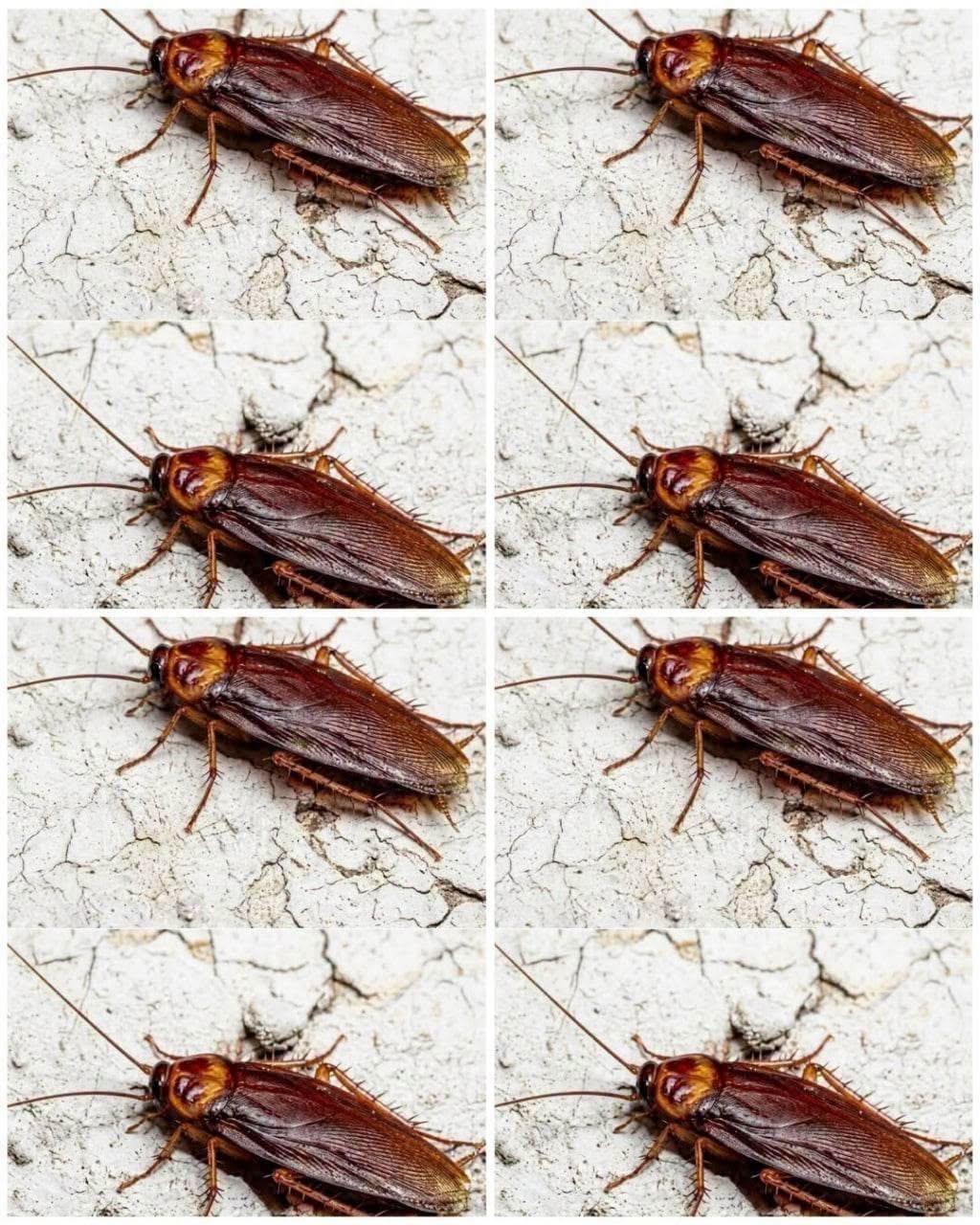
Did You Know That If Cockroaches Come to Your Home, It’s a Sign That your living space may be providing something they need. Although seeing a cockroach can feel alarming, its presence does not automatically mean your home is dirty. Instead, cockroaches usually enter homes while searching for food, water, shelter, and easy access.
Fortunately, you can address each of these conditions with practical changes. You can clean up accessible food, remove moisture, reduce hiding places, and seal openings. Moreover, knowing what attracts cockroaches helps you focus on the source instead of simply reacting whenever you see one.
The first time I found a cockroach late at night, I immediately wondered whether I had overlooked something while cleaning. However, after checking the kitchen carefully, I noticed moisture beneath the sink and several cardboard boxes stored nearby. That discovery changed how I approached the problem. I dried the cabinet, addressed the leak, removed the cardboard, cleaned food residue around the appliances, and inspected gaps around the plumbing. Over the following days, I realized that pest prevention depends less on constant deep cleaning and more on removing the basic resources pests need. Small, consistent habits made the entire kitchen easier to maintain.
What Cockroaches in Your Home Can Indicate
Food and Water Sources Can Attract Them
Did You Know That If Cockroaches Come to Your Home, It’s a Sign That accessible food may be available somewhere nearby? Cockroaches can feed on crumbs, grease, pet food, food residue, and improperly stored pantry products. Therefore, even a kitchen that looks clean at first glance may offer enough food for pests.
Start by inspecting places that ordinary cleaning sometimes misses. For example, look underneath the toaster, beside the refrigerator, behind the stove, and around pet feeding areas. Also, wipe sticky residue from cabinet shelves and pantry containers.
Store flour, cereal, sugar, rice, crackers, and similar foods in tightly sealed containers whenever possible. Additionally, clean dirty dishes instead of leaving them overnight. If pets eat in the kitchen, remove leftover food before bedtime.
Water matters just as much. In fact, persistent moisture can make an otherwise tidy home attractive to cockroaches.
Check underneath sinks for slow leaks. Then inspect faucets, dishwasher connections, refrigerator water lines, and areas around toilets. You should also wring out wet cloths and sponges and allow them to dry.
Because cockroaches often become active after dark, a dry kitchen at bedtime gives them fewer resources. Therefore, wiping the sink and counters before turning off the lights can become a useful nightly habit.
Shelter and Easy Access Matter Too
Cockroaches prefer protected spaces where they can remain hidden. Consequently, clutter can provide convenient shelter even when it contains no food.
Cardboard deserves particular attention. Corrugated boxes contain narrow spaces that create excellent hiding places. Therefore, avoid keeping unnecessary shipping and grocery boxes indoors for long periods. Instead, recycle them promptly and use washable plastic storage containers when appropriate.
Next, examine cabinets, utility areas, and spaces behind large appliances. Reduce piles of paper and other rarely moved materials. Furthermore, keep storage areas organized enough that you can inspect them easily.
Access represents the fourth major factor. Cockroaches can enter through surprisingly small gaps. So, inspect spaces around pipes, doors, windows, vents, and baseboards.
Use appropriate sealant for cracks and gaps. In addition, replace damaged weather stripping around exterior doors and repair loose screens.
If you live in an apartment or connected building, pests may also travel between units through shared walls and utility openings. Therefore, recurring activity may require coordinated building maintenance rather than cleaning one apartment alone.
How to Make Your Kitchen Less Attractive to Cockroaches
Create a Simple Nightly Cleaning Routine
Did You Know That If Cockroaches Come to Your Home, It’s a Sign That a few small household habits may need attention? You do not need to deep-clean your entire home every evening. Instead, focus on the places where food and moisture accumulate.
Begin with the kitchen counters. Wipe away crumbs, spills, grease, and sugary residue. Next, sweep or vacuum the floor around food preparation and eating areas. Pay special attention to spaces beneath cabinets and appliances.
Then wash or load dirty dishes. Afterward, clean the sink and remove standing water. Also, place damp dishcloths and sponges where air can circulate around them.
Take care of pet feeding areas as well. Clean spilled kibble, and store pet food in a tightly closed container. Moreover, avoid leaving large amounts of food exposed overnight unless your pet’s feeding requirements make that necessary.
Trash management also helps. Use a trash can with a secure lid, especially when the bin contains food waste. If a bag contains strong-smelling scraps, take it outside regularly rather than allowing residue to accumulate.
These actions take only a few minutes. Nevertheless, consistency makes them effective because they repeatedly remove the resources cockroaches seek.
Inspect the Hidden Areas You Rarely See
Visible surfaces tell only part of the story. Therefore, inspect places that remain dark and undisturbed.
Pull movable appliances away from walls when you can do so safely. Then check for grease, crumbs, droppings, shed skins, egg cases, or live insects. Additionally, inspect the cabinet beneath the kitchen sink because plumbing openings and moisture can make this area particularly attractive.
Look around the dishwasher and refrigerator as well. Condensation or leaking connections can create moisture that remains unnoticed.
Next, inspect pantry shelves. Discard damaged food packaging and clean spilled dry ingredients. Transfer vulnerable foods into sealed containers.
If you find evidence repeatedly, monitor the area rather than relying only on occasional sightings. Sticky monitoring traps can help identify where cockroaches travel. However, place them according to their label directions and keep them away from children and pets when required.
Most importantly, do not treat cleanliness as the only solution. Cleaning removes food and clutter, but a substantial infestation often requires targeted pest-control measures.
Safe and Effective Ways to Control Cockroaches
Choose Proven Control Methods
Did You Know That If Cockroaches Come to Your Home, It’s a Sign That prevention alone may not solve an established infestation? Once cockroaches reproduce indoors, you may need a more targeted approach.
First, continue removing food and water because control products work better when pests have fewer competing resources. Then use products specifically labeled for cockroach control according to the manufacturer’s instructions.
Cockroach gel baits and enclosed bait stations can provide effective control because foraging cockroaches consume the bait and return to their hiding areas. Place bait near activity zones rather than randomly throughout the room. For example, suitable locations may include protected areas beneath sinks, near plumbing penetrations, behind appliances, and along travel routes, provided the product label allows those placements.
Replace depleted or contaminated bait according to the label. Additionally, avoid spraying repellent insecticides directly around bait because doing so may reduce the likelihood that cockroaches approach it.
Sticky traps can support your control plan by showing where activity remains highest. They can also help you determine whether the population decreases over time.
If activity continues despite careful sanitation and correctly used bait, contact a licensed pest-control professional. A professional can identify the species, locate harborages, and select appropriate treatments.
Be Careful With Popular Home Remedies
Online advice often recommends homemade mixtures of powdered sugar and baking soda. Although these mixtures remain popular, you should not depend on them as your primary solution for an infestation. Their effectiveness can vary, while professionally formulated cockroach baits offer more predictable control when used correctly.
Likewise, essential oils such as peppermint or eucalyptus may produce strong scents, but scent alone does not reliably eliminate an established cockroach population.
Bleach also should not serve as a cockroach treatment. Although you can use an appropriate cleaning product for sanitation, routine cleaning and pest control involve different goals. Furthermore, mixing bleach with other household chemicals can create dangerous fumes.
Therefore, focus on proven fundamentals: remove food, eliminate moisture, reduce clutter, seal access points, monitor activity, and use registered pest-control products exactly as directed.
Never apply pesticides to countertops, food, dishes, children’s toys, or other surfaces unless the product label specifically permits that use. Also, keep pest-control products in their original containers.
A simple approach usually works best. Instead of combining numerous homemade treatments, identify where the cockroaches live and target those areas carefully.
How to Prevent Cockroaches From Returning
Seal Cracks and Control Moisture
Did You Know That If Cockroaches Come to Your Home, It’s a Sign That you should inspect the physical condition of your home as well as your cleaning routine. Prevention works best when you remove both resources and entry routes.
Start with plumbing penetrations. Look where pipes enter walls beneath sinks, behind toilets, and near utility appliances. Seal appropriate gaps with materials suitable for the location.
Next, examine exterior doors. If daylight appears underneath a closed door, consider installing or replacing a door sweep. Similarly, repair damaged weather stripping.
Check window screens and frames. Also, inspect cracks around baseboards and cabinets.
Moisture control deserves equal attention. Repair dripping faucets and leaking pipes promptly. Additionally, investigate unexplained dampness rather than repeatedly wiping it away.
Ventilation can help in humid rooms. Therefore, use bathroom and kitchen ventilation appropriately, and address condensation problems if they persist.
Apartment residents should notify property management when cockroaches repeatedly appear despite reasonable control efforts. Shared plumbing and wall cavities can allow pests to move between neighboring units, so treating only one room may not address the source.
Know When the Problem Needs Professional Help
One cockroach does not always indicate a major infestation. However, repeated sightings deserve attention.
Cockroaches generally hide during daylight hours. Therefore, frequent daytime sightings can sometimes accompany a larger population, although circumstances vary.
Look for other evidence, including droppings, egg cases, shed skins, and repeated captures in monitoring traps. Also, pay attention to where you find them. Consistent activity around one cabinet or appliance can help identify a nearby hiding area.
Professional assistance becomes especially useful when cockroaches persist after sanitation, moisture control, sealing, and correctly applied baiting. Likewise, consider professional treatment when you discover extensive activity throughout several rooms.
Cockroach debris can contribute to indoor allergens, while cockroaches can contaminate surfaces and food. Consequently, persistent infestations deserve practical attention rather than embarrassment.
Most importantly, avoid assuming that their presence defines the condition of your entire home. Cockroaches can enter through packages, plumbing routes, structural gaps, neighboring units, and other pathways.
Instead, treat the sighting as useful information. Find the food. Check the water. Reduce shelter. Seal access. Then monitor the results and escalate your control strategy when necessary.
Frequently Asked Questions
Does having cockroaches mean my house is dirty?
No. Poor sanitation can provide cockroaches with more food, but clean homes can still experience infestations. Moisture, structural openings, neighboring infestations, packages, and shared plumbing can also contribute. Therefore, focus on finding the source instead of blaming housekeeping alone.
Why do cockroaches usually appear at night?
Cockroaches generally remain hidden during daylight and forage when conditions become darker and quieter. Consequently, people often notice them after turning on a kitchen or bathroom light at night.
Does baking soda kill cockroaches?
Baking soda and sugar mixtures appear frequently in home-remedy advice, but you should not rely on them for consistent infestation control. Instead, combine sanitation, moisture reduction, exclusion, monitoring, and properly labeled cockroach-control products.
What attracts cockroaches most?
Food, moisture, shelter, and access attract cockroaches. Crumbs, grease, pet food, leaking pipes, cardboard, clutter, and structural gaps can all support them. Therefore, removing several of these conditions at once provides a stronger prevention strategy.
When should I call pest control?
Consider professional help when you repeatedly see cockroaches, discover numerous egg cases or droppings, notice daytime activity, or continue finding them after using appropriate prevention and control measures. Professional treatment can also help in multi-unit buildings where the source may extend beyond one residence.
Conclusion
Did You Know That If Cockroaches Come to Your Home, It’s a Sign That you should check four basic conditions: food, water, shelter, and access. A sighting does not automatically mean your home is dirty, and panic will not help you identify the source.
Instead, inspect your kitchen and bathroom carefully. Clean accessible food residue, repair moisture problems, remove unnecessary cardboard and clutter, and seal suitable gaps around doors and plumbing. Additionally, monitor areas where you notice activity.
If cockroaches remain, use proven pest-control products according to their labels or contact a licensed professional. Avoid relying entirely on popular homemade remedies when an infestation has become established.
Small habits can make a meaningful difference. A dry sink, sealed pantry containers, clean floors, repaired leaks, and fewer hiding places create a much less inviting environment.
Ultimately, cockroaches are not mysterious messengers or signs of bad luck. Their presence usually points to practical conditions you can investigate. Once you understand those conditions, you can respond calmly, systematically, and effectively.
More Home Remedies
- Wrinkled Fingers After Water Exposure: What Your Skin May Be Telling You
- Skin Rash With Breathing Trouble? It Could Be a Life-Threatening Allergic Reaction
- I Thought It Was a Piece of Trash on the Bathroom Floor—Until It Moved
- If You Are Getting White Pimples on Your Lips or Intimate Area, Here’s What They Could Mean