Your fingernails can reveal more than most people realize. Changes in nail color, texture, or shape sometimes happen because of harmless everyday causes, while other times they may signal underlying health conditions worth paying attention to.
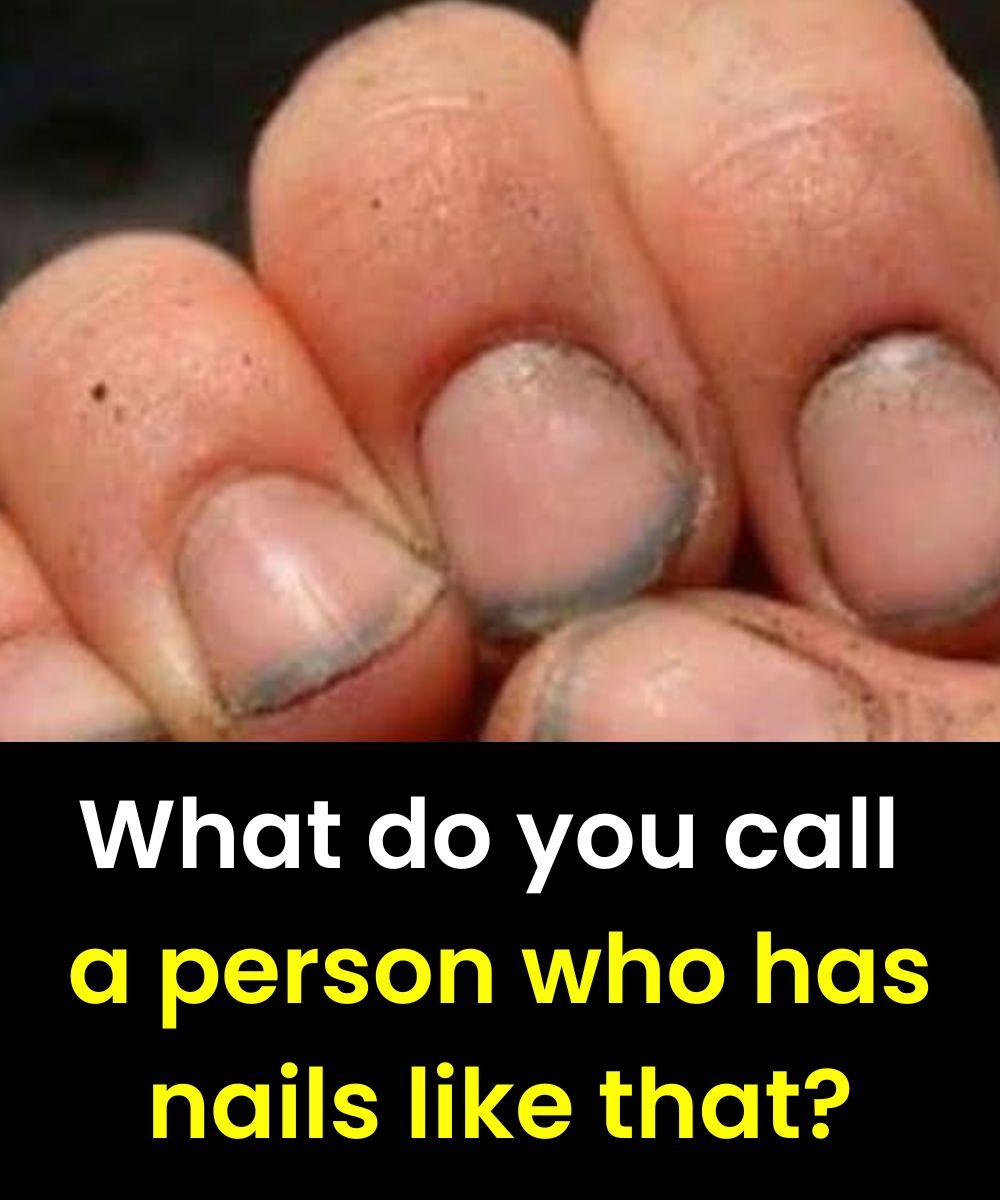
In the image above, the nails appear darker or bluish near the tips. While that appearance can occasionally result from dirt, staining, cold temperatures, or minor injury, persistent blue or gray discoloration should not be ignored.
What Causes Bluish or Dark Nails?
Several common conditions may affect nail color.
1. Poor Oxygen Circulation
Bluish nails can happen when blood is not carrying enough oxygen throughout the body.
Possible causes include:
- cold exposure
- circulation problems
- lung conditions
- heart-related issues
This condition is sometimes called cyanosis.
People may also notice:
- cold fingers
- shortness of breath
- fatigue
- dizziness
2. Smoking
Long-term smoking may darken nails and fingertips because of nicotine staining and reduced circulation.
Heavy smoking can also affect oxygen delivery throughout the body, which may contribute to bluish nail tones over time.
3. Dirt, Chemicals, or Occupational Exposure
People who work with:
- grease
- machinery
- chemicals
- dyes
- paint
- soil
may develop temporary discoloration under or around the nails.
Usually, the staining improves with cleaning or nail growth.
4. Nail Trauma
A bruise beneath the nail from injury may appear:
- blue
- purple
- black
- dark red
This is called a subungual hematoma.
Minor injuries often heal naturally as the nail grows out.
5. Fungal Infections
Certain fungal infections may cause nails to become:
- yellow
- brown
- gray
- thickened
- brittle
These infections are common and treatable.
6. Medication Side Effects
Some medications may darken nails, including:
- chemotherapy drugs
- certain antibiotics
- antimalarial medications
Always discuss unusual nail changes with a healthcare provider if you recently started a new medication.
When Nail Changes Could Signal Something More Serious
Occasionally, nail discoloration may point to underlying health concerns.
Seek medical attention if nail color changes occur alongside:
- chest pain
- breathing difficulties
- severe fatigue
- swelling
- persistent numbness
- sudden skin color changes
Persistent blue nails deserve evaluation, especially if they affect multiple fingers.
Other Nail Clues Worth Noticing
Nails can sometimes reflect nutritional or medical issues.
Pale Nails
May be linked to:
- anemia
- nutritional deficiencies
- chronic illness
Yellow Nails
Can occur with:
- fungal infections
- smoking
- chronic lung conditions
Spoon-Shaped Nails
May relate to:
- iron deficiency
This condition is called koilonychia.
Clubbed Fingertips
Rounded, enlarged fingertips may occasionally be associated with:
- lung disease
- heart disease
- digestive disorders
Healthy Nail Habits
Good nail care supports both appearance and overall nail health.
Keep Nails Clean And Dry
Moisture trapped around nails increases the risk of fungal infections.
Avoid Harsh Chemicals
Wear gloves when handling:
- cleaning products
- solvents
- strong detergents
Eat A Balanced Diet
Healthy nails benefit from nutrients like:
- iron
- biotin
- zinc
- protein
- omega-3 fats
Moisturize Hands And Cuticles
Dry, cracked skin around nails can increase irritation and infection risk.
Avoid Self-Diagnosing From Viral Images
Many social media posts exaggerate nail changes to create fear or shock.
A photo alone usually cannot diagnose:
- heart disease
- lung disease
- vitamin deficiencies
- circulation disorders
Lighting, camera filters, dirt, bruising, or staining may dramatically alter appearance.
Only a qualified medical professional can properly evaluate persistent nail abnormalities.
When To See A Doctor
Consider medical evaluation if:
- discoloration lasts several weeks
- nails become painful
- multiple nails change suddenly
- the nail lifts or thickens
- symptoms affect breathing or circulation
Early evaluation can provide reassurance or help identify treatable conditions.
Final Thoughts
Your nails are small, but they can sometimes offer useful clues about your health.
Most nail changes are harmless and temporary. However, persistent discoloration—especially blue, gray, or black changes—deserves attention rather than fear.
Pay attention to patterns, take care of your hands, and seek professional advice when something feels unusual.
Healthy awareness is always more valuable than panic.
More Home Remedies
- Wrinkled Fingers After Water Exposure: What Your Skin May Be Telling You
- Skin Rash With Breathing Trouble? It Could Be a Life-Threatening Allergic Reaction
- I Thought It Was a Piece of Trash on the Bathroom Floor—Until It Moved
- If You Are Getting White Pimples on Your Lips or Intimate Area, Here’s What They Could Mean