The Decision That Can Echo Long After the Moment Ends
It often begins innocently.
A conversation at a party.
A late-night message.
A connection that feels exciting, spontaneous, and impossible to ignore.
In today’s world, casual relationships and impulsive encounters are often portrayed as normal parts of modern dating. Movies, social media, and popular culture frequently focus on the thrill of attraction while rarely discussing what comes afterward.
Yet intimacy is rarely as simple as it appears.
Sexual relationships can involve physical, emotional, psychological, social, and even legal consequences that extend far beyond a single night.
This isn’t about judging personal choices.
It’s about recognizing that every meaningful decision carries potential outcomes, and understanding those outcomes allows people to make informed choices that protect their health, happiness, and future.
Whether you’re dating casually, seeking a long-term relationship, or simply navigating modern relationships, awareness remains one of the most powerful forms of protection.
Let’s examine the realities that are often overlooked.
Why Intimacy Matters More Than Many People Realize
Human beings are wired for connection.
Physical intimacy isn’t simply a biological act.
It involves:
- Hormonal responses
- Emotional vulnerability
- Trust
- Communication
- Personal boundaries
- Shared responsibility
While some people can comfortably separate sex from emotional attachment, others find the experience affects them more deeply than expected.
Neither response is wrong.
The important thing is understanding that intimacy has the potential to influence multiple areas of life.
The consequences may be positive, negative, or somewhere in between depending on the circumstances and the people involved.
Physical Health Considerations
One of the most obvious concerns involves physical health.
Although medical advances have improved prevention and treatment options, risks still exist.
Sexually Transmitted Infections (STIs)
Many sexually transmitted infections show few or no symptoms during the early stages.
A person may appear completely healthy while carrying an infection.
Common infections include:
- Chlamydia
- Gonorrhea
- Syphilis
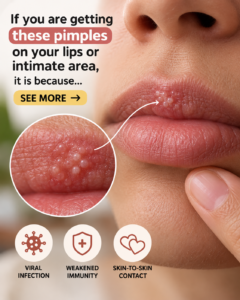
- Herpes
- Human papillomavirus (HPV)
- HIV
Because symptoms are often absent, relying solely on appearances or verbal reassurance can be risky.
Regular testing and safer-sex practices remain important safeguards.
The Reality of Asymptomatic Infections
One of the biggest misconceptions is the belief that someone would know if they had an infection.
In reality:
- Many infections remain unnoticed for months.
- Some produce very mild symptoms.
- Others may never produce obvious symptoms at all.
This is why routine screening plays such an important role in sexual health.
Unplanned Pregnancy
Even when contraception is used correctly, no method is completely foolproof.
Condoms can fail.
Birth control pills can be missed.
Unexpected situations can arise.
An unplanned pregnancy can create life-changing decisions involving:
- Parenting
- Co-parenting
- Adoption
- Financial responsibilities
- Long-term family planning
Understanding these possibilities beforehand is essential.
The Emotional Consequences People Rarely Discuss
Physical risks receive significant attention.
Emotional risks often receive far less.
Yet for many people, the emotional impact can be equally significant.
Attachment Happens Faster Than Expected
During physical intimacy, the body releases several hormones, including:
- Oxytocin
- Dopamine
- Endorphins
Oxytocin is often called the “bonding hormone” because it promotes feelings of trust, connection, and attachment.
As a result, people sometimes develop emotional feelings that exceed their original expectations.
Someone who intended to keep things casual may discover they want more.
If the other person does not feel the same way, disappointment can follow.
Emotional Mismatches
One of the most common sources of pain occurs when two people enter the same situation with different expectations.
For example:
One person may be seeking:
- A serious relationship
- Emotional connection
- Long-term commitment
While the other may want:
- Casual dating
- Physical companionship
- No future obligations
When expectations don’t align, misunderstandings and heartbreak often follow.
Regret and Self-Doubt
Not every encounter results in positive feelings afterward.
Some people experience:
- Regret
- Embarrassment
- Anxiety
- Confusion
- Self-criticism
These feelings don’t necessarily mean the decision was wrong.
However, they highlight the importance of checking in with your motivations beforehand.
The Importance of Trust
Trust is often underestimated.
Yet it may be the single most important factor in determining whether an experience becomes positive or negative.
When trust is absent, risks increase dramatically.
Questions arise:
- Is this person honest?
- Will they respect my boundaries?
- Can I rely on them if something goes wrong?
- Are they telling the truth about their intentions?
Trust takes time to build.
Unfortunately, attraction often moves much faster.
Personal Safety Concerns
Meeting someone new always involves a degree of uncertainty.
Most people are genuine.
Some are not.
Protecting personal safety should always remain a priority.
Recommended Safety Practices
Many experts recommend:
- Meeting in public first
- Sharing plans with a trusted friend
- Keeping your phone charged
- Arranging your own transportation
- Avoiding excessive alcohol consumption
- Trusting your instincts
If something feels wrong, it is perfectly acceptable to leave.
Personal safety is always more important than avoiding awkwardness.
Consent: The Foundation of Healthy Intimacy
Modern discussions about relationships increasingly emphasize consent, and for good reason.
Healthy intimacy requires:
- Clear communication
- Mutual respect
- Voluntary participation
- Ongoing agreement
Consent is not a one-time event.
It can be withdrawn at any time.
Both individuals should feel comfortable communicating boundaries openly and honestly.
Strong communication often prevents misunderstandings before they occur.
The Impact on Mental Health
Relationships can influence emotional well-being in powerful ways.
Positive relationships often contribute to:
- Confidence
- Happiness
- Emotional security
Negative experiences can contribute to:
- Anxiety
- Depression
- Stress
- Trust issues
Repeated experiences that leave a person feeling used, manipulated, or unappreciated can gradually affect self-esteem.
This is why emotional readiness matters just as much as physical readiness.
How Casual Encounters Can Affect Future Relationships
Past experiences often shape future behavior.
Positive experiences may increase confidence and emotional maturity.
Negative experiences may create:
- Fear of vulnerability
- Difficulty trusting others
- Emotional walls
- Relationship anxiety
Some people become reluctant to form deeper connections after being hurt.
Others may find themselves repeatedly seeking validation through short-term relationships.
Neither pattern typically leads to lasting fulfillment.
Awareness allows people to break unhealthy cycles before they become habits.
The Influence of Alcohol and Impaired Judgment
Many impulsive decisions occur under the influence of alcohol or other substances.
Alcohol can:
- Lower inhibitions
- Reduce judgment
- Increase risk-taking
- Impair communication
- Complicate consent
Situations that seem appealing in the moment may feel very different when viewed clearly the next day.
Making major decisions while impaired rarely leads to the best outcomes.
Questions Worth Asking Yourself
Before becoming intimate with someone, consider:
- Do I genuinely want this?
- Am I acting from confidence or loneliness?
- Do I trust this person?
- Are our expectations aligned?
- Will I feel comfortable with this decision tomorrow?
- Am I emotionally prepared for any outcome?
These questions are not designed to discourage intimacy.
They are designed to encourage self-awareness.
How to Protect Yourself
Healthy relationships begin with healthy habits.
Prioritize Communication
Discuss:
- Expectations
- Boundaries
- Relationship goals
- Sexual health
Open conversations may feel uncomfortable initially, but they prevent larger problems later.
Protect Your Physical Health
Use appropriate protection.
Get regular health screenings.
Know your status.
Encourage partners to know theirs as well.
Respect Your Boundaries
Boundaries exist for a reason.
If something doesn’t feel right, listen to yourself.
Move at a Pace That Feels Comfortable
There is no universal timeline.
Healthy decisions are rarely improved by pressure.
The Bottom Line
Sex is a normal and meaningful part of life.
For many people, it can be a source of joy, connection, and fulfillment.
However, intimacy is never completely consequence-free.
Physical health, emotional well-being, personal safety, trust, and future relationships can all be affected by the choices we make.
The goal is not fear.
The goal is awareness.
Understanding the possible consequences allows you to make decisions that align with your values, protect your well-being, and support the kind of life and relationships you want to build.
Attraction lasts a moment.
The effects of our choices can last much longer.
That is why the most important relationship in any situation is the one you have with yourself.
When you respect your own health, boundaries, and future, you’re far more likely to choose partners and situations that deserve your trust.
And that is a decision worth making every time.
More Home Remedies
- Wrinkled Fingers After Water Exposure: What Your Skin May Be Telling You
- Skin Rash With Breathing Trouble? It Could Be a Life-Threatening Allergic Reaction
- I Thought It Was a Piece of Trash on the Bathroom Floor—Until It Moved
- If You Are Getting White Pimples on Your Lips or Intimate Area, Here’s What They Could Mean