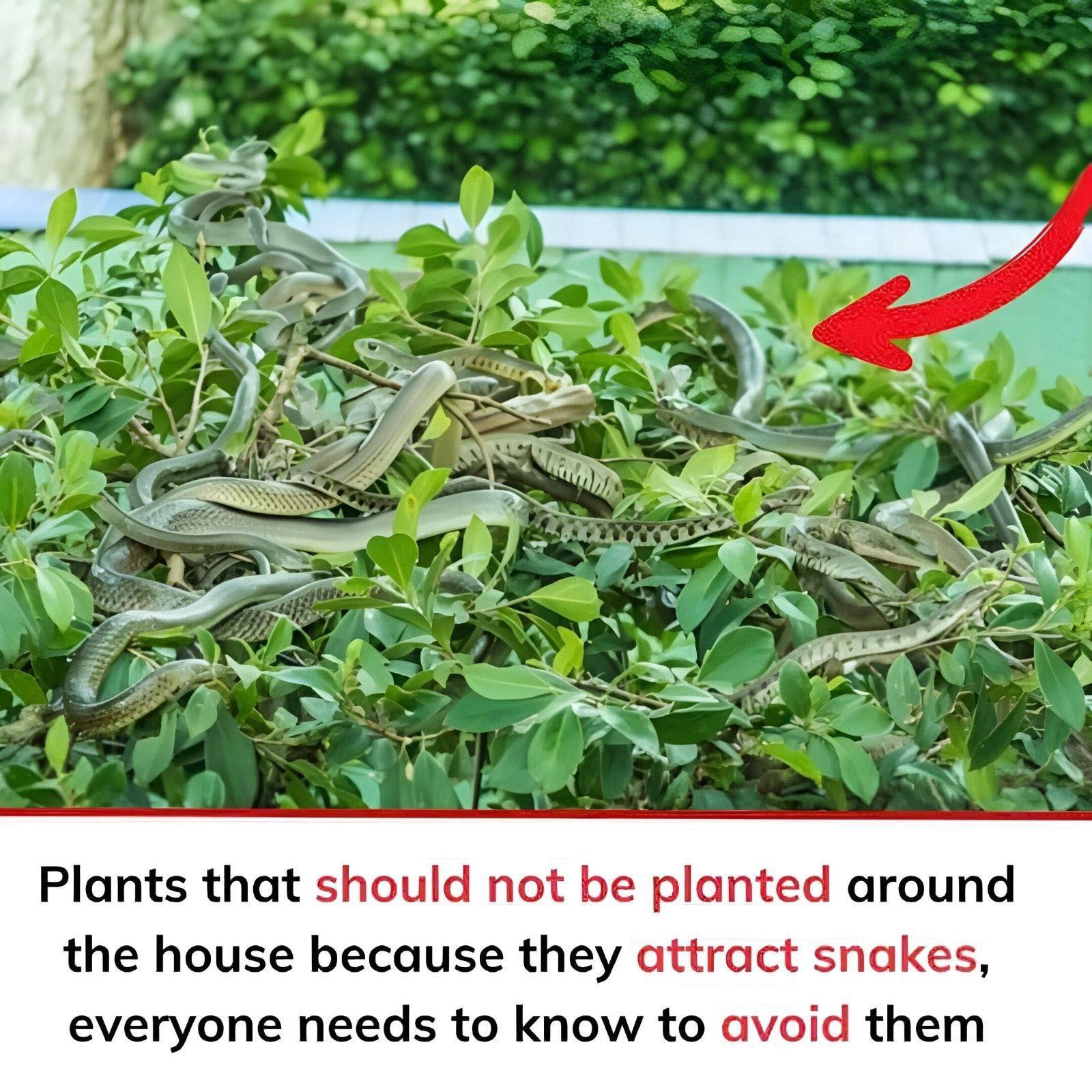
Many homeowners love filling their yards with beautiful plants, colorful flowers, and thick greenery. A healthy garden can create a peaceful atmosphere, provide shade, and improve the appearance of any home. However, certain landscaping choices may unintentionally create the perfect hiding places for snakes.
Snakes are naturally drawn to environments that offer shelter, moisture, food sources, and protection from predators. While plants themselves do not magically “invite” snakes into a yard, dense vegetation and cluttered garden areas can create conditions that snakes find attractive. Understanding which plants and landscaping habits may encourage snake activity can help homeowners create a safer and more comfortable outdoor space.
The idea of discovering a snake near the front porch or hidden in garden shrubs can make anyone uneasy. One summer afternoon, after trimming overgrown bushes near a backyard fence, several small snakes suddenly appeared from underneath thick ground cover. The shaded, damp area had become an ideal hiding spot without anyone realizing it. Since then, keeping plants trimmed and reducing dense vegetation has become an important part of yard maintenance. Small changes made a noticeable difference in keeping the area cleaner, safer, and less appealing to wildlife.
Why Snakes Appear Around Homes and Gardens
Snakes do not usually enter residential areas looking for people. Instead, they search for food, shelter, water, and cool hiding places.
Snakes Are Attracted to Safe Hiding Spots
Most snakes prefer quiet, protected environments where they can hide from predators and extreme temperatures. Dense plants, overgrown shrubs, wood piles, and cluttered landscaping create excellent shelter.
Snakes commonly hide in:
- Thick bushes
- Tall grass
- Ground cover plants
- Mulch beds
- Leaf piles
- Rock gardens
- Wood stacks
When vegetation becomes dense and poorly maintained, snakes can move through the area unnoticed.
Food Sources Also Play a Major Role
Snakes are often attracted to areas where food is abundant. Rodents, frogs, insects, birds, and lizards all attract snakes because they serve as prey.
Certain landscaping choices may unintentionally encourage:
- Mice
- Rats
- Small insects
- Moist environments
- Bird activity
Once prey animals become common in a yard, snakes may follow naturally.
Thick Ground Cover Plants Can Create Snake Shelter
Ground cover plants are popular because they reduce weeds and fill empty spaces beautifully. However, some varieties create cool, shaded hiding areas underneath.
Ivy and Dense Creeping Plants
English ivy and similar creeping plants spread quickly and form thick layers close to the ground. These shaded areas may attract snakes seeking protection from heat and predators.
Problems with dense ivy include:
- Limited visibility
- Damp soil underneath
- Easy hiding places
- Shelter for rodents
Although ivy itself does not attract snakes directly, the environment it creates can become appealing.
Regular trimming and thinning can reduce these risks while still maintaining attractive landscaping.
Pachysandra and Dense Ground Covers
Pachysandra, vinca, and other low-growing spreading plants may also create ideal hiding spaces when overgrown.
These plants:
- Hold moisture
- Provide shade
- Reduce airflow
- Create cool resting spots
Homeowners who prefer ground cover should keep plants trimmed and avoid allowing them to become excessively thick near entryways or patios.
Tall Grass and Overgrown Shrubs Increase Snake Activity
One of the biggest contributors to snake sightings is neglected landscaping.
Tall Grass Provides Excellent Cover
Snakes feel vulnerable in open spaces. Tall grass allows them to travel while remaining hidden from predators and humans.
Long grass also attracts:
- Insects
- Rodents
- Frogs
This combination creates both shelter and food sources.
Regular mowing is one of the simplest and most effective ways to reduce the chances of snakes settling near the home.
Overgrown Bushes Create Cool Hiding Areas
Large shrubs planted too close to the house may create shaded pockets underneath where snakes can rest undisturbed.
Bushes become especially attractive when:
- Water collects nearby
- Leaves pile underneath
- Rodents live inside
- Branches touch the ground
Pruning shrubs regularly improves visibility and airflow while reducing potential hiding spaces.
Plants That Hold Moisture May Encourage Wildlife
Snakes are often drawn toward cool and damp environments, especially during hot weather.
Dense Tropical Plants
Large tropical plants with broad leaves may trap moisture underneath, creating comfortable resting areas for wildlife.
Examples include:
- Banana plants
- Elephant ears
- Dense ferns
Although these plants are beautiful, combining them with heavy mulch and poor drainage may increase snake-friendly conditions.
Water Features and Moist Gardens
Ponds, fountains, and heavily watered gardens can attract frogs and insects, which may then attract snakes.
Areas with standing water often support:
- Mosquitoes
- Frogs
- Toads
- Rodents
Reducing excess moisture and maintaining clean water features may help discourage unwanted wildlife.
Mulch, Wood Piles, and Landscaping Materials
Sometimes the biggest issue is not the plants themselves but the materials surrounding them.
Thick Mulch Beds Provide Shelter
Mulch helps soil retain moisture and improves garden appearance. However, deep mulch layers may become hiding places for snakes and insects.
Snakes may rest beneath mulch because it:
- Stays cool
- Retains moisture
- Provides cover
Using thinner mulch layers and keeping mulch away from the home’s foundation may reduce risk.
Wood and Rock Piles Are Common Snake Hiding Spots
Wood stacks, decorative rocks, and debris piles often attract rodents and insects, making them especially appealing to snakes.
Snakes may hide:
- Under logs
- Between rocks
- Inside stored lumber
- Beneath outdoor clutter
Keeping storage areas elevated and tidy reduces potential shelter.
Do Certain Flowers or Plants Actually Attract Snakes?
Many viral articles claim that specific flowers or plants “attract snakes.” In reality, snakes are not usually drawn to a plant because they like the plant itself.
Snakes Care More About Environment Than Plant Type
Snakes primarily look for:
- Shelter
- Food
- Shade
- Water
A perfectly maintained garden with thick plants may still have fewer snakes than a cluttered yard with abundant rodents.
The overall condition of the landscape matters more than one specific flower or shrub.
Some Plants May Help Discourage Snakes
Although evidence is limited, some people believe strong-smelling plants may help reduce snake activity.
Examples often mentioned include:
- Marigolds
- Lemongrass
- Garlic
- Onion plants
- Wormwood
However, no plant guarantees snakes will stay away.
Good yard maintenance remains the most effective prevention method.
How to Make Your Yard Less Attractive to Snakes
Completely eliminating snakes from outdoor environments is difficult because they naturally exist in many ecosystems. However, several practical steps may reduce encounters.
Keep the Yard Clean and Open
A clean yard offers fewer hiding spots.
Helpful habits include:
- Mowing grass regularly
- Trimming shrubs
- Removing leaf piles
- Clearing debris
- Limiting dense ground cover
Visibility is important because snakes prefer hidden areas.
Reduce Rodents and Food Sources
Controlling prey animals often discourages snakes naturally.
Helpful steps include:
- Sealing trash bins
- Avoiding spilled birdseed
- Removing outdoor food scraps
- Controlling rodent populations
Without reliable food sources, snakes are less likely to remain nearby.
Understanding the Role of Snakes in Nature
Although many people fear snakes, they actually play an important role in the ecosystem.
Snakes Help Control Rodent Populations
Many snakes feed on:
- Mice
- Rats
- Insects
- Small pests
This natural pest control can help protect gardens and reduce rodent infestations.
Most snakes are also nonvenomous and prefer avoiding humans whenever possible.
Avoid Panic During Snake Encounters
If you see a snake:
- Stay calm
- Keep your distance
- Avoid trying to handle it
- Allow it an escape route
Most snakes will leave the area on their own if not threatened.
If a venomous snake is suspected near the home, contacting local wildlife professionals is the safest option.
Common Myths About Snakes and Plants
Many social media posts exaggerate the connection between snakes and certain plants.
Myth: Specific Plants Automatically Bring Snakes
No scientific evidence shows that snakes are magically attracted to one particular decorative plant.
Instead, snakes respond to:
- Shelter
- Moisture
- Food availability
- Environmental conditions
Myth: All Snakes Near Homes Are Dangerous
Most snakes are harmless and avoid confrontation.
Learning to identify local snake species may reduce unnecessary fear and help homeowners respond calmly.
Frequently Asked Questions
Do snakes really hide in bushes?
Yes. Dense bushes and shrubs provide shade and protection, making them common hiding spots.
Does tall grass attract snakes?
Tall grass creates safe cover for snakes and also attracts prey animals like rodents and insects.
Can mulch increase snake activity?
Deep mulch may provide cool, moist hiding places for snakes and other wildlife.
Are there plants that repel snakes?
Some people believe strong-smelling plants help discourage snakes, but no plant guarantees complete protection.
What is the best way to keep snakes away naturally?
Maintaining a clean yard, trimming vegetation, reducing clutter, and controlling rodents are the most effective natural prevention methods.
Conclusion
Plants themselves do not directly attract snakes, but dense landscaping, overgrown vegetation, moisture, and hidden shelter areas can create environments where snakes feel comfortable. Thick ground covers, tall grass, cluttered gardens, and damp areas may all increase the likelihood of snake activity around the home.
Fortunately, simple yard maintenance habits can greatly reduce these risks. Keeping vegetation trimmed, reducing hiding spots, controlling rodents, and maintaining open spaces can help create a cleaner and safer outdoor environment.
Understanding why snakes appear around homes allows homeowners to make smarter landscaping decisions without unnecessary fear. With proper care and regular maintenance, it is possible to enjoy a beautiful garden while minimizing unwanted wildlife encounters.
More Home Remedies
- Wrinkled Fingers After Water Exposure: What Your Skin May Be Telling You
- Skin Rash With Breathing Trouble? It Could Be a Life-Threatening Allergic Reaction
- I Thought It Was a Piece of Trash on the Bathroom Floor—Until It Moved
- If You Are Getting White Pimples on Your Lips or Intimate Area, Here’s What They Could Mean