Crispy Oatmeal Pancakes are a delicious twist on traditional breakfast pancakes, featuring beautifully caramelized edges and soft, hearty centers. Made with rolled oats, buttermilk, melted butter, and a touch of vanilla, these homemade pancakes offer a satisfying combination of comforting flavors and irresistible textures.
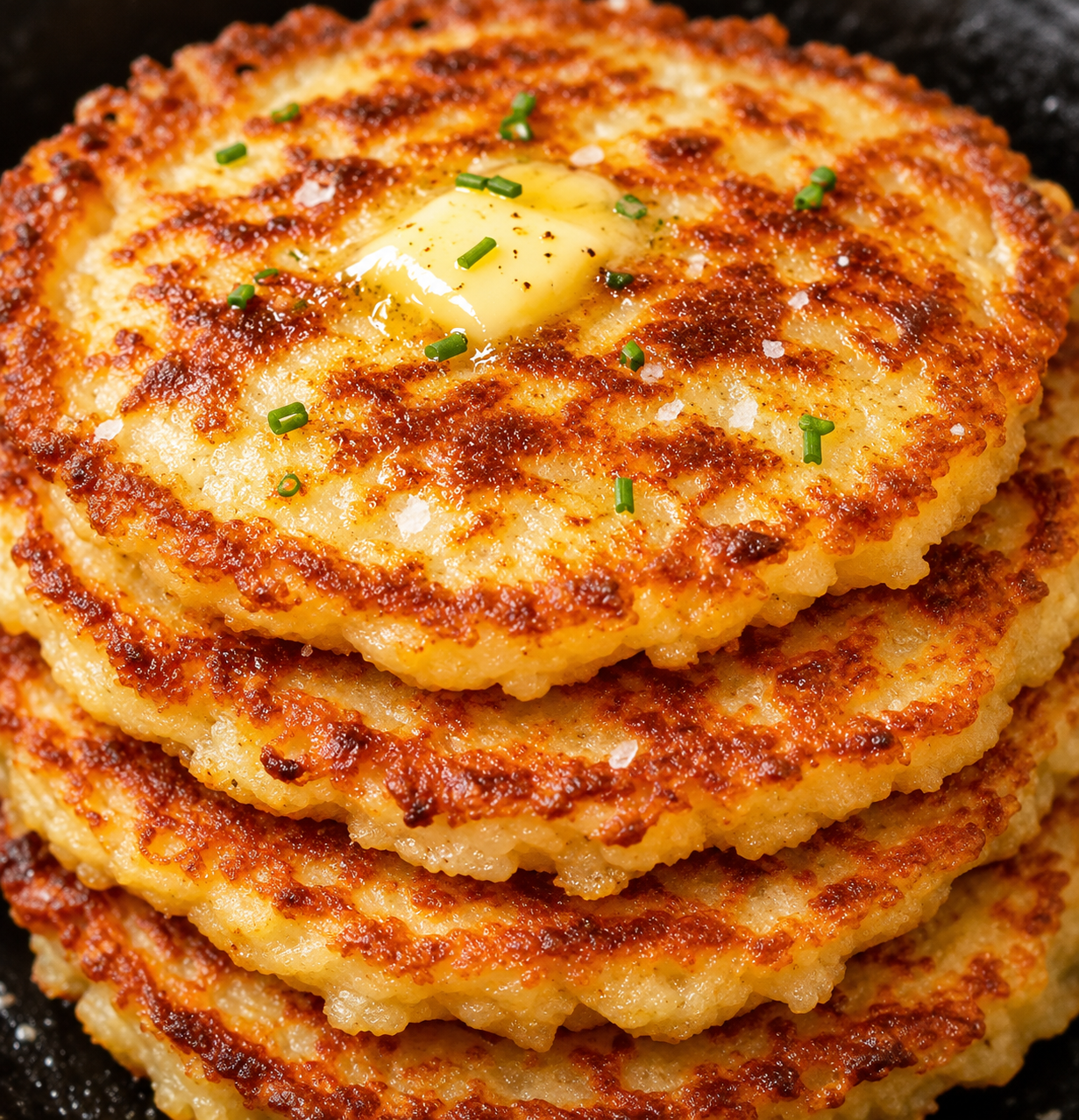
Imagine a warm stack of golden oatmeal pancakes topped with a pat of melting butter and a generous drizzle of maple syrup.
Unlike ordinary fluffy pancakes, these oatmeal griddle cakes develop wonderfully crisp edges when cooked in a hot buttered skillet.
The soaked oats provide a tender, slightly chewy interior that makes each pancake especially satisfying.
Whether you are preparing a cozy weekend breakfast, a family brunch, or a simple morning treat, these crispy oatmeal pancakes are a wonderful choice.
“Crispy Oatmeal Pancakes”,
Ingredients
Equipment
Method
- Combine the rolled oats and buttermilk in a medium mixing bowl. Let the mixture soak for 10 minutes until the oats soften.
- Add the lightly beaten egg, melted butter, sugar, vanilla extract, all-purpose flour, baking powder, baking soda, salt, and optional cinnamon. Stir until just combined.
- If the batter is too thick, add 1–2 tablespoons of milk until it spreads easily.
- Heat a nonstick skillet or cast-iron pan over medium heat. Melt a generous pat of butter until gently sizzling and foaming.
- Scoop approximately 1/4 cup of batter per pancake into the buttered skillet. Gently spread each portion into a round using the back of a spoon.
- Cook for 2 1/2–3 minutes until bubbles appear on the surface and the edges become crispy, lacy, and deeply golden brown.
- Carefully flip each pancake and cook for another 1 1/2–2 minutes until golden brown on the second side and completely cooked through.
- Repeat with the remaining batter, adding a little fresh butter to the skillet between batches as needed.
- Stack the warm pancakes on a serving plate, top with a pat of melting butter, and serve with maple syrup, honey, or fresh fruit if desired.
Notes
Why You Will Love Crispy Oatmeal Pancakes
Golden crispy edges with a tender center
The most appealing feature of these oatmeal pancakes is their combination of textures.
The rolled oats soften as they soak in buttermilk, creating a hearty foundation for the pancake batter.
A small amount of flour helps bind the ingredients together without making the pancakes excessively dense.
When the batter is spooned into a buttered skillet, the edges gradually develop a rich golden-brown color.
The butter contributes flavor while encouraging the thin edges to become crisp and slightly lacy.
Inside, the pancakes remain soft and tender, with the pleasant texture of softened oats.
Brown sugar introduces a subtle caramel-like sweetness that complements the buttery exterior.
Vanilla extract enhances the overall flavor, while optional cinnamon provides a warm aromatic finish.
Each bite delivers a delicious contrast between the crispy exterior and comforting oatmeal center.
An easy breakfast with familiar ingredients
One of the greatest advantages of this recipe is its simple ingredient list.
Rolled oats, flour, eggs, butter, sugar, and baking powder are familiar ingredients that many people already keep in their kitchens.
The batter comes together in one mixing bowl, making preparation and cleanup relatively easy.
There is no need for a blender or food processor.
The oats simply need a short soaking period before the remaining ingredients are incorporated.
Once the batter is ready, the pancakes cook in just a few minutes per batch.
This recipe is especially convenient for weekend breakfasts and family brunches.
The pancakes can be served with a variety of toppings, including maple syrup, honey, fresh berries, sliced bananas, or yogurt.
Choosing the Best Ingredients
Selecting the right oats
Old-fashioned rolled oats are particularly suitable for this recipe.
Their slightly larger flakes provide a pleasant texture and help create the hearty consistency that distinguishes oatmeal pancakes from traditional flour-based pancakes.
Quick-cooking oats can also be used if old-fashioned oats are unavailable.
Because quick oats are thinner, they tend to soften more rapidly and may produce a slightly smoother batter.
Steel-cut oats are not recommended as a direct substitute because they require considerably longer cooking and soaking times.
Allowing the oats to soak before mixing the batter is an important step.
The liquid softens the oat flakes, making the pancakes more tender and helping the ingredients combine evenly.
Approximately ten minutes of soaking is sufficient for the supplied recipe, although the exact time may vary depending on the oats used.
Understanding buttermilk and melted butter
Buttermilk provides moisture and a gentle tang that complements the sweetness of the pancakes.
Its acidity also reacts with baking soda, helping create small bubbles throughout the batter.
If buttermilk is unavailable, whole milk combined with lemon juice or vinegar can be used as an alternative.
The flavor and consistency may differ slightly from traditional buttermilk.
Melted unsalted butter adds richness to the pancake batter.
Additional butter is used to grease the skillet, helping the pancakes develop their signature crispy edges.
Using moderate heat is important because butter can burn if the skillet becomes excessively hot.
The goal is to achieve golden, caramelized pancakes without allowing the butter to become bitter or scorched.
Flour, eggs, and flavorings
A small amount of all-purpose flour helps hold the oatmeal batter together.
Without a binding ingredient, the pancakes may be more difficult to flip.
The egg contributes additional structure and helps the pancakes remain intact during cooking.
Baking powder and baking soda provide lift, creating a tender interior.
Brown sugar adds warmth and a subtle molasses flavor.
Granulated sugar, honey, or maple syrup can also be used according to preference.
Pure vanilla extract complements the oats and butter beautifully.
Ground cinnamon is optional but especially delicious if you enjoy the comforting flavor of cinnamon oatmeal.
A small amount of salt balances the sweetness and enhances the other ingredients.
How to Make Perfect Crispy Oatmeal Pancakes
Soaking the oats and mixing the batter
Begin by placing the rolled oats in a medium mixing bowl.
Pour the buttermilk over the oats and stir until evenly combined.
Allow the mixture to stand for approximately ten minutes.
During this time, the oats will absorb some of the liquid and become softer.
Once the oats have soaked, add the lightly beaten egg, melted butter, sugar, and vanilla extract.
Stir gently to combine the wet ingredients.
Add the all-purpose flour, baking powder, baking soda, salt, and optional cinnamon.
Mix until the ingredients are just combined and no large pockets of dry flour remain.
Avoid excessive stirring because overmixing can make the pancakes tougher.
The finished batter should be thick enough to hold its shape while remaining soft enough to spread slightly in the skillet.
If the mixture appears too thick, add one or two tablespoons of milk.
Adjust the liquid gradually rather than adding too much at once.
A batter that spreads slightly in the skillet is more likely to develop thin, crispy edges.
Preparing the skillet
Place a large nonstick skillet or well-seasoned cast-iron pan over medium heat.
Allow the skillet to warm evenly before adding the butter.
Add a generous pat of butter and let it melt until it begins to foam and sizzle.
The pan should be hot enough to produce a gentle sizzle when the batter is added.
However, the butter should not immediately become dark or begin smoking.
If the butter browns too quickly, reduce the heat slightly.
Maintaining a consistent skillet temperature helps the pancakes cook evenly while developing their golden exterior.
Cooking the Pancakes Until Golden and Crispy
Achieving the signature lacy edges
Scoop approximately one-quarter cup of oatmeal batter into the hot buttered skillet.
Use the back of a spoon to gently spread the batter into a round pancake.
Avoid making the pancakes excessively thick, as thinner pancakes generally develop crispier edges.
Leave enough space between the pancakes so they can be flipped easily.
Cook the first side for approximately two and a half to three minutes.
As the pancake cooks, small bubbles should appear on the surface.
The edges should begin to look set, golden, and slightly crisp.
Avoid attempting to flip the pancake too early because the oatmeal batter may still be fragile.
Once the underside is deeply golden and the pancake holds together, carefully slide a spatula underneath.
Flip the pancake in one smooth movement.
Finishing the pancakes
Cook the second side for approximately one and a half to two minutes.
The underside should become golden brown, and the center should be completely cooked through.
Transfer the finished pancake to a serving plate or wire rack.
Repeat the process with the remaining batter.
Add a little more butter to the skillet between batches to maintain the signature crispy texture.
If browned butter solids begin accumulating in the skillet, carefully wipe them away before adding fresh butter.
This helps prevent subsequent pancakes from developing a burnt flavor.
The exact cooking time may vary depending on the thickness of the pancakes and the temperature of the skillet.
Adjust the heat as needed to achieve evenly golden pancakes with fully cooked centers.
Serving, Storage, and Delicious Variations
The best ways to serve crispy oatmeal pancakes
These oatmeal pancakes are particularly delicious when served freshly cooked.
Arrange several pancakes in a stack on a simple white breakfast plate.
Place a small pat of butter on top and allow it to melt naturally over the warm pancakes.
A drizzle of pure maple syrup provides a classic finishing touch.
Honey is another delicious option that complements the oats and cinnamon.
For a fruit-filled breakfast, serve the pancakes with fresh strawberries, blueberries, raspberries, or sliced bananas.
A spoonful of Greek yogurt can provide a creamy, slightly tangy contrast.
Chopped pecans or walnuts add another layer of crunch.
For a more indulgent breakfast, finish with a light dusting of powdered sugar and warm maple syrup.
The pancakes can also be enjoyed on their own because the batter already contains butter, vanilla, and a little sugar.
Make-ahead tips and storage
Although crispy oatmeal pancakes are best served immediately after cooking, leftovers can be stored for another breakfast.
Allow the cooked pancakes to cool before transferring them to an airtight container.
Refrigerate within two hours of cooking and enjoy within three to four days.
Separate the pancakes with parchment paper if necessary to prevent sticking.
To restore their crispy texture, reheat them in a lightly buttered skillet over medium-low heat.
An oven or air fryer can also be used.
Reheat leftovers thoroughly to 165°F (74°C).
Microwaving is convenient but may make the pancakes softer.
For longer storage, freeze the cooled pancakes in a freezer-safe container with parchment paper between the layers.
The batter is best prepared shortly before cooking because the oats continue absorbing moisture as they sit.
Easy flavor variations
There are several delicious ways to customize these oatmeal pancakes.
For a cinnamon apple version, add a small amount of finely diced apple and additional cinnamon to the batter.
For blueberry oatmeal pancakes, scatter fresh blueberries over each pancake shortly after spooning the batter into the skillet.
For a nutty variation, fold chopped pecans or walnuts into the batter.
Chocolate chips can also be added for a sweeter breakfast treat.
If you prefer a less sweet pancake, reduce the sugar and serve with fresh fruit.
For a stronger maple flavor, use maple syrup instead of brown sugar.
Keep additional mix-ins relatively modest so the pancakes remain easy to flip.
The original recipe already provides a wonderful combination of buttery flavor, crispy edges, and tender oats.
Ingredients
- 1 1/2 cups (135 grams) old-fashioned rolled oats or quick-cooking oats
- 1 cup (240 milliliters) buttermilk
- 1/3 cup (40 grams) all-purpose flour
- 1 large egg, lightly beaten
- 2 tablespoons unsalted butter, melted
- 1–2 tablespoons brown sugar or granulated sugar
- 1 teaspoon baking powder
- 1/2 teaspoon baking soda
- 1/4 teaspoon salt
- 1/2 teaspoon ground cinnamon, optional
- 1 teaspoon pure vanilla extract
- Additional butter, for frying and serving
Optional toppings
- Maple syrup
- Honey
- Fresh fruit
- Additional butter
Instructions
- In a medium mixing bowl, combine the rolled oats and buttermilk.
- Allow the mixture to soak for 10 minutes until the oats soften and absorb some of the liquid.
- Add the lightly beaten egg, melted butter, sugar, and vanilla extract.
- Stir in the all-purpose flour, baking powder, baking soda, salt, and optional cinnamon.
- Mix until just combined. If the batter is too thick, add 1–2 tablespoons of milk.
- Heat a nonstick skillet or well-seasoned cast-iron pan over medium heat.
- Add a generous pat of butter and allow it to melt until gently sizzling.
- Scoop approximately 1/4 cup of batter per pancake into the skillet.
- Gently spread each portion into a round using the back of a spoon.
- Cook for 2 1/2–3 minutes until bubbles appear and the edges become crispy and golden brown.
- Carefully flip each pancake.
- Cook for another 1 1/2–2 minutes until golden on the second side and completely cooked through.
- Repeat with the remaining batter, adding fresh butter between batches as necessary.
- Stack the warm pancakes on a serving plate.
- Top with a pat of butter and serve with maple syrup, honey, or fresh fruit.
Frequently Asked Questions
Why should I soak the oats before making pancakes?
Soaking allows the oats to absorb moisture and become softer.
This helps create a tender interior and prevents the pancakes from having an excessively dry or coarse texture.
Can I use quick oats instead of rolled oats?
Yes. Quick-cooking oats work well in this recipe.
They may create a slightly smoother pancake texture because the oat flakes are smaller and soften more quickly.
Why are my oatmeal pancakes falling apart?
The pancakes may have been flipped before the first side had set sufficiently.
Allow the edges to become firm and golden before carefully turning them.
Make sure the flour and egg are included, as both help bind the batter together.
How do I make oatmeal pancakes extra crispy?
Cook the pancakes in a well-heated, buttered skillet over medium heat.
Gently spread the batter into relatively thin rounds and allow the underside to become golden before flipping.
Serve immediately for the best crispy texture.
Can I make these pancakes without buttermilk?
Yes. Whole milk mixed with a little lemon juice or vinegar can be used as an alternative.
The finished pancakes may have a slightly different flavor and texture.
Why are my pancakes burning before the center cooks?
The skillet may be too hot.
Reduce the heat to medium or medium-low and allow the pancakes sufficient time to cook through.
Replace excessively browned butter between batches.
Conclusion
Crispy Oatmeal Pancakes are a delicious way to transform simple rolled oats into a comforting homemade breakfast.
Their buttery golden edges, tender centers, and warm vanilla flavor make them a wonderful alternative to traditional pancakes.
The secret is allowing the oats to soften, preparing a batter that spreads easily, and cooking each pancake in a hot buttered skillet until beautifully golden.
Whether served with maple syrup, fresh berries, honey, or a simple pat of melting butter, these oatmeal griddle cakes are a satisfying addition to any breakfast table.
Serve them warm and enjoy every crispy, buttery bite.
More The Kitchen Notebook
- Pecan Pie Cookies – Buttery Shortbread Cookies with Gooey Caramelized Pecans
- Crispy Garlic Parmesan Roasted Cauliflower Bites – Easy Oven and Air Fryer Recipe
- Cheesy Ground Beef Flatbread Squares – Easy Beef and Cheese Crescent Roll Bake
- Italian Drunken Noodles – Easy Italian Sausage and Bell Pepper Pasta