Italian Drunken Noodles are a delicious combination of wide ribbon noodles, savory Italian sausage, colorful bell peppers, juicy tomatoes, and fragrant Italian herbs. Everything is tossed together in a light, flavorful sauce that coats each noodle beautifully.
This comforting pasta dish offers a wonderful balance of savory meat, naturally sweet vegetables, fresh garlic, and a touch of spice.
Unlike traditional pasta recipes that rely on heavy cream or thick tomato sauce, Italian Drunken Noodles feature a lighter sauce made with diced tomatoes, broth, and an optional splash of dry white wine.
The result is a satisfying dinner that feels both rustic and comforting without being overly heavy.
Perfect for busy weeknights, casual family dinners, and relaxed weekend meals, this recipe brings familiar Italian-inspired flavors together in one delicious skillet.
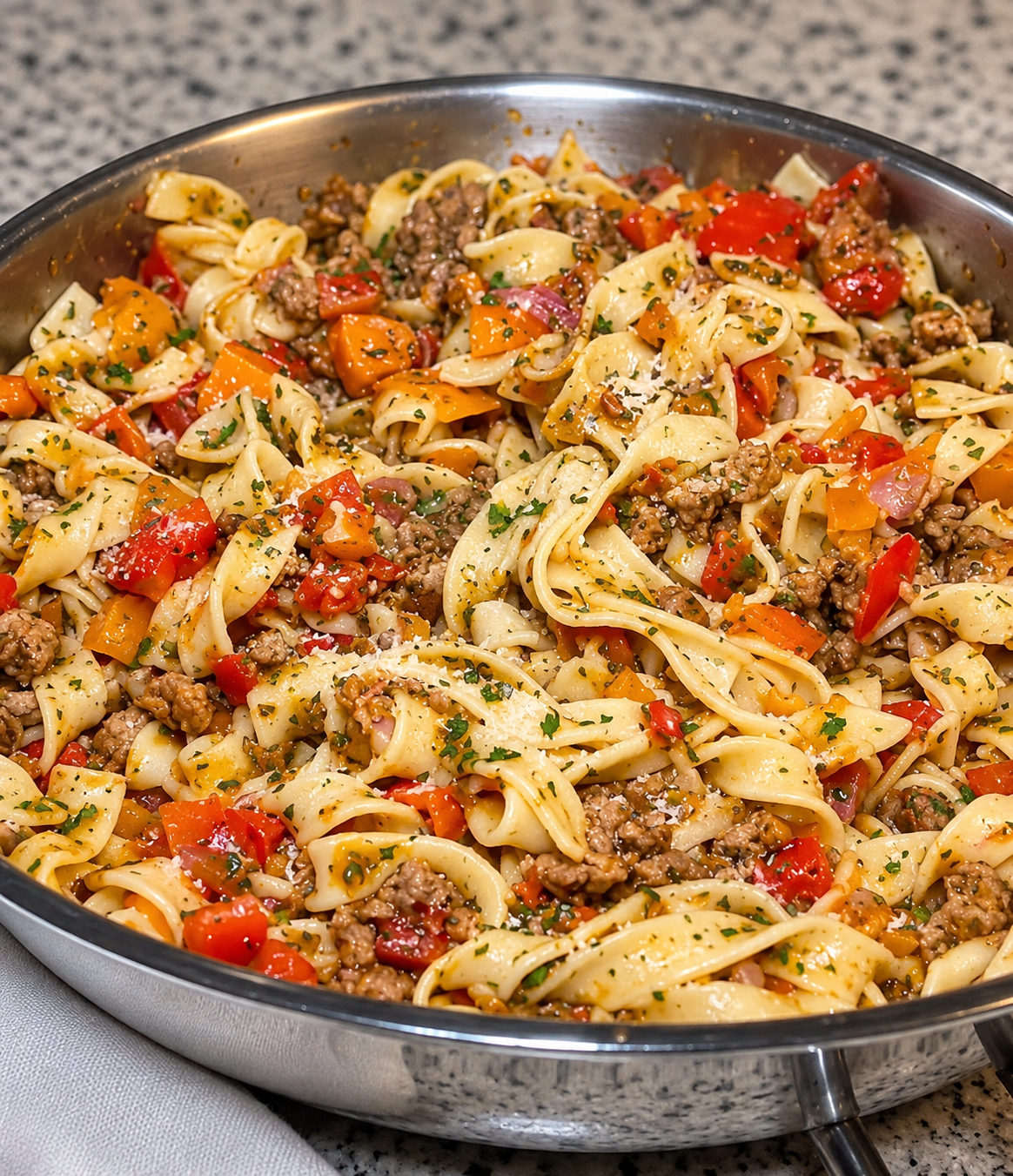
“Italian Drunken Noodles”,
Ingredients
Equipment
Method
- Bring a large pot of salted water to a boil. Cook the wide egg noodles or pappardelle according to package directions until al dente. Reserve 1/2 cup pasta cooking water before draining.
- Heat the olive oil in a large deep skillet over medium-high heat. Add the Italian sausage and cook for 5–6 minutes, breaking it into small crumbles until browned and thoroughly cooked.
- Add the diced onion and bell peppers to the skillet. Cook for 5–6 minutes, stirring occasionally, until the vegetables soften and lightly caramelize.
- Stir in the minced garlic, Italian seasoning, and crushed red pepper flakes. Cook for 1 minute until fragrant.
- Pour in the dry white wine or alcohol-free broth and vinegar mixture. Scrape up any browned bits from the bottom of the skillet and allow the liquid to bubble for approximately 2 minutes until partially reduced.
- Add the diced tomatoes with their juices and chicken broth. Season with salt and freshly cracked black pepper, then simmer gently for 5 minutes.
- Add the cooked noodles and chopped fresh basil or parsley directly to the skillet. Toss gently for 1–2 minutes until evenly coated in the glossy herb sauce.
- Add a splash of reserved pasta cooking water if needed to loosen the sauce. Transfer to serving bowls, garnish with freshly grated Parmesan if desired, and serve warm.
Notes
Why You Will Love Italian Drunken Noodles
A delicious combination of sausage, peppers, and tender pasta
The combination of Italian sausage and sweet bell peppers is a classic pairing that works beautifully with wide ribbon noodles.
Italian sausage provides a rich, savory foundation. As it browns in the skillet, it develops flavorful caramelized edges that contribute depth to the finished sauce.
Red, orange, and yellow bell peppers add natural sweetness and beautiful color.
The onions become soft and slightly caramelized during cooking, while minced garlic adds a fragrant savory aroma.
Diced tomatoes introduce brightness and acidity, helping balance the richness of the sausage.
Italian seasoning and fresh basil bring everything together with their aromatic herbal flavors.
A small amount of crushed red pepper flakes adds gentle warmth without overpowering the remaining ingredients.
Wide ribbon noodles are particularly suitable because their broad surfaces hold the flavorful sauce and small pieces of sausage and vegetables.
Every forkful offers a delicious combination of tender pasta, savory meat, colorful peppers, and fragrant herbs.
An easy dinner with familiar ingredients
One of the greatest advantages of this recipe is its straightforward preparation.
The pasta cooks separately while the sausage, vegetables, and sauce come together in a single large skillet.
There is no need to prepare a complicated homemade sauce or spend hours simmering the ingredients.
Most of the ingredients are familiar pantry staples or readily available fresh vegetables.
Canned diced tomatoes, chicken broth, dried Italian seasoning, and olive oil can easily be kept on hand.
The dish is also highly customizable.
You can adjust the spice level, choose different pasta shapes, substitute the sausage, or prepare an alcohol-free version without changing the basic cooking method.
This makes Italian Drunken Noodles a practical addition to your collection of easy family dinner recipes.
Choosing the Best Ingredients
Selecting the pasta and Italian sausage
Wide egg noodles and pappardelle are excellent choices for this recipe.
Their broad, ribbon-like shape creates a satisfying texture and allows the sauce to cling to each noodle.
Pappardelle provides a particularly rustic appearance, while wide egg noodles offer a tender, comforting texture.
Fettuccine is another suitable alternative if wider noodles are unavailable.
Cook the pasta according to the package instructions until just al dente.
Avoid overcooking because the noodles will spend another minute or two in the skillet with the sauce.
Italian sausage contributes much of the dish’s savory flavor.
Mild Italian sausage is a good choice for a family-friendly dinner.
Hot Italian sausage works well if you enjoy a more pronounced spicy flavor.
Italian-style beef sausage, chicken sausage, or seasoned ground beef can also be used.
If using sausage links, remove the casings before cooking so the meat can be broken into small crumbles.
Choose a sausage with a flavor profile that complements garlic, tomatoes, and Italian herbs.
Choosing colorful vegetables and aromatics
Bell peppers are an important part of the appearance and flavor of Italian Drunken Noodles.
Red bell peppers provide a naturally sweet flavor and attractive color.
Orange or yellow bell peppers introduce additional sweetness and create a beautiful contrast throughout the pasta.
Cut the peppers into relatively uniform bite-sized pieces so they soften evenly.
Yellow onions work particularly well because they become mild and sweet as they cook.
Red onions can also be used for a slightly different flavor.
Freshly minced garlic provides the fragrant foundation of the sauce.
Four cloves give the dish a pronounced garlic flavor that complements the sausage and tomatoes.
Italian seasoning typically contains a combination of dried herbs such as oregano, basil, thyme, and rosemary.
You can substitute a mixture of dried oregano and basil if Italian seasoning is unavailable.
Crushed red pepper flakes add a little heat. Adjust the quantity according to your preference.
Understanding the savory tomato and herb sauce
Canned diced tomatoes provide both the fruit and liquid needed to create the sauce.
Use the entire contents of the can, including the tomato juices.
Unlike some casserole recipes that require drained tomatoes, the liquid is beneficial here because it helps coat the noodles.
Fresh ripe tomatoes can also be used when they are in season.
Dry white wine is traditionally associated with the name Italian Drunken Noodles.
It is used to deglaze the skillet and adds acidity and complexity to the sauce.
However, wine is not essential.
For an alcohol-free version, replace it with an equal quantity of chicken broth and a teaspoon of white wine vinegar.
Chicken broth adds savory flavor while keeping the sauce light enough to coat the wide noodles.
Reserved pasta water is another useful ingredient.
The starch released by the pasta can help bring the sauce together and improve its ability to cling to the noodles.
Fresh basil or flat-leaf parsley provides a bright herbal finish.
Freshly grated Parmesan is optional but adds an extra layer of savory flavor.
How to Make Perfect Italian Drunken Noodles
Cooking the pasta and browning the sausage
Begin by bringing a large pot of salted water to a boil.
Add the wide egg noodles or pappardelle and cook according to the package instructions.
The noodles should be just tender while retaining a little firmness.
Before draining, carefully reserve approximately half a cup of the hot pasta cooking water.
Drain the noodles and set them aside.
While the pasta cooks, heat a tablespoon of olive oil in a large, deep skillet or sauté pan over medium-high heat.
Remove the casings from the Italian sausage if necessary.
Add the sausage meat to the skillet and break it into small crumbles with a wooden spoon or spatula.
Cook for approximately five to six minutes, stirring occasionally, until browned and thoroughly cooked.
Fresh beef or pork sausage should reach an internal temperature of 160°F (71°C), while poultry sausage should reach 165°F (74°C).
Allowing some of the meat to remain against the hot skillet briefly can help develop flavorful caramelized edges.
If the sausage releases excessive grease, carefully drain some of it before proceeding.
Leave enough fat in the skillet to help cook the vegetables and contribute flavor to the sauce.
Sautéing the peppers and onions
Add the diced onion and bell peppers directly to the skillet with the browned sausage.
Stir everything together and continue cooking for approximately five to six minutes.
The vegetables should soften while retaining some of their shape and texture.
Allow the peppers and onions to develop lightly caramelized edges for additional flavor.
Once the vegetables are ready, add the minced garlic, Italian seasoning, and crushed red pepper flakes.
Stir continuously for approximately one minute.
The garlic should become fragrant without developing a dark, burned appearance.
Avoid cooking the garlic over excessively high heat for too long, as this can introduce a bitter flavor.
At this stage, the skillet should contain a colorful mixture of browned sausage, tender peppers, onions, and fragrant herbs.
Preparing the Sauce and Combining the Noodles
Deglazing the skillet and simmering the tomatoes
Pour half a cup of dry white wine into the skillet.
Use a wooden spoon to scrape up the browned bits from the bottom.
These caramelized bits contribute additional flavor to the sauce.
Allow the wine to bubble for approximately two minutes until partially reduced.
For an alcohol-free preparation, use chicken broth combined with a teaspoon of white wine vinegar instead.
Add the canned diced tomatoes along with their juices.
Pour in the remaining half cup of chicken broth.
Stir well to combine the sauce with the sausage and vegetables.
Season with salt and freshly cracked black pepper according to your preference.
Keep in mind that Italian sausage and chicken broth may already contain considerable salt.
Allow the sauce to simmer gently for approximately five minutes.
This gives the ingredients time to blend and allows some of the excess liquid to evaporate.
The finished sauce should remain light and slightly glossy rather than becoming excessively thick.
Tossing the pasta with the sauce
Add the drained wide noodles directly to the skillet.
Add the chopped fresh basil or flat-leaf parsley.
Using kitchen tongs or a large spatula, gently toss everything together.
Continue tossing for approximately one to two minutes until the noodles are evenly coated.
Try to distribute the sausage crumbles and colorful bell peppers throughout the pasta.
If the noodles appear dry or the sauce is too thick, add a small splash of reserved pasta cooking water.
Add the liquid gradually until the sauce reaches your preferred consistency.
Avoid adding too much water at once because the sauce should cling to the noodles rather than collect at the bottom of the skillet.
Once everything is evenly combined and heated through, remove the skillet from the heat.
Transfer the pasta to individual serving bowls or serve directly from the skillet.
Finish with freshly grated Parmesan and extra fresh basil if desired.
Serving, Storage, and Delicious Variations
The best ways to serve Italian Drunken Noodles
Italian Drunken Noodles are particularly delicious when served immediately after cooking.
The noodles remain tender, the vegetables retain their pleasant texture, and the sauce has a beautiful glossy appearance.
Serve individual portions in white pasta bowls to highlight the colorful peppers, tomatoes, and wide noodles.
Freshly grated Parmesan provides a delicious savory finishing touch.
Additional chopped basil or parsley introduces freshness and an attractive green contrast.
For a complete family dinner, serve the noodles alongside a crisp green salad with a light vinaigrette.
Garlic bread, warm dinner rolls, or crusty Italian bread are also excellent accompaniments.
Roasted zucchini, steamed broccoli, or sautéed green beans can provide additional vegetables.
The pasta is substantial enough to enjoy on its own as a complete main course.
For anyone who enjoys extra heat, provide crushed red pepper flakes at the table.
Make-ahead tips and storage
The sausage and vegetable sauce can be prepared ahead of time.
Allow it to cool and refrigerate it in an airtight container until needed.
When ready to serve, cook the noodles, reheat the sauce, and toss everything together.
This approach helps preserve the best pasta texture.
Refrigerate cooked leftovers within two hours of preparation.
Store them in an airtight container for up to three to four days.
The noodles may absorb some of the sauce during refrigeration.
When reheating, add a small splash of chicken broth or water to restore moisture.
Reheat in a skillet or microwave until thoroughly heated to 165°F (74°C).
Avoid prolonged reheating because the noodles may become excessively soft.
For longer storage, the sausage and tomato sauce can be frozen separately from the noodles.
Thaw it in the refrigerator and combine it with freshly cooked pasta when ready to serve.
Easy flavor variations
For a pork-free version, use Italian-style beef sausage, chicken sausage, or seasoned ground beef.
For an alcohol-free version, substitute chicken broth and white wine vinegar for the wine.
If you prefer a spicier pasta, use hot Italian sausage and increase the amount of crushed red pepper flakes.
For an extra vegetable-packed version, add sliced mushrooms, zucchini, or spinach.
Cook the additional vegetables as needed before combining them with the pasta.
For a creamy variation, stir a small splash of heavy cream into the finished sauce.
You can also add freshly grated Parmesan for a richer consistency.
For a vegetarian version, replace the sausage with plant-based sausage or sautéed mushrooms and use vegetable broth.
These variations allow you to customize the dish while maintaining its delicious combination of wide noodles, colorful vegetables, and aromatic herbs.
Ingredients
For the pasta and meat
- 12 ounces (340 grams) wide egg noodles or pappardelle pasta
- 1 pound (450 grams) Italian sausage, casings removed, or seasoned ground beef
- 1 tablespoon olive oil
- 1 medium yellow or red onion, diced
- 2 bell peppers, preferably one red and one orange or yellow, diced
- 4 garlic cloves, minced
For the savory wine and herb sauce
- 1 can (14.5 ounces or 410 grams) diced tomatoes with their juices, or 2 cups chopped fresh tomatoes
- 1/2 cup (120 milliliters) dry white wine
- 1/2 cup (120 milliliters) chicken broth
- 1 1/2 teaspoons dried Italian seasoning
- 1/2 teaspoon crushed red pepper flakes
- Salt and freshly cracked black pepper, to taste
- 1/4 cup fresh basil or flat-leaf parsley, finely chopped
- Freshly grated Parmesan cheese, optional, for serving
- Up to 1/2 cup reserved pasta cooking water, as needed
For an alcohol-free version, replace the white wine with 1/2 cup chicken broth and 1 teaspoon white wine vinegar.
Instructions
- Bring a large pot of salted water to a boil.
- Cook the wide egg noodles or pappardelle according to the package instructions until just al dente.
- Reserve 1/2 cup of the pasta cooking water before draining the noodles.
- Heat the olive oil in a large, deep skillet over medium-high heat.
- Add the Italian sausage and cook for 5–6 minutes, breaking it into small crumbles until browned and thoroughly cooked.
- Add the diced onion and red and orange bell peppers.
- Cook for another 5–6 minutes, stirring occasionally, until the vegetables soften and become lightly caramelized.
- Stir in the minced garlic, Italian seasoning, and crushed red pepper flakes.
- Cook for 1 minute until fragrant.
- Pour in the white wine or alcohol-free broth and vinegar mixture, scraping up any browned bits from the bottom of the skillet.
- Allow the liquid to bubble for approximately 2 minutes until partially reduced.
- Add the diced tomatoes with their juices and the chicken broth.
- Season with salt and freshly cracked black pepper to taste.
- Simmer gently for approximately 5 minutes.
- Add the cooked noodles and chopped fresh basil or parsley.
- Toss gently for 1–2 minutes until the noodles are evenly coated with the flavorful sauce.
- Add a splash of reserved pasta cooking water if needed to loosen the sauce.
- Transfer to serving bowls and finish with freshly grated Parmesan cheese if desired.
- Serve warm.
Frequently Asked Questions
Why are they called Italian Drunken Noodles?
The name refers to the addition of white wine to the pasta sauce.
The wine is used to deglaze the skillet and introduces additional flavor and acidity.
Despite the similar name, this dish is different from Thai drunken noodles.
Can I make Italian Drunken Noodles without wine?
Absolutely. Replace the half cup of white wine with half a cup of chicken broth and one teaspoon of white wine vinegar.
This provides additional savory flavor and acidity without using wine as a cooking ingredient.
What type of noodles works best?
Pappardelle and wide egg noodles are particularly suitable because their broad surfaces hold the sauce beautifully.
Fettuccine, tagliatelle, or other wide pasta varieties can also be used.
Can I use ground beef instead of Italian sausage?
Yes. Seasoned ground beef is a delicious alternative.
Add extra Italian seasoning, garlic, and a little crushed fennel seed if you want to recreate some of the familiar flavors of Italian sausage.
How do I prevent the noodles from becoming soggy?
Cook the noodles until just al dente and avoid simmering them in the finished sauce for too long.
One to two minutes of gentle tossing is usually sufficient.
Can I make Italian Drunken Noodles ahead of time?
Yes. Prepare the sausage and vegetable sauce in advance and refrigerate it separately.
Cook the pasta shortly before serving for the best texture.
Conclusion
Italian Drunken Noodles are a delicious combination of tender ribbon pasta, savory Italian sausage, colorful bell peppers, juicy tomatoes, garlic, and aromatic herbs.
Their straightforward preparation makes them an excellent choice for busy weeknights and comforting family dinners.
Whether you prepare the traditional white wine version, choose an alcohol-free sauce, or substitute Italian-style beef sausage, this pasta offers plenty of rich and satisfying flavor.
Finish with freshly grated Parmesan, a sprinkle of fresh basil, and enjoy every savory, comforting bite.
More The Kitchen Notebook
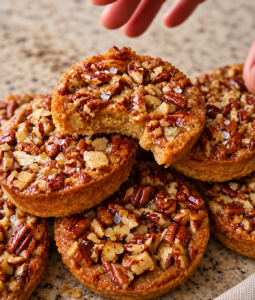
- Pecan Pie Cookies – Buttery Shortbread Cookies with Gooey Caramelized Pecans
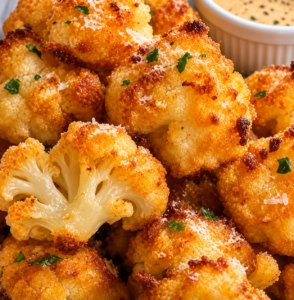
- Crispy Garlic Parmesan Roasted Cauliflower Bites – Easy Oven and Air Fryer Recipe
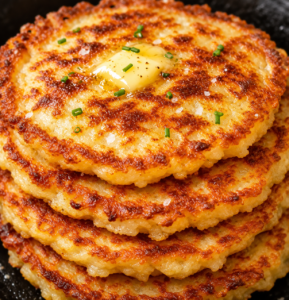
- Crispy Oatmeal Pancakes – Buttery Golden Pancakes with Lacy Edges
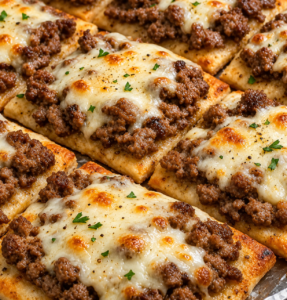
- Cheesy Ground Beef Flatbread Squares – Easy Beef and Cheese Crescent Roll Bake