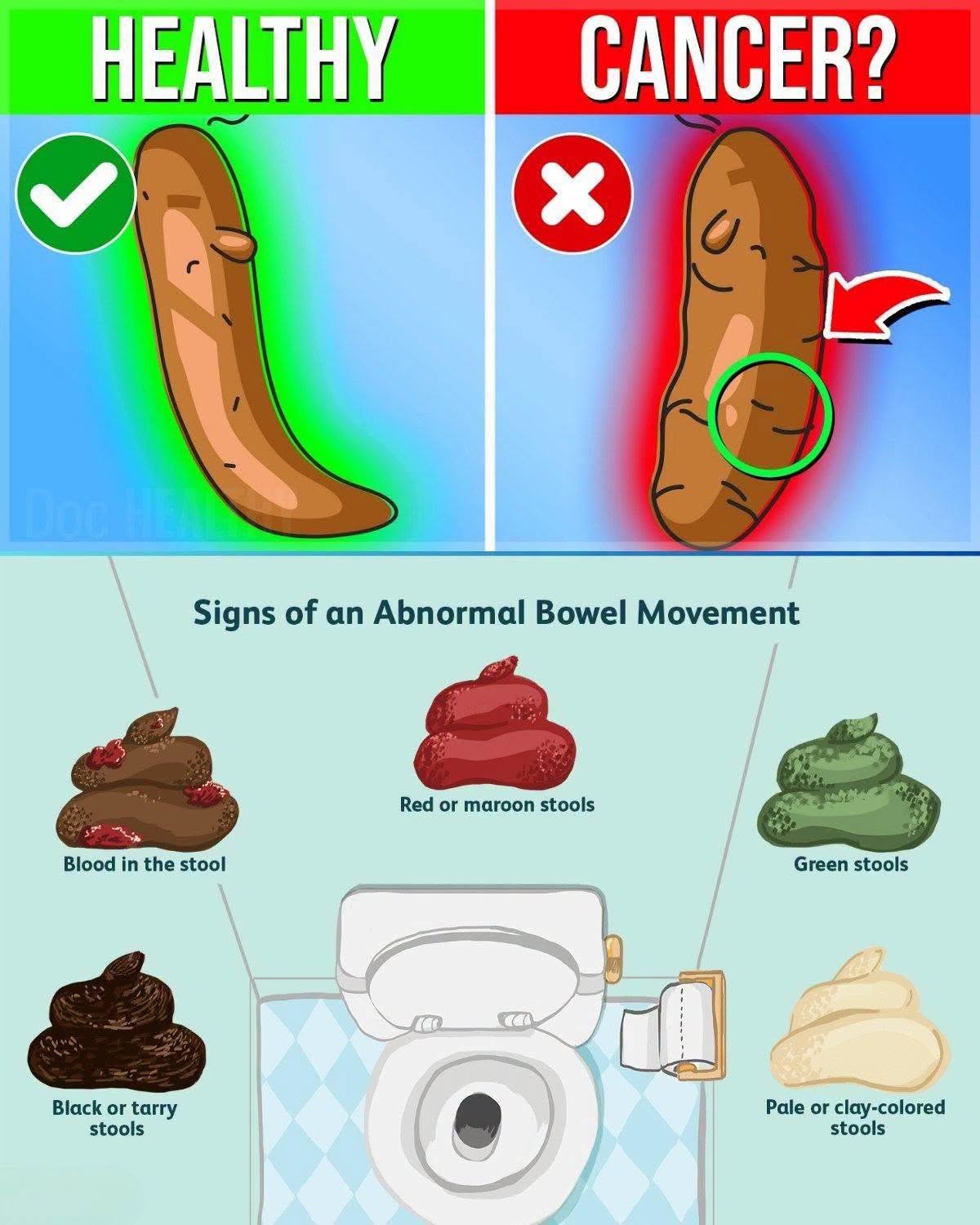
Changes in Stool Color May Be Your Body’s Way of Signaling Certain Health Conditions because digestion, diet, medications, and bile all affect what you see in the toilet. Most temporary color changes have harmless explanations. For example, leafy vegetables can turn stool green, while iron supplements can make it look much darker. However, some persistent colors deserve medical attention, especially black, bloody red, white or clay-colored, and repeatedly greasy yellow stools.
Stool color alone cannot diagnose a medical condition. Still, knowing what common colors can mean may help you notice patterns, identify simple dietary causes, and recognize symptoms that require prompt medical care.
For years, I barely noticed stool color unless something looked dramatically different. Then, after eating beets, I saw an unexpected reddish color and immediately worried that something was wrong. Once I remembered what I had eaten, the change made sense, and the color disappeared shortly afterward. That experience taught me to consider the whole picture instead of reacting to one bathroom visit. Now I think about recent foods, supplements, medications, consistency, and other symptoms together. More importantly, I know that persistent changes or signs of bleeding deserve professional attention rather than guesswork or reassurance from appearance alone.
Understanding What Creates Normal Stool Color
Why Brown Stool Is Usually Normal
Brown remains the typical stool color because digestion changes bile pigments as food travels through the gastrointestinal tract. The liver produces bile, while the gallbladder stores and releases it to help with digestion. As intestinal bacteria and digestive processes alter bile pigments, stool develops its familiar brown appearance.
However, normal brown stool does not have one exact shade. Healthy stool may look light brown, medium brown, or relatively dark brown. Diet, hydration, transit time, and other factors can influence the shade from one bowel movement to another.
Therefore, a small difference in brown color usually does not signal a problem by itself. Instead, consider whether the change persists and whether other symptoms appear at the same time.
Changes in Stool Color May Be Your Body’s Way of Signaling Certain Health Conditions, but color provides only one piece of information. Consistency, frequency, shape, and accompanying symptoms also matter.
For example, diarrhea can change both stool consistency and color because material travels through the intestines faster. Meanwhile, constipation may produce harder or darker-looking stools.
Additionally, foods with strong natural pigments can temporarily change stool appearance. Supplements and medications can do the same.
Consequently, one unusual bowel movement rarely provides enough information to identify a cause. A pattern gives you more useful information.
Why Bile Makes Such a Difference
Bile plays an important role in digestion, particularly in processing dietary fats. The liver produces this digestive fluid, and bile eventually enters the small intestine.
As bile pigments move through the digestive system, chemical and bacterial processes transform them. Those changes help produce normal brown stool.
Therefore, stool that suddenly looks very different may sometimes reflect how quickly intestinal contents moved or how bile reached the digestive tract. Green stool, for instance, can occur when material passes quickly enough that bile pigments do not undergo their usual color changes.
On the other hand, persistently pale or clay-colored stool can raise concern about reduced bile reaching the intestine.
That distinction matters. A temporary green bowel movement after eating spinach has a very different significance from repeatedly passing unusually pale stools without an obvious explanation.
Rather than judging a color in isolation, note what you recently ate and which medicines or supplements you took. Also, consider whether you have diarrhea, abdominal discomfort, fever, weakness, jaundice, weight loss, or other changes.
Most importantly, seek medical advice when an unexplained abnormal color persists or accompanies concerning symptoms.
Green and Yellow Stool: Common Causes to Consider
What Green Stool Can Mean
Green stool often has a straightforward explanation. Leafy green vegetables contain chlorophyll, so eating substantial amounts of spinach, kale, broccoli, or similar foods may temporarily affect stool color.
Additionally, foods and drinks that contain green, blue, or other strong coloring can create unexpected shades.
Digestive speed also matters. Normally, bile changes color as it travels through the gastrointestinal tract. However, diarrhea can move material through the intestines quickly. As a result, bile may retain more of its green color.
Therefore, green stool can accompany short-lived diarrhea or a gastrointestinal infection.
If you otherwise feel well and recently ate strongly colored foods, you can monitor the situation. The stool often returns to its usual brown shade after the food leaves your system.
However, persistent green stool accompanied by ongoing diarrhea deserves more attention. Prolonged diarrhea can cause dehydration, while infection and other gastrointestinal conditions may require assessment.
Watch for symptoms such as severe abdominal pain, persistent fever, blood in the stool, repeated vomiting, dizziness, or signs of dehydration. In those situations, contact a healthcare professional.
Changes in Stool Color May Be Your Body’s Way of Signaling Certain Health Conditions, so the duration and accompanying symptoms often provide more useful information than color alone.
Why Yellow or Greasy Stool Deserves Attention
An occasional yellowish bowel movement does not automatically indicate disease. Diet and normal variations in digestion can influence stool appearance.
However, repeatedly yellow, greasy, oily, foul-smelling, or floating stool may deserve evaluation, particularly when several of those characteristics occur together.
Fat that does not get properly digested or absorbed can alter stool appearance. Because the pancreas, liver, gallbladder, bile ducts, and small intestine all contribute to digestion and absorption, problems involving these areas can sometimes produce noticeable changes.
Still, appearance alone cannot determine the cause.
Therefore, avoid trying to diagnose a pancreas, liver, or gallbladder disorder simply because stool appears yellow. A healthcare professional can assess symptoms, medical history, medications, and other factors and order tests when appropriate.
Persistent yellow or greasy stools become more important when they occur with unexplained weight loss, abdominal pain, diarrhea, reduced appetite, or other ongoing symptoms.
Likewise, pay attention to how long the change lasts. One unusual bowel movement after a dietary change differs significantly from a recurring pattern that continues for days or weeks.
Keeping a simple record of meals, bowel movements, medications, and symptoms can also provide useful context if you need medical evaluation.
Black, Red, and Pale Stool: Warning Colors to Recognize
When Black or Red Stool Needs Medical Attention
Black stool can have harmless causes. For instance, iron supplements and bismuth-containing medicines can make stools very dark or black. Certain dark foods can also affect appearance.
Nevertheless, black stool can sometimes indicate bleeding higher in the gastrointestinal tract. Digested blood can produce stool that looks black and tar-like.
Therefore, unexplained black, tarry stool should not simply be dismissed as a dietary change.
Seek prompt medical evaluation if black, tarry stool occurs without an obvious harmless explanation, particularly if you also experience weakness, dizziness, fainting, shortness of breath, abdominal pain, vomiting blood, or other significant symptoms.
Red stool also has several possible explanations.
Beets, red food coloring, and strongly pigmented foods can sometimes create red or pink stool. However, bright red blood can come from the lower gastrointestinal tract or rectal area.
Hemorrhoids and anal fissures can cause visible blood. Additionally, inflammatory and other gastrointestinal disorders can cause rectal bleeding.
Because you cannot reliably identify the source based only on color, unexplained blood in stool warrants medical attention, especially when bleeding is substantial, recurrent, or accompanied by other symptoms.
If bleeding appears heavy or you develop fainting, severe weakness, severe pain, or other emergency symptoms, seek urgent medical care.
What White, Gray, or Clay-Colored Stool May Mean
Very pale, gray, white, or clay-colored stool deserves attention when it persists.
Bile contributes significantly to normal brown stool. Consequently, stool may become unusually pale when insufficient bile reaches the intestine.
Several problems can interfere with bile flow, including conditions involving the bile ducts, liver, or gallbladder. However, stool color cannot identify which condition, if any, caused the change.
Therefore, repeated pale stools should prompt medical evaluation rather than home diagnosis.
Additional symptoms can make medical assessment more urgent. For example, yellowing of the skin or eyes, dark urine, significant abdominal pain, fever, nausea, vomiting, or unexplained weight loss alongside pale stools deserves prompt professional attention.
Changes in Stool Color May Be Your Body’s Way of Signaling Certain Health Conditions, but context remains essential. A single unusual stool may have an innocent explanation, while repeated pale stools form a pattern that deserves investigation.
Also, consider medications and recent medical procedures when discussing the change with your healthcare provider.
Whenever possible, note when the unusual color started and how frequently it occurs. This information can help a clinician understand the pattern more accurately.
Food, Medication, and Everyday Digestive Changes
Foods and Medicines That Can Change Stool Appearance
Before assuming an unusual stool color signals illness, think about what you consumed during the previous few days.
Beets can produce reddish or pinkish shades. Meanwhile, leafy greens may contribute to green stool. Blueberries and other deeply pigmented foods can make stool appear considerably darker.
Artificial food dyes can also create surprising results. Because several colors can mix during digestion, the final shade may not exactly match the original food.
Supplements matter as well. Iron commonly darkens stool. Additionally, bismuth-containing medicines can produce black stool, while activated charcoal can also make stool appear very dark.
Some medications may affect gastrointestinal function or stool appearance in other ways.
Therefore, review any new prescription, over-the-counter medicine, or supplement when you notice a change. However, do not stop prescribed medication solely because your stool changed color. Instead, ask a pharmacist or healthcare professional whether the medication could explain the change.
Dietary explanations become more convincing when the unusual color disappears after the suspected food passes through your system.
However, persistent changes require a different approach. If an abnormal color continues despite removing the apparent dietary cause, contact a healthcare professional.
Looking Beyond Color
Changes in Stool Color May Be Your Body’s Way of Signaling Certain Health Conditions, although stool provides more information than color alone.
First, notice consistency. Hard, dry stools often occur with constipation, while loose or watery stools occur with diarrhea.
Next, consider frequency. A sudden major shift from your normal bowel pattern may matter, particularly when it persists.
Shape can provide additional context as well. However, occasional variation in shape does not automatically signal illness.
Also, notice symptoms that occur alongside the bowel change. Persistent abdominal pain, fever, unexplained weight loss, fatigue, repeated diarrhea, vomiting, jaundice, or visible blood deserves more attention than an isolated color change without symptoms.
You can support general digestive health through practical everyday habits. Eat a varied diet that includes adequate fiber, drink enough fluids, stay physically active, and follow medical guidance for any existing digestive conditions.
Still, healthy habits cannot replace evaluation when warning signs appear.
Most importantly, pay attention to patterns rather than trying to interpret every bowel movement. Stool naturally varies.
When a change persists, keeps returning, or occurs with concerning symptoms, professional medical evaluation provides a safer answer than attempting to diagnose the cause from color alone.
Frequently Asked Questions
Is green stool dangerous?
Usually, green stool does not indicate an emergency. Green vegetables, food coloring, diarrhea, and rapid intestinal transit can all produce green stool. However, persistent green stool with prolonged diarrhea, fever, dehydration, severe pain, or blood should prompt medical evaluation.
Can food really turn stool red?
Yes. Beets and red food coloring can temporarily create red or pink stool. Nevertheless, blood can also look red. Therefore, seek medical advice for unexplained, recurrent, or substantial red blood, especially when other symptoms occur.
Why can iron supplements make stool black?
Iron supplements commonly darken stool and can make it look nearly black. However, gastrointestinal bleeding can also cause black stool, particularly when it looks tarry. If you cannot explain black stool or you have weakness, dizziness, pain, or other concerning symptoms, seek medical care promptly.
Should I worry about yellow stool?
One yellow bowel movement does not necessarily indicate a problem. However, persistent yellow stool that looks greasy or oily, smells unusually foul, or repeatedly floats may occur with problems involving fat digestion or absorption. A healthcare professional should assess persistent changes, particularly when weight loss, pain, or diarrhea occurs.
When should stool color changes prompt medical care?
Contact a healthcare professional when an unexplained change persists, repeatedly returns, or accompanies significant symptoms. Black tar-like stool, substantial or recurrent blood, persistent clay-colored stool, and ongoing greasy yellow stool deserve particular attention. Seek urgent care for significant bleeding, fainting, severe weakness, severe abdominal pain, or other emergency symptoms.
Conclusion
Changes in Stool Color May Be Your Body’s Way of Signaling Certain Health Conditions, although many everyday factors can alter stool appearance without indicating serious disease. Food pigments, supplements, medications, digestive speed, and bile all influence color.
Brown generally represents the expected range, while temporary green or unusually dark stool often has a dietary or medication-related explanation. However, persistent yellow greasy stool, unexplained black tar-like stool, visible blood, or repeated white or clay-colored stool deserves greater attention.
Rather than focusing on one bowel movement, watch for patterns. Consider your diet, medications, supplements, stool consistency, frequency, and accompanying symptoms.
Above all, remember that stool color cannot diagnose a disease. When a change persists or appears alongside bleeding, significant pain, weakness, jaundice, fever, weight loss, or other concerning symptoms, seek professional medical evaluation.
More Blog
- Drinking Water on an Empty Stomach — What Science Actually Supports (No Hype, Just Facts)
- Waking Up Between 3 and 5 AM? It Might Be Your Soul Trying to Talk to You
- What a “Bleach” Patch on Your Underwear Really Means — And Why It’s Actually a Good Sign
- This Drink May Weaken Your Bones From The Inside — But Everyone Drinks It Anyway