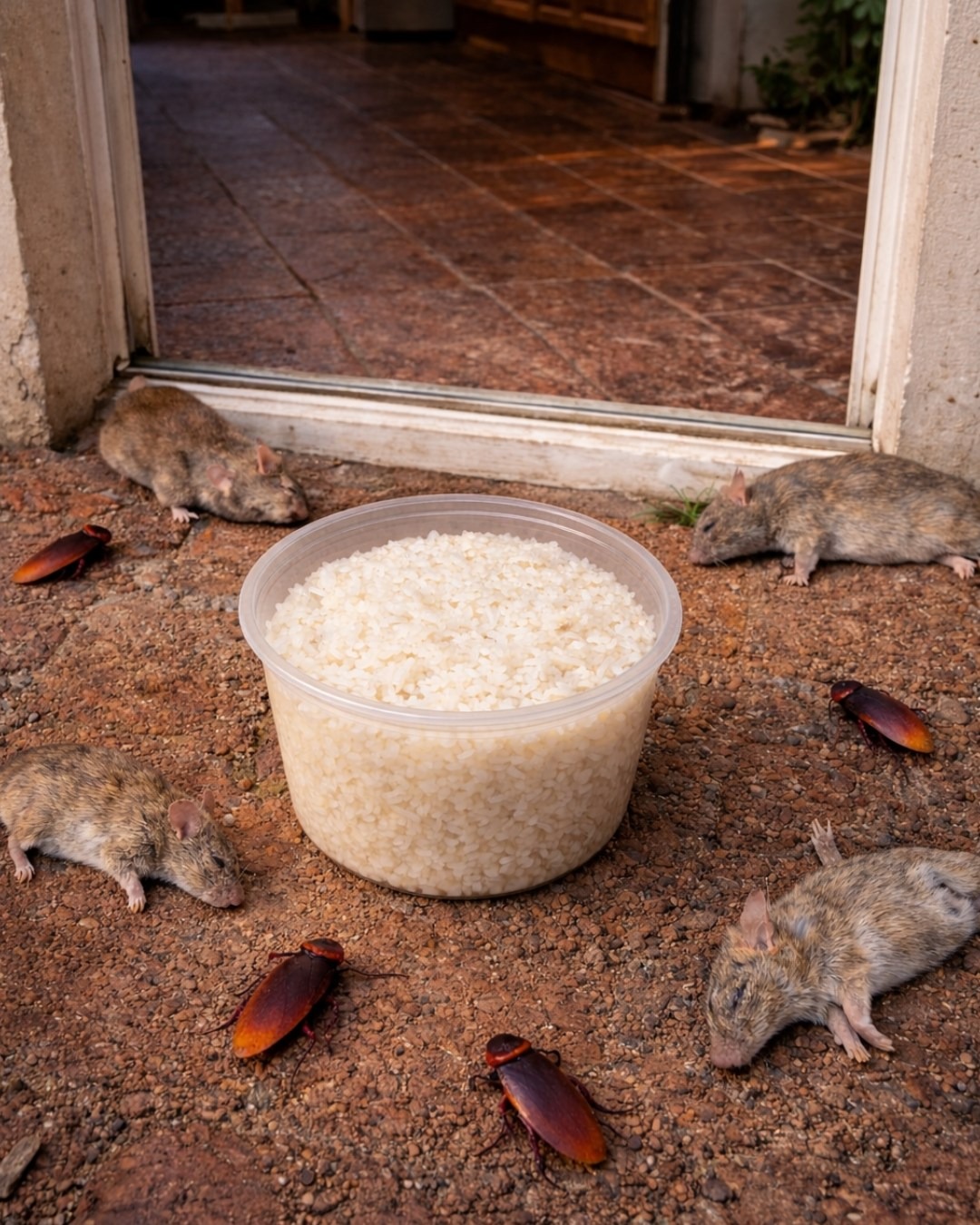
Few things make a home feel uncomfortable faster than spotting a cockroach in the kitchen or hearing scratching sounds in the walls at night. Many people immediately search for natural solutions because they want to avoid harsh chemicals around children, pets, or food storage areas. One traditional remedy that keeps appearing in household advice is the humble bay leaf.
Bay leaves have been used for generations in kitchens, pantries, and storage spaces because many people believe their strong scent helps discourage pests. While bay leaves will not completely eliminate an active infestation, they may help repel certain insects and rodents when combined with proper cleaning and prevention habits.
One homeowner living in an older apartment started placing crushed bay leaves in pantry corners after repeatedly finding roaches near dry food containers. Although the leaves did not magically solve the entire problem overnight, the kitchen became noticeably easier to manage once food was sealed properly and entry points were closed. The bay leaves became part of a larger routine that helped restore peace of mind around the house.
Why People Use Bay Leaves for Pest Control
Bay leaves contain aromatic oils that release a strong herbal scent.
The Smell May Repel Some Pests
Rats, mice, and cockroaches rely heavily on smell to:
- Find food
- Navigate spaces
- Detect danger
Strong scents may disrupt those patterns and make certain areas less appealing.
Bay Leaves Are a Gentle Household Option
Unlike stronger pesticides, bay leaves:
- Do not spray chemicals into the air
- Leave behind a pleasant kitchen smell
- Are inexpensive and easy to find
That makes them attractive to people looking for low-toxicity alternatives.
Do Bay Leaves Actually Work?
Bay leaves may help discourage pests, but expectations should remain realistic.
They May Repel Mild Activity
Some people report fewer:
- Cockroaches
- Pantry insects
- Mice visits
after placing bay leaves in targeted areas.
The scent appears to work best in:
- Small enclosed spaces
- Cabinets
- Pantries
- Drawers
They Will Not Eliminate an Infestation
Bay leaves do not:
- Kill rats
- Kill cockroaches
- Remove nests
- Stop breeding
Serious infestations usually require:
- Deep cleaning
- Sealing entry points
- Traps or professional pest control
Best Places to Put Bay Leaves
Placement matters if you want the scent to remain concentrated.
Kitchen Cabinets and Pantry Shelves
Place dried bay leaves:
- Near flour
- Near rice
- In pantry corners
- Behind canned goods
Many people tuck them into small mesh bags or breathable pouches.
Under Sinks and Appliances
Cockroaches often hide near:
- Warmth
- Moisture
- Darkness
Bay leaves can be placed:
- Behind refrigerators
- Under sinks
- Near dishwashers
- Beside trash cans
Using Bay Leaves for Rats and Mice
Rodents dislike strong unfamiliar smells, which is why aromatic herbs sometimes help.
Place Leaves Near Entry Points
Good locations include:
- Garage corners
- Basement cracks
- Utility openings
- Storage shelves
Crush Leaves Slightly for Stronger Scent
Crushing the leaves releases more oils and increases aroma intensity.
Replace them regularly because the scent fades over time.
How Often Should You Replace Bay Leaves?
Fresh scent matters most.
Replace Every 2–3 Months
Old leaves lose potency once the oils weaken.
If you no longer smell the leaves easily, pests probably cannot either.
Store Extra Leaves Properly
Keep unused leaves:
- In sealed containers
- Away from moisture
- In cool dark cabinets
That helps preserve their aroma longer.
Other Natural Pest Prevention Tips
Bay leaves work best alongside proper home maintenance.
Eliminate Food Sources
Pests thrive where food remains available.
Important habits include:
- Wiping crumbs quickly
- Sealing dry goods
- Cleaning spills immediately
- Taking trash out regularly
Reduce Moisture
Cockroaches especially love damp spaces.
Fix:
- Leaky pipes
- Standing water
- Damp basements
- Humid cabinets
Seal Entry Points Around the Home
Prevention matters more than repelling alone.
Close Cracks and Gaps
Seal openings around:
- Pipes
- Windows
- Doors
- Baseboards
Even tiny holes can allow mice or insects inside.
Use Door Sweeps and Screens
Simple barriers help prevent pests from entering in the first place.
Common Myths About Natural Pest Remedies
Not every viral household trick works equally well.
Myth: Bay Leaves Instantly Drive Pests Away
False.
Bay leaves may discourage pests gradually, but they are not instant solutions.
Myth: Natural Means Guaranteed Effective
Some natural methods help mildly, while others do almost nothing.
Good prevention still matters most.
Signs You May Need Professional Help
Sometimes DIY methods are not enough.
You See Roaches During the Day
Cockroaches usually hide during daylight hours.
Frequent daytime sightings can suggest:
- Large infestations
- Overcrowding
- Nesting nearby
You Notice Rodent Droppings or Gnawing
Signs of rats or mice include:
- Droppings
- Chewed packaging
- Scratching sounds
- Grease marks along walls
Professional treatment may become necessary at that point.
Are Bay Leaves Safe Around Pets and Children?
Generally, yes, when used carefully.
Keep Them Out of Reach
Although bay leaves are not highly toxic:
- Pets should not chew large amounts
- Small children should not swallow them
Avoid Essential Oil Overuse
Concentrated essential oils can irritate sensitive pets more easily than dried leaves.
Additional Natural Scents People Use
Bay leaves are not the only aromatic deterrent.
Peppermint
Peppermint oil may help discourage mice temporarily.
Cloves and Cinnamon
Strong spice scents sometimes help reduce insect activity in enclosed spaces.
Frequently Asked Questions
Can bay leaves kill cockroaches?
No. Bay leaves may help repel them but will not kill them.
Do bay leaves stop rats permanently?
No. They may discourage activity temporarily but do not solve infestations alone.
Should bay leaves be crushed?
Lightly crushing them releases more aroma and may improve effectiveness.
Where should I place bay leaves?
Good locations include:
- Pantry shelves
- Cabinets
- Under sinks
- Near entry points
How long do bay leaves stay effective?
Usually around 2–3 months before replacement helps restore scent strength.
Conclusion
Bay leaves remain one of the most popular natural household remedies for discouraging rats, mice, and cockroaches because they are simple, inexpensive, and easy to use. Their strong herbal scent may help make certain areas less inviting to pests, especially inside enclosed cabinets and pantry spaces.
However, bay leaves work best as part of a complete prevention strategy that includes proper food storage, moisture control, sealing entry points, and regular cleaning. While they are not miracle cures, they can still play a helpful role in keeping a home cleaner, calmer, and less attractive to unwanted visitors.
Sometimes the most effective home solutions are not about one perfect trick. Instead, they come from many small habits working together to create a healthier and more comfortable living space.