The kidneys work quietly behind the scenes every single day, filtering waste, balancing fluids, supporting blood pressure, and helping maintain the body’s overall internal stability. Because these important organs influence so many systems, changes in kidney function can sometimes show up in unexpected places—including the skin.
Although skin changes alone cannot diagnose kidney disease, doctors often pay attention to certain symptoms because they may provide clues about how well the kidneys are functioning. Persistent swelling, severe itching, and unusual skin discoloration can sometimes appear when the body struggles to maintain proper fluid balance or remove waste efficiently.
At the same time, the absence of these warning signs can be reassuring. Healthy skin tone, stable fluid balance, and comfortable skin often suggest that the kidneys are doing their job effectively.
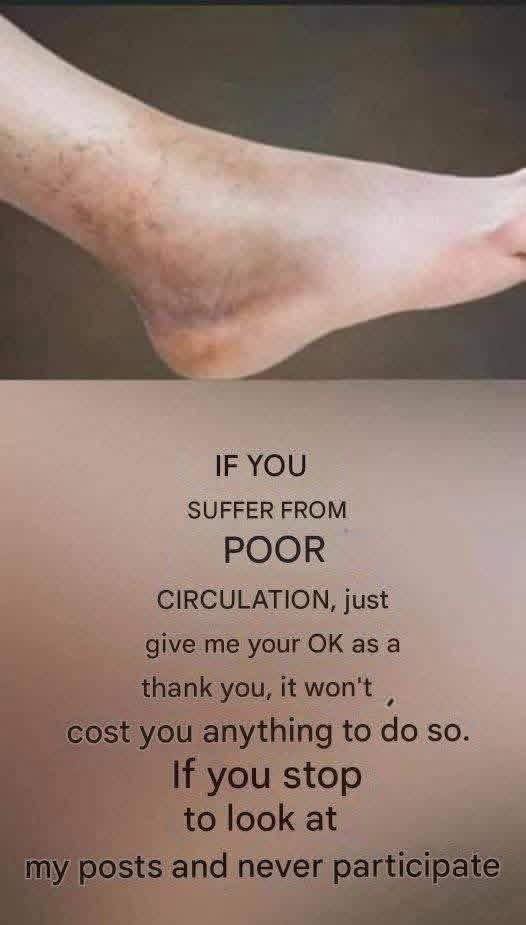
One older family member once noticed swelling around the ankles that seemed to appear almost every evening after work. At first, it was blamed on standing too long during the day. However, after the swelling became more persistent and noticeable, a medical visit revealed early blood pressure problems that were also affecting kidney function. Thankfully, catching the issue early allowed lifestyle changes and treatment to prevent further complications. That experience became a reminder that the body often gives subtle warning signs long before serious symptoms develop.
Why Kidney Health Can Affect the Skin
The kidneys influence many processes that directly affect how the skin looks and feels.
Kidneys Help Regulate Fluid Balance
Healthy kidneys remove excess fluid from the body efficiently.
When kidney function declines:
- Fluid may begin accumulating in tissues
- Puffiness may develop
- Swelling becomes more noticeable
This is why swelling sometimes becomes one of the earliest visible signs.
Waste Removal Affects Skin Health
The kidneys filter toxins and waste products from the bloodstream.
If waste begins building up:
- Skin irritation may increase
- Itching may worsen
- Skin tone may change
The skin can sometimes reflect what is happening internally.
Skin Change #1: Persistent Swelling
Swelling is one of the most common symptoms doctors monitor carefully.
Swelling Around the Eyes
Fluid retention often appears:
- Around the eyes
- Especially in the morning
This puffiness may improve slightly throughout the day as the body moves around.
Swelling in Hands, Feet, and Ankles
Kidney-related swelling may also affect:
- Fingers
- Ankles
- Feet
- Lower legs
Common signs include:
- Tight rings
- Tight shoes
- Sock indentations
- Puffy appearance
Pressing the skin may sometimes leave temporary dents called “pitting edema.”
Other Causes of Swelling Exist Too
Not all swelling points to kidney problems.
Common non-kidney causes include:
- High sodium intake
- Long periods of sitting
- Hormonal changes
- Certain medications
- Heart or liver conditions
However, persistent unexplained swelling deserves medical attention.
Skin Change #2: Severe Dryness or Persistent Itching
Kidney-related itching can feel very different from ordinary dry skin.
Why Kidney Disease May Cause Itching
As kidney function declines:
- Waste products may accumulate
- Mineral imbalances may develop
- Skin hydration may change
These factors may irritate nerves and skin tissue.
Signs Doctors Watch For
Kidney-related itching often:
- Feels widespread
- Worsens at night
- Persists despite moisturizers
- Interferes with sleep
The skin may also appear:
- Dry
- Rough
- Flaky
- Tight
When Healthy Skin Is Reassuring
Occasional dry skin is extremely common.
However, if:
- Moisturizers work normally
- Itching is mild or temporary
- Skin generally feels healthy
that can be reassuring regarding overall internal balance.
Skin Change #3: Changes in Skin Color
The kidneys also support healthy blood function and circulation.
Pale or Ashen Skin
Kidney disease may sometimes contribute to:
- Pale skin
- Grayish tone
- Yellowish appearance
- “Ashen” complexion
This often relates to anemia or waste buildup.
Why Anemia Develops
Healthy kidneys help produce erythropoietin, a hormone that supports red blood cell production.
When kidney function declines:
- Red blood cell production may decrease
- Oxygen delivery changes
- Skin tone may appear dull or pale
Healthy Color Often Reflects Good Circulation
Consistent healthy skin tone may suggest:
- Better circulation
- Stable blood function
- Good oxygen delivery
although skin appearance alone cannot confirm kidney health completely.
Other Symptoms That May Accompany Kidney Problems
Skin symptoms become more important when combined with other warning signs.
Urinary Changes
Potential kidney-related urinary symptoms include:
- Foamy urine
- Dark urine
- Bloody urine
- Frequent nighttime urination
- Reduced urine output
Fatigue and Weakness
The kidneys affect energy levels significantly.
People with kidney problems may experience:
- Extreme fatigue
- Brain fog
- Weakness
- Difficulty concentrating
Digestive Symptoms
Advanced kidney dysfunction sometimes causes:
- Nausea
- Poor appetite
- Vomiting
- Metallic taste in the mouth
Why Kidney Disease Is Called a “Silent Disease”
Many people develop kidney disease slowly without obvious symptoms initially.
The Kidneys Have Large Reserve Capacity
The body can often compensate surprisingly well even after partial kidney function declines.
As a result:
- Symptoms may remain subtle
- Problems may go unnoticed
- Diagnosis may occur late
Early Symptoms Mimic Everyday Problems
Mild kidney symptoms often resemble common issues:
- Tiredness
- Mild swelling
- Dry skin
- Occasional headaches
That makes them easy to dismiss initially.
Who Should Pay Closer Attention to Kidney Health?
Some people face higher kidney disease risk.
Higher-Risk Groups Include
People with:
- Diabetes
- High blood pressure
- Heart disease
- Obesity
- Family history of kidney disease
should monitor kidney health regularly.
Age Also Increases Risk
Kidney function naturally changes gradually with age.
Adults over 60 often benefit from:
- Regular blood pressure checks
- Routine kidney function tests
- Preventive medical care
Habits That Support Healthy Kidneys
Healthy lifestyle choices strongly influence kidney health over time.
Stay Properly Hydrated
Balanced hydration helps the kidneys filter waste effectively.
Signs of healthy hydration include:
- Pale yellow urine
- Regular urination
- Minimal thirst
Manage Blood Pressure
High blood pressure damages kidney blood vessels gradually.
Helpful habits include:
- Reducing sodium
- Exercising regularly
- Managing stress
- Following treatment plans
Control Blood Sugar
Diabetes remains one of the leading causes of kidney disease.
Balanced blood sugar helps protect:
- Blood vessels
- Kidney filters
- Overall organ health
Avoid Excessive NSAID Use
Frequent overuse of medications like:
- Ibuprofen
- Naproxen
may strain the kidneys over time.
Always use medications responsibly.
The Importance of Regular Testing
Kidney problems are often detected through routine testing long before symptoms appear.
Blood Tests Check Kidney Function
Doctors commonly measure:
- Creatinine
- eGFR
These tests help evaluate filtering ability.
Urine Tests Detect Early Damage
Urine testing may identify:
- Protein leakage
- Albumin
- Blood
- Early kidney stress
Early detection allows earlier treatment and better long-term outcomes.
Frequently Asked Questions
Can skin changes alone diagnose kidney disease?
No. Skin symptoms are only possible clues and require medical testing for diagnosis.
Is swelling always caused by kidney problems?
No. Swelling may result from many conditions including diet, medications, circulation issues, or hormonal changes.
What kind of itching is associated with kidney disease?
Kidney-related itching is often persistent, widespread, and resistant to regular moisturizers.
Can kidney disease develop without symptoms?
Yes. Early kidney disease often develops silently without obvious warning signs.
How can I support kidney health naturally?
Healthy hydration, blood pressure control, balanced diet, exercise, and regular medical care all help support kidney health.
Conclusion
The skin can sometimes provide subtle clues about what is happening inside the body, including how well the kidneys are functioning. Persistent swelling, severe unexplained itching, and unusual skin discoloration are symptoms doctors may consider when evaluating possible kidney concerns. However, the absence of these warning signs can also be reassuring, especially when combined with good overall health and normal medical testing.
Kidney disease often develops quietly, which makes regular checkups and preventive care especially important for people with risk factors like diabetes or high blood pressure. Fortunately, small consistent habits—staying hydrated, managing blood pressure, eating balanced meals, exercising regularly, and monitoring overall health—can help support kidney function for years to come.
The body often communicates gradually rather than dramatically. Paying attention to persistent changes while staying proactive about routine health care remains one of the best ways to protect long-term kidney health.
More Home Remedies
- Wrinkled Fingers After Water Exposure: What Your Skin May Be Telling You
- Skin Rash With Breathing Trouble? It Could Be a Life-Threatening Allergic Reaction
- I Thought It Was a Piece of Trash on the Bathroom Floor—Until It Moved
- If You Are Getting White Pimples on Your Lips or Intimate Area, Here’s What They Could Mean